Editor's Choice

--------------------------------------------------------------------------------------------------------------------------
Featured Post
--------------------------------------------------------------------------------------------------------------------------

"Let us build Pakistan" has moved.
30 November 2009

All archives and posts have been transferred to the new location, which is: http://criticalppp.com

We encourage you to visit our new site. Please don't leave your comments here because this site is obsolete. You may also like to update your RSS feeds or Google Friend Connect (Follow the Blog) to the new location. Thank you.


--------------------------------------------------------------------------------------------------------------------------
Showing posts with label Taliban. Show all posts

Monday, 23 November 2009

The common agenda of Taliban and Pakistani establishment: Go get democracy

In the following op-ed, Zamarrud Naqvi reveals the the common agenda of Taliban and Pakistani establishment, i.e., go get democracy. Currently, this scheme is being implemented at two fronts:

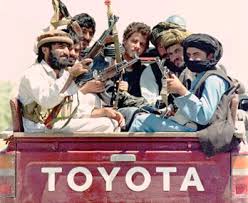
Taliban have increased their suicide attacks on innocent Pakistani citizens in order to destabilise the democratic government.

Agents of Pakistani establishment in media (also known as Mullah Media Alliance) have increased their attacks against the democratic government (on various pretexts, e.g. Kerry-Lugar Bill, NRO etc) in order to derail the democratic set up in Pakistan.

The objective of both of these groups is to stall the successful military operation against Taliban terrorists because an unpopular government installed in Islamabad will be more likely to be blackmailed by the establishment as well as by the Taliban terrorists. Here is the op-ed..

..


Read more...

Paranoia, perversion, and hypocrisy of Pakistan's middle class

Nauseous mumblings

Nadeem F. Paracha

Sunday, 22 Nov, 2009

RECENTLY I was fortunate enough to be a part of an excellent ten-minute news video prepared by the New York Times’ reporter, Adam Ellick. Tastefully called ‘Tuning out the Taliban,’ the video has created the right buzz amongst young middle-class Pakistanis.

Adam treats his report as a way to understand why many educated, westernised and modern Pakistani pop/rock stars and their fans are all gung-ho about anti-Americanism in their songs and beliefs but at the same time keeping quiet about matters such as religious extremism, terrorism and the Taliban.

The funny thing is, this is happening even when there are disturbingly tangible and physical examples of the ubiquitous carnage and mayhem being caused by so-called jihadis; whereas conspiratorial notions such as the ever-present explanation of a ‘foreign hand’ — mainly the idea of an unholy alliance of America, India and Israel out to destroy Pakistan and Islam — remains to be a largely unsubstantiated and somewhat air-headed perception.

According to my own experience as a journalist covering the Pakistan music scene in the 1990s, it is never a good idea to encourage pop musicians to start making political statements. As an idea it can be exciting and relevant, but since much of the modern pop music scene in Pakistan originates from middle-class settings, one can thus expect nothing more than self-righteous droning and quasi-reactionary drawing-room demagoguery usually found in the urban bourgeoisie and petty-bourgeois sections of society.

Surveys and studies of these two classes in Pakistan show them to be two of the most conservative, with a history of economically and politically backing assorted military dictators (especially Ziaul Haq and Pervez Musharraf). Of course, there have been clear exceptions in this context, but it is also true that over the years the overall conservatism of these classes has seen certain sections from within become both supporters and financiers of the more extreme strains of Islamic thought.

There have been recorded cases against many petty-bourgeois shop-owners and traders of financing jihadi organisations; whereas many sections among the more ‘modern’ bourgeois class have largely exhibited their own version of extreme beliefs by passionately patronising (as supporters and clients), a number of Islamic televangelists and drawing-room preachers whose number has grown two-fold from 1990 onwards.

Consequently, there has been a dramatic increase in the number of young men and women from the middle-class now preferring to adorn beards and hijabs, and taking religious rituals a lot more seriously (compared to the situation till the late 1970s). But this class still constitutes a large number of westernised youth as well.

However, compared to their more socially conservative class contemporaries — who have been seen to follow right-wing groups from the Jamat-i-Islami, to defunct Sipah-i-Sehaba to Sunni Threek and the Tableeghi Jamaat and individuals such as Dr Israr Ahmed, Farhat Hashmi and Zakir Naik — the more ‘modern’ lot in this respect have not exactly fallen to the left as a reaction (like they did between the 1950s and the early 1970s). Instead, in spite of whole-heartedly embracing the economic, aesthetic and cultural fruits of secularism, they have retained their classes’ inherent political conservatism.

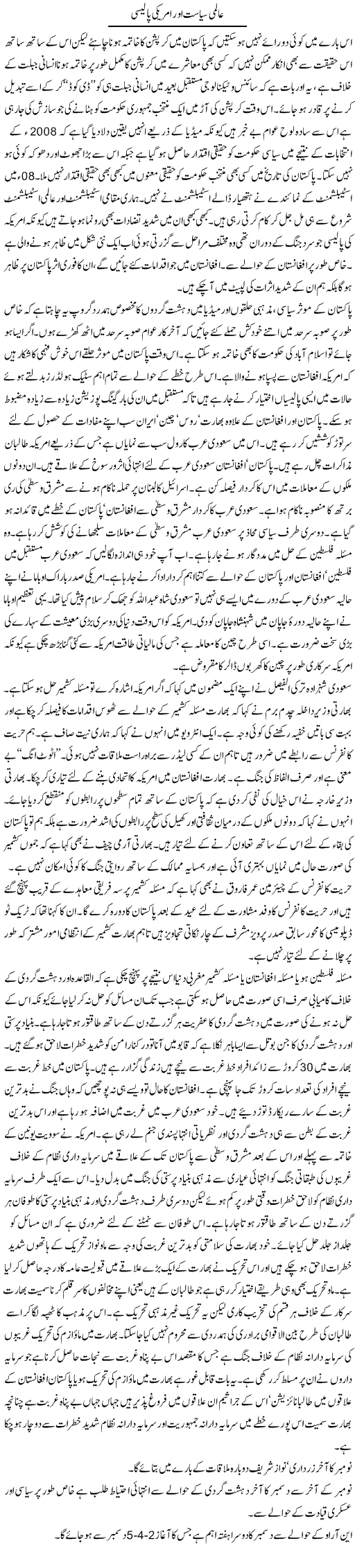
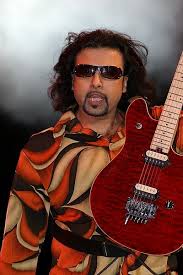
Adam Ellick’s interviews with former rock star and animated TV personality, Ali Azmat, and bubblegum-rock poster boy, Ali Noor, are the cases in point. Both hail from modern, middle-class settings and represent the more westernised sections of Pakistani bourgeoisie. In spite of mimicking the aesthetic, cultural and linguistic strains of western pop culture, both refused to see any contradiction whatsoever in conveniently attacking ‘western imperialism’ as the reason behind the terror attacks in Pakistan.

Azmat is seen in a T-Shirt and shorts, with an expensive Apple laptop by his side, sitting in a room decorated like an arty version of an American college dude’s bachelor pad, and the following is what he had to say: ‘It (suicide bombing) is the agenda of neocons to de-Islamise Pakistan…’

In his astute and recently acquired wisdom (mainly inspired by Azmat’s newfound guru, celebrated conspiracy theorist Zaid Hamid), the Taliban are not behind the bombings of girls’ schools, but ‘foreign forces (CIA, RAW and Mossad),’ are to be blamed! Where else but in Pakistan can one find a hip rock star with a lucrative history of being proudly sponsored by various western multinationals, also become a shameless apologist of men who in the name of faith not only blow themselves up in public, but are also known to have used three-to-six-year-old children for the same deed.

Then, in the same documentary, we see yet another scion of the increasingly warped Pakistani bourgeoisie, Ali Noor, the long-haired, guitar-slinging lead vocalist of Noorie. Amidst terrifying and tragic footage of blown up cars, shops and body limbs, he announces that ‘the Taliban only constitute a tiny problem.’ While spouting this profound insight, Noor gestures the ‘tiny’ part of his grand statement with his hand and you wonder, shouldn’t that gesture be explaining the size of his brain? Is this symptomatic of mere delusion, or of some unprecedented form of collective psychosis? Source

Read more...

Sunday, 22 November 2009

Consequences of Zia’s misrule and Talibanization

Wasted youth: Reflections on the British Council report

By Nadeem F. Paracha
Saturday, 21 Nov, 2009

Released today (Saturday 21 November), the Pakistan British Council’s hefty report titled, Pakistan: The Next Generation, encapsulates the economics, demographics and, more importantly, the opinions of the youth of Pakistan.

The report suggests that Pakistan is in a distinct situation where it can explore what is called the ‘demographic dividend.’
This means that the country is going through a period in which there is a positive ratio of productive youth — or currently there are more industrious youth than dependants.

According to the report the window of opportunity in this respect opened in 1990, but unfortunately the country has done nothing to exploit this opportunity.

Being perhaps the first truly representative survey and report of its kind in the country, it divulges that merely 15 per cent of the Pakistani youth believe that the country is headed in the right direction.

Accurately capturing the identity dilemma the youth of Pakistan has been going through, especially after the tragic 9/11 episode and its fallout in Pakistan, the report sees the country’s youth to be passionately inclined towards nationalism but having very little trust in national or local government, the police and even courts, in spite of the reinstatement of the celebrated senior judiciary that was dismissed by the Musharraf dictatorship in November 2007.

About three-quarters of the Pakistani youth define themselves as being Muslims first and then Pakistani. Fourteen per cent see themselves as Pakistani citizens first.

The democratic dividend window that opened in 1990, according to the British Council report, is set to close sometime in 2045. This means those at the helm of economic and governmental affairs now have 35 years or so to stem the waste and start devising policies in which the country can harvest the political, social and above all, economic benefits that come associated with this opportunity. The report predicts that the positive consequences of wisely exploiting this opportunity may give Pakistan an economic growth increase by a fifth by 2030.

Also in the report are the variety of opinions held by the Pakistani youth on matters of hope, fear, religion, education and international politics.
Not surprisingly, a healthy 92 per cent of the youth believe in the importance of education. However, even though the current bout of democracy in the country is hardly two years old, there are already growing signs of disillusionment with democracy within the youth. According to the report, only a third of those surveyed believed that democracy is the best system for the country.

This is an alarming finding, especially with the number of disastrous military regimes that the country has suffered and the proliferation of alternative faith-based systems being flaunted by conventional religious parties and the largely mythic-political ones propagated by clandestine extremist groups.

Thus, more alarming becomes the report’s finding in which it sees about 60 per cent of the country’s youth having faith in the military and around 50 per cent having similar trust in religious seminaries (madrassahs), which, in the last many years have come under scrutiny from the government and the state for both propagating and initiating extreme strains of Islam.

The bi-polar make-up of the Pakistani youth is further highlighted when the report suggests that the young generation by and large is civic minded. This generation insists that the primary purpose of education is to produce good and productive citizens.

When questioned about the reasons behind the recent spat of terrorist and other violence in the country, the respondents point the finger at ‘injustice’ (30 per cent); and ‘economics conditions’ (28 per cent).

Again, not surprisingly, a large number of young men and women also blamed the international community of ‘interfering in the affairs of the country,’ and for ‘demonising Pakistan.’

The truth is, if a majority of a country’s youth have more faith in institutions that have been largely responsible for the political, social and economic disasters that the country has faced for many years (the military and the madrassahs), it will be very hard for the international community not to exhibit any alarm or concern, especially if the same country also has a nuclear arsenal.

But the British Council report is not all that concerned by this dilemma. Instead in its concluding remarks, it is actually hopeful and advises the state and the government to tap into the nationalism and civic mindedness of the youth because we still have about 35 years to convert the economic, cultural and political potential of our youth into something that can rise above cynicism and a forlorn attitude, and play a more positive, productive and inspired role.
Around 2,500 young men and women (writers, journalists, students, NGO workers) were involved in the writing and preparation of this report that can go a long way in triggering some constructive debate and, as British Council’s Fasi Zaka hopes, ‘renew an interest in a much neglected subject.’ Source

Read more...

Friday, 20 November 2009

Baitullah Mehsud Shaheed

Baitullah Mehsud is shaheed: a claim by Mullah Fazlur-Rehman dehshat gard.


Read more...

We need to support Police in our war against Taliban terrorists


Perils of policing
By Ayesha Siddiqa
Friday, 20 Nov, 2009 (Dawn)

IT doesn’t take a genius to notice the mounting pressure on the PPP government and President Zardari, especially after former partner PML-N decided to adopt an aggressive policy towards the ruling party. This approach includes criticism of everything that happens under the PPP watch.

Recently, even the Islamabad police seem to have been dragged into the fray when the PML-N leadership in parliament reacted sharply to the story of the killing of a potential suicide attacker by the police at a security picket in the capital earlier this month. It is claimed that it was actually a fake encounter staged to improve the IG’s reputation.

A hue and cry continues to be raised despite the fact that the police was exonerated by an inquiry conducted by the Islamabad Capital Territory Administration. The police also say that no one came forward to claim the body before it was finally buried after two days of waiting.

However, the PML-N leadership in parliament continues to raise the issue. Perhaps the government needs to take them seriously since the party leadership is quite familiar with extrajudicial killings, which have always been common in Punjab. They would probably know better how judicial inquiries are managed in such cases. Given a chance to hold an inquiry themselves the said parliamentarians might have revealed more as some might have greater knowledge of extrajudicial killings. After all, it was about six months ago that Nanu Goraya lost his life in a fake encounter in Gujranwala.

The Punjab government had kept violent militant outfits like Sipah-i-Sahaba-i-Pakistan (SSP) and Lashkar-i-Jhangvi in check during the late 1990s reportedly through extrajudicial killings with the objective of controlling crime and violence in the largest province. It was the use of this methodology which resulted in the SSP’s retaliation in the form of an assassination attempt on then prime minister Nawaz Sharif.

Policing in our peculiar socio-cultural environment — particularly the capital city — is not easy. Islamabad is a mini-Pakistan where one can find a concentration of power, cliques, opposing forces, and all those socio-cultural vices that put additional burden on the law-enforcers. The IG police and his staff have to cater to approximately 1.5 million people. Given our VIP culture it is probably easier to take care of ordinary people than cater to hundreds of parliamentarians who constantly go in and out of the city and would be least forgiving if there was any letup in their personal security.

Besides, there are about 81 embassies, 76 ambassadors’ residences, 22 UN offices, 14 hospitals, 20 universities, 1,044 schools and colleges, 77 markets and 305 madressahs which have to be guarded with a police force of 10,332. The police also have to run around protecting the head of state and government and other dignitaries that visit the capital.

The presence of diplomats and foreigners does not make things any easier. What adds to the burden is the government’s indecision on other related issues such as the placement and management of 305 madressahs located within different sectors. The Lal Masjid incident indicated the dangers that could emanate from these seminaries. There is no system or policy to monitor people who come and stay in these madressahs from outside the city. While it is the government and parliament’s responsibility to decide on this critical issue, it is the police which face the consequences due to being placed on the front line.

The police force, which generally has a bad reputation and represents the authoritarian and barbaric face of the state, is also the force which has played a vital role in the past couple of years in the war against terror. While people eulogise the hard work and commitment of soldiers who have laid down their lives in the fight against terror, it is unfair not to remember the unsung heroes from the police who are often the first ones to lose their lives during a terrorist attack. Approximately 22 police officials have lost their lives in terrorist attacks in Islamabad. There have been five attacks in 2009 alone.

It is heartening to see lower-ranking police officials in Islamabad doing their duty in such tough times without the necessary wherewithal for their personal protection. These men don’t have bullet-proof jackets, sniffer-dogs, or explosive detection equipment. The police do not have equipment for communication intercepts, which is critical for tracking both criminals and terrorists and homing in on a potential suicide attacker. The ability to track mobile phone calls alone helps tremendously in tracking down criminal and terror networks.

Given the level of communication and competition amongst various government agencies, the police remain uncertain of the cooperation provided by various intelligence agencies. The fact that terrorists manage to attack the capital, move around with large amounts of explosive material and even sneak inside GHQ and the adjoining areas indicates a breakdown of intelligence. Parliament would benefit by probing the issue of the dearth of actionable intelligence. The police and ordinary citizens face the consequences of the failure of actionable intelligence. Better intelligence would also help sort out the problem of multiple pickets in Islamabad or other cities which are meant mainly to impede the movement of a potential terrorist towards a high-value target. But the cost is borne by ordinary people who are frustrated due to long queues.

The judicial system does not help either in cleaning up the current mess. The fact that there are today 13,000 criminal cases pending in the lower courts in Islamabad speaks volumes about the slackness of the judicial system. This is not just the case in the capital but throughout the country. It is a major burden on law-enforcement if criminals and terrorists continue to walk free due to the slackness of the judicial system. The case of Lashkar-i-Jhangvi’s Malik Ishaq getting acquitted by the courts from cases in which he was accused of committing over 80 murders is a prime example of the sorry state of affairs.

Not to mention the fact that the top brass of the police — unlike that of the intelligence agencies or other official outfits — also has to deal with the consequences of proactive higher courts and present themselves before the various parliamentary committees almost on a daily basis. While it is good to hold the police accountable, it also raises the issue of cutting into time which could be spent on improving security.

We know that we do not have the ideal police force. But due encouragement and appreciation of what the law-enforcers face could add to better security.

The writer is an independent strategic and political analyst.

ayesha.ibd@gmail.com
..
Muhammad Amir Khakwani

Read more...

Thursday, 19 November 2009

Laal's meeting in Islamabad: War against the Taliban terrorists


LAAL BRIGADE MEETING IN ISLAMABAD

Dear comrades and friends,

Laal Salaam!

Pakistan has been rocked by a spate of terrorist activities in the past few months.The Taliban have spared no one, suicide bombers have hit the Bazar's and the educational institutes, killing hundreds of children and women. The heinous and cowardly suicide attack at Islamic University was aimed at the student body in Pakistan.It is high time that the students and the youth of Pakistan unite against these fundamentalists.

The Laal Brigade stands for peace at this critical juncture of our history and will actively try to achieve this goal.Every person who stands for peace is invited to this meeting. The meeting will be conducted by Shahram Azhar.

The agenda of the meeting will be the following:
--The war against the Taliban
--How the students and youth of Pakistan can positively contribute to ensure lasting peace in Pakistan

The meeting of the Laal Brigade will take place this Saturday at 5 pm. The venue for the meeting will be:

OLIVE GARDENS,
Near Gellatto Affair,
Gol Market,
F-7/3,
Islamabad.
TIMINGS:- 5:00 p.m onwards.

Down with the Taliban!!!
PEACE AT ALL COSTS!!!!

Comradely,
Sikandar

For details contact
Badeel : 03075512970

Read more...

Why are Taliban attacking innocent civilians in Pakistan?


Suicide attack in Peshawar leaves at least 19 dead
By Ismail Khan (Dawn)
Thursday, 19 Nov, 2009

PESHAWAR: At least 19 people were killed and 50 wounded when a suicide bomber struck the district judicial complex on Thursday morning, city administration officials and doctors said.

'The bomber was on foot and tried to get into the Judicial Complex through its main entry gate. He blew himself up, when he was stopped,' deputy coordination officer, Peshawar, Sahibzada Mohammad Anis said.

A doctor at the city’s main Lady Reading Hospital put the death toll at seventeen. Amongst those killed were the three policemen who tried to stop the bomber from getting in, Anis said.

Peshawar, the capital of the North-West Frontier Province, has borne the major brunt of terrorist attacks since the deadly bombing in a busy shopping area on October 28 that left 121 people dead.

Chief Minister NWFP, Ameer Haider Khan vowed to continue the fight against terrorism but warned that Thursday's bombing would not be the last one.

'This is not going to be the last bombing,' Mr. Hoti warned.

A senior minister in his cabinet said the government would not succumb to pressure from militants' bombings and would not negotiate with them.

'We will not negotiate with these animals,' Bashir Ahmad Bilour said.

A total of 185 people have died in terrorist attacks since then including the latest bombing at the Judicial Complex.

Analysis

By Abdul Nishapuri

In Pakistan, Taliban seem to be implementing what they have been long practising in Afghanistan. i.e. the broader Taliban strategy of killing and harassing ordinary civilians.

Amnesty International spokeswoman Saria Rees-Roberts told RFE/RL that the tactic is part of a wider strategy -- the systematic targeting of Afghan civilians by the Taliban.

"These reports are very concerning, and they link up with what we have observed," Rees-Robers said. "The Taliban is using practices like abductions and killings in order to exert fear and exert control over the local population.

Here is a most recent analysis of the Taliban strategy in Pakistan by Abdul Haye Kakar of BBC Urdu dot com.


عسکریت پسند دو حکمت عملیوں پر عمل پیرا

عبدالحئی کاکڑ
بی بی سی اردوڈاٹ کام، کراچی

شہریوں کو اس لیے ٹارگٹ کیا جارہا ہے تاکہ عوام کی رائے پر کھڑی جمہوری حکومت پر دباؤ بڑھایا جاسکے

صوبہ سرحد بالخصوص پشاور میں کسی زمانے میں دو دھماکوں کے درمیان عموماً ایک ہفتے کا وقفہ ہوا کرتا تھا یعنی صرف جمعہ کو لوگ دھماکے کا خدشہ ظاہر کرتے تھے مگر اب اگر کسی دن دھماکہ نہ ہو تو لوگوں کو اگلا دھماکہ ہونے کا ڈر لگا رہتا ہے۔

گزشتہ گیارہ دنوں میں آٹھ دھماکے ہوئے ہیں جس میں ایک سو تیس سے زیادہ افراد ہلاک ہوچکے ہیں۔جوں جوں پاکستانی فوج جنوبی وزیرستان میں طالبان سے علاقہ حاصل کررہی ہے ویسے ویسے شہروں میں پرتشدد کارروائیاں بڑھتی نظر آرہی ہیں۔

طالبان جنوبی وزیرستان سے نکل کر خیبر، اورکزئی، کُرم ایجنسی ، بکاخیل بنوں، شمالی وزیرستان پہنچ چکے ہیں تاہم با اعتماد حکومتی اور طالبان ذرائع کے مطابق انہوں نے پشاور کے تین اطراف میں بھی ڈیرہ ڈال رکھا ہے جس کی وجہ یہ ہے کہ شہر تک فاصلہ کم ہونے کی وجہ سے وہ ہدف کا انتخاب کرنے اور اس تک پہنچنے میں قدرے آسانی محسوس کرتے ہیں۔

پچھلی اور حالیہ فوجی کارروائی میں ایک بڑا فرق یہ ہے کہ جنرل ریٹائرڈ مشرف کے دورِ حکومت میں زیادہ تر حملوں میں حکومتی مقامات اور سکیورٹی فورسز کو نشانہ بنانے کی کوشش کی جاتی رہی البتہ اس بار عسکریت پسند بیک وقت دو حکمت عملیوں پر عمل پیرا ہیں۔ ایک تو وہ ماضی کی طرح سکیورٹی فورسز اور سرکاری املاک کو نشانہ بنا رہے ہیں لیکن اس بار شہریوں کو بھی خصوصی طور پر نشانہ بنانے کی کوشش کی جارہی ہے۔

طالبان اور ان کے غیر ملکی جنگجوؤں کی نظر میں شہری بے گناہ نہیں ہیں اور ان کی خاموشی انہیں’منافقین‘ کے خانے میں ڈال رہی ہے لہٰذا ان کی سخت گیر سوچ کے مطابق ’منافقین‘ کو مارنا گناہ نہیں بلکہ الٹا ’ثواب‘ کے زمرے میں آتا ہے۔
طالبان کے اندرونی حلقوں سے حاصل ہونے والی معلومات کے مطابق شہریوں کو اس لیے ٹارگٹ کیا جا رہا ہے تاکہ عوام کی رائے پر کھڑی جمہوری حکومت پر دباؤ بڑھایا جاسکے۔ ان کی نظر میں عوام اس لیے بھی قصور وار ہیں کہ وہ فوجی کارروائی پر کیوں خاموش تماشائی بیھٹے ہوئے ہیں اور انہیں اپنے منتخب نمائندوں کو اس بات پر مجبور کرنا چاہیئے کہ وہ طالبان کے ساتھ مذاکرات کرکے مسئلے کو ایک بار پھر معاہدے کے ذریعے حل کروایا جائے۔

طالبان اور ان کے غیر ملکی جنگجوؤں کی نظر میں شہری بے گناہ نہیں ہیں اور ان کی خاموشی انہیں’منافقین‘ کے خانے میں ڈال رہی ہے لہٰذا ان کی سخت گیر سوچ کے مطابق ’منافقین‘ کو مارنا گناہ نہیں بلکہ الٹا ’ثواب‘ کے زمرے میں آتا ہے۔

اس سے قطع نظر کہ شہریوں کو نشانہ بنانے سے طالبان کو کوئی فائدہ ہوتا ہے یا نہیں لیکن اس کا ایک فائدہ پاکستان میں حکومت مخالف سیاسی جماعتوں اور قوتوں کو بھی بظاہر پہنچ رہا ہے کیونکہ عوام کو یہ باور کرایا جارہا ہے کہ حکومت ان کے تحفظ میں ناکام ہوچکی ہے۔

Read more...

Tuesday, 17 November 2009

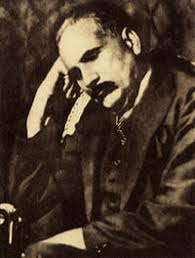
Taliban and Allama Iqbal


We reproduce here the denial of Pakistani Taliban of their involvement in terrorists activities in Pakistan, and its analysis by BBC Urdu's Mohammed Hanif. The Taliban video statement starts with an Urdu verse by Allama Iqbal.

It would appear that the script of this video message was written by the senior members of the Mullah Media Alliance (also known as the Pakistani Taliban Union of Journalists), i.e. Hamid Mir, Shahid Masood, Ansar Abbasi or Irfan Siddiqi. The delivery of the script was made by the Pakistani Taliban spokeperson, Azam Tariq, a name adopted in the memory of the slain sectarian leader of the terrorist organisation, Sipah-e-Sahaba.

Pakistan Taliban airs video denial

Monday, 16 November 2009 20:56

Al-Jazeera

Attacks that have continued across Pakistani towns and cities are being blamed on Tehreek e-Taliban, Pakistan’s Taliban.

However, the group has issued its first video statement denying involvement in targeting civilians and has blamed external forces for at least two recent blasts.

Azam Tariq, a spokesman of the Tehreek e-Taliban, posted the video statement on YouTube on Monday.

The message refers to a bombing at the Islamic University in Islamabad, which the spokesman said was orchestrated to prepare the ground for a military operation in South Waziristan, a stronghold for Pakistan’s Taliban fighters.

He also said his group had no role in the bomb blast in a Peshawar market that killed at least 100 people as well as an attack in Charsada, a town located in Pakistan’s North West Frontier Province.

Tariq said Taliban attacks never aimed to target civilians, but that the explosions were linked to Blackwater activities in the country.

Blackwater is a private military and security company founded in the United States.

Propaganda war

Kamal Hyder, Al Jazeera’s correspondent in Islamabad, said: “Even when those bomb blasts did happen, the Taliban denied they had anything to do it.”

He said: “It was surprising to see that it [the video message] came up on the al-Sahab video. That is the Al-Qaeda wing of media publicity.”

Blackwater has denied having any contracts in Pakistan.

Hyder added: “There is a growing anger among Pakistanis. If one looks at the type of attacks that have been taking place – indiscriminate attacks – the first thing that came out, even reported by local media, was the blaming of Blackwater and other American agencies.

“The public opinion has turned against the Americans. The video that has appeared today would be trying to capitalise on that. Al-Jazeera

موجودہ بحران کا سادہ سا حل

تحریک طالبان کے سربراہ حکیم اللہ محسود تنظیم کے ترجمان اعظم طارق کے ہمراہ

تحریک طالبان کے سربراہ حکیم اللہ محسود تنظیم کے ترجمان اعظم طارق کے ہمراہ

کل فیصل آباد یونیورسٹی میں ٹیکسٹائل انجنیئرنگ کے ایک طالب علم نے کانوکیشن میں احتجاجاً گورنر سلمان تاثیر سے یہ کہہ کر میڈل لینے سے انکار کر دیا کہ وہ قانونِ ناموس رسالت میں توہین کی بات کرتے ہیں۔

چند مہینے پہلے کراچی یونیورسٹی کے ایک طالب علم نے ایک امریکی صحافی پر جوتا دے پھینکا تھا جسے انٹرنیشنل ریلیشنز پر لیکچر دینے کے لیے مدعو کیا گیا تھا۔

کل ملک کے سب سے بڑے اخبار کے سب سے بڑے کالم نگار نے یہ کہہ کر آمریت کی مخالفت کی کہ دیکھیں جنرل ضیا نے سیاچن بھارت کے حوالے کر دیا تھا۔

گزشتہ ہفتے ایک مقبول ٹی وی چینل پر بچوں کے ایک پروگرام میں ایک خوبرو اداکارہ جہاد کے فضائل بیان کرتے ہوئے یہ بتا رہی تھیں کہ کس طرح مشرقی پاکستان میں ہمارے مٹھی بھر بہادر فوجوں نے ہندوستان کی کافر فوج کو تقریباً نیست و نابود کر دیا تھا۔

اگر آپ ان متفرق نعروں، تجزیوں اور احتجاج کے چکر میں نہیں پڑنا چاہتے تو اس ہفتے جاری ہونے والا تحریک طالبان کے ترجمان اعظم طارق کا ویڈیو بیان سن لیں۔ آپ کو نہ صرف پاکستان کے موجودہ بحران کی سمجھ آئے گی بلکہ اس کا سادہ حل بھی سمجھ آجائے گا۔ اور آپ کو یہ بھی پتہ چلے گا کہ اگرچہ وہ پاکستانی میڈیا پر تنقید کرتے ہیں لیکن ان کے اور میڈیا کے تجزیے میں کوئی زیادہ فرق نہیں۔

’ملک میں سارا فساد بلیک واٹر کا پھیلایا ہوا ہے۔‘ فرق صرف اتنا ہے کہ بقول اعظم یہ کام بلیک واٹر آئی ایس آئی کے ساتھ مل کر کر رہی ہے۔ پاکستان کے چینلوں پر بیٹھے پنڈت ہمیں یہ بتاتے ہیں کہ یہ سب فساد آئی ایس آئی کی تمام تر کوششوں کے باوجود بلیک واٹر ہی پھیلا رہی ہے۔

مسئلے کا حل حضرت اعظم طارق نے اپنے بیان کے شروع میں ہی علامہ اقبال کا یہ شعر پڑھ کر سنا دیا:

فطرت کے مقاصد کی کرتا ہے نگہبانی

یا بندۂ صحرائی یا مردِ کوہستانی

اب علامہ اقبال سے اختلاف کی جرات کون کرے۔ اسی شعر کی جدید تشریح کے مطابق بندہ صحرائی اسامہ بن لادن ہیں اور مرد کوہستانی اعظم طارق اور ان کے ساتھی۔

مسئلہ صرف یہ ہے کہ ہماری زیادہ تر آبادی صحراؤں اور کوہستانوں کے باہر رہتی ہے۔ شہروں میں، دریاؤں کے کنارے، گاؤں دیہاتوں میں، کچی آبادیوں میں، تنگ و تاریک فلیٹوں میں یا بڑے شہروں کے فٹ پاتھوں پر رہنے والوں کا کیا ہوگا۔

اعظم طارق جب یہ شعر سناتے ہیں تو ان کا ایک ہاتھ بلند ہوتا ہے جس میں ایک سگریٹ پکڑا ہوا ہے جو جلایا نہیں گیا۔ یا تو یہ کسی ایسے نگہبان کے لیے خفیہ پیغام ہے جسے ہمیں فطرت سے قریب لانے کے لیے ہمارے بیچ بھیجا گیا ہے۔ یا پھر ہوسکتا ہے کہ یہ میرے جیسے سگریٹ نوشوں کے لیے کوئی اشارہ ہو۔ لیکن مجھے یہ سمجھ نہیں آئی کہ ہمارے لیے حکم ہے کیا؟ سگریٹ چھوڑ دینے کا یا پیتے رہنے کا


Read more...

Sunday, 15 November 2009

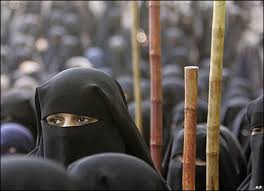
Taliban militants disguised in burqa to attack an anti-Taliban mayor

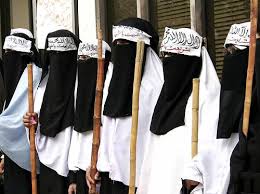
Perhaps inspired by their terrorist leader Mulla Abdul Aziz of the Lal Masjid of Islamabad, Taliban terrorist have started disguising themselves in Burqa in order to attack ordinary citizens of Pakistan.


Militants attack anti-Taliban mayor in northwest Pakistan
DawnNews Report
Sunday, 15 Nov, 2009

PESHAWAR: More than a dozen militants opened fire on the house of an anti-Taliban mayor in northwestern Pakistan on Sunday, but security guards repelled the attack, killing three assailants, said police.

Militants have staged a wave off attacks in northwestern Pakistan in recent weeks in retaliation for an army offensive launched last month in the tribal area of South Waziristan, where al-Qaida and Taliban leaders are believed to be hiding.

Several of the militants who attacked Mayor Mohammad Fahim Khan's house disguised themselves by donning burqas, said police official Nabi Shah.

‘Seeing three burqa-clad women early in the morning, Fahim Khan's security guards challenged them, and the men threw away their disguise and opened fire,’ said Shah.

‘But the guards were alert and they retaliated quickly.’

The guards killed three militants and waged a gunbattle with the rest, but they managed to escape, said Shah.

Khan was the second mayor to be attacked in the last week who has organised a local militia to fight against the Taliban. A suicide bomber hit a crowded market outside the main northwestern city of Peshawar last Sunday, killing 12 people, including a mayor who once supported but turned against the Taliban.

Militants have made several attempts to assassinate Khan, who is the mayor of Bazid Khel town, some 10 miles south Peshawar.

‘Militants have exploded three bombs near my house, killing innocent people, and they have opened fire on me several times but have failed so far,’ said Khan. ‘These attacks will not weaken my resolve against militants.’

The recent wave of attacks has killed hundreds since the beginning of October. The insurgents appear to believe the violence will weaken the determination of both the people and the government to counter the rising militant threat.

Many attacks have targeted areas in and around Peshawar, which borders Pakistan's semiautonomous tribal region where the army is fighting its offensive. Strikes in the past week alone have killed more than 50 people, including 11 who died Saturday when a suicide car bomber attacked a police checkpoint on the outskirts of Peshawar.

A day earlier, another suicide car bomber attacked the regional office of Pakistan's top intelligence agency in Peshawar, killing 10 people.

Read more...

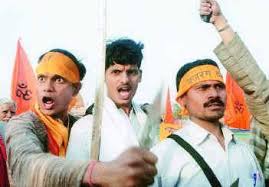
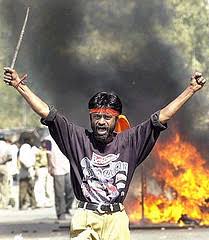
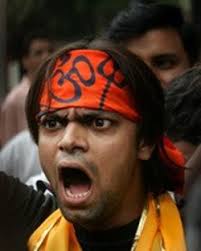
Guest blog: Sangh Privar - The Hindu Taliban of India

SANGH PARIVAR- THE FAR RIGHT FRINGE


By Qudrat Ullah

Launched by the inspired volunteers of Rashtriya Swayamsevak Sangh (RSS) with the sole purpose of attaining Gandhian Swaraj, the loose conglomerate of a total of 31 zealot organizations called Sangh Parivar has emerged as the multi headed hydra of the Hindu far right In India to frighten its minorities. It represents popular movement for the establishment of a ‘Greater India’ with total Brahminical hegemony, to be comprising of Pakistan, Afghanistan and other neighbors in the immediate periphery, with the socio-political status of non-Hindus to be limited to serfs only. These assorted organizations within Sangh Parivar particularly include Vishwa Hindu Parishad, Rashtriya Sevika Samiti, Akhil Bharatiya Vidyarthi Parishad, Vanavasi Kalian Ashram, Bharatiya Mazdoor Sangh, Vidya Bharti, Sewa Bharati and many more. Although, the different organizations within the Sangh Parivar run independently and peruse dissimilar policies and activities, but the stated mission of these activities has been attaining the 'Saravangeena Unnati' (all-round development) of India.

More preferably termed as the ‘Hindu Taliban of democratic India’ Sangh Parivar uses Hindu mythology and various hate symbols for the propagation of its political motives and to mutilate non Hindu minorities to an extent where they discontinue to grow up as an independent identity.

It was during Vajpayee’s time that relations and contacts of Sangh Parivar’s Dharam gurus and Hindutva leaders with Israel increased manifold. Hindutvadis got support and motivation from Israeli secret agency, Mossad’s operations against Arab and Muslim countries. It was during the rule of BJP’s Atal Bihari Vajpayee that a strong foundation was laid for the visits of Hindutvadis, especially the Sadhus and dharam gurus of Sangh Parivar to Israel. These visits are increasing now as Indian army chief Gen Deepak Kapoor has also recently gone to Israel. It is important to note that involvement of army officers, Bhonsla Military School of Maharashtra run by central Hindu military education society and the members of different wings of Sangh Parivar, in various terrorist activities in different states should not be a surprise as terror tactics are a forte of Sangh Parivar to achieve goals.

Among Sangh Parivar's connected organizations, active training of martial arts is given to RSS's women branch (Rashtriya Sevika Samiti), Bajrang Dal and its women's branch, Durga Vahini. Training camps and physical trainings are not new for these organizations; they have now started arming their volunteers in a military pattern as well. Volunteers’ indoctrination is carried out in such a way that they start viewing Muslims as an enemy to be fought with. Arms training camps are regularly organized by them in different parts of the country, where young men and women are trained in the use of guns as well as trishuls, sword and other martial arts. This trained cadre is then used against minorities and for other terror related activities.

Since 1947, RSS has been indoctrinating and creating more and more organizations to carry out its objective of one Hindu nation, to work for the modern version of Brahminical system and to get annexed border countries. Its trained swayamsevaks, have already made inroads in various political formations like Bharatiya Janata Party, Akhil Bhartiya Vidyarhti Parishad, Vanvasi Kalyan Ashrma, Vishwa Hindu Parishad, Hindu Munnani, Bajrang Dal, Samajik Samrasta Manch and also created subsidiary women organizations like Rashtra Seviak Samiti and Durga Vahini etc. Their second strategy is to infiltrate in the different wings of state machinery including police, bureaucracy, Judiciary, education and media and their major strength comes from infiltration in all spheres of socio-political life. RSS’s vicious grip on society cannot just be assessed by the electoral strength of BJP alone. That’s why Atal Bihari Vajpayee once declared that first he is the swayam sevak of RSS and then the prime minister of India. This is the control of Hindu right that even a prime minister could not dare to denounce his RSS identity.

In modern day India, which projects itself to be a secular democracy and claims to be politically neutral towards all religions, with no constitutional role of any religion in government affairs; the political Hindutva has been successfully manipulated by this tiny, yet most powerful, Hindu fundamentalists, as a tool to attract more and more Hindu zealots and then, exploit their clout to lynch minorities, of which Muslims and Christians are the main targets. Sangh Parivar’s political jingoism is based on selected teachings and the culture of elite Hindus, which give priority to the Brahminical values of caste and gender based inequality in the society in which all other non Hindus are required to live as apartheid creatures with no future prospects.

It is noteworthy that one of the most powerful media in India i.e. state television network has been used to spread the message of Hindu militancy. According to one political observer, ‘the forces of Hindutva see the Indian people as a vast mass which is waiting to find, or rediscover, its common culture and identity. The catalyst in the process was television. Although Ramanand Sagar's epic was screened by Doordarshan, it spawned several variants in regional languages as the state monopoly over television was withdrawn. The telecast of the Ramayan was the precursor of the Ram Janam bhoomi movement which in turn, saw the ascendancy of the BJP to the status of the single largest party.’

Sangh Parivar’s profile proves that its every action is aimed at subverting Pakistan or hurting Muslims. We should, therefore, remain vigilant as Indian sponsored Taliban terrorism has already done too much havoc with our country as Pakistan is facing the defining moment of its history when our fiend neighbor is bent upon to obliterate its most terrific neighbor Pakistan.

In the given circumstances, Pakistan’s populist Prime Minister ZA Bhutto’s epiphany that ‘all wars of our age have become total wars... It would be dangerous to plan for less, and our plans should include the nuclear deterrent’ must be our most conspicuous agenda.

qudratulla@gmail.com

Read more...

Saturday, 14 November 2009

Why are the Taliban losing support in Pakistan?

Two beautiful columns on this topic: by Irfan Hussain and Nazir Naji.

Our foe’s failures
By Irfan Husain
Saturday, 14 Nov, 2009 (Dawn)

IMAGINE a world where 9/11 did not happen. In such a scenario, the Taliban would probably have all of Afghanistan by the jugular, having overrun the country and defeated the Northern Alliance years ago.

Having achieved total victory, it is highly unlikely that Mullah Omar and his followers would take their orders from their Pakistani handlers. As it is, when the whole world tried to prevent the tragic destruction of the giant Buddha statues at Bamiyan, nobody – including Gen Musharraf and the ISI – could prevail upon the mediaeval rulers next door to halt this wicked act.

In fact, it was this single stroke of vicious vandalism that opened the world’s eyes to the reality of the Taliban mindset. Earlier, they had been just another benighted mob of holy warriors persecuting their own people; now they were viewed with more than distaste. This revulsion ensured that when they were kicked out of Kabul by the Northern Alliance supported by American Special Forces, few tears were shed.

Luckily for the rest of us, neither the leaders of Al Qaeda nor the Taliban appear to have studied military history or psychology. While the former numbers engineers and doctors among its ranks, it does not seem to have recruited social scientists. Over the centuries, a vast number of treatises on the theory and practice of asymmetrical warfare have been written. From Sun Tzu’s The Art of War, to T.E. Lawrence’s Seven Pillars of Wisdom, many theorists and military leaders have dwelt upon the lessons weaker forces have learned about fighting and defeating larger armies.

One major lesson is that the commander of the smaller force does not deliberately alienate the population whose support is crucial to success. The masses are ‘the sea guerrillas swim in’. Apart from providing recruits, ordinary people shelter and feed the insurgents. In Pakistan and Afghanistan, jihadi groups have become arrogant through their success, and now terrorise locals into submission.

Had the Taliban tried to create a genuinely egalitarian state in Afghanistan, they would have acted as a powerful magnet for extremists. As it was, they put off many by their brutal treatment of women, and by their stone-age punishments for the smallest infringement of their medieval laws. And by allowing their Al Qaeda guests to plot the 9/11 attacks on their soil – and later refusing to hand them over to the Americans – the Taliban ensured the end of their rule.

Mullah Fazlullah and his cohorts blew a similar opportunity in Swat. Once they had been handed the valley through irresponsible deals, these clerics and their armed band of thugs had a great chance to build a model Islamic state. But they overreached themselves, finally alerting the government and the army to the real and immediate threat they posed. And during their fleeting grip on power, they carried out a reign of terror that thoroughly disgusted the rest of the country. Never again will the people of Swat demand instant ‘Islamic’ justice.

Revolutionaries need to convince people that their vision would lead to a more just order and a better life for them. But utopias are easier to conceive on paper than implement in practice. An absence of economists and managers, combined with a clerical hierarchy ignorant of the complex nature of the modern world, made it impossible for the Taliban to establish and run a functioning government. Their ‘emirate’ was dysfunctional and chaotic, focusing only on flogging and executing their unfortunate citizens. Maulana Fazlullah’s thugs went around torturing and decapitating their victims at will.

Given the large number of Pakistanis who continue to believe that a truly Islamic dispensation will solve all our many problems, the Taliban had an excellent opportunity to win them over. As we saw on our television sets, many supposedly educated and loud-mouthed anchors and panellists have held forth at length about the virtues of theocratic rule. They have argued at interminable length about the need to engage these extremists and offer them deals.

Luckily for the rest of us, these ignorant jihadis did not take advantage of this support, and have done everything to turn this large section of the chattering classes against them. The recent suicide bombing of the Islamic University in Islamabad is a case in point. Here were students who would have normally supported an Islamic order, but instead of courting them, the Taliban sent a suicide bomber to blow up several of these young idealists.

Another key potential ally and erstwhile benefactor is the section of the military establishment that is known to have long supported the jihadis for their own ends. Even after 9/11 and Musharraf’s famous U-turn, some elements of our intelligence agencies continued their covert support to the Taliban. But now, by deliberately targeting and humiliating the military, these short-sighted jihadis have sown the seeds of their own destruction.

In Sri Lanka’s recently concluded civil war, we saw that even a highly motivated and well-armed irregular group like the Liberation Tigers of Tamil Eelam does not stand a chance against a modern army. There is no way the Taliban can hope to win a conventional battle against the Pakistan Army, backed as it is by air power. Their only chance is to engage in guerrilla warfare that neutralises the army’s natural advantage of numbers and organisation. But for a successful campaign, they need the support of the people.

As the controversial drone campaign has demonstrated, there are many in the tribal areas who betray the terrorists sheltering in their midst. These informers pinpoint targets to the Americans who then send their Predators to hunt them down. Had the Taliban and their Al Qaeda allies not antagonised their hosts, many of them might still have been alive.

Another element of support for fundamentalists were the shopkeepers and small businessmen who have been contributing to the coffers of the many jihadi outfits that have proliferated in Pakistan over the years. By causing mayhem in crowded bazaars across Pakistan with their relentless suicide bombing campaign, the Taliban and their ilk have created a crisis for the country’s commercial interests.

So in one way or another, the jihadis have alienated most of the segments of the population who might have backed them. Even Islamic parties are now careful of voicing their support. Although they may appear invincible, they are on the run. Our political parties and the army must stay united in routing them. They are the real threat; everything else is secondary. irfan.husain@gmail.com
...

Read more...

General Zia-ul-Haq's legacy: The axis of evil in Pakistan

Crime in the name of conspiracy
—Mehmal Sarfraz

Conspiracy theory is the only industry in Pakistan that runs round the clock and the production quality as well as product variety are absolutely out of this world

Conspiracy theory is the only industry in Pakistan that runs round the clock and the production quality as well as product variety are absolutely out of this world. The whole school of conspiracy theory reflects a certain mindset, which comes up with half-baked stories based on little or no evidence.

Just like former US President George W Bush had his axis of evil, a lot of Pakistanis have their own axis of evil — India, Israel and the US. If anybody so much as sneezes in the land of the pure, any one of these three countries or all of them are behind it. This is exactly what Mr Ijazul Haq did in his two articles, ‘A criminal conspiracy’ and ‘Punish the Bahawalpur conspirators’ published in this newspaper on September 8 and 9, 2009.

He has not only blamed Pakistan’s own ‘axis of evil’ but he has blamed everyone and his uncle for General Ziaul Haq’s death: Russia, Afghanistan, Al-Zulfiqar, the Pakistani military and many others.

First, let us examine why the Russians may not be responsible for this misadventure. The Soviets had signed the Geneva Accords in Spring 1988 and were engaged in pulling out their troops from Afghanistan. That they were earnest in their commitment was borne out by their scrupulous adherence to the pullout schedule. It would have been nothing but an act of petulance on their part if they were involved in the plane crash. If it is ever proved that the Soviets were involved in this conspiracy, it would greatly affect their credibility. Further, what material evidence can Mr Haq or anyone for that matter adduce to substantiate his allegation? Blaming this on the Soviets takes us away from the real truth.

Al-Zulfiqar too had almost abandoned its operations after the murder of Shahnawaz Bhutto in 1985; so to lay the blame at its doorstep is too far-fetched. Al-Zulfiqar did not have any sympathisers in the Pakistani military and therefore it could not have pulled off such an enormous coup, the logistics as well as actual conduct of which would have required an outlay that was definitely beyond the resources of a hounded and battered outfit like Al-Zulfiqar. Again, the question remains what material evidence can Mr Ijazul Haq show to prove the complicity of Al-Zulfiqar in the crash at Bahawalpur? But then, empirical evidence probably is not what Mr Haq is after. It is fine to spout a few trite albeit patently flimsy statements as long as the same sit well with a heavily indoctrinated public.

Israel would not have gained much from Zia’s death either. After the release of the much-touted book ‘Charlie Wilson’s War’ by George Crile, it is no secret that Israel helped General Zia in the Afghan war. Had Zia remained alive, things might have improved between Israel and Pakistan, much to the chagrin of the Arabs and most Pakistanis, but since the General had no one to answer to, this could have been achieved. Even in General Musharraf’s time, there were backdoor channels working on improving relations between Israel and Pakistan. It was the Lebanon war in 2006 that placed a few spanners in the wheels of these back-channel negotiations.

As for India, killing Zia and Pakistan’s top military brass would have been an open invitation to war. Had India actually been involved, our military would have done everything to prove this to the world and launched a military offensive with international support. Further, Pak-India relations had been rather smooth under Zia as well as Musharraf. It is the political leadership that fails to deliver vis-à-vis relations with India because their decision-making space is severely limited. India would have relished Zia’s longevity rather than cut the chord that held things in balance.

Mr Ijazul Haq has wagged a finger of suspicion at the Americans too for good measure, again without an iota of proof. Some people are of the view that after the end of the Cold War, the world wanted Pakistan to move forward, which meant getting rid of the military dictatorship and bringing in its place a genuine democratic government. It is also said in some quarters that Zia’s pan-Islamic ambitions were not approved of by the US. Twenty years down the road, we Pakistanis know only too well how robust were the democratic governments in the decade that followed Zia’s death. Further, Charlie and his aunt in Pakistan never get tired of blaming the US for abandoning the region after 1989 and thus allowing Islamic jihad to flourish. Strange that the Americans were so naïve as to kill Zia for the imaginary proliferation of jihad and not stir a finger while jihad descended from the mountains of Afghanistan till a brace of planes struck a pair of towers in New York.

When scrutinising the death of General Zia and the top military brass, with the exception of General Beg, one cannot stop wondering whether there was an internal motivation behind this. Who would benefit the most from the elimination of Zia and his entire coterie of military officers? Without local collaboration at the highest echelons of power, this could not have been pulled off. It has been rumoured that General Beg met with resistance from the Corps Commanders in Rawalpindi after Zia’s death, but we have no evidence of this as General Beg completed his tenure without any problems.

The Shafiur Rahman Commission report on the plane crash has never been made public, like so many such sensitive reports in our history.

One would like to ask Ijazul Haq why he never tried to reopen his father’s case when he was in power during Nawaz Sharif’s time or during Musharraf’s regime. Mr Haq is a former federal minister. He failed as a politician when he tried to follow in his father’s footsteps by supporting jihadi elements. Chaudhry Shujaat is on record as saying that it was because of Ijazul Haq that Maulana Aziz of Lal Masjid was given a safe passage.

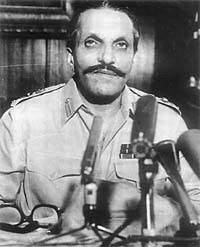
People of my generation are often called ‘Zia’s children’ because we were born during General Ziaul Haq’s era — the darkest period in the history of Pakistan. Military dictatorship is inherently bad for a country but General Zia proved to be a particularly rotten specimen of military dictator. In his article titled ‘Punish the Bahawalpur conspirators’ (Daily Times, September 9, 2009), Ijazul Haq writes, “...he [Zia] was a benign dictator. He ruled not only Pakistanis but also their hearts and minds. He worked very hard for the betterment of his people.”

On the contrary, General Ziaul Haq was undoubtedly one of the most hated men in Pakistan. He only ruled the ‘hearts and minds’ of those who wreaked havoc with the country’s polity. When Mr Ijazul Haq wrote that “ever since his [Zia’s] departure, the country has been in a constant state of crisis”, he should have realised that Zia’s legacy is haunting Pakistan and that is why the country has not been able to get out of the quagmire he left behind even though more than two decades have passed since he died. Pakistan is in this whole mess because of General Zia who stoked sectarianism in Pakistan; who persecuted the Ahmadis to the extent that there was a mass exodus of Ahmadis from Pakistan; who introduced the Blasphemy Law, which to date is misused against the religious minorities; who promulgated the Hudood Ordinance, an outright anti-women legislation. His myopic shot at piety led to the death of the political discourse, cultural diversity and economic potential of this country.

Mehmal Sarfraz is a freelance journalist and Joint Secretary South Asian Women in Media (SAWM). She can be reached at mehmal.s@gmail.com

Read more...

Friday, 13 November 2009

Don't malign Taliban. It's foreign agents who are responsible for terrorism in the guise of Taliban.

The threat within

Ayesha Siddiqa
Friday, 13 Nov, 2009 (Dawn)

A few days ago I came across a letter to the editor in Dawn in which the writer had protested against the use of the word ‘Taliban’ to describe the brutal killers currently terrorising the nation.

In the writer’s view, such people should be termed ‘zaliman’. I thought I would advise the writer to watch more television and read newspapers to get rid of his anger against the Taliban.

Perhaps the writer would have benefited tremendously by watching a programme aired recently on a TV channel in which three distinguished maulanas — including Jamaat-i-Islami leader Fareed Paracha — argued that the Taliban were being needlessly maligned since there was no evidence available to prove that the attacks were being carried out by the Tehrik-i-Taliban Pakistan.


Furthermore, it was said that the TTP’s claiming responsibility for terrorist attacks inside Pakistan did not add up to much since anyone could make those calls just to malign the organisation of non-state militants.

The above interview came a couple of days after the army claimed to have found evidence of India’s involvement in the conflict in Waziristan. Islamabad should take the evidence to the International Court of Justice since it does not hope to get a fair hearing from anyone else in the world, certainly not the US. Since India and America are viewed as being ‘hand-in-glove’, Pakistan cannot afford to share the above information with Washington as New Delhi did in the case of the Mumbai attacks.

The evidence of India’s involvement should be sufficient to put the aforementioned letter writer’s mind at rest. Now we no longer need to search for internal sources of violence.

Since the responsibility of the conflict in the region is now the responsibility of the US followed by India, we need not even look at the fact that Pakistan witnessed about 45 terrorist attacks before 9/11 which many in this country view as the sole cause of strife and bloodshed in the entire region. We can no longer argue that 9/11 just expedited the process of bringing to the surface all those elements or networks that later caused violence in the region.

I would go further and apprise the writer of another crucial fact that technically, there are no home-grown terrorists in Pakistan since there has never been any conviction in a major case of terrorism. The significant names that are associated with extremist terrorist activities such as Haq Nawaz Jhangvi, Riaz Basra and Malik Ishaq of the Sipah-i-Sahaba Pakistan (SSP)/Lashkar-i-Jhangvi (LJ), Qari Saifullah Akhtar of Harkat-ul-Jihad-ul-Islami (HuJI) or Masood Azhar of Jaish-i-Mohammad (JM) and many others are foreign concoctions.

The country’s legal system is such that the onus of proving an individual or organisation’s responsibility in an act of terror lies on the state. So, if the police are unable to bring concrete evidence before the court it is difficult to convict those accused of terrorism by the law-enforcers. Moreover, the legal procedures take so long that the prosecution (being the state) is unable to hold on to witnesses. They either die, are killed or are too scared to give evidence against organisations and individuals with a particular reputation.

Technically, it is but fair to let people go if nothing can be proven against them. This was essentially the position which Pervez Musharraf took for not pursuing action against those who were swapped for the hostages of Indian Airlines flight IC 184 which was hijacked to Kandahar in 1999. Why arrest someone if even the enemy had failed to convict the people after keeping them in jail for so many years?

Hence, it is not surprising that there are hardly any convictions. In a couple of cases where this has happened, as in the case of American journalist Daniel Pearl’s murder, the death sentence has not been carried out.

We now know that Khaled Sheikh Mohammad of Al Qaeda and not Omar Saeed Sheikh committed the murder. Probably, it was in appreciation of Sheikh’s innocence that his jailers in Hyderabad allowed him access to several SIMs and mobile phones that he then used for very naughty activities, which we will not report here as acts of potential terrorism.

One might just wonder about the killings of Shias in the country, which have been going on since the mid-1980s when the SSP was reportedly established to fight the Tehrik-i-Nifaz-i-Fiqh-i-Jafria by the state. We hardly notice that last year there were systematic killings of Shias in Dera Ismail Khan and before that of Shia doctors in Karachi. The killing of Shias in Balochistan by the Taliban also goes unnoticed by the media and the authorities.

Surely one cannot discuss Balochistan at all where there is much more serious evidence of India’s involvement. The maulanas might argue again that sectarian violence in Balochistan is an Indian/American conspiracy.

The person who wrote the letter might decide to respond to this piece and might argue that the behaviour pattern of the Pakistani establishment and the bulk of the people remains the same. We accused the East Pakistanis of being Indian agents and said the civil war was caused by Hindu teachers in collusion with the Indian state. Any signs of India’s involvement very naturally mar our ability to look at other possibilities or threats.

In East Pakistan’s case, for instance, the internal crisis had nothing to do with the unfair treatment of the Bengalis by the West Pakistani civil and military establishment. The only truth about that era was that the Mukti Bahini was trained by Indian intelligence.

We in Pakistan are coming close to a point where we can comfortably forget that we have elements within that want to take over (perhaps not physically) the state in pursuance of their pan-Islamic agenda. The war being fought by Pakistan due to international pressure is what has caused all the violence.

I would like to refer to the golden words of Punjab’s Law Minister Rana Sanaullah in response to the allegation of south Punjab turning into a hub of extremism and terrorism.

The minister felt there was no training taking place in the region and if people were getting recruited to fight in Afghanistan or other places, how could the government stop this. After all, we live in a free country.

Under the circumstances, my only advice to the writer of the letter is that if he begins to feel unsafe vis-à-vis the presence of the ‘zaliman’ within, he/she should build additional bunkers outside the house.

The writer is an independent strategic and political analyst.
ayesha.ibd@gmail.com

Read more...