
Sunday, 30 January 2011
This site has moved
This site has moved to http://criticalppp.com, click this link if you are not redirected
Read more...


Sunday, 29 November 2009
Talat Hussain slaps Shaheen Sehbai and Shahid Masood

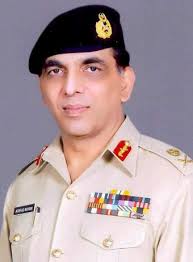

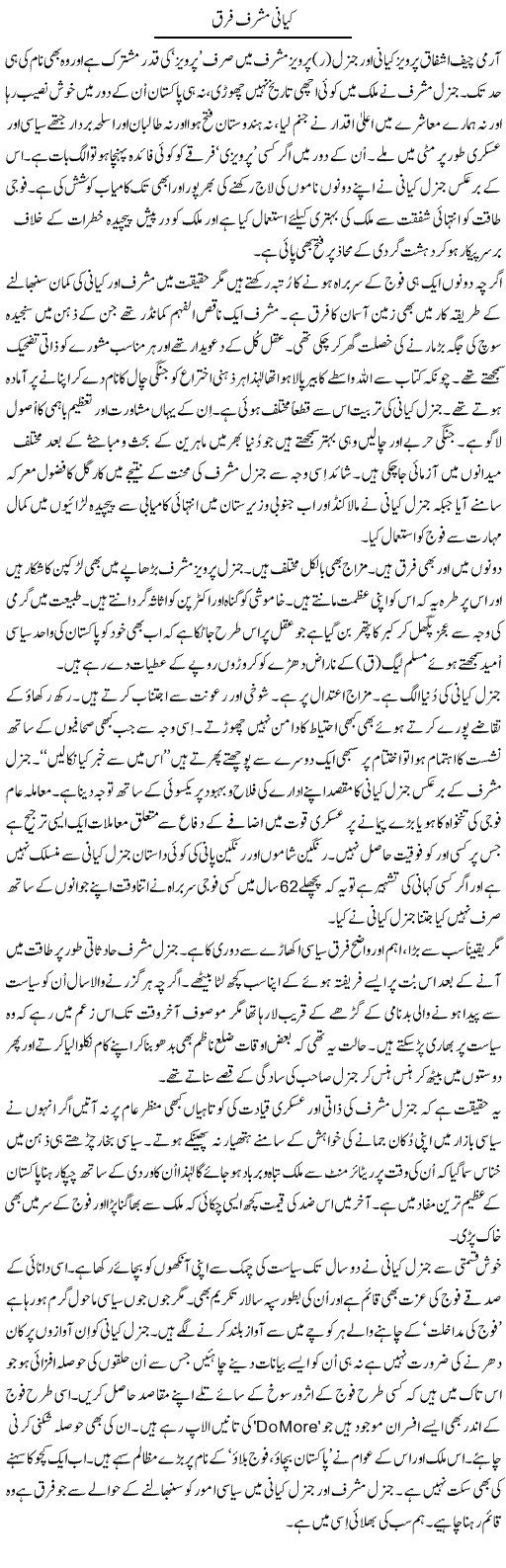
In the following op-ed, Talat Hussain condemns all such elements who are trying to derail democracy in Pakistan by encouraging or supporting military intervention into political affairs of the country. Talat Hussain requests General Kayani to pay no heed to such illegitimate voices.
We at Let us build Pakistan agree with Talat Hussain's analysis, and request Chief Justice Iftikhar Chaudhry to direct police to arrest all such so-called journalists (black sheep in the journalist community) and also their ruthless owners, and award maximum exemplary punishment to them under the Article 6 of Pakistan's constitution.
..
Read more...
Geo TV, reality show and the death of a young Pakistani man.


The show was planned for a large media group in Pakistan (Geo TV); the person's family was never adequately compensated, the media producers were offered an NRO by the Jang Group / Geo TV; and the news of this death was censored by the media mafia in Pakistan.
Here is an excerpt from an op-ed on Pakistani media's ruthless commercial orientation by Bina Shah.
Think ‘American Idol’, ‘The Apprentice’, ‘Fear Factor’: seemingly ordinary people are thrust into highly sensationalised but tightly controlled versions of real life, given ‘challenges’ or ‘tasks’ to overcome, and punished or rewarded for their performance. Audiences at home are invited to vote for the participants, and the result is a complete blurring of the lines between reality and fiction. Contestants may be asked to set up a business in one week, swap families for a month, or eat locusts and cockroaches in order to win a competition for their team. The contestant is a willing participant in his or her own humiliation for prize money, but it’s the advertisers who hand over the real money in this game.
Given how exciting life already is in Pakistan, you’d think we’d be immune to this kind of gimmickry. But our media thinks otherwise. In order to keep up with the worldwide trend and secure the accompanying advertising profits, local channels have begun to produce a slew of reality shows in the last few years, some ridiculous, others simply horrifying.
One example on the worse end of the scale is a show called ‘Living on the Edge,’ which appears on a Pakistani music channel and whose clips are freely available on YouTube. For the not-so-staggering amount of Rs 1,000, young men and women flock to the show’s auditions and beg to be allowed to perform a ‘dare’ while a sociopathic host screams abuse at the would-be contestants, especially women who dare to come dressed in western clothes or speak English. One unfortunate man, in his quest for fame, was filmed pushing a safety pin through his lower lip, while his hapless companion called his mother on air and begged permission to repeat the stunt.
This cringe worthy parade can be seen as mindless entertainment: the sardonic grin of the presenter as he screams ‘Rejected’, the stunned looks of disbelief on the contestants’ faces, the drama of security being called to drag away the troublemakers who can’t accept failure, all overshadow the actual performing of the ‘dare’ itself. But you’ve only got to look at the legions of youngsters desperate for a taste of fame to realise that this is one of the most unhealthy trends in an already sensationalist media with little to no standards of quality, taste, or safety. What exactly does this say about the emotional health of vulnerable young people? Where are the media standards, the watchdogs to make sure that our children are not being exploited by money-hungry producers and advertisers?
And let’s not forget that things can go horribly wrong. Saad Khan, a young Pakistani man took part in a reality show sponsored by a multinational company earlier this summer; he was flown to Thailand for filming what he must have thought would be the opportunity of a lifetime. One of the challenges thought up by the show’s creators was an underwater challenge, where contestants were asked to cross a waist-deep expanse of water while lugging a backpack filled with weights. Unfortunately, the 32-year-old man, a father of four and reputed to be an excellent swimmer, drowned in his attempt to perform the stunt successfully.
Filming was halted while the Thai authorities conducted an investigation; the media company producing the show for the multinational claimed that the stunt was tested, that competitors had signed waivers absolving the media company of all responsibility, and that all the other competitors completed the stunt safely. But the multinational and the mainstream Pakistani media broke their silence over the incident only after pressure from the online community, who asked hard questions about the incident in blog posts and online forums. Still, the multinational only issued a vague corporate statement about ‘rightness’ rather than addressing the questions raised by the young man’s death. Even worse, they have not addressed the legitimacy of reality television as a concept, and why exactly they felt the need to sponsor such a dangerous programme. People need to know the risks of participating in stunts for reality shows, at the very least, and corporate unwillingness to come through with an adequate explanation for their motives and procedures will leave countless others unaware and unprotected.
Where, again, are the media standards, the watchdogs to make sure that lives are not being destroyed by money-hungry producers and advertisers? Where are the people who can give guidance to our youngsters, to show them that there’s a world of difference between being brave for a good cause and risking their lives for no good reason? The young are reckless, and don’t always value their health and their safety, but surely there’s someone out there in the big bad world of media with a conscience who can give them all a much-needed reality check. And take that hideous show with the misogynist presenter who likes to scream at young girls and urge young boys to push safety pins through their lips off the air, please. This is not the kind of entertainment that we Pakistanis really need to see.
binashah@yahoo.com
Source
Read more...
A CJ greeted in Karachi and the events of 12 May 2007
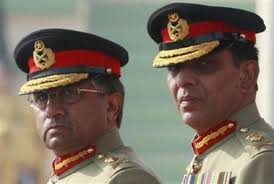

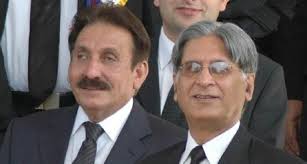
A CJ greeted in Karachi
Guest post by Aal e Hashmat Malik
Just recently, in the last week of November 2009, the Provincial Home Minister of Sindh, Mr Zulfiqar Mirza, announced in a press meeting that his PPP government would launch an inquiry into the events of 12th May 2007 and would like to unveil the real faces behind that utter cruelty.
Let us turn to another page of our forgotten history ……when chaos had gripped the streets ofKarachi on that day. The day when Justice Iftikhar Chaudhry, the then suspended Chief Justice, had landed at Karachi Jinnah International Airport for onward move to Sindh High Court premises to address the Karachi Bar Council. Karachi had witnessed ‘orchestrated mayhem’ wherein about 46 lives were lost, and about 150 were injured, threatening a complete breakdown of law and order in Pakistan's largest and most volatile city.
Referring to UK’s daily The Telegraph’s ‘Pakistan on brink of disaster as Karachi burns’ appearing on 13th May 2007:
‘Karachi With plumes of black smoke billowing over the city of 12 million people, there were extraordinary scenes as gunmen on motorbikes pumped bullets into crowds demonstrating against …………., while police stood by and watched. Bloodstained corpses lay where they had fallen in the streets and bodies piled up in hospital morgues. As the sense of crisis deepened, the military general resolved to send in Pakistan rangers (paramilitary troops) to restore order, and to place the army on standby.
Yesterday's violence erupted as 15,000 police and security forces deployed in the city stood idly by as armed activists from Karachi's ruling party, Muttahida Qaumi Movement (MQM), a coalition ally of Gen Musharraf, blocked Mr Chaudhry's exit from the airport and took control of the city's central district.’,
It was a factual belief that Gen Musharraf had hoped to create a compliant judiciary ahead of elections which he had promised to hold later that year. But what started as a political confrontation then brought up on surface the Karachi's tinderbox of ethnic rivalry.
Referring again to the above quoted article of ‘The Telegraph’;
‘Inside Mr(Justice)Chaudhry's intended destination, Sind's high court, hundreds of lawyers, some of them bloodied after being beaten up by MQM supporters, milled about chanting slogans and receiving news on their mobile phones about the trouble engulfing them. Outside, MQM activists with pistols tucked into their jeans, blocked the entrance.’
The intelligentsia kept a view that Gen Musharraf had purposefully allowed conflicting rallies to go ahead to create the requisite level of disorder to justify the declaration of an emergency or Martial law. The prelude to violence was familiar to Karachi, where hundreds of people were killed in ethnic violence in the 1990s but first time in Pakistan live television cameras captured the situation for viewers to see government tankers used to block off routes to the airport, police and rangers conspicuous by their absence or standing idle as armed men ran amok on the streets of Karachi, corpses and wounded bodies lying by the wayside in pools of blood.
The security plans chalked out for that day were abandoned overnight. The Sindh home department withdrew the weapons of most law enforcement personnel in Karachi. Armed only with batons, the 15,000 policemen deployed in the city avoided the violent areas. Rangers who were to hold key positions on the ‘flyovers’ on the main airport road were nowhere in sight. Instead, armed men in civilian clothes held those posts, and fired into the crowds trying to reach the airport to receive the Chief Justice stranded inside.
Over at the Sindh High Court, as a lawyer Ayesha Tammy Haq witnessed, at about 5 PM the things were getting worse. Judges were not leaving the premises as there would be a rampage. City courts were being attacked. The lawyers were expecting to have army rule in Karachi. Later it transpired that:
‘…. it was a part of “the political activity” of a political party attempting to show its strength to its constituency and of course a loyalty show to see and feel by Gen Musharraf too.’
‘Not only was the Sindh High Court under virtual siege by armed activists, but lawyers attempting enter the Court were repeatedly beaten and roughed up. The armed activists did not even spare the Judges of the High Court. One judge was held at gun point and his car damaged. “While holding me at gun point, the youth called someone and stated ‘Yeh bolta hai kay High Court ka judge hai...kya karun is ka?...achaa theek hai, phir janay daita houn.’ (He says he’s a judge of the High Court. What should I do with him? Ok then, will let him go).” Many judges, unable to drive to the Sindh High Court, had to leave their official ’flag’ cars and make their way through menacing crowds and climb over the court’s back wall in order to reach their chambers.’
(Ref: an interview with Talat Hussain, Aaj TV, 18th May 2007)
[Munir A. Malik and his fellow 24 lawyers accompanying Justice Choudhry from Islamabad to Karachi were forced to remain inside the airport. The Sindh government representatives offered to transport the Chief Justice by helicopter but this offer was for him alone. Since the lawyers with him had already foiled the attempts of ‘two uniformed officers’ to ‘snatch the CJP and take him from the other side,’ he refused.]
(‘Story at the airport’, The News,20th May, 2007)
Armed men attacked lawyers at Malir District Bar, Justice Choudhry’s scheduled first stop in Karachi, killing a lawyer and injuring several others, including female lawyers. Justice Choudhry and his team, of course, were ‘externed’ to Islamabad after arguing and struggling for several hours at the airport. Late that night, residents in the low-income Ranchore Lines mohalla were awakened by loud banging on their doors. One resident narrated that it was two young boys distributing freshly cooked biryani and suji in plastic bags: “Yeh chief justice ki wapsi ki khushi mein hai” (This is to celebrate the Chief Justice’s return [to Islamabad]).
Another account can be seen here:
On the Karachi streets, Uzi’s press card had saved her again at around 05:00 p.m. as she and a colleague tried to reach the Rangers Headquarters in Dawood College. “A car chockfull of ammunition passed in front of us, stopped, backed up and stopped in front of us, Kalashnikovs pointing at the two of us from the windows. We showed our press cards and the car moved on. NEVER in my LIFE have I felt more grateful to my press card than I did yesterday.”
At around 06:00 p.m., she and her colleague were trapped by gunshots all around. “Short of climbing the walls and entering one of the houses around, there really was no other place for us to go.” They stopped a police mobile and asked which way would be safe to go. The answer, accompanied by laughter: “You can be killed wherever you go. Choose your place.”
(Ref: Eyewitness: Karachi 12th May 2007 by Beena Sarwar published in www.Chowk.comdated 30th May 2007)
In published reports, journalists prudently avoided naming the parties involved.
‘Young men toting flags and banners had set up camp outside the airport departure lounge. They hid, however, when policemen came by. Reporters in the vicinity were asked whether they had seen any political activists around. Munawar Pirzada (from Daily Times) said that he had seen some nearby. After the policemen had left, the activists came up to the reporter, dragged him by the hair and took him aside. They then proceeded to threaten him with dire consequences if he said anything the next time the policemen came around.’
(by Urooj Zia in Daily Times, 14th May 2007).
But the affiliation of these gangs was visible in the live coverage provided by several private television channels, which showed plainclothes men brandishing weapons on the deserted roads, using government tankers as cover, exchanging gunfire with unseen opponents, the tri-colour MQM flag visible on their motorcycles.
After Aaj TV’s continuous live coverage of such scenes, armed men attacked the television station, firing at it for several hours. Instead of stopping the coverage, Aaj showed live footage of reporters ducking behind a desk, shots being fired at their office, as anchor Talat Hussain provided an account of the situation on phone. Reporters in the area asked the Rangers posted nearby to help the Aaj workers trapped inside their building. The answer: ‘We’re helpless. We can’t do anything unless we have orders from above.’
Another eye-opening narration:
‘The local media received a call from a hospital, apparently sent by a doctor who had been at work for several hours attending to multiple gunshot wounded victims in his hospital lobby, where a makeshift emergency room had been set up. Nothing but he told: ‘struck down my soul more than what nine fully armed workers of a ‘local political party’ along with 2 sector office bearers did. They tried to drag out a wounded and dying body of a ‘poor politico-religeous worker’ (whose identity they later learnt) for presumably finishing him off.’ The protesting doctors were slapped around and dragged by their legs to the back of the gurney alley. With shotguns, pistols and ak-47’s in hand, the men ran back to the lobby presumably to find their target again.
The doctor ran out to the rangers and police near the hospital front gate. Their answer to his appeal: ‘Jaante ho inn logon ko phir bhi kyon larte ho…hamain upar se order hai ke inn ko char baje tak karne do jo karna hai. Char baje ke baad kuch dekhainge’ (When you know who these people are why do you still fight them … we have orders from above to let them do whatever they want until 4pm. After 4pm we will see).
As a previous party supporter, the doctor had recognized some of the assailants and called a friend related to their deputy leader Farooq Sattar. Five minutes later the men received a phone call and left, threatening the doctors (and stealing one of their cell phones, “Chikna set hai” -- it’s a cool set). “The guy they had come looking for had been shot one more time in the head. The o.t dress we had dressed him in 10 mins earlier was freshly bloody.’
(Ref: www.karachi.metblogs.com/archives/2007)
There was a story behind each of those who were killed, some belonging to one or other political party, and others just because they were there. Masked men stopped ambulances and sprayed them with bullets, killing an Edhi Ambulance driver, Faizur Rahman Khan, 65, when he refused to throw out a wounded person he was transporting to hospital from near the airport; the wounded man was also shot again. Armed gangs herded passers-by into an alley and shot dead a young overlock machine operator along with another man, in front of two colleagues who were also shot but survived to tell the television source.
As per written facts in ‘They shot us one by one...’ by Munawar Pirzada in dailytimes.com.pk, there have been reports about an SHO who guided a procession into an ambush and a pregnant woman who had to deliver her baby in the car when armed men refused to let her proceed to the hospital with her husband. The Pakistan Press Foundation (PPF) reported that several journalists were manhandled and nine wounded. Some TV cameramen were beaten and their cameras snatched or damaged.
Zaffar Abbas was correct when he wrote that Karachi was only at peace for the past many years because it suited its militants; and ‘Finger pointing’ is necessary, because throughout our history, instead of a catharsis, we simply go through a ‘jo ho gaya ab bhool jaao, aagay daikho’ (forget what has happened) attitude. Already, with the President’s pat on the back at the emergency meeting of the ruling party in Islamabad (on Monday) the MQM is back on the front foot…
Although it is unlikely that the perpetrators of Saturday’s violence will ever be brought to justice, at least they should continue to be exposed before the entire country. More importantly, they should face the consequence of such exposure. Public image is very important to the MQM and the national outrage at their conduct may be the best prospect of compelling them to change their ways’.
(Ref: ’Back to the future?’ Published in Daily Dawn of 14th May 2007)
Later Gen Musharraf was in the Chief Minister House Karachi to review the law and order situation following 12th May carnage. At this occasion a Provincial Minister Irfanullah Marwat (from Pakhtun Community) asked Gen Musharraf to order an inquiry into who had opened fire, arrest the culprits and take action against the elements responsible. The minister stressed the people would not be satisfied till the arrest of the elements responsible and strong action against them. The Pakhtun Action Committee Chief Shahi Syed stated on the occasion that all it was due to Adviser to the CM on Home Affairs Waseem Akhtar.
Gen Musharraf heard it and that’s all; military people find it hard to say sorry.
Coming back to our original, Mr Z Mirza, the Sindh Home Minister, was probably pointing out towards this core issue on the basis of his personal knowledge being a staunch political worker of the PPP and may be depending upon the reports of western press as quoted above. Being a Home Minister he had definitely got access to the secret ‘Special Branch’ reports of the Sindh police and floated his wish of conducting this enquiry at such belated stage so vigorously and in a robust manner.
Whether MQM was involved in that whole scenario or not because still it is a subject of detailed enquiry based on solid evidence but one thing is clear that the master mind behind that episode was Gen Musharraf himself, who had claimed those killings as ‘his success and show of power’ in an open jalsa held, organized and patronized by ML(Q) at
Islamabad on the same evening of 12th May 2007.
Would somebody from judiciary or executive dare to hold Gen Musharraf accountable on this issue, too.
(Aal e Hashmat)
Aalehashmat@Hotmail.com
Coming back to our original, Mr Z Mirza, the Sindh Home Minister, was probably pointing out towards this core issue on the basis of his personal knowledge being a staunch political worker of the PPP and may be depending upon the reports of western press as quoted above. Being a Home Minister he had definitely got access to the secret ‘Special Branch’ reports of the Sindh police and floated his wish of conducting this enquiry at such belated stage so vigorously and in a robust manner.
Whether MQM was involved in that whole scenario or not because still it is a subject of detailed enquiry based on solid evidence but one thing is clear that the master mind behind that episode was Gen Musharraf himself, who had claimed those killings as ‘his success and show of power’ in an open jalsa held, organized and patronized by ML(Q) at
Islamabad on the same evening of 12th May 2007.
Would somebody from judiciary or executive dare to hold Gen Musharraf accountable on this issue, too.
(Aal e Hashmat)
Aalehashmat@Hotmail.com
Read more...
Dr Shahid Masood: Theft, Slander, Lies and Phobia, all in one - An analysis by Qais Anwar
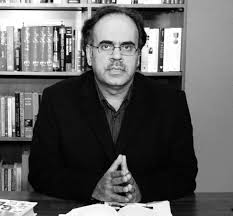


I wrote the following article for LUBP (Let us build Pakistan) but , after watching the yesterday's Meray Mutabiq, I could not stop myself from posting it on [another website]. ..... now more and more right wingers are mentioning LUBP on the TV. A few days ago I saw Irfan Siddiqui mentioning it. [Here is an analysis of Dr Shahid Masood's journalism.]
شاہد مسعود ۔۔۔ سرقہ ؛ دشنام طرازی؛ دروغ گوءی؛ اور جاوے ای جاوے کا مرض
خاموش فلموں کا دور شروع ہوا تو خوبصورت چہرہ اور خوبصورت آواز دونوں ہی پردہ سکرین پر آنے کا معیار بن گءیں ۔ سریلی آواز سے محروم خوبصورت چہرے اس وقت تک انڈسٹری میں
جگہ بنانے سے محروم رہے جب تک پس منظر گانے کا رواج شروع نہ ہوا۔ ہاں مکالمہ نگار شروع سے ہی مختلف تھا۔ اداکار کا کمال یہ ہوتا تھا کہ سب یہ سمجھیں کہ گانے کی آواز بھی اس کی ہے؛ مکا لمہ بھی اس کا اور اداءیگی بھی اسکی۔ ہاں ٹا ءیٹل پر ہمیشہ اصل لوگوں کے نام لکھےجاتے۔ ٹی وی شروع ہوا تو یہ روایت برقرار رہی۔ٹاءیٹل پر مسودہ لکھنے والے ؛ ہدایت کار سمیت سب کے نام آتے رہے ۔ ہاں کبھی کبھی یہ بھی ہواکہ خبط عظمت میں مبتلا لوگ دوسروں سے لکھوا کر اپنےنام سے پیش کرلیتے ۔ ہمارے شاہد مسعود کو بھی شوق تھا کہ وہ خوبصورت لفظ استعمال کریں ۔یہ سچاءی کہ وہ کس کے لفظ بولتے ہیں اس وقت تک لوگوں سے مخفی رہی جب تک انہوں نے اپنے ایک پروگرام کے ابتداءیے میں عرفان صدیقی کا وہ کالم نہیں پڑھ دیا جو ایک دن پہلے نواءے وقت میں چھپ چکا تھا یا پھرجب تک موصوف نے خود ہی کالم نگاری پر طبع آزماءی نہ شروع کر دی۔ پہلے پہل یہ وہ کالم ہی تھے جو ان کی اصل ذہنیت کو سب کے سامنے لے آءے ۔ پاکستانی صحافت کی تاریخ میں سب سے زیادہ گھٹیا پن تک اترنے کا سابقہ اعزازروزنامہ سیاست کو حاصل تھا جو اس حد تک پہنچ جاتا تھا کہ موت کی کوٹھری میں بند ذولفقار علی بھٹو کے لیے ’پاگل ہو گیا’ جیسی شہ سرخیاں لگایا کرتاتھا ۔
لفظوں کے سرقے کے ساتھ ساتھ شاہد مسعود دروغ گوءی کو اس حد تک لے گءے کہ پیشہ صحافت سے وابستہ لوگوں نے بھی اس پر کراہت کا اظہار کرنا شروع کردیا۔ ابھی یہ پچھلے سال ہی کی بات ہے کہ انہوں نے جیو کے پروگرام جواب دہ میں یہ دعوی کیا کہ ڈاکٹر عشرت العباد ان کے ہم جماعت ہیں ۔ اس کا کامران خان نے یہ کہہ کر بھانڈا پھوڑ دیا کہ وہ ہم جماعت تو کیا ہم مکتب بھی نہیں رہے۔
جنرل پرویز مشرف کے استعفی کے ایک دن بعد شاہد مسعود نے رخصتی کے نام سے ایک کالم لکھا جس میں فرمایا’یہ انتہاءی مشکل تقریر تھی جس کا انتظام ایوان صدر میں صدارتی آفس سے ملحقہ کمیٹی روم میں کیا گیا تھا ۔ ایوان صدر میں صدر کے ذاتی عملے کے علاوہ صحافیوں میں صرف میں ہی وہاں موجود تھا ۔۔۔۔۔۔تقریر مکمل کرنے کے بعد صدر میری جانب بڑھے اور اور میں نے گزرے ہفتے میں دوسری بار تھینکس شاہد کے الفاظ سنے۔ تقریر کے بعد صدر مکمل طور پر ریلیکس ہو گءیےتھے ۔ جب یہاں مہمانوں کے لیے چاءے آءی تو ان کے دل گرفتہ سٹاف نے چاءے پینے سے معزرت چاہی تو صدر مشرف نے ان سے کہا کہ وہ چاءے پیءیں اور صدر نے خود بھی یہاں سب کے ساتھ چاءے پی۔ ’ شاہد مسعود کے اس کالم میں بیان کردہ واقعات کی مختلف ذراءع نے فوری طور پر تردید کر دی ۔ لیکن اس میں سب سے اہم تردید سماء ٹی وی کے حسن کاظمی کی تھی جو انہوں نے جنگ گروپ کو ایک ای میل کے ذریعے بھیجی۔ ان کے مطابق ڈاکٹر شاہد مسعود تو سرے سے وہاں موجود ہی نہیں تھے ۔میں (حسن کاظمی)وہاں اپنی میزبان عظمی الکریم کے ساتھ تھا ۔۔۔اور میرے پروڈیوسر عدیل احمد بھی وہاں موجود تھے ۔تقریر صدر کے دفتر سے نشر کی گءی تھی نہ کہ کمیٹی روم سے ۔۔۔۔۔ صدر نے میری ہم کار عظمی الکریم سے ہاتھ ملایا ۔ پھر میرے پروڈیوسر عدیل احمد اور معین خان کے ساتھ ۔۔۔۔اس وقت ان کے دفتر میں بالکل چاءے نہیں پیش کی گءی ۔۔۔۔
شاہد مسعود کی ذہنی ساخت کو سمجھنے کے لیے ان کے اسی کالم کے ان الفاظ کو دیکھنا بہت ضروری ہے ’ گزرے آٹھ برسوں میں میری گفتگو اور تجزہوں کا بنیادی ہدف ہی صدر مشرف کی پالیسیاں رہیں اور میں گیارہ ستمبر کے بعد ان کے لاءحہ عمل سے لے کر نومبر ۲۰۰۷ءکے ماوراءے آءین اقدامات تک ۔ تنقید کے ڈونگرے بساتا رہا اک عجب احساس یہ تھا کہ اب وہ ہدف اپنی جگہ سے ہٹ رہا ہے جو میرے مد مقابل رہا اور نءے اہداف کا تعین اب میرے مجھ جیسے تجزیہ نگاروں کے لیے فوری دشوار ہو گا ایک خلا ء کا احساس ۔۔۔۔۔۔۔۔۔’شاہد مسعود کا یہ نکتہ بہت اہم ہے کہ جنرل مشرف کے دور میں الیکٹرا نک میڈیا کی آمد کے ساتھ ہی جاوے ای جاوے کے نعروں کی گونج میں تجزیہ نگاروں کی ایک بڑی کھیپ وجود میں آءی ۔ ان میں سے بہت سوں نے آمر کے غیر اخلاقی اقدامات کا غیر اخلاقی اقدامات سے مقابلہ اپنے تجزیوں کا حصہ بنا لیا۔منافع کی تلاش میں اپنے ناظرین کی تعداد میں اضافے کا خواہش مند میڈیا اس طرح کے تجزیوں کو جگہ دینے کے لیے بالکل تیار تھا۔اس ماحول میں جہاں صالح ظافر جیسے لوگ جنرل مشرف کی ہاوس اریسٹ کی خبریں تک چلا دیتے تھے شاہد مسعود جیسے دروغ گوءی کے عادی کے لیے خاصی جگہ موجود تھی۔ نءی حکومت بننے کے بعد ان لوگوں کو اہم مناسب پر فاءز کرنے کی بجاءے زیادہ ضروری تھا کہ ہدف کے متلاشی شاہد مسعود جیسوں کی نو سازی پر توجہ دی جاءے ۔
rehabilitation = نو سازی
شیری رحمان شاید یہ کام کر لیتں لیکن شاہد مسعود کو پی ٹی وی کا چءیر پرسن بنا دیا گیا ۔ راوی بتا تا ہے کہ شاہد مسعود ذرداری صاحب کی پبلک ریلیشننگ کا کام بڑھ چڑھ کر نبھا رہے تھے لیکن شیری اور شاہد کی باہمی مسابقت شاہد مسعود کی شکست پر منتج ہوءی ۔ ذرداری نے شاہد مسعود کو نہیں بچا یا اور یوں شاہد مسعود کو وہ ہدف مل گیا جس کی اسے تلاش تھی۔
ہدف کی طرف بڑھتے بڑھتے شاہد مسعود پستی کی اس دلدل میں اتر گءے جس کی انتہا ان کے کالم جءے بھٹو کی شکل میں ظاہر ہوءی۔بہت سے لوگ اس کالم کا جواب دے چکے ہیں اس لیے میں یہاں اس کالم کا صرف ایک پہلو درج کرنے پر اکتفا کروں گا
اس کالم میں شاہد مسعود نے یہ بھی ثابت کرنے کی کوشش کی کہ محترمہ اپنے بچوں کو آصف زرداری سے بچا کر رکھتی تھیں اور ان کے طویل عرصہ تک جیل میں رہنے پر خوش تھیں ۔۔۔۔۔۔۔ دنیا کی بہترین درس گا ہوں سے فا رغ التحصیل خاتون یقینی طور پر اپنی اگلی نسل کو اس ذہنیت سے محفوظ رکھنا چاہتی تھی جو کسی سینما کے باہر ٹکٹ بلیک میلنگ کرکے یا ڈسکو کلبوں میں مار پیٹ وغیرہ میں ملوث ہو کر پیدا ہو جاتی ہے اور تبھی جب محترمہ کو اس حقیقیت کا اندازہ ہوا کہ ان کی وہ اولاد جو برس ہا برس سے۔۔۔اس کردار سے دور رہنے کے بعد خوش قسمتی سے اس کے اثرات سے محفوظ اپنے ذہنوں میں اس کے بارے میں ۔۔۔اچھے خواب بنے بیٹھی ہے……۔ خاوند اور بیوی کے تعلق اور باپ اور اولاد کے رشتے پر اس طرح کا تبصرہ صرف شاہد مسعود ہی کر سکتے ہیں۔
اور اب اٹھاءیس نومبر 2009 کا میرے مطابق ۔ جاوے ای جاوے کا مرض عروج پر ہے؛ شاہین صہباءی ؛ انصار عباسی اور اکرم شیخ دروغ گوءی اور دشنام طرازی میں مصروف ہیں ۔ ہاں اب تیا ری عدالتوں اور حکومت کے درمیان جھگڑا کرانے کی ہے۔ وہ شاہد مسعود جو پیلز پارٹی کے کا رکنوں کو گمراہ کرنے کے لیے خود کو بی بی کا ہمدرد ظاہر کرتے ہیں آصف زرداری کی دشمنی میں بی بی کے سخت ذاتی دشمن ڈاکٹر مبشر حسن کو میدان میں لے آءے ہیں
Read more...
Announcement: Pakistan Ignoble Award for Journalism (PIAJ)

We would like our readers and visitors to offer their nominations for the Pakistan Ignoble Award for Journalism (PIAJ). In your comments below, please provide the following:
1. Name of the nominee
2. Your justification for his/her nomination in no more than 4 sentences (about 100 words).
Read more...
Saturday, 28 November 2009
Message of President Asif Ali Zardari on the eve of Eid ul Azha


"My dear countrymen!
Assalam Alaikum wa Rehmatullah Barakat-o-hu,
I congratulate the nation on the blessed event of Eid ul Azha and pray that may Allah Almighty protect them and grant happiness in this world and hereafter.
Eid ul Azha is observed in remembrance of great gesture of obeyance by Hazrat Ibrahim (Peace be upon him) before Allah Almighty and the exemplary compliance of Hazrat Ismail (Peace be upon him).
Our beloved Prophet Hazrat Muhammad (Peace be upon him) declared this sacrifice as 'Sunnat-e-Ibrahimi' and regarded it 'Wajib' on every affluent person as a permanent worship.
My dear people,
The 'Sacrifice' develops a sense of devotedness, courage and submission to seek blessings of Allah Almighty. Sacrificing different animals is a symbol of our pledge to be ready to give
every kind of sacrifice for Allah Almighty. It develops 'Taqwa' (piety), which should be the objective of life to attain success in the world and hereafter.
Today the country is facing many problems. The menace of terrorism and extremism is weakening the country. To resolve these issues, there is a need to follow the spirit of sacrifice,
brotherhood and fraternity, peace and harmony, love and affection, as these elements are required in these circumstances more than ever.
Islam is a religion of peace. We need to follow it, not only by ourselves but also to promote its message throughout the world besides waging 'Jehad' against poverty, destitution and
unemployment.
May Allah Almighty protect and guide us all. Amen.
Assalam Alaikum wa Rehmatullah Barakat-o-hu,
I congratulate the nation on the blessed event of Eid ul Azha and pray that may Allah Almighty protect them and grant happiness in this world and hereafter.
Eid ul Azha is observed in remembrance of great gesture of obeyance by Hazrat Ibrahim (Peace be upon him) before Allah Almighty and the exemplary compliance of Hazrat Ismail (Peace be upon him).
Our beloved Prophet Hazrat Muhammad (Peace be upon him) declared this sacrifice as 'Sunnat-e-Ibrahimi' and regarded it 'Wajib' on every affluent person as a permanent worship.
My dear people,
The 'Sacrifice' develops a sense of devotedness, courage and submission to seek blessings of Allah Almighty. Sacrificing different animals is a symbol of our pledge to be ready to give
every kind of sacrifice for Allah Almighty. It develops 'Taqwa' (piety), which should be the objective of life to attain success in the world and hereafter.
Today the country is facing many problems. The menace of terrorism and extremism is weakening the country. To resolve these issues, there is a need to follow the spirit of sacrifice,
brotherhood and fraternity, peace and harmony, love and affection, as these elements are required in these circumstances more than ever.
Islam is a religion of peace. We need to follow it, not only by ourselves but also to promote its message throughout the world besides waging 'Jehad' against poverty, destitution and
unemployment.
May Allah Almighty protect and guide us all. Amen.
Pakistan Paindabad"
Read more...
Above the law: Can anyone hold this child of Islamofascism accountable?
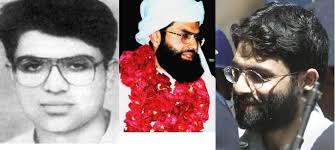
By Azaz Syed
Thursday, 26 Nov, 2009
ISLAMABAD: Omar Saeed Sheikh, a detained Pakistani militant, had made hoax calls to President Asif Ali Zardari and the Chief of Army Staff, Gen Ashfaq Parvez Kayani, in a bid to heighten Pakistan-India tensions after last year’s terrorist attacks on Mumbai, investigators have told Dawn.
‘Omar Saeed Sheikh was the hoax caller. It was he who threatened the civilian and military leaderships of Pakistan over telephone. And he did so from inside Hyderabad jail,’ investigators said.
The controversy came to light after Dawn broke the story, exactly one year ago, that a hoax caller claiming to be then Indian foreign minister Pranab Mukherjee was making threatening calls to President Zardari.
It was on the night of Nov 26 last year that Saadia Omar, Omar Sheikh’s wife, informed him about the carnage in Mumbai. The sources said that the information was passed on to Omar in Hyderabad jail through his mobile phone, which he was secretly using without the knowledge of the administration.
All but one of the attackers who India alleged were Lashkar-i-Taiba terrorists were shot dead by security personnel.
Saadia kept updating Omar about the massacre through the night and small hours of the morning. On the night of Nov 28, when the authorities had regained control over the better part of the city, Omar Saeed, using a UK-registered mobile SIM, made a phone call to Indian External Affairs Minister Pranab Mukherjee.
He told an operator handling Mr Mukherjee’s calls that he was the President of Pakistan.
Indian officials started verification as part of security precautions and, after some time, the operator informed Omar Saeed (who was posing to be Pakistan’s president) that the foreign minister would get in touch with him soon. Omar now made a call to President Asif Ali Zardari and then the Chief of Army Staff.
He also made an attempt to talk to the US secretary of state, but security checks barred his way.
The presidency swung into action soon after Mr Zardari’s conversation with the adventurous militant.
President Zardari first spoke to Prime Minister Gilani and informed him about the happenings. He also took Interior Minister Rehman Malik into the loop.
In Rawalpindi, Gen Kayani immediately spoke to the chief of the Inter Services Intelligence, Lt- Gen Ahmed Shuja Pasha.
According to sources, not only President Asif Zardari was taken in by Omar’s audacity but the COAS was also baffled by his cheekiness.
Gen Kayani, sharing his thoughts with close associates, said he had been bewildered by the caller’s threatening tone.
But Maj Gen Athar Abbas, the military spokesman, finds the report unbelievable. ‘I am not his (Army chief’s) operator. I don’t know who puts calls through to him, but I think this can’t be true,’ said an incredulous Athar Abbas.
Interestingly, when Omar Saeed Sheikh was making these hoax calls, the Lashkar-i-Taiba (LET) chief was also in Karachi, but it is not known whether Omar Saeed was acting under the guidance of Zakiur Rehman Lakhvi or on his own.
INVESTIGATIONS: On the other hand, investigators got into the act without wasting time, coming up with their findings within hours.
Their conclusion was that the phone call which came from the Indian external affairs ministry was actually their (Indians’) check.
They said the calls to President Zardari and the army chief were made from a Britain-registered SIM.
Gen (retired) Pervez Musharraf, in his autobiography, had alleged that Omar Saeed was an agent of MI6, the British intelligence agency.
The very next morning, Nov 29, Hyderabad jail was raided by intelligence agencies and over a dozen SIMs were recovered along with two mobile sets. Majid Siddiqui, the jail superintendent, was suspended.
‘I don’t know much but it is true that some mobile SIMs and mobile sets were recovered from Omar Saeed Sheikh when he was in Hyderabad jail.
I got him transferred to Karachi jail because that is a far better place for such high-profile terrorists,’ Allauddin Abbasi, DIG Prisons, Hyderabad, told Dawn over phone.
The authorities had a word with Saadia Omar too. She was advised to ‘control’ herself. The matter was then placed in the files of secret agencies marked as ‘secret’.
The Federal Investigation Agency never interrogated Omar Saeed about the Mumbai attacks. Dawn’s efforts for getting the viewpoint of Tariq Khosa , the FIA chief, drew a blank.
HIGH PROFILE: Omar, currently confined in a high security cell of Karachi Jail, has a long record of militancy, from kidnapping foreigners in Mumbai in 1994 to kidnapping Daniel Pearl in Jan 2002.
Omar Saeed Sheikh was freed by India in Dec 1999 as part of a deal that saw New Delhi agreeing to release a number of militant leaders in exchange for the freedom of hostages on board an India plane hijacked to Kabul.
Soon after his release from Indian captivity, Omar Saeed developed close relations with the LET leadership, including Zakiur Rehman Lakhwi.
He was invited to a training camp in Muzaffarabad, the capital of Azad Kashmir, where he spent a couple of days delivering lectures to recruits.
Sources said Lakhwi wanted Omar to join LET and give the organisation an international face. In Feb 2002, Omar was arrested for the murder of US journalist Daniel Pearl.
Read more...
Friday, 27 November 2009
President Zardari asks party leaders, workers not to forget terrorism affected people
By Jarri Mirza
"The martyrs of terrorism and the people displaced due to the fight against militancy in Swat and Waziristan have sacrificed their today for the future of country and nation and the nation stands by them in this hour of distress", Zardari said.
He advised the party-men including the Ministers, MNAs and other party leaders and workers to visit the bereaved families affected by terrorism and militancy on this auspicious occasion.
"We must remember and extend every possible help to those courageous and honorable fellow countrymen, who sacrificed their lives or suffered for the sake of the country and nation".
The PPP Co-Chairman also praised the courage and patriotism of those who laid down their lives, those who lost their dear and near ones and those who suffered in many other ways in this war against terrorism and militancy.
Read more...


ISLAMABAD, Nov 27 (APP): Co-Chairman PPP Asif Ali Zardari has advised the party leaders and workers not to forget the people affected and displaced by terrorism and militancy and include them in the celebrations of Eid-ul-Azha.
"The martyrs of terrorism and the people displaced due to the fight against militancy in Swat and Waziristan have sacrificed their today for the future of country and nation and the nation stands by them in this hour of distress", Zardari said.
He advised the party-men including the Ministers, MNAs and other party leaders and workers to visit the bereaved families affected by terrorism and militancy on this auspicious occasion.
"We must remember and extend every possible help to those courageous and honorable fellow countrymen, who sacrificed their lives or suffered for the sake of the country and nation".
The PPP Co-Chairman also praised the courage and patriotism of those who laid down their lives, those who lost their dear and near ones and those who suffered in many other ways in this war against terrorism and militancy.
Read more...
Chargesheet against government - Part I
By: Humza Ikram
 SUSPECT.................................................Fehmida Mirza
ALLEGATION. ...................................... First woman speaker of Asia and the Muslim world.
CRIME ..................................................(i) Conducting in-camera briefings on national security, where top army and intelligence agencies brief people's representatives about security situation. (ii) Allowing parliamentary opposition to hold chairmanship of major committees including chairmanship of public accounts committee.
(iii) Creating two of the most important parlimentary committees
(a). Defence Committee which was formed after the inn-camera session on national security.
(b). Constitutional Amendment Committee where every party including Baluchistan's nationalist parties have a representation.
(iv) Allowing private member bills to table in the parliment .(Duniya Aziz Private member bill).
.
 SUSPECT.................................................Hina Rabbani Khar
ALLEGATION........................................First woman in Pakistan to announce national budget in the parliment.
Crime....................................................(i). PM nominated her as focal person regarding IDP's relief operation. 3 million IDP's got 25000 each through debit cards. (ii) Co-chaired FODP ministrial level summit in Istanbul.
 SUSPECT.................................................Shabaz Bhatti
ALLEGATION.........................................Ready to die for religious freedom.
CRIME..................................................... (i) Accepted an international medal for championing the rights of minorities in Pakistan.
(ii) Wants to revisit blasphemy laws.
 SUSPECT.................................................FARZANA RAJA
ALLEGATION........................................Active participation in popular politics.
CRIME.........................................(i). Pleaded her case in the federal cabinet to get biggest chunk of funds from social sector development for Benazir Income Support Programme (BISP. (ii) She is seen distributing BISP forms among poor woman from Khyber to Karachi , Gilgit to Quetta ,and from Attock to Multan.
Other Major Crimes
 SUSPECT.................................................Dr SABA GUL KHATTAK
ALLEGATION......................................... She is the first person from NWFP who is appointed as a member of planning commission.
CRIME....................................................she has a history of fighting for the rights of woman and refugees, and the defiance of child labour .
 SUSPECT.................................................Fakhar Zaman
ALLEGATION.....................................He has been appointed as Chairman of Pakistan Academy of Letters. Instead of having Islmao-fascists ideas, he inclined towards just distribution of resources (communism and socialism). He is an admirer of Zufiqar Ali Bhutto; went to jail with him; His five books were banned during Zia's regime.he is chairman of world punjabi congress. His books are equally popluar in Indian Punjab. He wants to spread Sufism!
Crimes................................................(i) starting an annual awards for writer and poets.
(ii) organizing Sufi Conference.
 SUSPECT..........................................Justice Retd Rana Bhagwandas
ALLEGATION.................................First non-muslim to be appointed as chairman of FPSC.
Read more...
PML-N's fact sheet on corrupion of our saviours in Pakistan Army

In the words Aal-e-Hashmat, there are certain innocent questions which beg answers :
· Why the flag-bearers of NRO scenario are blind towards this aspect of institutionalized corruption in Pakistan.
· Why only politicians and bureaucrats should be punished under NAB ordinance and not the army officials.
· Why the Parliament never thought of causing an amendment in the Army Act if the Generals cannot be investigated by NAB and cannot be tried in ordinary courts.
· Have any President of Pakistan, being Supreme Commander of forces, ever bothered to gather the statistics of inquiries or court martials conducted in connection with corrupt army officers and their organizations.
· Have the Supreme Court of Pakistan ever thought of initiating a suo moto action over any financial scam involving army generals.
· Have any Bar Association ever thought of moving a petition before the Supreme Court to bring corrupt army generals in the ambit of ‘equal citizenship’ given in the Constitution of Pakistan.
· Have any prominent anchor of media like Kashif Abbassi, Hamid Mir, Dr Shahid, Mazhar Abbas and Talat Hussain ever tried to float an opinion inviting discussions and comments of intelligentsia over the issue that if politicians and bureaucrats are being dragged in the streets of public consent then the generals should also be treated at par.
Let us hope that the Supreme Court steps forward to provide justice on the basis of equal basic rights for all and no citizen of Pakistan or institution be declared as ‘sacred cow’ now.
FACT SHEET
Track Record of Musharraf Regime
Released by Muhammad Siddique-ul-Farooque Central Information Secretary
Pakistan Muslim League (Nawaz) at a press conference on Sunday , October 06,2002.
The government of General Pervez Musharraf, which forced its way into power on October 12, 1999, has completed the tenure allowed to it by the Supreme Court under the controversial Rule of Necessity. It is time that the people of Pakistan take stock of the three-years performance of this regime, and decide through ballot whether they would like their elected government to continue the policies and mode of government introduced and practiced by the military rulers, or they want a government more open, more competent, more efficient, more sincere, more answerable and more responsive to the needs and aspirations of the nation.
CORRUPTION
One of the reasons, belatedly stated by General Musharraf for his capture of power, was that he wanted the country rid of corruption. In fact, his move was designed to provide protection to the most corrupt element in Pakistan -- the top brass of the armed forces. Out of the 135 billion rupees of defense budget, about one third of the amount, or 45 billion rupees are normally spent on purchase of weapons and equipment. And, as this fact sheet would show, an estimated amount of 31.64 billion went into the pockets of corrupt generals and other senior officers.
Prime Minister Nawaz Sharif, fully aware of this situation, had decided to eliminate this corruption. For the first time in Pakistan’s history, he dismissed Admiral Mansurul Haq for receiving illegal gratification in the submarine deal. The Prime Minister had decided to arrest the admiral and recover the amount that he had looted, but his colleagues in the military urged the Prime Minister to limit the action against Mansurul Haq to mere forced retirement in order, what they called, to protect the image of the institution, and then the same friends helped Mansurul Haq to flee abroad.
However, the corrupt generals, feeling the sword of accountability dangling over their heads, planned removal of the elected government, and then launched a campaign to malign politicians and the political institutions. The objective was to keep public attention away from their own misdeeds. General Pervez Musharraf made it clear on the out set that that the National Accountability Bureau, headed by a serving general, would not probe into alleged corruption of the military and the judiciary. Later, publication by courageous pressmen of revealing reports about massive bribes, commissions kick-backs in armament purchase deals, and projects handles by the Army Welfare Trust, Shaheen Foundation, Defense Housing Authority etc. forced the regime to take token action against Admiral (retd.) Mansurul Haq, who was let off after recovery of a meager amount of 750 million rupees out of his huge ill-gotten assets worth $100 million, i.e. 6 billion rupees.
The fact remains that corruption is deep rooted among the higher ranks of the armed forces and the institutions under military control, and the regime blatantly refuses to check it. NAB Prosecutor-General Raja Muhammad Bashir categorically stated on August 6, 2002 that the NAB law would not be invoked in any way against the members of the armed forces. The military spokesmen have been arguing that the armed forces had their own internal system of accountability. As a matter of fact, that system is a fraud. A large number of cases can be cited to prove that culprits awarded heavy sentences by the military courts were freed by the high command after a few weeks of imprisonment. Commodore Shahid’s case is one example. He was sentenced to 7 years of hard labor, but was freed after he spent six weeks of imprisonment at his home!
1. Land Grabbing: The colonial tradition of land grabbing by military officers continued unabated during the past three years.
a) 111 armed forces men have allotted to themselves at least 400 or more kanals each of prime land in Bahawalpur and Rahimyar Khan districts, heart of Punjab, "to defend it from the enemy," at the throw away rate of Rs 47.5 per kanal, while the real price in those areas ranges 15,000 to 20,000 rupees per kanal. Thus 35,000 kanals of land were distributed among 111 military men in one case alone. Theypaid 1,662,500 rupees at the nominal rate of 47.5 rupees per kanal, while the real price comes to 700 million rupees. The list includes the names of:
· General Pervez Musharraf, Current President, 400 kanals in Nouabad village, Yazman, Bahawalpur.
· General Moinuddin Haider, Current Interior Minister, 400 kanals in Chak DB/43.
· General Aziz, Chairman Joint Chiefs of Staff Committee, 400 kanals in Chak DB/44.
· Lt. General Khalid Maqbool (Current Governor Punjab), 400 kanals in Chak 54/p.
· Major General Muzaffar Usmani (Later promoted to Lt General and retired recently as Deputy Chief of Army Staff Musharraf), 400 kanals in Chak 93/p.
· Lt. General Muhammed Afzal Janjua, 400 kanals in Chak 54/p
(i) 64 serving and retired officers of colonel to general rank got 400 kanals or more. They include:
10 Generals, 9 Lt. Generals, 16 Maj. Generals, one Admiral, one Air Marshal, 18 Brigadiers, 5 Lt. Colonels and 3 Colonels.
They paid 19,000 rupees for 400 kanals of land worth 400,000 rupees at market ratesif the land is unirrigated. The value of irrigated land in these areas is much higher.
(ii) 47 non-commissioned officers also got plots of agricultural land measuring 200 kanals or less.
Many of the generals have already sold their lots earning millions of rupees in profit at market rates, while others have turned into feudal lords with hired labor toiling for them.
b) Former Chairman of national Accountability Bureau Lt. Gen. Muhammed Amjad was allotted a 2-kanal (1000 sq. yd.) plot in Lahore, with a market value of 10 million rupees, against mere 800,000 rupees payable in 20 years. Invested in Defense Saving Certificates, those 800,000 rupees would multiply to 225 million rupees. He immediately sold half of the plot for 4.5 million rupees earning a profit of 8.2 million rupees on one plot.
c) General Musharraf has acquired a commercial plot, with the market value of 20 million rupees, in Defense Society, Lahore, for mere 100,000 rupees that he will pay in installments spread over 20 years. The General has neither showed this piece of land in his assets, nor sold it. If 20 million rupees are invested in the Defense Saving Certificates, they would grow up to about 500 million rupees. He owns several plots in other localities with a total market value of 200 million rupees. He has gifted a house with a market value of 20 million rupees to his daughter, which he has not shown in his assets. The 400 kanal agricultural plot that he got in Bahawalpur is also not mentioned in his assets.
d) The ISI has forced Environment Minister Shahida Jameel to allot 100 acres of land in the Margalla Hills National Park, one of the big attractions of the capital city. The agency wants to construct a new and “safe” Headquarter as well as, quite intriguingly, a housing colony for its officers. An official summary generated by Barrister Jameel’s ministry has been sent to President Pervez Musharraf, for an urgent decision. Initially the Environment Ministry response was one of alarm, as giving away 100 acres on these hills would almost destroy the whole area as a natural park, which needed to be preserved. When the ISI bosses learned about it, they immediately contacted the Minister and “convinced” her about the immediate need of 100 acres. The lady, naturally, could not resist the pressure. Again, the Generals would grab the best pieces for their homes.
e) Another 100 acres is being selected in Bahawalpur for the outgoing Naval Chief. Defense officials’ teams have been seen visiting Bahawalpur to select these 100 acres, while an offer had also been made to the outgoing Chief to become Pakistan’s Ambassador to Tunisia. The Chief wants to be Ambassador to France and his argument is that his force has a lot to buy from France, like the Augusta submarines his predecessor Admiral Mansurul Haq bought.
f) In a report, after a random check of 4 out of 11 military estate offices in 2000 –2001, Director General of Audit of the Defense Services has found close to five billion rupees loss caused by misuse of land, mismanagement and encroachments. According to an analyst, “the report is an outright indictment of the military, as it not only shows the monumental size of the lands acquired, but also the losses being caused are gigantic, compared to peanuts for which politicians are persecuted day in and day out.”
g) The Defense Housing Authority has been grabbing large chunks of valuable residential land at nominal prices around the country for the exclusive benefit of officers of the armed forces. For instance, in January 2001, the Sindh Governor bypassed the Sindh High Court stay orders, and permitted sale of highly valuable 200 acres of coastal land along Clifton, Karachi, at embarrassingly low rates to Defense Housing Authority. The land valued at market rate of Rs. 4,000/- per square yard was sold to Defense Housing Authority at Rs 20/- per square yard. Thus, the governor caused a staggering loss worth billions of rupees to the exchequer! An acre contains 4840 square yards. The real cost of 200 acres, multiplied by 4,000 per sq. yd. comes to 3.872 billion rupees.
2. Defense Purchases: The submarine purchase scam involving Mansurul Haq is only a tip of the iceberg. Many more such deals with heavy kickbacks are hidden in the military closets. A large of deals for purchase of tanks, submarines, mine hunters, Mirage aircraft and army jeeps were signed through the Army Welfare Trust, Sheen Foundation and Bahria Foundation. It is estimated that various military officers pocketed commissions totaling 5.7 billion rupees in these deals.
a) A former NAB Chairman is reported to have written to the three service chiefs to provide records of certain arms deals, but NAB still awaits an answer.
b) The records could provide proof to the allegation that a former air chief Abbas Khatak received three million dollars (180 million rupees) in the purchase of 40 old Mirage aircraft for 120 million dollars. He is also accused of receiving kickbacks in deals for French missiles and Italian radars.
c) Another former air chief Farooq Feroze Khan is suspected of receiving 5 percent commission on purchase of 40 F-7 aircraft for 271 million dollars.
d) In 1996, Army bought 1047 GS-90 jeeps at 20,889 dollars per jeep, while the market price of the jeep was 13,000 dollars. NAB sources have been reported saying that some senior army officers pocketed 8.5 million dollars (510 million rupees).
e) The British Inland Revenue Services wrote a confidential letter to the Central Board of Revenue (CBR) in Islamabad to confirm a payment of five million pound sterling (450million rupees) in commission to an Islamabad-based Pakistani citizen who had acted as an intermediary between the British agent of an American company and the Pakistan Army for an 80 million pound sterling deal.
When summoned to the CBR in Islamabad for confirmation about the payment he had received from London, the Pakistani agent stunned the then chairman CBR Moinuddin Khan by acknowledging, unhesitatingly, that he had received the amount mentioned in the letter.
This shadowy businessman soon dropped a bombshell by disclosing that he got only 200,000 (2 lakh) pounds from the total payment of five million pounds (50 lakh pound) while the remaining amount was distributed among four senior officers of the Army. He also provided an actual breakdown of the payments and impressed upon the then CBR chairman that the then Chief of Army Staff had personally authorized the contract, meaning the COAS was also involved in corruption.
Within next few days a retired major general, who was the former Director General Weapons and Equipment (DGW & E) at the GHQ and had structured the deal with the American company through its British agent, approached the top CBR official and briefed him as how the disclosure and any probe into this deal would jeopardize the national security interest of the country.
After a flurry of activities between the CBR and some retired military officials, the CBR shelved the matter. This controversial deal is understood to be in the knowledge of the present military set-up, but there is nothing on the ground to suggest that it is being probed afresh.
f) Around June/July this year, Pakistan Army awarded a contract for purchase of 1000 Hino trucks at $40,000 per truck, while the Gandhara Industries had offered Isuzu truck of same specifications at $25,000. As per standard procedures for bulk military purchases in Pakistan, no international tenders were invited but tender documents were sent to four pre-selected companies for procurement of 1,000 5-ton 4x4 trucks (ammunition carrier vehicle) by the director general military purchase on April 10. Gandhara Industries sources dispute the Army's claim that their vehicle was not approved as 5-ton ammunition carrier. The Isuzu trucks were delivered to the Army for extended trial in February and after two months of trials the vehicle was finally short-listed and approved as 5-ton ammo carrier at the GSEEC meeting held on April 13. However, the top brass made final decision in favor of the Hino trucks. The loss to the national exchequer in this deal, at the rate of $15,000 per truck amounted to $15,000,000 (900 million rupees).
g) Pakistan Army's purchase of more than 3,000 Land Rover trucks in 1995 had also generated controversy with the allegation that the owner of Sygma motors, which had supplied the vehicles, was closely associated with the then chief of general staff of the Pakistan Army. Corruption amounting to 2 billion rupees is alleged in that deal.
h) The Field General Court Martial (FGCM) sentenced former Naval Intelligence Chief Commodore Shahid to 7 years of hard labor, but former Chief of Naval Staff Admiral Fasih Bukhari wrote off his sentence after three months, which he had spent in the comfort of his home. It is believed he was freed after he threatened to disclose many more shady deals including a 250 million dollars purchase of mine sweepers.
i) In April 2001, the Public Accounts Committee ordered court trial of 22 corrupt officers of Garrison Engineers (Army) Rawalpindi for causing over a loss of over one billion rupees to the national exchequer with dubious purchases and embezzlement. Defense Ministry officials present at the PAC hearing opposed publication of the culprits’ names, whereupon senior PAC member Lt. General Talat Masood (retd.) admonished them and said that hidden faces involved in corruption must be exposed.
3. WAPDA: The Water and Power Development Authority (WAPDA), controlled by army officers, has raised power rates 13 times during the past three years totaling 40 percent rise over the 1999 levels. The authorities always take shelter behind the pretext of budget deficit. But analysts have pointed out that the deficit is mainly due to mismanagement and rampant corruption. One instance of blatant corruption is as follows:
WAPDA purchased over three million electricity meters during past three years at exorbitant prices of Rs 1,050 and Rs 1,125 per meter. All these purchases were made by bypassing the due process of open tenders and made through closed-door negotiations. The real cost of a meter comes to around Rs 456 per piece. Thus, 1.65 billion rupees were pilfered in this deal.
4. Motorway: The Motorway Project was a product of creative imagination of Prime Minister Muhammed Nawaz Sharif. He completed the Lahore-Islamabad motorway, and the contract for Islamabad-Peshawar motorway was given to a Turkish firm. It was to be completed by December 2000. The military regime, after cutting the size of six-lane road to four lanes, forced that contractor to withdraw by delaying payments and creating administrative hurdles. Later, the contract was awarded to a new Pakistani consortium lead by Husnain Construction, without floating any tender. The firm hired the services of Brig. Aftab Siddiqui (retd.), father-in-law of Musharraf’s son Bilal, as consultant. Husnain Construction owner Yousaf Sheikh told a news conference in Islamabad that Brig Siddiqui was to be given a share of 2 percent in the profit, and that his company’s business under the current military rule included purchase of about a dozen of “sick industrial units”.
5. Karakoram Express: Pakistan Railways, headed by former ISI chief, made a deal of purchasing 175 passenger coaches from a Chinese firm for 200 million dollars despite the fact that the Pakistani factories were fully competent to manufacture the coaches, which have even found many foreign buyers. When 35 of these coaches arrived in August, they were found to be much wider than the railway platforms in the country could accommodate. Millions of rupees had to be spent on trimming the platforms. Many more millions were earlier spent from the national exchequer on numerous visits of the Railways chief and his experts to China. It appears that their concerns in those visits were other than discussing technical details of the deal. It was a test case for probe into suspicions of corruption, as well as lack of foresight and competence. But neither an inquiry for fixing responsibility was announced nor any heads were seen rolling.
6. UBL Sale: The Privatization Commission of the Musharraf regime sold 51 percent shares of the United Bank Ltd. for 12.35 billion rupees to a consortium with foreign participation through an out of the process re-bidding that in no way can be termed as transparent.
UBL is Pakistan’s fourth largest bank with 1,400 branches in the country and 16 international branches, manned by 11,000 strong work force. Senior officers of the Finance Ministry had been expecting to get a price of 20 billion rupees, while the successful bidder was also reported to be willing to pay 17 billion rupees. However, the Privatization Commission let it go for mere 12.35 billion, and the regime immediately issued a Letter of Acceptance. The so-called financial wizards of General Musharraf conveniently passed over the chance of getting 7.65 billion rupees more for the national exchequer, but they cannot do away with widespread allegation that this amount was pocketed by officials.
7. Pak-Saudi Fertilizers Ltd.: The regime also sold Pak-Saudi Fertilizers Ltd. for just 7 billion rupees with huge profits, stocks and work in progress. The government failed to watch the interests of the nation in that deal also. It is alleged that corruption of about 2 billion rupees was committed in this deal.
8. Police Cars: The military regime officials have made it a regular practice of making huge purchases without calling tenders. For instance, in May 2002, the interior ministry purchased 349 luxury cars of up to 1300cc for investigation wing of the police. No tenders were called, and 259 million rupees were spent at the sweet will of the concerned officials. The officials have been committing this sort of corruption, because they are sure to get all of their illegal actions indemnified with the force of the gun.
9. Golf Club: Pakistan Navy spent 13.112 million rupees on installation of air-conditioners and sprinkler irrigation system in the Islamabad Golf Club, which is in the hands of a private organization. Public Accounts Committee was informed that the money was spent under a directive of former president Farooq Ahmed Khan Leghari now chief of the Millat Party, who happens to be one of the staunchest supporters of General Musharraf. In fact, the regime has condoned all misdeeds of Mr. Leghari, including the Mehran Bank scandal and renovation of his ancestral home with government money.
10. Special Education Fraud: Like the other departments of the military regime, the education department has also been indulging in corruption. It was reported in August 2002 that officers of the Special Education Directorate have pilfered 95 million rupees earmarked for education of handicapped children.
Conclusion
We present these facts to the people of Pakistan to illustrate the grim reality that deep-rooted corruption of the generals has soiled the reputation of national armed forces. It is, therefore, our considered opinion that mere internal system of checks in any institution fails to conduct impartial, transparent and effective accountability due to personal relationships and mutual interests.
The process of accountability should be impartial, uniform and across the board. The Musharraf regime has targeted the institution of politics as the bedrock of corruption. In reality, the corrupt have turned the institution of the armed forces into the most corrupt element of the society. It is essential that this institution, which used to be the pride of the nation, be saved from further disgrace, and its respect, credibility and prestige be restored with effective measures.
A high-powered representative commission with judicial authority should be set up to purge the armed forces of black sheep and recover the monies plundered by billionaire retired-generals and other officers. The commission should include Supreme Court judges of unblemished reputation, President and General Secretary of Pakistan Bar Council, Leader of the Opposition and the leaders of other parliamentary parties. This demand of ours is justified in view of fact the generals who captured power time and again from 1958 to 1999, mostly confined accountability to the politicians, while the generals alone were responsible for grave crimes of breaking the country and unmatchable corruption. Until big criminals are apprehended, the cause of justice would not be served and all claims of rooting out corruption would prove to be mere mirage.
.
A relevant comment:
By i_shah: (source: pkpolitics)
let us try to answer the questions raised in the article:
· Why the flag-bearers of NRO scenario are blind towards this aspect of institutionalized corruption in Pakistan.
-Most of these flagbearers of the NRO cause are opportunists, who cannot resist the urge of mid-term elections and the chances of themselves getting popular with all the hypethey are creating over the issue. Sadly the public is equally responsible for this attitude as is shown by the growing popularity of coas kiyani in gallup surveys, desspite the fact that he and his corps cmdrs are the main shield hindering the proseqution of military corrups
· Why only politicians and bureaucrats should be punished under NAB ordinance and not the army officials.
-the army considers itself above the law, getting away scot free from even gruesome incidents like the humiliation of a teacher by petty army guards. i believe no action was taken against them. in a civilized society a teacher occupies the prime position of respect- not so in ours. there was some hue and cry but ultimately it died out and now we as a nation hardly remember the incident – again a case of apathy on our parts.
· Why the Parliament never thought of causing an amendment in the Army Act if the Generals cannot be investigated by NAB and cannot be tried in ordinary courts.
– the parliment seems afraid that kiyani and co will send them packing if they dare tread that path. the “bedaar” media keeping mum over the issue and eulogising kiyani every now and then is certainly of no helf either. the parliment is helpless even as army personell-even lowly ranks- are not ready to pay a meagre Rs. 5 toll tax over roads and bridges. when they can not extract this small amount how can we expect them to recover millions out of the corrupt generals.
· Have any President of Pakistan, being Supreme Commander of forces, ever bothered to gather the statistics of inquiries or court martials conducted in connection with corrupt army officers and their organizations.
-the supreme commander has never been acknowledged as such by the army. how can we expect him to act and court martial corrupt army officers. kiyani and co will act over night and depose him in “supreme national interest” with his huge unpopularity and corruption being cited as primary reason-by the corruption of the current president is nowhere near that of his military counterparts ayub/zia and old mush and even other generals/A.Ms/admirals.
· Have the Supreme Court of Pakistan ever thought of initiating a suo moto action over any financial scam involving army generals.
-the supreme court can only act within the ambits of the constitution, which sadly doesnot allow for them to be prosecuted in ordinary courts. even if the CJ takes action, there will be a lot of hue and cry raised in the name of the army getting demoralised in the middle of war on terror. interestingly, it was zia who laid the eggs of terrorism, which hatched into the present brood of terrorists in the form of taliban, laskar e jhangvi etc.
· Have any Bar Association ever thought of moving a petition before the Supreme Court to bring corrupt army generals in the ambit of ‘equal citizenship’ given in the Constitution of Pakistan.
-i guess the public’s sypathies for the army -as indicated by kiyani’s popularity graph from gallup surveys- hinders the prospect of such a scenario taking place
· Have any prominent anchor of media like Kashif Abbassi, Hamid Mir, Dr Shahid, Mazhar Abbas and Talat Hussain ever tried to float an opinion inviting discussions and comments of intelligentsia over the issue that if politicians and bureaucrats are being dragged in the streets of public consent then the generals should also be treated at par.
-thats one question that should be put to these popular anchors- and ourselves who make these anchors popular
Read more...
Three ways (wishes) to get rid of President Zardari - By Nazir Naji



Naji also identifies three ways that the agents of establishment in Pakistani media (Mullah Media Alliance) are currently contemplating or hoping to get rid of President Zardari:
1. Take him out by (pressurizing) the Supreme Court (through a judicial decision against NRO).
2. Take him out by an internal revolt (by Yusuf Raza Gilani).
3. Take him out by a military coup.
Only if wishes were horses, pigs would fly....
Here is the complete article:


Here is the complete article:
Read more...
Subscribe to:
Posts (Atom)





