Editor's Choice

--------------------------------------------------------------------------------------------------------------------------
Featured Post
--------------------------------------------------------------------------------------------------------------------------

"Let us build Pakistan" has moved.
30 November 2009

All archives and posts have been transferred to the new location, which is: http://criticalppp.com

We encourage you to visit our new site. Please don't leave your comments here because this site is obsolete. You may also like to update your RSS feeds or Google Friend Connect (Follow the Blog) to the new location. Thank you.


--------------------------------------------------------------------------------------------------------------------------
Showing posts with label Iftikhar Chaudhry. Show all posts

Sunday, 29 November 2009

A CJ greeted in Karachi and the events of 12 May 2007


A CJ greeted in Karachi
Guest post by Aal e Hashmat Malik


Just recently, in the last week of November 2009, the Provincial Home Minister of Sindh, Mr Zulfiqar Mirza, announced in a press meeting that his PPP government would launch an inquiry into the events of 12th May 2007 and would like to unveil the real faces behind that utter cruelty.

Let us turn to another page of our forgotten history ……when chaos had gripped the streets ofKarachi on that day. The day when Justice Iftikhar Chaudhry, the then suspended Chief Justice, had landed at Karachi Jinnah International Airport for onward move to Sindh High Court premises to address the Karachi Bar Council. Karachi had witnessed ‘orchestrated mayhem’ wherein about 46 lives were lost, and about 150 were injured, threatening a complete breakdown of law and order in Pakistan's largest and most volatile city.

Referring to UK’s daily The Telegraph’s ‘Pakistan on brink of disaster as Karachi burns’ appearing on 13th May 2007:

‘Karachi With plumes of black smoke billowing over the city of 12 million people, there were extraordinary scenes as gunmen on motorbikes pumped bullets into crowds demonstrating against …………., while police stood by and watched. Bloodstained corpses lay where they had fallen in the streets and bodies piled up in hospital morgues. As the sense of crisis deepened, the military general resolved to send in Pakistan rangers (paramilitary troops) to restore order, and to place the army on standby.

Yesterday's violence erupted as 15,000 police and security forces deployed in the city stood idly by as armed activists from Karachi's ruling party, Muttahida Qaumi Movement (MQM), a coalition ally of Gen Musharraf, blocked Mr Chaudhry's exit from the airport and took control of the city's central district.’,

It was a factual belief that Gen Musharraf had hoped to create a compliant judiciary ahead of elections which he had promised to hold later that year. But what started as a political confrontation then brought up on surface the Karachi's tinderbox of ethnic rivalry.

Referring again to the above quoted article of ‘The Telegraph’;

‘Inside Mr(Justice)Chaudhry's intended destination, Sind's high court, hundreds of lawyers, some of them bloodied after being beaten up by MQM supporters, milled about chanting slogans and receiving news on their mobile phones about the trouble engulfing them. Outside, MQM activists with pistols tucked into their jeans, blocked the entrance.’

The intelligentsia kept a view that Gen Musharraf had purposefully allowed conflicting rallies to go ahead to create the requisite level of disorder to justify the declaration of an emergency or Martial law. The prelude to violence was familiar to Karachi, where hundreds of people were killed in ethnic violence in the 1990s but first time in Pakistan live television cameras captured the situation for viewers to see government tankers used to block off routes to the airport, police and rangers conspicuous by their absence or standing idle as armed men ran amok on the streets of Karachi, corpses and wounded bodies lying by the wayside in pools of blood.

The security plans chalked out for that day were abandoned overnight. The Sindh home department withdrew the weapons of most law enforcement personnel in Karachi. Armed only with batons, the 15,000 policemen deployed in the city avoided the violent areas. Rangers who were to hold key positions on the ‘flyovers’ on the main airport road were nowhere in sight. Instead, armed men in civilian clothes held those posts, and fired into the crowds trying to reach the airport to receive the Chief Justice stranded inside.

Over at the Sindh High Court, as a lawyer Ayesha Tammy Haq witnessed, at about 5 PM the things were getting worse. Judges were not leaving the premises as there would be a rampage. City courts were being attacked. The lawyers were expecting to have army rule in Karachi. Later it transpired that:

‘…. it was a part of “the political activity” of a political party attempting to show its strength to its constituency and of course a loyalty show to see and feel by Gen Musharraf too.’

‘Not only was the Sindh High Court under virtual siege by armed activists, but lawyers attempting enter the Court were repeatedly beaten and roughed up. The armed activists did not even spare the Judges of the High Court. One judge was held at gun point and his car damaged. “While holding me at gun point, the youth called someone and stated ‘Yeh bolta hai kay High Court ka judge hai...kya karun is ka?...achaa theek hai, phir janay daita houn.’ (He says he’s a judge of the High Court. What should I do with him? Ok then, will let him go).” Many judges, unable to drive to the Sindh High Court, had to leave their official ’flag’ cars and make their way through menacing crowds and climb over the court’s back wall in order to reach their chambers.’
(Ref: an interview with Talat Hussain, Aaj TV, 18th May 2007)

[Munir A. Malik and his fellow 24 lawyers accompanying Justice Choudhry from Islamabad to Karachi were forced to remain inside the airport. The Sindh government representatives offered to transport the Chief Justice by helicopter but this offer was for him alone. Since the lawyers with him had already foiled the attempts of ‘two uniformed officers’ to ‘snatch the CJP and take him from the other side,’ he refused.]
(‘Story at the airport’, The News,20th May, 2007)

Armed men attacked lawyers at Malir District Bar, Justice Choudhry’s scheduled first stop in Karachi, killing a lawyer and injuring several others, including female lawyers. Justice Choudhry and his team, of course, were ‘externed’ to Islamabad after arguing and struggling for several hours at the airport. Late that night, residents in the low-income Ranchore Lines mohalla were awakened by loud banging on their doors. One resident narrated that it was two young boys distributing freshly cooked biryani and suji in plastic bags: “Yeh chief justice ki wapsi ki khushi mein hai” (This is to celebrate the Chief Justice’s return [to Islamabad]).

Another account can be seen here:

On the Karachi streets, Uzi’s press card had saved her again at around 05:00 p.m. as she and a colleague tried to reach the Rangers Headquarters in Dawood College. “A car chockfull of ammunition passed in front of us, stopped, backed up and stopped in front of us, Kalashnikovs pointing at the two of us from the windows. We showed our press cards and the car moved on. NEVER in my LIFE have I felt more grateful to my press card than I did yesterday.”

At around 06:00 p.m., she and her colleague were trapped by gunshots all around. “Short of climbing the walls and entering one of the houses around, there really was no other place for us to go.” They stopped a police mobile and asked which way would be safe to go. The answer, accompanied by laughter: “You can be killed wherever you go. Choose your place.”

(Ref: Eyewitness: Karachi 12th May 2007 by Beena Sarwar published in www.Chowk.comdated 30th May 2007)
In published reports, journalists prudently avoided naming the parties involved.
‘Young men toting flags and banners had set up camp outside the airport departure lounge. They hid, however, when policemen came by. Reporters in the vicinity were asked whether they had seen any political activists around. Munawar Pirzada (from Daily Times) said that he had seen some nearby. After the policemen had left, the activists came up to the reporter, dragged him by the hair and took him aside. They then proceeded to threaten him with dire consequences if he said anything the next time the policemen came around.’
(by Urooj Zia in Daily Times, 14th May 2007).

But the affiliation of these gangs was visible in the live coverage provided by several private television channels, which showed plainclothes men brandishing weapons on the deserted roads, using government tankers as cover, exchanging gunfire with unseen opponents, the tri-colour MQM flag visible on their motorcycles.

After Aaj TV’s continuous live coverage of such scenes, armed men attacked the television station, firing at it for several hours. Instead of stopping the coverage, Aaj showed live footage of reporters ducking behind a desk, shots being fired at their office, as anchor Talat Hussain provided an account of the situation on phone. Reporters in the area asked the Rangers posted nearby to help the Aaj workers trapped inside their building. The answer: ‘We’re helpless. We can’t do anything unless we have orders from above.’

Another eye-opening narration:
‘The local media received a call from a hospital, apparently sent by a doctor who had been at work for several hours attending to multiple gunshot wounded victims in his hospital lobby, where a makeshift emergency room had been set up. Nothing but he told: ‘struck down my soul more than what nine fully armed workers of a ‘local political party’ along with 2 sector office bearers did. They tried to drag out a wounded and dying body of a ‘poor politico-religeous worker’ (whose identity they later learnt) for presumably finishing him off.’ The protesting doctors were slapped around and dragged by their legs to the back of the gurney alley. With shotguns, pistols and ak-47’s in hand, the men ran back to the lobby presumably to find their target again.

The doctor ran out to the rangers and police near the hospital front gate. Their answer to his appeal: ‘Jaante ho inn logon ko phir bhi kyon larte ho…hamain upar se order hai ke inn ko char baje tak karne do jo karna hai. Char baje ke baad kuch dekhainge’ (When you know who these people are why do you still fight them … we have orders from above to let them do whatever they want until 4pm. After 4pm we will see).

As a previous party supporter, the doctor had recognized some of the assailants and called a friend related to their deputy leader Farooq Sattar. Five minutes later the men received a phone call and left, threatening the doctors (and stealing one of their cell phones, “Chikna set hai” -- it’s a cool set). “The guy they had come looking for had been shot one more time in the head. The o.t dress we had dressed him in 10 mins earlier was freshly bloody.’
(Ref: www.karachi.metblogs.com/archives/2007)

There was a story behind each of those who were killed, some belonging to one or other political party, and others just because they were there. Masked men stopped ambulances and sprayed them with bullets, killing an Edhi Ambulance driver, Faizur Rahman Khan, 65, when he refused to throw out a wounded person he was transporting to hospital from near the airport; the wounded man was also shot again. Armed gangs herded passers-by into an alley and shot dead a young overlock machine operator along with another man, in front of two colleagues who were also shot but survived to tell the television source.

As per written facts in ‘They shot us one by one...’ by Munawar Pirzada in dailytimes.com.pk, there have been reports about an SHO who guided a procession into an ambush and a pregnant woman who had to deliver her baby in the car when armed men refused to let her proceed to the hospital with her husband. The Pakistan Press Foundation (PPF) reported that several journalists were manhandled and nine wounded. Some TV cameramen were beaten and their cameras snatched or damaged.

Zaffar Abbas was correct when he wrote that Karachi was only at peace for the past many years because it suited its militants; and ‘Finger pointing’ is necessary, because throughout our history, instead of a catharsis, we simply go through a ‘jo ho gaya ab bhool jaao, aagay daikho’ (forget what has happened) attitude. Already, with the President’s pat on the back at the emergency meeting of the ruling party in Islamabad (on Monday) the MQM is back on the front foot…

Although it is unlikely that the perpetrators of Saturday’s violence will ever be brought to justice, at least they should continue to be exposed before the entire country. More importantly, they should face the consequence of such exposure. Public image is very important to the MQM and the national outrage at their conduct may be the best prospect of compelling them to change their ways’.

(Ref: ’Back to the future?’ Published in Daily Dawn of 14th May 2007)

Later Gen Musharraf was in the Chief Minister House Karachi to review the law and order situation following 12th May carnage. At this occasion a Provincial Minister Irfanullah Marwat (from Pakhtun Community) asked Gen Musharraf to order an inquiry into who had opened fire, arrest the culprits and take action against the elements responsible. The minister stressed the people would not be satisfied till the arrest of the elements responsible and strong action against them. The Pakhtun Action Committee Chief Shahi Syed stated on the occasion that all it was due to Adviser to the CM on Home Affairs Waseem Akhtar.

Gen Musharraf heard it and that’s all; military people find it hard to say sorry.

Coming back to our original, Mr Z Mirza, the Sindh Home Minister, was probably pointing out towards this core issue on the basis of his personal knowledge being a staunch political worker of the PPP and may be depending upon the reports of western press as quoted above. Being a Home Minister he had definitely got access to the secret ‘Special Branch’ reports of the Sindh police and floated his wish of conducting this enquiry at such belated stage so vigorously and in a robust manner.

Whether MQM was involved in that whole scenario or not because still it is a subject of detailed enquiry based on solid evidence but one thing is clear that the master mind behind that episode was Gen Musharraf himself, who had claimed those killings as ‘his success and show of power’ in an open jalsa held, organized and patronized by ML(Q) at
Islamabad on the same evening of 12th May 2007.

Would somebody from judiciary or executive dare to hold Gen Musharraf accountable on this issue, too.

(Aal e Hashmat)
Aalehashmat@Hotmail.com

Read more...

Wednesday, 18 November 2009

NRO, Supreme Court and Dr Shahid Masood's Naani


By Qais Anwar
تیری نانی چھالیہ کاٹ رہی ہے

بہت عرصہ ہواہم گھوڑا گلی کے سکاوٹ کیمپ میں کیمپ فا۶ر میں بیٹھے تھے ۔ ساہیوال کےایک سکول کے
لڑکوں نے قوالی کے آمیزے کے ساتھ ایک لطیفہ سنایا ۔ پرانے وقتوں میں دلی کے ایک ر۶یس گھرانے نے
گھر پر قوالی کی محفل کا اہتمام کیا ۔ حسب رواج خواتین ایک باریک پردے کے پیچھے بیٹھی ہو۶ی تھیں۔ قوالی
شروع ہو۶ی۔۔۔۔۔۔ پردے کے پیچھے یہ کیا ہو رہا ہے ۔۔۔ میزبان نے محسوس کیا کہ جب بھی قوال اس مصرعے
پر آتے ہیں تو منہ اس پردے کی طرف کر لیتے ہیں جس کے پیچھے خواتین بیٹھی ہو ۶ی ہیں ۔ بہت بھناءے
دیکھا کہ قوالی عروج کی طرف بڑھ رہی ہے اور قوالوں کی ٹولی لہک لہک کر صرف یہی گاءے جا رہی ہے
پردے کے پیچھے یہ کیا ہو رہا ہے ۔۔۔۔۔۔۔۔ رہا نہ گیا اٹھے اور جاکر پردہ اوپر اٹھا دیا اور بولے دیکھو پردے
کے پیچھے تمہاری نانی چھالیہ کاٹ رہی ہے۔

ہمارے ہاں قوالی آصف زرداری کے الیکشن کے وقت ہی شروع ہو گءی تھی۔ آصف زرداری کے جیتنے کی خبر
انصار عباسی نے اس طرح سناءی کہ الیکشن سے کچھ پہلے آنے والا زلزلہ بھی اسمبلیوں اور سینیٹ کے ارکان
کو نہ بتا سکا کہ آصف زرداری کو ووٹ نہیں دینا چاہہیے ۔ پھر باقاعدہ قوالی شروع ہوءی ۔ شاہین صھباءی صاحب
نے پس پردہ قوتوں کے ارادے بیان کرنا شروع کردیے ۔ پھر جناب شاہد مسعود بھی میدان میں آءے اور کیا ہو رہا
ہے کا الاپ شروع کیا۔ پردے کے پیچھے کیا ہے کی وہ تشریحات کیں کہ خدا پناہ۔ کرپشن؛ ذاتی الزامات؛ این آر او۔۔
سب گا چکے لیکن پردے کے پیچھے کچھ بھی نہ ہوا ۔ اب ساری امیدیں عدالت سے ہیں ۔ ہر ایک سے پوچھتے ہیں
عدالت کیا کر رہی ہے۔ پردے کے پیچھے کیا ہو رہا ہے۔ آخر میں عدالت کے خاص آدمی اعتزاز احسن سے
رہا نہ گیا اوروہ اٹھ کھڑے ہوءے کہ کچھ نہیں پو رہا تمہاری نانی چھالیہ کاٹ رہی ہے۔ ایسے لگتا ہے جیسے مقابلہ
چل نکلا ہے ڈاکٹر صاحب قوالی کرتے جا رہے ہیں پردے کے پیچھے یہ کیا ہو رہا ہے؟ اعتزاز احسن پردہ اٹھا
کر کھڑے ہیں کہے جا رہے ہیں تمہاری نانی چھالیہ کاٹ رہی ہے ۔ آ۶یے آ۶ندہ ہفتے کا انتظار کرتے ہیں کہ کیا
ہوتا ہے ۔ ویسے اب جواب دینے والے بڑھ رہے ہیں اب تو حامد میر اور حسن نثار بھی کہہ رہے ہیں
تمہاری نانی ۔۔۔۔۔۔۔۔۔۔۔۔۔۔۔۔۔۔۔۔۔۔۔۔۔

Dr Shahid Masood - Tayyab Ali Pyar (Democracy) Ka Dushman Hai Hai


Read more...

Sunday, 15 November 2009

An appeal to the Chief Justice of Pakistan


By Sarah Khan

An appeal to the Chief Justice of Pakistan

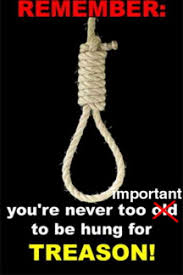
Apply Article 6 of the Constitution on Dr Shahid Masood, Shaheen Sehbai, Ansar Abbasi, their other accomplices, and owners of Geo TV/ Jang Group.

According to the constitution of Pakistan (Article 6):

6. (1) Any person who abrogates or attempts or conspires to abrogate, subverts or attempts or conspires to subverts the constitution by use of force or show of force or by other unconstitutional means shall be guilty of high treason.

(2) Any person aiding or abetting the acts mentioned in clause (1) shall likewise be guilty of high treason.

(3) Majlis-e-Shoora (Parliament) shall by law provide for the punishment of persons found guilty of high treason.

Honourable Chief Justice:

It is common knowledge that certain agents of anti-democracy establishment in Pakistan, namely Dr Shahid Masood, Shaheen Sehbai, Ansar Abbasi and their other accomplices (Saaleh Zafir, Muhammad Ahmed Noorani etc), as well as owners of Geo TV / Jang Group, are openly conspiring to derail democracy in Pakistan. On more than one occasions in their columns or TV appearances, these persons have openly invited or encouraged the Pakistan Army to take ultra-constitutional measures to either dissolve the parliament or to remove President Asif Ali Zardari from his position as the duly elected constitutional president of Pakistan.

While we understand that the professional leadership of Pakistan Army is committed to its oath and duties as per the constitution of Pakistan, the conspiracies, acts and speeches of these three persons (Shahid Masood, Ansar Abbasi and Shaheen Sehbai) and also of their other accomplices in Geo TV/ Jang Group (and certain other parts of the Pakistani media and politics), tantamount to abetting and aiding in conspiring to abrogate, subvert or attempt or conspire to subvert the constitution by use of force or show of force or by other unconstitutional means.

These three persons and their accomplices, therefore, my lord, are guilty of high treason according to the Article 6 of the constitution of Pakistan.

You are requested to initiate a suo moto acation against the culprits, and award them with an exemplary punishment consistent with the spirit of the constitution of Pakistan.

Yours sincerely
Sarah Khan
A citizen of Lahore, Pakistan

Evidence for specimen only:

چیف جسٹس آف پاکستان کے نام ایک درد مندانہ اپیل
مٹ جائے گی مخلوق تو انصاف کرو گے ؟

ڈاکٹر شاہد مسعود انصار عباسیاور شاہین صہبای، ان کے مالکان (جیو اور جنگ گروپ ) جیسے لوگ جو کھلے عام جمہوریت کے خلاف باتین کرتے ہیں جو کھلے عام فوج کو آئین پاکستان توڑنے کی دعوت دیتے ہیں.. جوجنرل کیانی کو خط لکھتے ہیں یا اپنے پروگرام میں فوج کو مداخلت کی ترغیب دیتے ہیں، ایسے لوگوں کے لیے آئین میں سزا آرٹیکل نمبر ٦ کے تحت درج ہے.
ہم پاکستانی عوام چیف جسٹس آف پاکستان جناب افتخار محمّد چودھری سے اپیل کرتے ہیں کہ سو موٹو نوٹس لیتے ہوے عدالت ان دونوں غدداروں اور ان کے شریک جرم لوگوں کو گرفتار کر کے آئین کے تحت ان کو موت کی سزا سنائے.
آئین پاکستان کا جو غدّار ہے وہ قانونی طور پر پھانسی کا حقدار ہے


Related article: NRO, Supreme Court and Dr Shahid Masood's Naani
Read more...

Wednesday, 7 October 2009

"Go Get Zardari" campaign in the guise of the NRO frenzy

Who are the key conspirators: Nawaz Sharif, Jamaat-e-(ghair)-Islami, Imran Khan, Chaudhry Shujaat Hussain, Chief Justice Iftikhar Muhammad Chaudhry

Who are their agents: Mullah Media Alliance, Friends of Establishment, Friends of Taliban, Pakistani Taliban Union of Journalists

What is their aim: sunjian ho jaan galian, wich mirza yaar phiray. Ab raj karay ga Mullah Media Military Alliance in Pakistan, aur khasman noon khaye gi khalq-e-khuda.
..

Here is a news item, a video clip, and three editorial by Najam Sethi, Latif Chaudhry and Abbas Ather.

Pakistan’s top court wants NRO revalidated by parliament
Web posted at: 10/2/2009 2:38:40
Source ::: Internews

ISLAMABAD: Pakistan’s top court has made it mandatory for the government to get the controversial National Reconciliation Ordinance (NRO), the law instituted by former military ruler that granted current President Asif Ali Zardari and his close aides amnesty against a slew of corruption charges, and all other ordinances revalidated by parliament within the timeframe given by it.

The Supreme Court has mandated the step to prevent all cases, including those against Zardari, from being revived automatically or else face the prospects of a trial for corruption.

The NRO was issued by Musharraf in 2007 as part of a power-sharing deal with former prime minister Benazir Bhutto that allowed more than decade-old corruption cases against her and the current president to be quashed.

In the detailed judgment of its July 31 short order, the apex court said all corruption and criminal cases in which benefit was given under the NRO after February 5, 2008 — the date the NRO legally expired — would stand automatically, reopened if parliament fails to validate it retrospectively.

The apex court did not agree with the perception that the benefits drawn from the NRO are past and closed transactions.

It instead judged: “Under Article 89 of the Constitution, an ordinance issued by the president if not so laid before the National Assembly (Lower House), or both Houses of Parliament, stands repealed on expiry of four months from its promulgation.” Under this judgment, the NRO stands invalid since February 5, 2008, when it completed its 120-day constitutional life. 

Editorial: The NRO revisited

The Supreme Court of Pakistan has made public the full text of the judgement on the legality or otherwise of the imposition of martial law and dismissal of the apex court on November 3, 2007. A short order of the judgement announced on July 31, 2009 had already led to a train of events in line with the verdict reached by the honourable court, including the departure of General Pervez Musharraf (Retd) from the country and a political furore over his possible indictment for treason under Article 6 of the Constitution.

Nothing is more politicised in Pakistan than the actions of General Musharraf starting early 2007 when he first tried to get rid of the chief justice of the apex court. All the mistakes he had made in the past, including the ouster of Pakistan’s two mainstream parties, the PPP and the PMLN, from national politics, returned to haunt him. Politicisation occurred on familiar lines: he had been allowed to rule by the Supreme Court after he overthrew the government of Mr Nawaz Sharif in 1999, and this action was debated between the “purist” and the “pragmatic” in Pakistan.

The judgement is not a new verdict but the detail of the short order of July 31. The most important reaction to it — the demand for the indictment of General Musharraf for treason under Article 6 — has already been put to rest by politics, and one can’t say what the honourable Court can do about it. The ruling coalition could have begun the indictment proceedings but it did not because, according to Prime Minister Yousaf Raza Gilani, it feared losing its majority in the National Assembly. For its own survival, therefore, it asked the opposition to obtain a “consensus” in parliament for the indictment. One can only call this a political reaction.

Even more politics has surfaced on the question of the National Reconciliation Ordinance (NRO) because of the 2008 general elections in the country and the coming to power of the party that will be affected from the undoing of the NRO. The Supreme Court in its short order had indicated a way out: take the ordinance to parliament and get it passed as an act and thus convert the “political” relief into “legal” practise. Because the full judgement was still awaited, the PPP and its partners in coalition had floated differing interpretations about the nature of the NRO.

Everyone from retired judges and the lawyers’ community has been divided over whether the NRO is a one-time device exonerating certain persons under trial for corruption which cannot be rescinded because it has already become void. Some people likened the absolution granted to the affectees to the remissions granted on the National Day to prisoners which once handed down are not taken back. The political aspect of the issue was highlighted when the mainstream PPP and the PMLN went through a process of reconciliation and confessed to “victimisation” behind the cases finally erased by the NRO.

The PPP coalition had privately pleaded the difficulties of bringing the NRO to parliament during a period of intense political polarisation in the glare of a highly sensitised media. Surrounded by rumours of mid-term elections, it sought to ignore the growing controversy over the NRO. But it appears now that it will have to make the big decision. The Law Ministry has reportedly “advised the government to table all 37 ordinances, including the NRO, in the National Assembly’s forthcoming session”. The legal opinion that favoured rescinding the NRO ab initio, and opposed the opinion that the NRO was a one-time device that had now become void, is sure to get more airing in the media, now that the full judgement has tackled the issue in detail.

The indictment of General Musharraf has been undermined by political realities and seriously hurt the “assumption” of sovereignty of municipal law. But the truth is that developments of this kind take place in all states, but more often in weak third world states. Pakistan may see more difficulties ahead if legal judgements pertaining to the economy made at the highest judicial level clash with the “conditionalities” of the IMF. National politics is also about to experience another upheaval as “sovereignty” is pleaded by opponents of the Kerry-Lugar legislation. The NRO belongs in that politicised category. It is unfortunate that instead of moving towards stabilisation of polity we are headed in the opposite direction. (Daily Times, 2 October 2009)
..

Kaheen pe nigahen, kaheen pe nishana


Read more...

Tuesday, 6 October 2009

The missing persons: All but forgotten by our saviour, the Chief Justice of Pakistan?


This site has moved to http://criticalppp.com, click this link if you are not redirected
Read more...

Sunday, 4 October 2009

Judiciary in Pakistan: A movement wasted


A movement wasted
By Kunwar Idris
Sunday, 04 Oct, 2009 (Dawn)
Mysteriously silent is Aitzaz Ahsan, who led processions from one end of the country to the other swaying the lawyers with the rhythm of his poetic chants. It seems he now only has his losses to calculate. — Photo by AFP

The lawyers’ movement has given no relief to the people seeking redress, nor has it made the procedure for the appointment of judges any fairer.

This is not just the viewpoint of a sceptical columnist who has felt all along that neither would come about by agitating on the streets.

It is Ali Ahmed Kurd, the lawyer who charmed the rabble and elite alike with his histrionics, now saying mournfully that pharaohs sit in courtrooms while brokers sit at the doors. An expression of collective discontent of the lawyers on the selection of new judges and the recall of old ones came in the boycott of their oath-taking ceremony by the Karachi bar, led by Rasheed Razvi, once himself a judge and a supporter of the movement.

Mysteriously silent is Aitzaz Ahsan, who led processions from one end of the country to the other swaying the lawyers with the rhythm of his poetic chants. It seems he now only has his losses to calculate.

Also silent is Justice Iftikhar Mohammad Chaudhry’s spokesman Athar Minallah who, his passion spent, now broods over it all sitting somewhere else. Both Ahsan and Minallah may be quiet, but I suspect they are no less disillusioned than Kurd and Razvi.

The lawyers in the movement were so carried away by the prospect of humbling a haughty president that they forget that the judiciary could become neither independent nor more responsible only by the reinstatement of a chief justice — howsoever unjustly removed or harshly treated. Institutions are built by slogging over centuries and not by one quick march. The lawyers succeeded in their immediate aim but their campaign has made the judiciary more vulnerable to extraneous pressures than before.

Justice Iftikhar Chaudhry, addressing the lawyers at Jamshoro soon after his reinstatement, spoke of the disposal of every case within six months. The reinstated chief justice of the Lahore High Court, Khawaja Sharif, similarly told the Sheikhupura bar that every ‘reptile’ would be tamed once the biggest among them, meaning Pervez Musharraf, was hauled up. Musharraf is not there now as an obstacle but Justice Sharif can hardly claim that the disposal of cases has become fairer and more expeditious since his departure. This writer has been following the proceedings of two pending cases, one in the high court and the other in a subordinate court. Neither has matured for a meaningful hearing in two years. The assurances of judges have come to mean no better than the promises of politicians.

The chief justice has also been showing anxiety over the conduct and integrity of the judges being called into question. Surely he now realises that the fact of who took oath, when and who administered it was not enough to acclaim or condemn a judge. The legal profession and the people need more demonstrable evidence. The best, though not conclusive, would be their reputation, lifestyle and wealth.

Repeated pleas made to the heads of state and government and the ministers to declare their assets have had no effect. Resultantly, it is left to conjecture or disclosure. Pakistan’s ever sinking rank in the world corruption table demands that the worst culprits among the offending public servants should be identified. The judges of the superior courts, who are expected to be the least tainted of all, could set the precedent by declaring their assets on joining office and later as well. Sadly, they do not seem to be so inclined.

India’s supreme court set an example by advising the judges to put their assets on the website of the court. But it is voluntary. A judge may refuse to do so as some indeed have.

Justice Chaudhry has only plaudits to earn if he were to make it compulsory. In fact he should go a step further and establish a forum where the public and litigants could air their grievances of delay or discrimination. At present they don’t know where to go and run the risk of contempt if they complain too loudly. The propriety of the conduct of judges must not be left to rumours or reports in the media. It should be open to public scrutiny.

The current discourses of the chief justice are all about the superior courts. The concern of the people, on the other hand, is more about delays and corruption in the lower courts. In fact the first and often the last court, so to say, for the common man is the police station. The delay and denial of justice at lower levels is widespread because the work is too much, even for prompt judges to handle.

The thrust of the chief justice’s drive, therefore, should be towards the creation of informal citizens’ courts. It is all too well known that getting involved in the institutional machinery of the state implies harassment and extortion. Courts are no exception and even the chief justice can do nothing about it.

In England most criminal cases and civil disputes — as many as nine out of 10 — are decided by justices of the peace who are all unpaid but respectable citizens. Pakistan’s local government laws, too, contemplate conciliation courts but hardly any were established, and litigants wouldn’t trust them either in a political environment even if they had been set up. Under a judicial umbrella they would. It would be good use of the funds and expertise provided by the Asian Development Bank’s Access to Justice Programme.

Howsoever carefully chosen and well-paid, the judges of superior courts can advance the cause of justice only if they are role models for all public servants. The other day, Chief Justice Chaudhry distributed official cars among the civil judges of Karachi and promised them better pay as well.

It makes me recall a scene from my student days in Lahore when Justice Masud Ahmad came to the high court riding a bicycle and other judges came driving their own cars — particularly striking among them was Pakistan’s then chief justice, A.R. Cornelius, who came in his sports coupe. Times and the judges have since changed, but not the hard reality that justice doesn’t flow from pay and protocol.

kunwaridris@hotmail.com


Read more...
Sunday, 13 September 2009

Pakistan: Supreme Court to inquire into Sharif bribe claims


Islamabad, 4 Sept.(AKI) - By Syed Saleem Shahzad - Pakistan's Supreme Court has signalled it will begin inquiring into allegations about a historic deal spearheaded by former prime minister Nawaz Sharif in a bid to protect his office in 1993. The appellate bench of the court will set a date soon for the hearing which will hear claims that Sharif paid seven MPs from the Federally Administered Tribal Areas near the border of Afghanistan.

The hearing now depends on the Chief Justice of Pakistan and court staff to determine when the case will be heard.

“This is the story of a gambler (Nawaz Sharif) who when he lost the game refused to pay and fled,” said Shahid Orakzai, the petitioner, who filed this case in 1997 against the former premier.

According to the petition, the case focuses on the 'horse trading' of seven MPs who were allegedly bribed to help Sharif form a majority for Pakistan Muslim League in October 1993 for the election of national assembly speaker which finally set the stage for the election of the leader of the house.

Sharif allegedly used Shahid Orakzai as a liaison to approach the MPs from the tribal areas and agreed to pay each of them 2.5 million Pakistani rupees (30,000 dollars) for their support.

However, the Pakistan Muslim League-Nawaz failed to secure a majority and its rival Pakistan Peoples Party formed a majority in the parliament.

Sharif has been accused of seeking to delay the payment and later refusing to pay a portion of the funds to the MPs who cast their vote in his favour.

Former ISI official retired squadron leader Khalid Khawaja has also filed an affidavit in the court confirming that the transactions took place with the MPs through Shahid Orakzai.

The case is widely seen as a litmus test for the credibility of the Supreme Court and the Chief Justice of Pakistan, Iftikhar Muhammad Chaudhry, Shahid Orakzai told Adnkronos International in Islamabad.

Many will be watching to see whether he fixes an early date for the case, or like previous court orders refuses to hear the case or delay it to protect Sharif.

Sharif first became prime minister in 1990 but his government was sacked in April 1993, when president Ghulam Ishaq Khan dissolved the National Assembly on charges of corruption, nepotism, and extrajudicial killings.

Six weeks later, the Supreme Court of Pakistan ruled that the presidential order was unconstitutional, reconstituting the National Assembly and returning Sharif to power on May 26.

The army stepped in asking Sharif to resign and he and the president were forced from office in July 1993.

In July 2009 Pakistan's Supreme Court acquitted Sharif of hijacking charges, removing the final ban on him running for public office.

Sharif was found guilty of hijacking then army chief general Pervez Musharraf's plane in 1999, when he ordered it to be diverted.


Read more...

Tuesday, 8 September 2009

Kurd sees no change after restoration of deposed judges


Kurd sees no change after restoration of deposed judges

ISLAMABAD: Nothing has changed since the restoration of the deposed judiciary, Supreme Court Bar Association President Ali Ahmad Kurd said on Monday. Addressing a ceremony held at the Supreme Court to mark the beginning of the new judicial year, he said the same archaic practices were still being followed, adding that the behaviour and attitude of judges was also the same. He said judges had granted leaves in very few petitions and rejected others without proper hearings. staff report

’عدلیہ کی آزادی کے باوجود کچھ نہیں بدلا‘

ججز کیس کو ختم کرنےکو زیادہ اہمیت دے رہے ہوتے ہیں بجائے اس کی کہ انصاف کی فراہمی کی جائے:علی احمد کرد

سپریم کورٹ بار ایسوسی ایشن کے صدر علی احمد کُرد کا کہنا ہے کہ عدلیہ کی آزادی کے باوجود ابھی تک کچھ نہیں بدلا اور حالات اُسی طرح کے ہی ہیں جو نو مارچ سنہ دو ہزار سات سے پہلے تھے۔

علی احمد کرد نے عدالتی سال شروع ہونے کی تقریب سے خطاب کرتے ہوئے کہا کہ ایسا محسوس ہوتا ہے کہ ’فرعونوں‘ کےسامنے پیش ہو رہے ہوتے ہیں جو کیس کو ختم کرنےکو زیادہ اہمیت دے رہے ہوتے ہیں بجائے اس کے کہ انصاف کی فراہمی کی جائے۔

انہوں نے مزید کہا کہ یہی رویہ نو مارچ سنہ دوہزار سات سے قبل اعلٰی عدلیہ کے ججوں سے لےکر مقامی عدالتوں کے ججوں کا تھا۔

واضح رہے کہ سابق ملٹری ڈکٹیٹر جنرل ریٹائرڈ پرویز مشرف نے نو مارچ کو چیف جسٹس افتخار محمد چوہدری کے خلاف سپریم جوڈیشل کونسل میں ریفرنس بھیجا تھا۔

ماتحت عدالتوں کے فیصلوں کے خلاف ایک سو پچاس کے قریب پٹیشنز ریلیف کے لیے دائر کی جاتی ہیں جس میں سے بہت کم کو سول یا فوجداری اپیلوں میں تبدیل کردیا جاتا ہے جبکہ باقی رد کردی جاتی ہیں

علی احمد کرد

یہ پہلی مرتبہ ہے کہ ججوں کی بحالی کی تحریک کی کامیابی کے بعد وکلاء کے کسی سرکردہ رہنما نے کُھل کر ججوں کے رویے کے بارے میں تنقیدی کلمات کہے ہیں۔

علی احمد کُرد نے کہا کہ ججوں کی بحالی کے لیے شروع کی جانے والی تحریک میں نہ صرف وکلاء نے ان کا ساتھ دیا بلکہ سول سوسائٹی اور انسانی حقوق کی تنظیموں نے بھی اس میں بڑھ چڑھ کر حصہ لیا۔

انہوں نے کہا کہ اس تحریک میں وکلاء نے اپنی قیمتی جانوں کے نذرانے بھی پیش کیے۔ سپریم کورٹ بار کے صدر کا کہنا تھا کہ لوگ اُن سے یہی سوال پوچھتے ہیں کہ اس تحریک کی کامیابی کے کیا اثرات سامنے آئے ہیں۔

انہوں نے کہا کہ مشاہدے میں آیا ہے کہ وکلاء نے جو پٹیشنز دائر کی تھیں اُن میں سے بہت کم درخواستوں کو دیوانی یا فوجداری اپیلوں میں تبدیل کیاگیا ہے۔ انہوں نے کہا کہ ماتحت عدالتوں کے فیصلوں کے خلاف ایک سو پچاس کے قریب پٹیشنز ریلیف کےلیے دائر کی جاتی ہیں جس میں سے بہت کم کو سول یا فوجداری اپیلوں میں تبدیل کردیا جاتا ہے جبکہ باقی رد کردی جاتی ہیں۔

علی احمد کُرد کا کہنا تھا کہ وکلاء ذمہ دار افراد ہیں اور کوئی بھی یہ نہیں چاہے گا کہ کوئی ایسی بےمقصد پٹیشن دائر کی جائے جس سے عدالت کا قیمتی وقت ضائع ہو۔ انہوں نے کہا کہ عدالت کا یہ فرض ہے کہ وہ وکلاء کو تحمل کے ساتھ سنے


Read more...

Tuesday, 1 September 2009

Are you sleeping Chief Justice Chaudhry? Why is Air Marshal Asghar Khan’s case pending before the SC since 1996?


Govt not to ask SC to take up Asghar’s case: AG

Tuesday, September 01, 2009

By Sohail Khan

ISLAMABAD: Attorney-General Sardar Latif Khosa on Monday said the government would not file an application in the Supreme Court, praying for an early hearing of Air Marshal (retd) Asghar Khan’s case pending before the SC regarding formation of the Islami Jamhoori Ittehad (IJI).

The Pakistan People’s Party (PPP) would not ask the apex court for the early hearing of the case filed in 1997 by Asghar Khan against the formation of the IJI by an intelligence agency against the PPP, Latif Khosa told newsmen at the Supreme Court.

He said the case was pending in the court and it was up to the court to decide its time of hearing. The attorney-general said the Pakistan People’s Party believed in democracy and would not derail the democratic process in the country. He said a particular group was intentionally trying to raise this old issue, but it would be of no use to reopen it.

Air Marshal (retd) Asghar Khan had filed a petition in the Supreme Court in 1997 regarding the formation of the IJI, making Gen (retd) Mirza Aslam Beg, the then chief of the Army staff (COAS), Lt-Gen (retd) Asad Durrani, former ISI director general and others as respondents. The petition is still pending before the apex court.

Earlier on June 16, 1996, Air Marshal (retd) Asghar Khan had requested Justice (retd) Sajjad Ali Shah, the then-chief justice of Pakistan, to initiate legal proceedings against Mirza Aslam Beg and Lt-Gen (retd) Asad Durrani for bringing a bad repute to armed forces and had been guilty of undermining the discipline of the armed forces.

Asghar Khan had drawn attention of the then-chief justice of Pakistan, Justice Sajjad Ali Shah, to the disclosure by the interior minister in the National Assembly on June 11, 1996, that Gen (retd) Mirza Aslam Beg had drawn Rs 150 million from the Mehran Bank and had distributed the amount to various people prior to the 1990 elections. He disclosed that this had been done through Lt-Gen (retd) Asad Durrani, the director general of the Inter-Services Intelligence Directorate at that time.

Asghar Khan had submitted before the then chief justice of Pakistan that the action of Mirza Aslam Beg and Asad Durrani was tantamount to gross misconduct and requested for initiating legal proceedings against both the persons.

Only 'Billa' can tell why
By Zaffar Abbas
Tuesday, 01 Sep, 2009
Brigadier (retd) Imtiaz Ahmed.

ISLAMABAD: Brigadier (retd) Imtiaz Ahmed, or others like him who served in the security services over the past three decades, may alone know the real reason for re-igniting the controversies regarding their role in the making and breaking of political parties, alliances and governments, and of institutionalising corruption in the country’s politics.

It is unclear whether this was his intention but the retired brigadier, known as Imtiaz ‘Billa (the cat)’ in the army circles of yesteryear, has done one great service to this nation.

Through his confessions, which he proudly describes as ‘revelations’, he has revived memories of some of the worst transgressions of the law and violations of norms of decent conduct and human rights by the intelligence agencies. Particularly during the dreaded rule of the dictator Gen Ziaul Haq during the late ’70s and early ’80s.

As these revelations jog one’s memory, one is propelled back in time to the period when Imtiaz Billa’s name had become synonymous with dirty, horrible, tactics in dealing with Zia’s political opponents. During this period, arrests, torture and even death in custody of political opponents dubbed Indian or Soviet agents, had become the order of the day.

As the re-emergence of the debate takes some of us down the memory lane, an unforgettable reference comes to mind when ‘Imtiaz Billa’ came to be known among the communist and other left-wing activists as ‘butcher’.

Tasked by Gen Zia to eliminate anyone or everyone who had even tenuous links with the otherwise tiny communist movement, Billa and his men took upon themselves the task of hunting down those associated with groups viewed as pro-Soviet.

Basking in the glory of having earned the support of the United States because of the Soviet presence in Afghanistan, Gen Zia wanted to pursue his own agenda of Islamisation by neutralising all who may have represented socialist or secular ideals.

Noted journalist Sohail Sangi, one such victim of the security services, recalls that in those days Imtiaz Billa was either posted in Karachi or, as an ISI colonel, was supervising the anti-communist operation in Karachi and elsewhere in Sindh province.

It was during these days in August 1980 that a group of left-wing activists approached a few journalists at the press club in Karachi to seek their help in highlighting the news of death in custody of communist student leader Nazir Abbasi.

Abbasi had died during torture as attempts were made to extract information from eight prominent members of the defunct Communist Party of Pakistan (CPP). The news had come out once his body was handed over to his relatives for burial, but the newspapers were unable to publish the reason for his death because of strict censorship.

As Professor Jamal Naqvi, one of the arrested communist leaders, later mentioned in his testimony during the famous ‘Jam Saqi trial’, it was Nazir Abbasi’s death that saved the rest of the detainees from further torture, as they were soon shifted from a military interrogation cell to a Karachi prison.

Even during the military trial the actual case that the intelligence agency had framed against Jam Saqi and his comrades was not about their involvement in promoting Soviet communism in the country but of working for the Indian intelligence to topple Gen Zia’s military regime.

Prof Naqvi, Jam Saqi and also others like Sohail Sangi, Jabbar Khattak, Kamal Warsi and Shabbir Sher are around to testify to the horrors of that dark period.

Then there were many other cases against nationalist leaders like Rasul Bux Palijo or communist activists like lmdad Chandio and scores of others that were all fabricated so that those charged could be kept away from mainstream politics.

Hijacking case

The ISI’s political cell under Gen Zia had acquired a much bigger role with the hijacking of a PIA plane by the so-called Al Zulfiqar in 1981. This incident gave a new lease of life to Gen Zia, as he used it to his advantage to allow the intelligence to round up thousands of political activists in the country – perhaps the biggest crackdown since the mass arrest of political activists to coincide with Mr Bhutto’s hanging. Also, Brig Imtiaz Billa is once again trying to make a big thing of the so-called conspiracy hatched by Ghulam Mustafa Khar to topple Gen Zia’s regime. At one point, noted lawyer and activist Raza Kazim was also implicated in the case, and so were a number of junior officers.

In this case too they were accused of having links with RAW. None of them ever denied having worked to remove Gen Zia, but for ‘Billa’ and others the easiest thing was to link them to India to justify their military trial.

‘American agent’

Perhaps the most bizarre of such incidents was the arrest of a trade union leader in Karachi, Rafiq Safi Munshi on the charge of being an American agent. A few months ago Imtiaz Billa ‘disclosed’ in a newspaper interview how he trapped an ‘American agent’ who was passing on nuclear secrets in Karachi to his ‘handlers’ at the US consulate.

Many may differ with the Rafiq Safi’s style of politics, but the fact is that he was associated with the PPP, and was a prominent leader of the Karachi Electric Supply Corporation’s (KESC) trade Union, and was not working at Karachi Nuclear Power Plant (Kannup) as the retired brigadier had portrayed. Even otherwise, what has Kannup plant got to do with Pakistan’s nuclear weapons programme?

But in the martial law period the arrest of any opponent of the military junta was justified, and branding them as Indian or Soviet, or in one case, even American, agent kosher.

Special courts

What helped the junta more was a blanket news censorship and holding of trial in summary and special military courts, whose verdicts were often written before the start of the case proceedings.

It will be quite interesting to find out that in many cases the only crime of such left-wing activists, including many professors of Quaid-i-Azam University, was secretly publishing anti-Zia literature.

The role of the military intelligence services in former East Pakistan is often described as the worst as in those days hundreds disappeared and popular opinion was suppressed by arresting and trying Awami League leaders as foreign agents.

But a close study of Gen Zia’s days, and the powers that were given to people like ‘Billa’, or the entire ISI under first Generals Ghulam Jilani and then Akhtar Abdur Rehman and finally Lt-Gen Hameed Gul, may show how blatantly they violated the law and human rights.

Probe commission

Now that Brig (retd) Imtiaz has himself decided to spill the beans, perhaps, as many believe, to defame a few more politicians, there are some quarters who argue that democracy will be served better if the politicians collectively demand a high-powered commission to probe into the role of the intelligence services in the country’s politics, particularly during the days of Gen Ziaul Haq and beyond.

Politicians may or may not have taken money from the ISI or Intelligence Bureau. But if a former ISI chief, Lt-Gen (retd) Asad Durrani, accepts he distributed money among a large number of politicians, and if Lt-Gen (retd) Hamid Gul boasts of forming an anti-Benazir Bhutto opposition alliance, or if Brig (retd) Imtiaz goes on television to accuse Ghulam Mustafa Khar of taking Rs5 million for his election campaign, then there are enough grounds to initiate proceedings against them and others for subverting the democratic process in the country.

Perhaps, the best person to head the commission would be Air Marshal (retd) Asghar Khan, as he is the one who had approached the Supreme Court to expose the role of the ISI in the country’s politics. And if the present Army Chief General Ashfaq Kayani is to be believed about having disbanded ISI’s political wing, it will be fair to assume he will have no objection in a public discussion about the intelligence agencies’ dubious political role in the past. At a time when the military is battling forces of religious extremism and militancy, the irony won’t be lost on the leadership that under a different regime it was their own colleagues who tried to crush those representing more tolerant political thought. (Dawn)

Military reviewing ‘revealing’ statements by former officials

* Officials determining if recent statements, interviews violate Official Secrets Act, 1923
* Lawyers say proceedings must be launched against those guilty

By Sajjad Malik


ISLAMABAD: The military top brass is reviewing a string of statements and interviews by former defence officials to determine whether they are guilty of breaching the Official Secrets Act of 1923, official sources told Daily Times on Wednesday.

“The matter is being considered and reviewed at the appropriate level,” said the defence officials when asked if General Headquarters was considering action against retired defence officials for disclosing information on actions carried out in official capacity.

The sources said all former defence officials were bound to maintain the secrecy of sensitive matters related to the time they held any office. They said any violation could lead to prosecution under the Official Secrets Act.

“They are bound to keep secrets as secrets, and they are not allowed to go around revealing things done while in active service,” said the sources.

Replying to a question, they said only the “organisation” could determine if an official had disclosed any secret information during interviews, writings or announcements.

They said the law applied not only to defence officials, but also to civilian officials. He said all officials were strictly required to maintain the secrecy of whatever they had done in official capacity in the best interest of the state.

Proceedings: Senior lawyer SM Zafar said all such former officials were liable under the Official Secrets Act of 1923. “All of them are liable, but the nature of their crime is like sedition or treason... only the government can proceed against them and prosecute them in a court of law,” he said.

Another senior lawyer, Abid Hassan Manto, said it was not clear if recent statements by former army officers fell in the category of official secrets. “But once it is established that they have violated the law, they all can be punished,” he said.

Fakharuddin G Ibrahim said he was not sure if the recent interviews and pronouncements were a violation of the Official Secrets Act, but what they had said was “self-incriminatory”.

“In my opinion the very fact they have accepted the wrongdoing is self-incriminatory and enough to take them to a court of law,” he said, adding that the army should proceed against them if they had violated any law of the defence forces. (Daily Times)


Read more...

Tuesday, 25 August 2009

Taliban taste justice, Taliban style in Swat, Pakistan

Pakistani soldiers stand guard on top of a mountain overlooking the Swat valley

Pakistan's military is accused of summarily executing suspected Taliban militants in the Swat valley. Photograph: Pedro Ugarte/AFP/Getty Images

When was the last time that judicial courts in Pakistan, including "the great saviour of the nation" Chief Justice Ifitkhar Muhammad Chaudhry, sentenced a jihadi or/and a sectarian terrorist to death? When was the last time that the most notorious criminals of Al Qaeda, Taliban, Sipah-e-Sahaba were given exemplary punishments? When was the last time such punishments were executed?

It would appear that because of fear of death or temptation for money (or because of their own ideological alignment with convervative forces), courts in Pakistan have been more on the side of criminal such as Hafiz Muhammad Saeed (of Lashkar-e-Toiba), Mullah Abdul Aziz (of Lal Masjid), and Akram Lahori (of Sipah-e-Sahaba), than taking care of the lives and properties of innocent Pakistanis.

Therefore, given that judicial system in Pakistan has failed to punish the culprits, we hereby declare our support for the extra-judicial killing of Taliban terrorists by Pakistan Army, Police and ordinary Pakistani citizens. Taliban (and their Wahhabi-Deobandi supporters) are the scum of the land of the pure. They need to be eliminated through all possible means. It is our responsibilty to secure the country and its people from the menace of terrorism; ends would justify means in this case.

Bodies found in Pakistan valley

The body of a suspected militant is found in Mingora (21 August 2009)
Residents and human rights groups have called for an investigation

The bodies of 22 suspected militants have been found in Pakistan's Swat valley in the past day, officials say.

Corpses allegedly began appearing several weeks ago. Officials said 18 were found in the region last week.

Local residents say the Pakistani security forces have been carrying out extra-judicial killings as part of their offensive against the Taliban.

The army and police have denied the accusations, saying locals could be behind the killings for "revenge".

A leading Pakistani human rights watchdog says it has received "credible reports of numerous extra-judicial killings and reprisals carried out by security forces".


"We call for a proper investigation to find out who killed them, who were the dead, whether they were militants, innocent people or bystander," I A Rehman, of the independent Human Rights Commission of Pakistan, told the Reuters news agency.

"We've already demanded an investigation but nothing has happened. It's a serious matter and must be looked into," he said.

'Blindfolded'

Three bodies were found in the Danagram area on the outskirts of Swat's central town of Mingora on Tuesday morning, a security official told BBC Urdu, bringing the total number discovered in the past day to 22.

Previously we were afraid of the Taliban. Now, we're afraid of the army
Mingora resident

He said the victims had not yet been identified.

On Monday, local officials said 19 corpses had been recovered from areas around the Malam Jabba road, north of Mingora.

Witnesses said most of the victims had been shot, some several times. They were blindfolded with their hands tied behind their backs, and dumped in fields or alleys.

"Previously we were afraid of the Taliban. Now, we're afraid of the army," one man told the Associated Press news agency.

Military officials have confirmed that the army has been conducting operations in areas where the bodies have been found.

A top government official in the region, Malakand division commissioner Fazal Karim Khattak, told the BBC that the appearance of the bodies had become a "puzzle".

But he rejected the local view that the security forces had been killing suspected Taliban fighters extra-judicially after detaining them.

Pakistani troops in Mingora (15 August 2009)
The army has been operating in areas where the bodies have been found

"I have recommended to the provincial government to hold an inquiry into the circumstances that have led to these deaths," he said.

A military spokesman, Maj Gen Athar Abbas, said he believed the killings could have been the "result of revenge by local people".

"It could be a reaction to all that happened to the people in Swat," he said.

While the Taliban controlled the valley, militants dumped bodies of alleged collaborators on the streets to terrify people into submission, correspondents say.

Officials say people have been discovering unidentified bodies dumped in the Swat valley since mid-July, when internal refugees who had fled the area in April in the wake of the army offensive returned.

According to one estimate, more than 120 corpses have been found in total. Other officials believe the figure could be as high as 200.

...

Swatis not concerned

Similar killings took place when the Taliban moved into the valley in 2007, eventually controlling much of the one-time tourist retreat. Then, militants killed police officers or alleged government collaborators, often beheading or stringing up the bodies of their victims in public. So many decapitated bodies were left in Mingora's main square that it was nicknamed "bloody square".

The militants also banned girls from school, flogged women in public, closed music and video shops and ordered men to grow their beards in line with their interpretation of Islamic rules.

The army launched a major offensive in April this year, causing two million people to flee the fighting. Pakistani forces claim to have killed more than 1,600 militants – including a key Taliban commander, Baitullah Mehsud. But while the insurgents have been pushed back, they have not gone away completely. Last week, Mingora was hit by two suicide blasts.

Most Swat residents interviewed by the media said they were unconcerned if Taliban militants were being killed, saying that they felt no pity for those who had brought terror and misery to the region and that the killings might be what was needed to stop the insurgents returning. Others, however, said they now feared the army.

"Previously we were afraid of the Taliban. Now, we're afraid of the army," one man told the Associated Press, at the site where the bodies of two people, 35-year-old butcher Gohar Ullah and his brother Zahoor, 30, were found last Friday.

...

Tailpiece: Court orders release of Sufi Muhammad's sons:

مولانا صوفی کے بیٹوں کی رہائی کا حکم

مولانا صوفی محمد

مولانا صوفی محمد اس وقت قید میں ہیں اور انہیں بغاوت کے مقدمے کا سامنا ہے

پشاور ہائی کورٹ نے حکومت کی جانب سے ٹھوس ثبوت فراہم نہ کرنے پر مولانا صوفی محمد کے تین بیٹوں کی رہائی کا حکم دیا ہے۔

ان تینوں کو بائیس جولائی کو پشاور سے تین ایم پی او ( نقص امن میں خلل ) کی دفعہ کے تحت گرفتار کیا گیا تھا۔

بدھ کے روز پشاور ہائی کورٹ کے جج جسٹس اعجاز افضل خان نے حکومت کی جانب سے مولانا صوفی محمد کی تین بیٹوں رضوان اللہ، حیات اللہ اور فضل اللہ کی گرفتاری کے حوالے سے ٹھوس ثبوت فراہم نہ کیے جانے پر تینوں کی رہائی کا حکم دیا ہے۔

خیال رہے کہ گزشتہ ماہ پولیس اور خفیہ اداروں کے اہلکاروں نے پشاور کے علاقے سٹی ٹاؤن میں واقع مولانا صوفی محمد کے گھر پر چھاپہ مارا تھا اور انہیں ان کے بیٹوں سمیت حراست میں لے لیا تھا۔

مولانا صوفی محمد کے تینوں بیٹوں نے اپنی گرفتاری کو پشاور ہائی کورٹ میں چیلنج کر رکھاتھا۔

اسی ماہ تین اگست کو صوبہ سرحد کی حکومت نے کالعدم تحریک نفاذ شریعتِ محمدی کے سربراہ مولانا صوفی محمد سمیت نو افراد کے خلاف بغاوت کا مقدمہ درج کیا تھا۔سرحد حکومت کے ترجمان میاں افتخار حسین نے کہا تھا کہ مو لانا صوفی محمد نے حکومت سے کیے گئے وعدوں سے انحراف کیا جس سے مالاکنڈ ڈویژن میں دہشت گردوں کو تقویت ملی۔


Read more...