Editor's Choice

--------------------------------------------------------------------------------------------------------------------------
Featured Post
--------------------------------------------------------------------------------------------------------------------------

"Let us build Pakistan" has moved.
30 November 2009

All archives and posts have been transferred to the new location, which is: http://criticalppp.com

We encourage you to visit our new site. Please don't leave your comments here because this site is obsolete. You may also like to update your RSS feeds or Google Friend Connect (Follow the Blog) to the new location. Thank you.


--------------------------------------------------------------------------------------------------------------------------
Showing posts with label NWFP. Show all posts

Sunday, 15 November 2009

Taliban militants disguised in burqa to attack an anti-Taliban mayor

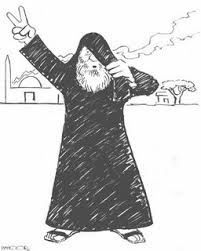
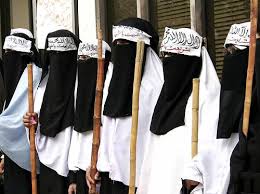
Perhaps inspired by their terrorist leader Mulla Abdul Aziz of the Lal Masjid of Islamabad, Taliban terrorist have started disguising themselves in Burqa in order to attack ordinary citizens of Pakistan.


Militants attack anti-Taliban mayor in northwest Pakistan
DawnNews Report
Sunday, 15 Nov, 2009

PESHAWAR: More than a dozen militants opened fire on the house of an anti-Taliban mayor in northwestern Pakistan on Sunday, but security guards repelled the attack, killing three assailants, said police.

Militants have staged a wave off attacks in northwestern Pakistan in recent weeks in retaliation for an army offensive launched last month in the tribal area of South Waziristan, where al-Qaida and Taliban leaders are believed to be hiding.

Several of the militants who attacked Mayor Mohammad Fahim Khan's house disguised themselves by donning burqas, said police official Nabi Shah.

‘Seeing three burqa-clad women early in the morning, Fahim Khan's security guards challenged them, and the men threw away their disguise and opened fire,’ said Shah.

‘But the guards were alert and they retaliated quickly.’

The guards killed three militants and waged a gunbattle with the rest, but they managed to escape, said Shah.

Khan was the second mayor to be attacked in the last week who has organised a local militia to fight against the Taliban. A suicide bomber hit a crowded market outside the main northwestern city of Peshawar last Sunday, killing 12 people, including a mayor who once supported but turned against the Taliban.

Militants have made several attempts to assassinate Khan, who is the mayor of Bazid Khel town, some 10 miles south Peshawar.

‘Militants have exploded three bombs near my house, killing innocent people, and they have opened fire on me several times but have failed so far,’ said Khan. ‘These attacks will not weaken my resolve against militants.’

The recent wave of attacks has killed hundreds since the beginning of October. The insurgents appear to believe the violence will weaken the determination of both the people and the government to counter the rising militant threat.

Many attacks have targeted areas in and around Peshawar, which borders Pakistan's semiautonomous tribal region where the army is fighting its offensive. Strikes in the past week alone have killed more than 50 people, including 11 who died Saturday when a suicide car bomber attacked a police checkpoint on the outskirts of Peshawar.

A day earlier, another suicide car bomber attacked the regional office of Pakistan's top intelligence agency in Peshawar, killing 10 people.

Read more...

Tuesday, 10 November 2009

Charsadda Attack and the Friends of Taliban

چارسدہ میں دھماکہ

Charsadda, 10 November 2009. More than 30 people were killed and over 50 injured in a car bombing in Pakistan's north-western city of Charsadda, health officials said on Tuesday.

The blast occurred at a busy market in the town, which is located around 30 kilometres north-east of Peshawar, the capital of North-West Frontier Province.

'It was a suicide bombing. The bomber was riding a Suzuki Alto car,' district police chief Riaz Khan said. 'We have recovered his body parts.'

Shahzeb Khan, a health official at the main state-run hospital in Charsadda, said over the phone that 'more than 30 bodies and over 50 injured were moved here.' He said dozens more critically injured were taken to Peshawar.

'The death toll may rise because there are so many people who are in critical condition,' said the health official.

Express television quoted an eyewitness as saying that the bomber rammed his car into other vehicles and push-carts at the market.

Dozens of shops and several vehicles on the road were destroyed in the blast that also snapped the power cables and shattered the windowpanes of buildings in the vicinity.

No one has claimed responsibility for the bombing but the suspicion fell on Taliban, who have intensified attacks on civilian and official targets since mid-October when the military launched a major assault in their heartland of South Waziristan - a remote district near the Afghan border.

Around 30,000 ground troops are pitched against some 10,000 guerrilla fighters in the operation that Pakistan has described as crucial for its campaign to root out rising Islamic militancy.

Friends of Taliban

Here are the people responsible for brainwashing and developing suicide bombers, i.e. the notorious Taliban spokespersons and apologists in Pakistani media and politics. These are the real criminals; these are the traitors who develop footsoldiers against the Pakistani nation and its institutions.


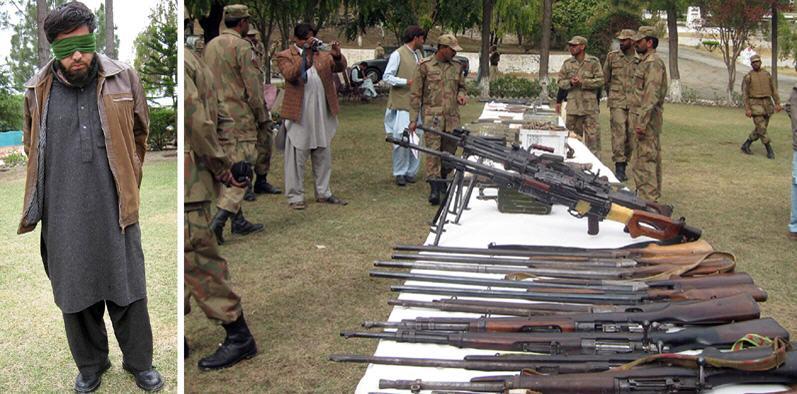
A Taliban terrorist arrested in Lower Dir. (resembles Ansar Abbasi?) Source


Read more...

Thursday, 8 October 2009

A column for Maulana Fazlur-Rehman

By Sohail Qalandar


Read more...

Thursday, 10 September 2009

PML-N ‘enemy’ of Pushtuns: Says ANP Leader


No justification for holding referendum on NWFP renaming: ANP

* Party president says PML-N ‘enemy’ of Pushtuns

By Zakir Hassnain


PESHAWAR: Awami National Party (ANP) said on Wednesday there was no justification for holding a referendum on the NWFP renaming issue as demanded by the Pakistan Muslim League-Nawaz (PML-N) and thus the ANP rejected it, saying only the constitutional committee of the parliament could decide the issue.

The ANP said the Nawaz League’s criticism of the ANP and its attitude towards Pakhtuns was condemnable. “Nawaz League is the enemy of Pakhtuns and still following the policies of Ranjeet Singh,” said ANP Provincial President Afrasiab Khattak while addressing a press conference along with party leaders Arbab Tahir Khalil, Arbab Najeebullah, Arbab Tajuddin and others.

Khattak said the renaming of the province was an important issue and the provincial assembly had already unanimously passed a resolution demanding the province be renamed Pakhtunkhwa.

The ANP leader said the issue was under consideration in the parliament’s constitutional committee working for constitutional reforms. However, he added, the PML-N leaders made the issue public instead of solving it within the constitutional committee and started giving public statements on issue.

Khattak said NWFP, FATA and PATA were no names. “It’s only Pakhtunkhwa but attempts are being made to make it controversial,” he said. Khattak said the PML-N made a demand for a referendum on the issue. “I propose referendums be also held on the name issue in Punjab and Sindh as only one language is not spoken in a province,” he said. He said there are a large number of Seraiki speaking people in Punjab and therefore referendum should also be held there.

Khattak said no referendum was held when Lyallpur was renamed to Faisalabad and Montgomery to Sahiwal.

The ANP leader said the largest political parties had also acknowledged the name Pakhtunkhwa and the name is no longer controversial. Khattak said the people of the province supporting the Nawaz League should review their party affiliation as “PML-N is the enemy of Pakhtuns.” He said the name Pakhtunkhwa was the demand of the people of the province.

Khattak said the name Afghania was also acceptable as it was given to this region by the founders of Pakistan. The ANP leader said Abasin was the name of a river and Khyber the name of an area and therefore could not be accepted as name of the province.

“We can only accept Pakhtunkhwa or Afghania,” he said. Khattak said the ANP is cooperating with the parliament’s constitutional committee and wants to solve the problem within this constitutional body. “And if it could not solve the issue, we’ll stick to our stand and demand,” said the ANP provincial president.

Comments by M. Waqar

I was shocked to read some news reports and statements of PML(N) leaders over the name Pakhtunkhwa and it seems like they are generating new issue of hate and divide in this province. Let's not make it a political issue. One should not politicize an issue for own interest.I see no reason for denying Pukhtoons the legitimate name of their province on the grounds that this will increase ethnic tension.

On the contrary, if anything, it will defuse the existing tension. Let's not forget what happened to East Pakistan when West Pakistan denied them their right of Bengali language. The problem is Pakistani politicians never learn from history, these politicians need to understand that Pakistan's imposition of Urdu on East Pakistan was a mistake. It seems like some opportunist politicians of PML(N) in the province are trying to create political tension over Pakhtunkhwa. People in Pakhtunkhwa wants to be recognized as a nationality in their own right and for this they want their living place to be given their name Pakhtunkhwa.

Why can Punjabis have Punjab, Sindhis Sindh, Baluchis Balochistan, but Pakhtuns can't have Pakhtoonkhwa? why Pakhtoon are being treated like occupied Palestine who will breakaway at the first chance.? and if do decide to break off, trust me with all its might, Pakistan can't prevent that.

Pakistan couldn't beat Bengalis into submission and it can never force Pakhtuns into submission. Its stupid that some people who consider themselves super patriotic imply that Pakhtuns are any less patriotic than themselves. Let me remind those self-declared super Pakistanis that Punjab did not have any option except joining Pakistan. Punjab had to join Pakistan. But we Pakhtuns had a choice to join our brothers in Afghanistan, with whom we share not only our ancestry but our culture, our history, our tradition, and our language, but Pakhtuns decided to stay with Pakistan. How can someone from Punjab or Sindh or any other part of Pakistan give us a lecture on patriotism? I think these people are the one who needs a lesson in patriotism, because by suppressing minorities right and denying them their identity they are weakening Pakistan NOT Pakhtuns.

Its tragic that Pakistani politicians did NOT learn any lesson from history. Bengalis were at the forefront in the struggle for Pakistan but when Pakistan suppressed them and denied them their rights and their identity what happened? We all know the end result. By calling Bengalis traitors because they demanded their rights they were converted into traitors. Alas we could learn from history because if we don't, history is doomed to repeat itself. Acceptance of history is a good sign, no wonder, but learning no lesson from it is unforgivable.

Please someone help me to understand how renaming NWFP is gonna break Pakistan or divide people in this province? And please don't give me the crap about patriotism and Islamic unity. Whats wrong with Pakhtuns having their identity in Pakistan like Punjabis, Sindhis, and Balochis? It's the politicians who are making mess over the name not the people living in this province. Sindh, Punjab and Balochistan are border provinces too why they are not called, east-south, north-east or south-west provinces why these provinces are called with identity of race residing inside that territory? We are unanimous on one thing that people from this province are all pathan if all are not Pashtun. So please take back the British name and give us our own name.

The usage of Pakhtunkhwa in Pakhto poetry dates back to the middle ages. The word is a combination of two words - that is Pakhtun and Khwa. Pakhtun or Pashtun is a noun while Khwa means side. Culturally there is no doubt that the land was called Pakhtunkhwa in Pushtu literature since 15th century .The word Pakhtunkhwa was also used in the modern poetry by contemporary poets like Qalandar Momand (1930-2003) long before it was suggested as the nomenclature for the NWFP.

The name NWFP is certainly a misnomer today since it does not satisfy the aspirations of the people of the province. Three of the four provinces the Punjab, Sindh and Balochistan, got their own identity either through their environment or inhabitants. But the NWFP has been named neither after the historical and cultural background of the inhabitants nor derived its name from environment. Since the name (NWFP) does not reflect the true ethnic identity of its inhabitants, therefore a demand for its change is a logical consequence but unfortunately the matter has turned into a controversial issue again by so-called politicians. Those opposing the word Pakhtunkhwa argue that the name will not represent non Pashto speaking population of the province.

The argument is unjustified and impractical. There is hardly any country in the world which does not have ethnic minorities. Even in Pakistan; Punjab, Sindh, and Balochistan have large number of people who do not speak the language their names ostensibly suggest.

The 74 percent population of NWFP speaks Pashto as mother language in present day NWFP and the proportion will greatly increase when FATA will ultimately be merged in the province, choosing a proper name for the province is the fundamental right of its residents. It would help strengthen the federation besides removing the sense of deprivation among people of the smallest province of the country. It is time that politicians belonging to different factions of Muslim League too come out of their mindset and start objectively treating the demands the smaller provinces. It will help us build a stronger and more vibrant federation. Instead of debating again and again over this issue, politicians are wasting their time, they should either spend their time on development of this province or quit politics. There is no need to challenge the Pakhtunkhwa issue as it has been passed with overwhelming majority in the provincial assembly, members of this assembly should discuss how to solve the problems in this province. Renaming the NWFP to Pakhtunkhwa has a long political history in Pakistan.

Pakhtuns and nationalist groups, which are passionate about naming their inhabited land after their identity as Pakhtuns, have been demanding change in the province's name for decades. But a number of political groups and opportunist politicians are not in favour of calling NW FP as Pakhtunkhwa and they are trying to divide people. These members of assembly should be discussing creating jobs, hiring police officers, opening new schools, colleges and universities, hospitals and providing clean water and electricity to their voters and keeping province safe, rid Province of violence and terror, generate productive employment for youth, provide education, healthcare, and bring progress to the doorstep of workers, farmers and small businesses, elimination of child labour etc . These are the issues for which people have elected these assembly members to solve.


Read more...

Friday, 10 July 2009

Good Taliban... Where are they?

A Formidable Enemy

The Pakistan Army faces a tough battle ahead as the ‘good’ Taliban join forces with the ‘bad’ Taliban and scrap peace deals.

By Rahimullah Yusufzai


The two-month old military campaign against the militants in the NWFP has now expanded to newer and more dangerous places, such as South Waziristan. This has created a real risk that neighbouring North Waziristan could become the new battlefield, and the conflict could then spill over into adjoining districts in the southern part of the province. Indications of such an eventuality are already visible.

The military operations could unwittingly engulf a much wider area than anticipated. Such a move would not only over-stretch Pakistan’s armed forces, but also prompt the Taliban groups to set aside their differences and join forces to face the challenge.

In fact, in their battle for survival, some of the Pakistani Taliban commanders, such as Hafiz Gul Bahadur in North Waziristan and Maulvi Nazeer in South Waziristan’s Wana area, have already taken the first steps towards extending cooperation to Baitullah Mehsud in resisting the latest Pakistan Army onslaught against him. Their alliance, Shura Ittehad-ul-Mujahideen, or the Council of the Alliance of Mujahideen, which was dormant since its launch in February 2009, is now active and is coordinating the military activities of the three militant groups to fight their common enemy – primarily the US-led coalition forces across the border in Afghanistan, and now increasingly, the Pakistani military within the country’s borders. Attacks in the last week of June by the militants led by Hafiz Gul Bahadur on military convoys on the Miramshah-Mir Ali road and in the Madakhel area in North Waziristan – which killed over 40 soldiers and left scores injured – and the rocketing of the FC camp in Wana by fighters loyal to Maulvi Nazeer, were clear signs that the Taliban in the three different war theatres were coming together to tackle Pakistan’s security forces.

One by one, the peace deals painstakingly negotiated by tribal jirgas are unravelling. The two peace treaties that the government concluded with Baitullah Mehsud, one in February 2005 and the other subsequently in 2008, no longer exist. In fact, these agreements have been invalid since Baitullah Mehsud first unleashed his suicide bombers to spread death and destruction in the country’s urban centres and for the first time claimed responsibility for all such attacks. The peace accords are now simply a scrap of paper, as Baitullah Mehsud was accused of assassinating Benazir Bhutto and became the most wanted man in Pakistan, with head-money placed on him by both Islamabad – offering Rs 50 million, or about $600,000 – and Washington, willing to pay a huge reward of $5 million, or Rs 410 million. The two peace deals in Swat, one directly with the Taliban, headed by Maulana Fazlullah, and the other with his father-in-law Maulana Sufi Mohammad, also predictably collapsed and, on both occasions, triggered more death and destruction than previously seen.

Only one peace treaty is still in place – in Wana, capital of South Waziristan – between Maulvi Nazeer and the government. But it is coming under strain due to the rising tension between the militants and the government elsewhere in the tribal areas. On paper, a peace accord also currently exists in Bajaur. But the militants in the region, led by Maulana Faqir Mohammad, deputy leader of the Tehrik-i-Taliban Pakistan (TTP), have been openly violating the deal, by refusing to surrender or even curb their activities.

On June 29, the Taliban militants in North Waziristan unilaterally scrapped their February 18, 2008, peace agreement with the government, after accusing the armed forces of cooperating with the US in carrying out drone attacks against them. Through their spokesman, Ahmadullah Ahmadi, they warned that there could be no peace with the government unless the missile strikes by the pilotless US planes in North Waziristan were halted. Ahmadi also asserted that there had been over 50 US drone strikes in North Waziristan since the signing of the peace agreement that have killed hundreds of people, including women and children.

Their second complaint concerned the recent military operation in the Frontier Region (FR) Bannu, which Hafiz Gul Bahadur considers part of his fiefdom. The military action in the Janikhel and Bakkakhel areas of FR Bannu was launched to punish the militants and the local tribes, under the collective responsibility clause of the infamous Frontier Crimes Regulations (FCR), for failing to prevent the kidnapping of around 100 students of Cadet College, Razmak, and some of their teachers. It was suspected that militants loyal to Hafiz Gul Bahadur may have cooperated with Baitullah Mehsud’s men in kidnapping the (mostly teenaged) cadets in the FR Bannu area. The cadets were eventually freed unharmed due to the intervention of the strong Torikhel Wazir tribal jirga, which had threatened to take action against the kidnappers as they had guaranteed the security of the college and its students because it was located in their area.

This marked the second time that the North Waziristan militants unilaterally trashed their peace accord with the government. The first such peace deal was concluded on September 5, 2006, and scrapped 10 months later, when the militants accused the security forces of re-erecting roadside checkpoints that had been dismantled under the terms of the accord. The government, on its part, charged the militants with violating the peace agreement with impunity by setting up a parallel administration, harbouring foreign fighters and carrying out the targeted killings of pro-establishment tribal elders.

The September 2006 peace deal in North Waziristan was roundly criticised by the US and its allies, including other western nations and the Afghan government. It was blamed for an increase in the cross-border infiltration of Afghan and Pakistani Taliban to attack the coalition forces in Afghanistan. In fact, this prompted the US to put its foot down and oppose any future peace arrangements by the Pakistan government with its home-grown militants. This was evident when it opposed the peace deals in Swat, Bajaur and elsewhere. The US had, by then, made it clear that the Pakistan Armed Forces – as a recipient of American aid in the shape of weapons and money – were required to undertake sustained military action against the irreconcilable militants, instead of making peace with them.

The collapse of the latest North Waziristan peace agreement, which was incidentally signed one day before the February 18, 2008, general elections and thus enabled the government to hold polls for the lone National Assembly seat from the area with the help of the militants, could have serious implications. Hafiz Gul Bahadur has reportedly linked the revival of the peace treaty to an end not only to the US drone attacks and the military operation in FR Bannu, but also to the ongoing action against Baitullah Mehsud in neighbouring South Waziristan. For the government, however, this would mean conceding too much to the militants, as the armed forces have already initiated action against Mehsud, while intelligence agencies have created divisions in his ranks by strengthening a rival faction of militants led by Misbahuddin Mehsud, who took over after the recent assassination of his brother Qari Zainuddin by a Baitullah man who had infiltrated the group. Besides, the Pakistan government may be unable or unwilling to stop the Americans from using their missile-fitted drones to target the militants.

There have been no US drone attacks in North Waziristan for two months now, a point that was raised by a jirga of tribal elders that met Hafiz Gul Bahadur to persuade him not to scrap his peace deal with the government. But the enigmatic Hafiz, who operates with utmost secrecy and hasn’t given an interview or interacted with the media, was unmoved. It seems he remains convinced that the security forces would go after him once they have dealt with Baitullah Mehsud, and is therefore ready to enter the battle now with Baitullah and Maulvi Nazeer.

Were the military to take action against Hafiz Gul Bahadur in North Waziristan and, in response to a provocation, start fighting Maulvi Nazeer in Wana and Shakai in South Waziristan as well, the concept of ‘good Taliban’ and ‘bad Taliban’ would be consigned to the dustbin, at least for the time-being. These two Pakistani Taliban commanders were, until now, regarded as the ‘good Taliban’ because they were reluctant to fight the Pakistani security forces or sponsor suicide bombings and were, instead, focusing more on assisting the Afghan Taliban in resisting the US-led foreign forces in Afghanistan. In contrast, Baitullah Mehsud and his allies in the tribal areas, Swat and elsewhere, and those affiliated to the TTP, were referred to as the ‘bad Taliban.’ Once this distinction ends, the military will be free to target all militants, wherever they exist. The battlelines will then be clearly drawn. However, this would also unify all the militants and the disparate jihadi groups, turning them into a formidable enemy.

One strong argument against taking on all the Taliban militants at one time is that this would over-stretch the security forces, threaten their supply lines and increase the risk of retaliatory bomb explosions, including suicide attacks in the country’s towns and cities. The destabilisation resulting from such a massive military action could be much greater than hitherto experienced. This would signal the failure of the classic ‘divide and rule’ tactic, that has routinely been the method of choice for the secret services to weaken and demoralise the militants.

An equally powerful counter-argument, on the other hand, points out that military action against militants operating in different tribal areas and districts would force powerful commanders like Baitullah Mehsud to commit their fighters to stay put in their native areas, to defend their own strongholds. In such a scenario, he and the other strong Taliban commanders would not be able to send their fighters to other fronts to reinforce their allies.

Whatever strategy is adopted by the army high command, it is obvious that this is going to be a long and difficult battle. Counter-insurgency operations are also different and far more comprehensive than conventional ones with political and development segments designed to isolate the militants and win hearts and minds. In addition, while using traditional military force to destroy the militants’ positions, aerial strikes and artillery shelling may help the armed forces to achieve certain objectives. These invariably cause civilian deaths and large-scale displacement, as we saw in Bajaur, Mohmand, Swat, Buner and Dir, and are now likely to witness in South Waziristan, North Waziristan, Orakzai and other districts. Some battles would be won, but far more important is winning the war. And that cannot happen without winning and retaining the support of the people, particularly those in the battlezones.

http://www.newsline.com.pk/NewsJul2009/newsbeatjuly2009.htm


Read more...

Saturday, 16 May 2009

Asadullah Ghalib and Farhat Taj: In support of the jawans and officers of Pakistan Armed Forces fighting the Taliban terrorists...


Swat – a report from the frontline

Saturday, May 16, 2009
Farhat Taj

Recently an AIRRA (Aryana Institute for Regional Research and Advocacy – an Islamabad-based research organisation) investigation team went to some parts of Swat that had been under army attacks. The team observed whether the attacks were targeted at the Taliban and their installations. It observed two villages -- Ladikas and Watkai in Mingora -- and Khwazakhela, a tehsil in Swat. The team with its access to the people of the area could manage to take Besham route from Islamabad to reach Mingora via Khwazakhela. Though continuous curfew and alternate threats from the military posts and the Taliban posts badly hampered the journey of the team but somehow some of the members could manage to reach Mingora via Khwazakhela and Charbagh with the exodus of the people from different parts of Swat valley. The team was able to access and interview several dozens of those families who were still stuck up in the valley.

The team observed that the security forces have successfully destroyed the installations of the Taliban and have disrupted their chain of command in that area. They have killed many Taliban there with very little collateral damage, albeit with the destruction of civilian infrastructure. The best example is the Taliban headquarter in Khwazakhela. The headquarters was located on a mountain. It housed the Taliban operational command led by commander Yamin, the intelligence department led by commander Rashid and the department of logistics and supplies. The aerial bombardment of the Pakistan army reduced all that to rubble. The entire side of the mountain housing the headquarters has been exploded and razed.

The Taliban terrorists had established the headquarters with great efforts. They had cleansed a huge portion of the forest on the mountain to make free space for the building. They recruited the youth on a large scale, strengthened their command and control structure, established their hierarchical structure, planted mines on the main roads, dug bunkers and occupied the strategic passes in only two and a half months. And they did all this after the peace deal agreed with the NWFP government in February of this year.

The team interacted with the people in the area. Most of those killed were confirmed Taliban. There had been almost no serious collateral damage. Nearby buildings collapsed due to the force of explosions. Some people got injuries when hit by the collapsing debris.

Moreover, the army has cordoned off several narrow alleys of Mingora to prevent the Taliban from escaping. The military has cordoned off Swat from the northeast (the Shangla side), the southeast (the Buner side) and the southwest (the Dir side). In Mingora city itself, the Taliban are reported to be lying dead in the streets and local people confirm that some of them are well-known Taliban leaders.

There are still stranded people in Swat. The people are facing enormous difficulties due to power failure and water reservoirs in their homes which have dried up. Food commodities have become scarce and fuel stations have more or less stopped functioning. Soldiers of the Pakistan army and the FC are sharing their limited food rations with the stranded people. This goodwill gesture has earned respect of the stranded people for the security forces.

It is suggested to the army to issue the photos or video clips of the killed Taliban to the media and of the destroyed Taliban installations. Local people and the IDPs often know the Taliban and location of their installations. They would confirm that the dead were indeed the Taliban and the installations shown as destroyed indeed belonged to the Taliban. This is important because it will ensure transparency and reassure people of the success being achieved in the war.

It is highly commendable that the security forces are conducting targeted operations that have considerably damaged the Taliban in Swat. I would once again request the army high command to destroy the Taliban networks, installations, headquarters everywhere in Pakistan, including FATA and south Punjab. Taliban leaders in each and every city or town of Pakistan have to be neutralised. There is a strong connection between the Taliban in Waziristan, Orakzai, Swat, South Punjab, Khost and Kunar in terms of supply of manpower, weapons and chain of command. This connection is the Al Qaeda-linked Jalaluddin Haqqani and his terror secretariat in North Waziristan. This connection has to be broken, which means that Haqqani's 'secretariat' must be destroyed. Other than the military front, the war against militancy also needs to be fought on the ideological battleground -- Talibanisation needs to be denied ideological space in the country's security and state apparatus and this can be done by targeting elements in state structures and institutions deemed as being sympathetic to the militants.

The army must carry the war against the Taliban to its logical end. The army owes it to the Pakhtun and by extension to Pakistan, because the Pakhtun are citizens of the country and hence deserve the same protection by the state as accorded to those in the other provinces. The Pakhtun have always taken pride in giving their best sons to the army. It is now the turn of the army to reciprocate in such a manner that truly honours the Pakhtun martyrs of the army. This means complete elimination of the Taliban so that the Pakhtun live their lives free of the jihadi fear and intimidation. If done successfully, this will bind the Pakhtun even more closely with the state and the army. In that context, the army must convert this war into an opportunity that will substantially contribute towards making Pakistan a successfully functioning multi-ethnic state.

While the army is rising itself to the occasion, the performance of the politicians is dismal. The soldiers are giving their blood to save us from the Taliban. They are sharing their limited food ration with the stranded people. The army has given a share of their salary to support the relief work for the IDPs. Where are political leaders? What is President Zardari doing abroad? He should be visiting the IDPs rather than foreign lands. What is Asfandyar Wali doing in London? Why is Afrasiab Khattak in Dubai? The IDPs constantly complain that the ministers, MPAs and MNAs only come when the media is there and leave soon afterwards, without tending to their (the IDPs) problems.

All MNAs and MPAs, especially those elected by the people of Swat, Dir and Buner, should stay with the IDPs of their respective constituencies as long as possible because these are after all the people who voted them into public office.


The writer is a research fellow at the Centre for Interdisciplinary Gender Research, University of Oslo, and a member of Aryana Institute for Regional Research and Advocacy. Email: bergen34@yahoo.com (The News)
Read more...

Two slaps: Operation against the Taliban


Here is the first slap on the PPP and ANP's face by Talat Hussain:


This one is the second slap on Imran Khan and Munawar Hasan's face by Muhammad Amir Hashim Khakwani:


Read more...

Friday, 15 May 2009

BBC Report: Taliban Control 70% of Pakistan's NWF Province.

Pakistan conflict map
BBC Report

Research by the BBC Urdu's service into the growing strength of Taleban militants in north western Pakistan shows that only 38% of the area remains under full government control.

This map of the area is a snapshot of the current situation. However, with ongoing fighting between the Pakistan armed forces and the Taleban the situation on the ground could change in the future.

Overview Taleban controlled areas Areas with taleban presence

BAJAUR (Taleban controlled)

Bajaur is one of those tribal areas where the Taleban established themselves early on.

Analysts have long suspected the region to be the hiding place of Osama Bin Laden, Ayman al-Zawahiri and other top al-Qaeda leaders. It is an area where suspected US drones launched their earliest missile strikes.

Maulvi Faqir Mohammad is the chief commander of the Taleban in Bajaur and is said to lead a force of nearly 10,000 armed militants. A year-long military operation ended in Bajaur early this year but a peace agreement has broken down and the Taleban are back in control in most areas outside the regional capital, Khar.

Maulvi Omar, spokesman for the militant alliance Tehrik Taleban Pakistan (TTP), comes from Bajaur. Taleban camps are reported at various places in Bajaur, such as Salarzai and Dasht.


BANNU (Taleban presence)

Bannu is a so-called "settled" (rather than "tribal") area in North West Frontier Province, which borders troubled Waziristan. The district has witnessed a number of attacks on security forces. Civilians have also been killed.

But locals do not have strong tribal affiliations with the Taleban, and the local Taleban have not been successful in building support for their activies in Bannu.


BUNER (Taleban controlled)

Buner is only 100km (65 miles) from the capital, Islamabad. The military launched an operation against the militants in April after the so-called Swat Taleban seized control of Buner.

The district is popular with Pashtuns visiting the tomb of a Sufi saint, but traditional religious freedoms have been eroded. Militants from Swat tried to enter Buner in 2008 but were thwarted by locals. An armed clash between the two sides at Shilabandi left six Taleban dead, and the Taleban retreated to their bases in Swat. Local resistance did not go unpunished, however, as nearly 50 people were later killed by the militants.

After Sharia law was introduced in Swat, the Taleban again decided to target Buner as part of efforts to expand their area of influence. After negotiations with locals, the Taleban were permitted to operate in the district. Since then all barber shops and music stores have closed down.


D.I. KHAN (Taleban presence)

Traditionally famous for its flowers and sweets, Dera Ismail Khan (or D.I. Khan) has not escaped the increase in Taleban activity seen elsewhere in North West Frontier Province.

Two groups of militants are active in D.I. Khan, one of them involved in sectarian attacks, the other in attacks on security forces. Taleban active in neighbouring Waziristan have claimed responsibility for almost all the attacks on security personnel.

After troops stepped up an anti-Taleban drive in Waziristan in 2008, large numbers of tribal families settled in D.I. Khan. Some government officials fear that militants might also have left Waziristan and settled in D.I. Khan.

Local police say 84 people, many of them security personnel, were killed and more than 100 injured in various violent incidents during 2008.

Most analysts agree there will be no end to violence in D.I. Khan until peace is restored in neighbouring tribal areas and concerted action is taken to stop the sectarian attacks.


HANGU (Taleban presence)

Hangu, neighbouring Orakzai, is believed to be under the control of Hakimullah Mehsud, the right-hand man of Pakistan Taleban leader Baitullah Mehsud. Those parts of Hangu that border Orakzai are dominated by the Taleban.

The district also shares borders with two other Taleban strongholds, Kurram and Waziristan. Most analysts argue that if government fails to take steps to check the increasing influence of the Taleban in Hangu, the radical elements now confined to its border areas could soon expand their activities to other areas of district.

Sectarian tension between Shias and Sunnis is yet another fault line, which deepened after a 2006 suicide attack on a Shia procession in Hangu.


KHYBER (Taleban presence)

Of the tribal areas of the North West Frontier, Khyber agency is the only one where different religious organisations operate. There are three known religious groups - Lashkar-i-Islam (Army of Islam) headed by Mangal Bagh, Ansar-i-Islam (Companions of Islam) headed by Qazi Mehboobul Haq and Amar Bil Maroof (Organisation for Virtues) headed by Niaz Gul.

The Taleban presence in Khyber is fairly recent and most analysts link it to Nato's use of the main road through the Khyber pass to Afghanistan. The Taleban are believed to have moved into the area to attack convoys carrying supplies for Nato forces in Afghanistan. There has been a spate of such attacks. The Taleban are now in almost total control of two of the three sub-divisions of Khyber agency, including Jamrod and Bara.


KOHAT (Taleban presence)

Kohat is only a stone's throw from the semi tribal district of Adamkhel.

The Taleban claim to have carried out attacks targeting security forces in the district. In a recent operation security forces say 35 militants were killed. As in Mardan and other districts in North West Frontier Province, the Taleban in Kohat have mostly confined their activities to opposing music and barber shops.


KURRAM (Taleban presence)

Kurram agency, like neighbouring North Waziristan, is also divided into three administrative areas or sub-divisions - Upper, Central and Lower Kurram.

The Taleban (who are Sunni Muslims) do not have a significant presence in Upper Kurram as the local population are Shias. Shias are also found in one town in Lower Kurram, Alizai. Otherwise, the Taleban are present almost everywhere else in Kurram where the Sunni population dominates.

Foreign Taleban fighters are believed to have moved into Kurram and adjoining Orakzai agencies since 2008 when missile attacks by suspected US military drones became more frequent in north-west Pakistan.


LAKKI MARWAT (Taleban presence)

Lakki Marwat is a district near North Waziristan where local tribes are very strong. There have been a number of clashes between militants and security forces in the area.


LOWER DIR (Taleban controlled)

There have been reports since late 2007 that the Taleban have found many hideouts in Lower Dir. This was confirmed in April when the army acknowledged that the Taleban had dug themselves in on the mountain tops. The area known as Maidan, which is also the home town of radical cleric Sufi Mohammad who brokered the now-defunct Swat "peace deal", has become a Taleban hotspot in the district.

The army has twice claimed to have pushed the Taleban out of Lower Dir and taken control. But many people fear the militants may use Lower Dir to expand into nearby Upper Dir.


MALAKAND (Taleban presence)

Malakand is essentially a mountain pass between Mardan and Swat. Historically the district is known for a number of battles between local tribes and British soldiers in the last years of the 19th Century.

Before extremism began surfacing in Swat, the local administration had been facing law and order problems in Malakand. At the time it mostly concerned criminal activities including kidnap for ransom. In January 2009 members of an international charity were taken hostage. But the biggest Taleban attack in Malakand was carried out apparently to avenge a US missile strike at Damadola. Forty paramilitary recruits were killed in the attack on a training centre at Dargai.

Despite the fact that the Taleban have not maintained a dominant presence in Malakand, the district seems susceptible to their influence and analysts argue that if they so choose the Taleban could move into thearea in a big way.


MARDAN (Taleban presence)

Mardan, about 60km (37 miles) north-east of Peshawar, is one of the most densely populated districts of North West Frontier Province and a thriving centre for trade.

In the past year the Taleban have boosted their presence in Mardan and reports of skirmishes with paramilitary security forces have become more frequent. Although there are not many of them in Mardan, the Taleban have proved able to disrupt the day-to-day administration of the district.

Early signs of extremism in Mardan can be traced back to attacks on music shops, and more recently, shops providing cable services for different TV channels have been targeted. In another incident an NGO office was also attacked. Responsibility for most of these attacks was reportedly accepted by a militant who claimed to be the local head of the Tehrik Taleban Pakistan alliance.

Mardan also made headlines in the international media when Abu Faraj al-Libbi, a high profile al-Qaeda suspect was arrested there in 2005.


MOHMAND (Taleban presence)

The Taleban are widely reported to be present in all three sub-divisions of Mohmand agency. The militants here are under the command of Omar Khalid who belongs to the Safi tribe of Pashtuns. He and about 5,000 militants have been resisting attempts by the security forces to clear them from the southern and south-eastern parts of Mohmand in order to reduce pressure on Peshawar and elsewhere.

Taleban fighters of Arab and Uzbek origin are also reported to be present in Mohmand.

NORTH WAZIRISTAN (Taleban controlled)

North Waziristan, home to the Wazir and Dawar tribes, is administratively divided into three sub-divisions called Miranshah, Mir Ali and Razmak. The Wazirs make up 75% of the local population, while the remainder belong to the Dawar tribe.

The Taleban are in control of all three sub-divisions of North Waziristan. They mount regular daily patrols of town centres and hold informal summary courts, adjudicate in disputes and deliver verdicts from offices established in almost every part of the agency.

North Waziristan is controlled by Taleban commander Gul Bahadur, but Baitullah Mehsud is also reported to be in command of at least three Taleban camps. Two of these are located in Miranshah while the third is in Razmak. As in South Waziristan, there is a considerable proportion of Taleban in North Waziristan who are referred to as "Punjabi Taleban".


ORAKZAI (Taleban controlled)

Orakzai agency is divided into two administrative districts.

The Taleban do not have a significant presence in Lower Orakzai as most locals belong to an anti-Taleban Shia sect. But, mountainous Upper Orakzai is dominated by Sunnis and has many Taleban and sympathisers.

Most Taleban in Orakzai belong to the Mamuzai, Alikhel, Akhel and Ferozkhel tribes. The local population seems supportive of the Taleban more for sectarian reasons than because of the militants' activities.

The Taleban appointed Hakimullah Mehsud as commander for Orakzai, Kurram and Khyber agencies. He is a cousin of Qari Hussain, the mastermind behind the training of the suicide bombers used by the Taleban.


PESHAWAR (Taleban presence)

The capital of North-West Frontier Province (NWFP), Peshawar has become the front line city in the so-called "war on terror" in Pakistan. Bombings and suicide attacks coupled with kidnap for ransom have become commonplace. The city is surrounded by militants on three sides. Mardan and Charsadda to the north, Mohmand and Khyber agencies to the west and Darra Adamkhel to the south have all become battle grounds.

Disrupting Nato plans in Afghanistan has been the key Taleban target in Peshawar - at least 400 vehicles carrying supplies for Nato forces have been destroyed. The Taleban say they will keep on attacking trucks destined for Nato forces until the US stops drone attacks in the region.

SHANGLA (Taleban controlled)

Shangla is said to be under the partial control of the Taleban. Recent reports speak of militants taking control of emerald mines here and it is rumoured that an army operation will soon be launched.

The Taleban captured Shangla Top, a strategic point, about 18 months ago and since then have taken control of police stations in the district. Policemen had no option but to run for their lives. Other government buildings in Shangla have since been in and out of Taleban control - and some analysts believe the militants could retake them if they want.

SOUTH WAZIRISTAN (Taleban controlled)

South Waziristan is the largest tribal district or agency - two big Pashtun tribes, the Mehsud and the Wazir, dominate. The Wazirs are historically settled on either side of the Pakistan-Afghanistan border, while the Mehsuds are confined to South Waziristan.

It is widely believed the Pakistani government has lost control of almost all of South Waziristan - for some time the army has been restricted to Zerinoor camp in the agency's main town, Wana.

The army had to evacuate the Mehsud-dominated area of South Waziristan in 2008 when around 300 troops were taken hostage. The army is understood to lack a secure supply line that could guarantee a smoother flow of men and ammunition into this area.

Parts of South Waziristan under the direct influence of top Pakistan Taleban militant leader Baitullah Mehsud are reported to contain as many as seven camps where suicide bombers are trained. These camps or training centres are believed to have been established at Makeen, Shaktoi, Kanigaram, Dela, Kot Kai, Shawwal and Badar.

In addition, another Taleban leader Mullah Nazir is also believed to be running two separate training centres in South Waziristan at Shikai and Baghar. Some of his followers are also known to be based in Balochistan province, which almost borders Wana.

SWABI (Taleban presence)

Swabi is considered to be the heartland of the secular Pashtun political party, the Awami National Party (ANP). Mainly for this reason, people in Swabi have not welcomed the Taleban. But there have been recent incidents of graffiti in Swabi boasting local support for the Taleban's drive for their version of Sharia law and Islamic "virtues".

Swabi was in the news in the early 1990s when an operative of Pakistan's Inter-Services Intelligence (ISI) agency emerged as a key link between the army and the Taleban.

SWAT (Taleban controlled)

Known as the Switzerland of Pakistan, the former princely state of Swat had been popular with tourists for decades. It is now under almost total Taleban control.

The militants have targeted the security forces, the police, secular politicians and government-run schools.

By early April 2009, Sharia law had been imposed as part of a deal between the authorities and the local Taleban. However, the militants failed to disarm completely in line with the accord and their fighters spread to neighbouring districts, prompting international concern. An army offensive was launched in Swat in early May.

The local Taleban, under their leader Maulana Fuzlullah, have extended their control throughout Swat, especially in areas of policing and its judicial system.

Maulana Fazlullah is the son-in-law of radical cleric Sufi Mohammad who led an insurgency in the 1990s. Sufi Mohammad brokered the failed peace deal in Swat.

There are a number of pockets in and around Swat where the Taleban are known to have hidden when in danger or as a tactic when pushed back by the military. Such safe havens could prove useful to them if political pressure mounts against them in Swat. The militants could melt away into the north of the district where they are in even fuller control.


TANK (Taleban presence)

Baitullah Mehsud's Taleban fighters from South Waziristan first started making incursions into the nearby city of Tank in 2005. Music stores, barbers' shops and police stations were their primary targets. That situation still remains, with a slight difference. Taleban groups composed of Bhittani tribesmen have been confronting Mehsud loyalists in the region. The Bhittani is the native tribe of Tank district and its largest, but is in a minority in the city of Tank, the administrative centre, where the Mehsuds dominate.

It is thought the Bhittani Taleban are supported by the government. Nevertheless, the writ of the government runs thin in Tank, where fully armed members of rival groups roam the streets freely and run offices in different parts of the city. The police initially offered resistance, but have now downgraded their mandate to one of self-preservation. They stay inside heavily-barricaded police stations. The civil administration is almost completely paralysed.

UPPER DIR (Taleban presence)

Recent reports suggest Upper Dir has started showing some signs of increasing religious radicalisation, but local extremists claim to have no link with the Taleban and do not call themselves Taleban. Instead they are known to be involved in criminal activities, which does not fit with typical Taleban activity.

One notable incident of militancy in Upper Dir in February saw a paramilitary post captured. Militants refused to abandon it despite repeated requests from a local jirga (tribal council). In April five policemen were killed by unknown attackers.

It is thought however the Taleban could gather support from Upper Dir if they wanted. Radical cleric Sufi Mohammad's TNSM organisation has established offices in Upper Dir and some locals sympathise with the movement.


Methodology

This map charting the extent of Taleban control and presence in the north west of Pakistan is based on research carried out by the BBC's Urdu service.

The area concerned comprises the North West Frontier Province (NWFP) of Pakistan and the Federally Administered Tribal Areas (FATA).

The province has 24 districts, while FATA comprises seven tribal agencies and six frontier regions.

Evidence of Taleban control or significant presence in the region was established by studying BBC Urdu news reports over the last 18 months. This information was then verified with officials and contacts on the ground.

From the research, a clear pattern of Taleban-related militancy emerged.

When the Taleban identify an area to concentrate on, they start making their presence felt by bombing music shops and girls schools. This is followed by attacks on government buildings and police stations and law enforcement personnel before moving on to major attacks, including suicide bombings.

To distinguish Taleban-related activities from general lawlessness in the area, a series of rules were applied to each incident.

These were: such incidents had to be of a recurring nature; they should have occurred within the last 18 months; the incidents must be related to Taleban militancy and not with general lawlessness; there must be some level of official confirmation of Taleban presence in such areas; the Taleban must have claimed to have appointed local "commanders", and religious schools sympathetic to the Taleban must be in the area.

Once an assessment of the current situation had been made in all these districts, they were divided into three categories.

Taleban control: Districts and tribal areas where the civilian government has completely lost control. Such areas are either in Taleban control or the government has called in the army to flush the militants out. Local administration in these areas has become effectively dysfunctional and Taleban commanders are known to be in administrative control.

Taleban presence: These areas comprise districts and tribal agencies where the Taleban has established a permanent presence. In most cases, Taleban fighters have set up bases in rural areas, restricting government officials to limited areas in or around the district or tribal headquarters. In most of these areas, the Taleban has made its presence felt by periodically carrying out attacks on music shops, girls schools, government buildings, including police stations, and suicide bomb attacks. Local government administration remains in these areas but its effectiveness is seriously compromised. In many of these areas, the Taleban is known to have administered justice by enforcing settlements of disputes between locals. In all such areas, the Taleban have repeatedly demonstrated their capability to strike at will.

Government control: All areas where the government remains mostly in control. However, these areas are not unaffected by militant activities, such as kidnapping for ransom which are not directly related to Taleban militancy.


Source: http://news.bbc.co.uk/1/hi/world/south_asia/8046577.stm

حکومتی کنٹرول ایک تہائی تک محدود

پاکستانی طالبان شمال مغربی صوبہ سرحد اور قبائلی علاقوں کے چوبیس فیصد حصے پر مکمل طور پر قابض ہو چکے ہیں جبکہ ان کے جنگجو یا حامی مزید اڑتیس فیصد علاقے میں متحرک نظر آتے ہیں۔پچھلے چند ہفتوں کی مسلسل فوجی کارروائی کے باوجود پاکستان کی حکومت اور فوج ان علاقوں سے طالبان کا قبضہ مکمل طور پرختم کرانے میں تاحال ناکام رہی ہے۔ نتیجتاً صوبائی حکومت کی عملی رٹ شمال مغربی صوبہ سرحد کے اڑتیس فیصد علاقے تک محدود ہو کر رہ گئی ہے۔

نقشے کی مدد سے دیکھیے کہ کہاں طالبان قابض ہیں، کن علاقوں میں ان کا اثر بڑھ رہا ہے اور کہاں حکومتی عملداری ابھی قائم ہے

طالبان کے زیر کنٹرول ان علاقوں میں شمالی پاکستان کی بائیس فیصد آبادی بستی ہے۔ اس حساب سے طالبان صوبہ سرحد اور قبائلی علاقوں کے پینسٹھ لاکھ عوام پر حکومت کر رہے ہیں جبکہ مزید پچاس فیصد آبادی یا لگ بھگ ڈیڑھ کروڑ عوام اس خوف میں رہ رہے ہیں کہ ان کا علاقہ کسی بھی وقت طالبان کی عملداری میں آ سکتا ہے۔ یوں حکومتی کنٹرول شمالی پاکستان کی صرف اٹھائیس فیصد آبادی تک محدود ہو کر رہ گیا ہے۔

بی بی سی کی ریسرچ درست نہیں: صدر آصف زرداری

صوبہ سرحد میں طالبان کے زیر کنٹرول علاقوں میں سوات، بنیر، شانگلہ اور لوئر دیر شامل ہیں جب کہ قبائلی علاقوں میں اورکزئی ایجنسی، شمالی وزیرستان، جنوبی وزیرستان اور باجوڑ اس وقت مکمل طور پر طالبان یا ان کے حلیف جنگجوؤں کے قبضے میں ہیں۔ ان تمام علاقوں میں حکومتی عملداری تقریباً نہ ہونے کے برابر ہے۔

پاکستان کے قبائلی علاقوں میں سے جنوبی وزیرستان، شمالی وزیرستان، اورکزئی ایجنسی اور باجوڑ تو سوات میں طالبان کی عملداری قائم ہونے سے پہلے ہی طالبان یا ان کے حامی جنگجوؤں کے نرغے میں آ چکے تھے

قبائلی علاقے

پاکستان کے قبائلی علاقوں میں سے جنوبی وزیرستان، شمالی وزیرستان، اورکزئی ایجنسی اور باجوڑ تو سوات میں طالبان کی عملداری قائم ہونے سے پہلے ہی طالبان یا ان کے حامی جنگجوؤں کے نرغے میں آ چکے تھے لیکن سوات میں طے پانے والے امن معاہدے کے چند ہی ماہ کے اندر طالبان صوبہ سرحد کے بندوبستی اضلاع شانگلہ، بونیر اور لوئر دیر پر بھی قابض ہو گئے۔

اس کے علاوہ انہوں نے کسی نہ کسی حد تک اپر دیر، صوابی، مردان، پشاور، مالاکنڈ، ہنگو، کوہاٹ، بنوں، لکی مروت، ٹانک اور ڈیرہ اسماعیل خان میں بھی مستقل موجودگی قائم کر لی ہیں۔

بی بی سی اردو سروس کے نامہ نگاروں کی رپورٹوں کی مدد سے تیار کردہ صوبہ سرحد کے نقشے کے مطابق مکمل حکومتی رٹ اب صوبہ سرحد کے شمالی ضلع چترال، شمال مشرقی اضلاع کوہستان، بٹگرام، مانسہرہ، ایبٹ آباد، ہری پور، وسطی اضلاع چارسدہ اور نوشہرہ اور جنوبی ضلع کرک تک محدود ہو چکی ہے۔

طالبان ایجنسیوں کے بیشتر علاقوں کا کنٹرول سنبھالے ہوئے ہیں

ہمارے نامہ نگاروں کے مطابق قبائلی علاقوں میں مہمند، خیبر اور کرم ایسی ایجنسیاں ہیں جہاں طالبان یا ان سے منسلک جنگجوؤں کی ناصرف باقاعدہ موجودگی ہے بلکہ وہ ان ایجنسیوں کے بیشتر علاقوں کا کنٹرول سنبھالے ہوئے ہیں۔ ان علاقوں میں طالبان کنٹرول کی سب سے بڑی مثال خیبر ایجنسی میں ملتی ہے جہاں نیٹو کو رسد پہنچانے والے قافلوں پر باقاعدہ حملے ہوتے ہیں۔ ہمارے نامہ نگاروں کے مطابق خیبر کے دو علاقوں باڑہ اور جمرود پر شدت پسندوں کا مکمل کنٹرول ہے۔

تاہم ان تینوں ایجنسیوں میں حکومت مقامی لشکروں کے ذریعے کم از کم ایجنسی ہیڈکوارٹرز تک اپنی عملداری قائم رکھے ہوئے ہے اسی لیے انہیں ابھی ایسے علاقوں میں شمار نہیں کیا جا سکتا جہاں طالبان یا ان کے حلیف جنگجو مکمل طور پر قابض ہو چکے ہیں۔ اس کے باوجود ان تینوں ایجنسیوں میں بندوبستی علاقوں کے عوام کے لیے آزادانہ رسائی اور میڈیا کے لیے آزادانہ رپورٹنگ تقریباً ناممکن ہے۔

ان تین ایجنسیوں کے برعکس باجوڑ، اورکزئی، شمالی وزیرستان اور جنوبی وزیرستان مکمل طور پر طالبان کے قبضے میں ہیں۔ پاکستانی فوج جنوبی وزیرستان کے محسود علاقے سے تقریباً نکل چکی ہے جبکہ باقی علاقے پر وزیر قبائل کے طالبان کا قبضہ ہے۔ ہمارے نامہ نگاروں کے مطابق شمالی اور جنوبی وزیرستان میں بڑی تعداد میں غیر ملکی جنگجو موجود ہیں۔

اورکزئی ایجنسی میں مقامی طالبان کمانڈر حکیم اللہ محسود وزیرستان میں خود کش حملہ آور تیار کرنے والے طالبان جنگجو قاری حسین کا رشتہ دار ہے۔ یہاں مقامی شیعہ اور سنی آبادی میں کشیدگی رہتی ہے جس کی وجہ سے لوئر اورکزئی میں طالبان چاہتے نہ چاہتے ہوئے بھی سنی آبادی کی مدد کرتے ہیں۔ اس فرقہ وارانہ کشمکش نے علاقے میں حکومتی مشینری کو بالکل بے بس کر دیا ہے۔

باجوڑ میں اکتوبر دو ہزار چھ میں ایک بڑے میزائل حملے میں اسی افراد کی ہلاکت کے صرف نو دن بعد درگئی کے فوجی تربیتی کیمپ پر حملہ کر کے طالبان نے پہلی مرتبہ پاکستان کے بندوبستی علاقوں میں بڑی کارروائی کرنے کی اہلیت کا ثبوت دیا تھا۔ درگئی فوجی کیمپ پر حملے میں چالیس سے زیادہ زیر تربیت جوان ہلاک ہوئے تھے۔ اس کے بعد حکومت اور فوج نے متعدد بار مقامی جرگوں کے ذریعے باجوڑ ایجنسی کو واپس قابو میں لانے کی کوشش کی لیکن پے در پے ناکامیوں کے بعد مقامی طالبان نواز عسکریت پسندوں سے معاہدہ کر کے علاقہ چھوڑ دیا۔

باجوڑ ایجنسی پر طالبان کا جزوی راج ہے گو کچھ عرصے سے طالبان اور فوج براہ راست متصادم نہیں۔ اتمانخیل قبیلے کی مزاحمت کی وجہ سے انہیں اس علاقے میں احمایت نہیں مل سکی ہے

ہمارے نامہ نگار

اب ہمارے نامہ نگاروں کے مطابق باجوڑ ایجنسی پر طالبان کا جزوی راج ہے گو کچھ عرصے سے طالبان اور فوج براہ راست متصادم نہیں۔ باجوڑ میں اتمانخیل قبیلے نے آغاز سے طالبان کی مزاحمت کی ہے لہذا اس علاقے میں ان کو حمایت نہیں مل سکی ہے۔ اس کے باوجود باجوڑ طالبان کا ایک مضبوط گڑھ ہے جہاں فوج کا عمل دخل ہونے کے باوجود طالبان اپنی کارروائیاں کرنے کی مکمل صلاحیت رکھتے ہیں۔

بندوبستی علاقوں سوات، شانگلہ، بونیر اور لوئر دیر کے اضلاع پر طاءبان پچھلے چند ہفتوں میں مکمل طور پر قابض ہو گئے تھے۔ ان اضلاع میں سے گزرنے والے تمام اہم راستوں پر انہوں نے اپنا کنٹرول قائم کر لیا تھا۔ حکومت پاکستان کا کہنا ہے کہ سوات کے بعد طالبان کو ان اضلاع میں اپنی عملداری قائم کرنے میں مالاکنڈ کے کمشنر سید محمد جاوید سے باقاعدہ مدد ملی جس کی وجہ سے انہیں اس عہدے سے ہٹا لیا گیا۔
تاہم پاکستانی صدر آصف علی زرداری کے امریکی دورے کے ساتھ ہی شروع ہونے والے فوجی آپریشن نے طالبان کے کمانڈ اور کنٹرول سسٹم کو بھاری نقصان پہنچایا ہے۔ فی الحال ان علاقوں پر حکومتی رٹ مکمل طور پر بحال نہیں ہو سکی لیکن اگر موجودہ آپریشن کے مقاصد پورے ہو جاتے ہیں تو آنے والے ہفتوں میں یہ علاقے واپس حکومتی کنٹرول میں آسکتے ہیں۔

ان چاروں اضلاع کا کل رقبہ دس ہزار تین سو اکہتر مربع کلومیٹر بنتا ہے جبکہ یہاں کی کل آبادی لگ بھگ چوالیس لاکھ ہے۔ لیکن اس سے کہیں زیادہ اہم ان اضلاع کی جغرافیائی حدود ہیں۔ لوئر دیر سوات اور قبائلی علاقوں میں پل کا کام کرتا ہے اور اس علاقے میں طالبان کی عملداری قائم ہونے سے سوات اور قبائلی علاقوں کی باجوڑ ایجنسی میں طالبان کی آمدو رفت کے لیے ایک باقاعدہ راستہ بن گیا ہے۔

اس کے علاوہ لوئر دیر پر طالبان کے قبضے کے بعد ضلع چترال کا زمینی رابطہ مکمل طور پر کٹ گیا ہے۔ سال میں سردیوں کے چھ یا سات ماہ تک تو ویسے ہی چترال کا زمینی رابطہ باقی پاکستان سے کٹا رہتا ہے۔ اب اگر حکومت لوئر دیر پر اپنی رٹ بحال نہ کر سکی تو چترال کا زمینی رابطہ ملک کے باقی حصوں سے مستقل کٹ سکتا ہے۔

طالبان ضلع صوابی میں قدم جما لیتے ہیں تو انہیں ڈیرہ اسماعیل خان اور پنجاب میں داخل ہونے کا ایک اور اہم راستہ مل جائے گا

بونیر پر طالبان کے قبضے کا ایک اہم پہلو یہ ہے کہ اگر مستقبل قریب میں طالبان ضلع صوابی میں اپنے قدم جما لیتے ہیں تو انہیں ڈیرہ اسماعیل خان کے علاوہ شمال سے پنجاب میں داخل ہونے کا ایک اور اہم راستہ مل جائے گا۔

پچھلے چند ہفتوں میں طالبان کے قبضے میں آنے والے ان چاروں اضلاع کے علاوہ صوبہ سرحد کے کل چوبیس میں سے گیارہ اضلاع ایسے ہیں جہاں یا تو طالبان نے مستقل موجودگی ثابت کر دی ہے یا ان کے مقامی رابطے اس سطح پر پہنچ گئے ہیں کہ وہ کسی وقت بھی ان اضلاع میں کوئی بڑی کارروائی کر سکتے ہیں۔

چھبیس ہزار مربع کلومیٹر پر پھیلے ان گیارہ اضلاع میں پشاور، مردان، صوابی، کوہاٹ، ہنگو، بنوں، اپر دیر، مالاکنڈ، لکی مروت، ڈیرہ اسماعیل خان اور ٹانک شامل ہیں۔ ان اضلاع کی سوا کروڑ آبادی گزشتہ کچھ عرصے سے طالبان کے خوف میں جی رہی ہے۔ ان تمام اضلاع میں طالبان یا ان کے حامی جنگجو موسیقی کی دکانوں پر حملے اور گاڑیوں سے زبردستی کیسٹ پلیئر اتارنے سے لے کر خود کش حملوں تک متعدد کارروائیاں کر چکے ہیں۔

ان اضلاع کا جغرافیہ یہاں طالبان کے بڑھتے ہوئے اثر رسوخ کو حکومت اور فوج کے لیے مزید خطرناک بناتا ہے۔ جغرافیائی اعتبار سے صوبہ سرحد میں مکمل حکومتی رٹ چار مختلف ٹکڑوں میں بٹ چکی ہے۔ پہلا ٹکڑا وسیع و عریض شمالی ضلع چترال پر مشتمل ہے۔ چترال میں فی الحال طالبان کے ٹھکانوں کی کوئی خبر نہیں لیکن رقبے کے اعتبار سے طالبان کے زیر انتظام چاروں اضلاع کے مجموعی رقبے سے ڈیڑھ گنا بڑے چترال کا پہاڑی علاقہ مستقبل میں طالبان اور القاعدہ جنگجوؤں کے لیے دلچسپی کا علاقہ بن سکتا ہے تاہم مقامی آبادی کا پشتون نہ ہونا ان کے لیے منفی عنصر ثابت ہوسکتا ہے۔

اگر طالبان صوابی کے ذریعے ایبٹ آباد اور ہری پور تک پھیل جاتے ہیں تو سرحد کی مشرقی پٹی کے اضلاع کا رابطہ باقی صوبے سے مکمل طور پر کٹ جائے گا

سرحد کے مشرقی اضلاع

دوسرا ٹکڑا صوبے کے مشرقی اضلاع کوہستان، بٹگرام، مانسہرہ، ایبٹ آباد اور ہری پور پر مشتمل ہے۔ حکومتی کنٹرول کی اس پٹی سے ملحقہ اضلاع سوات، شانگلہ اور بونیر طالبان کے نرغے میں ہیں اور اگر طالبان صوابی کے ذریعے ایبٹ آباد اور ہری پور تک پھیل جاتے ہیں تو اس مشرقی پٹی کا رابطہ باقی صوبے سے مکمل طور پر کٹ جائے گا۔

یہاں یہ ذکر کرنا ضروری ہو گا کہ صوابی طالبانیت سے گہری رغبت رکھنے والے عوام کا علاقہ ہے۔ یہاں قائم پنج پیر کے مشہور مدرسے سے مولانہ صوفی محمد اور ملا فضل اللہ سمیت کئی اہم رہنما تعلیم حاصل کر چکے ہیں۔ پنج پیر کو تقریباً ایک فقہ کا درجہ حاصل ہے جو طالبان کے وہابی فقہ سے قریبی مماثلت رکھتا ہے۔ گو ابھی تک یہاں طالبان طرز کی معمولی کارروائیاں ہوئی ہیں لیکن مقامی لوگ اس علاقے کو طالبانیت کا نظریاتی گڑھ بیان کرتے ہیں۔ اسلام آباد پشاور موٹروے بننے کے بعد صوابی کا اسلام آباد تک سفر بہت حد تک آسان ہو گیا ہے۔

صوبہ سرحد کا دارالحکومت پشاور، مغرب میں مہمند، خیبر اور اورکزئی ایجنسیوں میں گھرا ہوا ہے جبکہ اس کے شمال میں مردان اور چارسدہ، جنوب میں کوہاٹ اور مشرق میں مردان اور نوشہرہ کے اضلاع ہیں۔ یہاں پچھلے چند ماہ میں طالبان دیدہ دلیری سے کئی وارداتیں کر چکے ہیں جن میں سب سے معنی خیز نیٹو کو رسد پہنچانے والے ٹرکوں کے اڈوں پر حملے تھے جن میں درجنوں کی تعداد میں طالبان نے پے در پے حملے کر کے سینکڑوں ٹرکوں کو نظر آتش کر دیا تھا۔

پشاور میں ڈاکٹروں تک کو دھمکیاں مل رہی ہیں کہ کوئی مرد ڈاکٹر کسی عورت کا علاج نہ کرے اور پینٹ شرٹ پہن کر نہ آئے

تازہ اطلاعات

مردان میں موسیقی کی دکانوں پر حملے معمول کی کارروائی بن چکے ہیں جبکہ چارسدہ میں سابق وزیر داخلہ آفتاب شیرپاؤ پر قاتلانہ حملے سمیت کئی وارداتیں ہو چکی ہیں۔ تازہ اطلاعات کے مطابق پشاور میں ڈاکٹروں تک کو دھمکیاں مل رہی ہیں کہ کوئی مرد ڈاکٹر کسی عورت کا علاج نہ کرے اور پینٹ شرٹ پہن کر نہ آئے۔ طالبان کے پھیلاؤ سے متعلق اب تک ماضی کا تجربہ یہی رہا ہے کہ وہ جس علاقے کو بھی نشانہ بناتے ہیں وہاں اپنا اثر رسوخ بڑھانے کے لیے اسی طرح کے حربوں سے اپنی کارروائیوں کا آغاز کرتے ہیں۔

جنوبی اضلاع بنوں، لکی مروت، ٹانک اور ڈیرہ اسماعیل خان بھی ایک عرصے سے طالبان کی پر تشدد کاروائیوں کا شکار ہیں۔ بنوں بندوبستی اضلاع میں وہ واحد ضلع ہے جہاں امریکی ڈرون باقاعدہ حملہ کر چکے ہیں۔ اسی طرح ٹانک میں بھی طالبان مسلح گشت کر چکے ہیں اور ڈیرہ اسماعیل خان سمیت یہاں بڑی تعداد میں جنوبی وزیرستان کے پناہ گزین آباد ہونے کی وجہ سے طالبان کو ان علاقوں میں آزادانہ رسائی حاصل ہے۔

ٹانک اور ڈیرہ اسماعیل خان کا شمار مستقبل قریب کے خطرناک ترین اضلاع میں کیا جا سکتا ہے کیونکہ یہاں طالبان مقامی فرقہ پرست تنظیموں کی باقاعدہ حمایت کرتے ہیں۔ سال بھر کے عرصے میں یہاں فرقہ وارانہ وارداتوں اور خود کش حملوں کے کئی واقعات ہوئے ہیں جن میں پولیس سٹیشنوں اور دیگر حکومتی اہلکاروں پر حملے بھی شامل ہیں۔

ان اضلاع میں جاری پرتشدد فرقہ واریت میں طالبان کی بڑھتی ہوئی دلچسپی نے پنجاب کے اضلاع کو بھی خطرے سے دوچار کر دیا ہے۔ اگر آنے والے وقتوں میں طالبان نے باقاعدہ طور سے پرتشدد فرقہ پرستی میں ملوث ہونے کی پالیسی اپنا لی تو جنوبی پنجاب کے نو بڑے اضلاع ان کے اثر و رسوخ کی لپیٹ میں آ سکتے ہیں۔

صحافیوں کے نام

پنجاب کے ان اضلاع میں چکوال، میانوالی، بھکر، جھنگ، مظفرگڑھ، بہاولنگر، بہاولپور، راجن پور اور ڈیرہ غازی خان شامل ہیں۔ صوبہ پنجاب کے سینتالیس فیصد یا تقریباً نصف رقبے پر پھیلے ہوئے ان اضلاع میں سوا دو کروڑ لوگ بستے ہیں جو پنجاب کی بائیس فیصد آبادی ہے۔ پچھلے ڈیڑھ سال میں ان تمام اضلاع سے کسی نہ کسی نوعیت کی 'طالبان طرز' کی کارروائی کی اطلاعات آ چکی ہیں۔

بااثر امریکی اخبار نیو یارک ٹائمز کی ایک حالیہ رپورٹ کے مطابق اسلام آباد کی لال مسجد کے خطیب کی اہلیہ ام حسان پچھلے چند ماہ میں پنجاب کے جنوبی اضلاع کے بیس سے زیادہ دورے کر چکی ہے جن کے دوران انہوں نے کئی جلسوں سے بھی خطاب کیا ہے۔ مغربی مبصرین کی رائے میں ان علاقوں کے مدرسے میں نوجوانوں کی ایک ایسی نسل تیار ہو رہی ہے جو طالبان سے انتہائی نظریاتی مطابقت رکھتی ہے اور جسے وقت آنے پر ریاست کے خلاف صف آراء ہونے میں تامل نہ ہو گا۔

کمشنر مالاکنڈ

پاکستانی مبصرین بارہا اس خطرے کی جانب اشارہ کر چکے ہیں کہ حکومت وقتاً فوقتاً اندرونی اور بیرونی دباؤ کے پیش نظر صوبہ سرحد کے طالبان کے خلاف فوجی کارروائی کرنے پر تو آمادہ ہو جاتی ہے لیکن طالبان کی اس نظریاتی پیش قدمی کو روکنے کی ضرورت سے قطعی بے بہرہ نظر آتی ہے۔


.....

طالبان کا مارچ

طالبان کے زیر کنٹرول اور زیر اثر ضلعوں کے بارے میں تفصیلات بی بی سی پاکستان کے ایکٹنگ ایڈیٹر ہارون رشید نے نامہ نگاروں عبدالحئی کاکڑ، رفعت اللہ اورکزئی، دلاور خان وزیر اور علی سلمان کی مدد سے جمع کی ہیں۔

پروڈیوسرز: راجہ ذوالفقار علی، عالیہ نازکی، عبدالوہاب رفیق

upperdir buner lowerdir malakand tribalareas hangu banu di khan dg khan rajanpur bahawalpur bahawalnagar muzzafargarh jhang bhakar mianwali chakwal kohat peshawar sawabi mardan shangla swat lakimarwat tank talibaninfluenced

پاکستان میں طالبان کی پیش قدمی، خصوصی نقشے اور تفصیلات کے لیے لنکس پر کلک کریں۔

طالبان کے زیر کنٹرول

سوات

آبادی: 1,807,200

اپنی قدرتی دلکشی کی وجہ سے پاکستان کا سوئٹزرلینڈ کہلانے والا ضلع سوات جو کبھی غیر ملکیوں کے لیے پاکستان میں ایک پُرکشش مقام تھا اور یہاں موسمِ گرما میں پاکستانی اور غیر ملکی سیاحوں کی آمد و رفت سے سیاحت عروج پر ہوتی تھی آج مکمل طور پر طالبان کے کنٹرول میں ہے۔

اپریل کے شروع میں سوات میں شرعی نظامِ عدل عملی طور پر نافذ کر دیا گیا تھا۔ سرحد حکومت نے اس قانون پر عملدرآمد کو طالبان کی طرف سے ہتھیار ڈالنے سے مشروط کردیا تھا۔ امن معاہدے کے بعد مختلف رہنماؤں کی یقین دہانیوں کے باوجود طالبان غیر مسلح نہیں ہوئے بلکہ ان کی کارروائیوں میں بھی اضافہ دیکھنے میں آیا ہے۔

سوات ہی وہ ضلع ہے جہاں سے تحریکِ نفاذِ شریعتِ محمد کے سربراہ صوفی محمد کے داماد مولانا فضل اللہ طالبان کو کنٹرول کر رہے ہیں۔

اس ضلع میں کئی ایسے علاقے ہیں جہاں بوقتِ ضرورت یا دفاعی حکمتِ عملی کے تحت طالبان پسپائی اختیار کرتے ہوئے چھپ سکتے ہیں۔ حتٰی کہ اگر کسی وجہ سے ان پر سیاسی دباؤ بڑھ جائے تو وہ سیاسی مصلحت کی بنیاد پر سوات کے شمالی علاقوں میں رُوپوش ہو سکتے ہیں جہاں طالبان کا کنٹرول ہر لحاظ سے مکمل ہے۔


شانگلہ

آبادی: 640,000

شانگلہ سابق وفاقی وزیر اور مسلم لیگ (قاف) کے رہنما امیر مقام کا آبائی علاقہ ہے۔ اس ضلع کے بارے میں کہا جا سکتا ہے کہ یہ جزوی طور پر طالبان کے کنٹرول میں ہے۔ یہاں پر زمرد کی کانیں ہیں۔ اس علاقے میں فوجی کارروائی ہو رہی ہے۔

تقریباً ڈیڑھ برس پہلے شدت پسندوں نے شانگلہ ٹاپ پر قبضہ کر لیا تھا اور تھانوں پر اپنا کنٹرول قائم کر لیا تھا۔ وہاں کی پولیس شدت پسندوں کی آمد پر فرار ہوگئی تھی۔ کئی سرکاری عمارتوں پر بھی شدت پسندوں کا کنٹرول قائم ہو گیا تھا۔ طالبان کے بارے میں کہا جاتا ہے کہ انہیں اس بات کا احساس ہے کہ حسبِ ضرورت وہ اس علاقے میں اپنا کنٹرول قائم کر سکتے ہیں۔


بونیر

آبادی: 709,700

اسلام آباد سے تقریباً ایک سو میل کے فاصلے پر واقع بونیر وہ ضلع ہے جہاں فوج کی کارروائی جاری ہے اور فوج نے دعویٰ کیا ہے کہ یہاں کے صدر مقام ڈگر کا کنٹرول اس کے پاس واپس آگیا ہے۔ یہاں سے شدت پسندوں کو مکمل طور پر باہر نکال دیا گیا ہے۔اگرچہ یہ ضلع سوات کے طالبان کے کنٹرول میں رہا ہے لیکن یہ واحد ضلع ہے جہاں کی مقامی آبادی طالبان کی حمایت نہیں کرتی۔

ضلع بونیر تمام پشتونوں میں صوفی بزرگ سید علی ترمزی المعروف پیربابا کے مزار کے حوالے سے مشہور تھا لیکن شدت پسندی کی لہر نے صورتِ حال کو یکسر بدل کر رکھ دیا۔ سنہ دو ہزار آٹھ میں سوات کے طالبان نے بونیر میں داخل ہونے کی کوشش کی تھی جس میں بونیر کے علاقے شلبانڈی کے مقام پر مقامی لوگوں کے ایک لشکر سے طالبان کا تصادم ہوا تھا جس میں چھ طالبان مارے گئے تھے۔اس واقعہ کے بعد طالبان واپس چلے گئے تھے۔ البتہ کچھ عرصے بعد جب شلبانڈی میں ضمنی انتخاب ہوا تو ایک خود کُش حملے میں اڑتالیس افراد ہلاک ہوگئے۔

تاہم سوات میں نظام عدل کے نفاذ کی کامیابی کے بعد طالبان نے دوبارہ بونیر کا رخ کیا تو مقامی افراد نے طویل مذاکرات کے بعد مزاحمت کا ارادہ ترک کرکے انہیں آنے کی اجازت دے دی۔ علاقے میں طالبان کے خوف کی وجہ سے موسیقی اور حجاموں کے کاروبار بھی بند ہوگئے تھے۔


لوئر دیر

آبادی: 1,073,000

لوئر دیر سےگزشتہ ڈیڑھ برس کے دوران مسلسل اطلاعات آ رہی تھیں کہ وہاں طالبان نے اپنی پناہ گاہیں بنا رکھی ہیں۔ پاکستانی فوج کے ترجمان میجر جنرل اطہر عباس نے اٹھائیس اپریل دو ہزار نو کو ایک نیوز کانفرنس میں اس بات کی تصدیق کی کہ شدت پسندوں نے پہاڑوں پر اپنے اڈے بنا لیے تھے۔ اس ضلع میں ’میدان‘ کا علاقہ طالبان کا اصل گڑھ ہے۔ تحریکِ نفاذِ شریعتِ محمدی کے سربراہ صوفی محمد کا تعلق بھی اسی علاقے سے ہے۔ پاکستان فوج نے اس ضلع پر دوبارہ قبضہ حاصل کرنے کا بھی دعوی کیا ہے۔

اطلاعات ہیں کہ یہاں موجود شدت پسند اور طالبان اًپر دِیر میں اپنا اثر و رسُوخ بڑھانے کے لوئر دِیر کو باآسانی استعمال کر سکتے ہیں۔اس کی وجہ یہ ہے کہ لوئر دِیر میں طالبان کا اثر و نفوذ بہت زیادہ ہے اور وہ جب چاہیں اپنی جنگی حکمتِ عملی کے مطابق اس کا فائدہ اٹھا سکتے ہیں۔

قبائلی علاقے

قبائلی علاقے

قبائلی علاقے

جنوبی وزیرستان

آبادی: 541,944

جنوبی وزیرستان رقبے کے لحاظ سے سب سے بڑی ایجنسی ہے۔ اس میں دو بڑے قبیلے، محسود اور وزیر قبائل، آباد ہیں۔ وزیر قبیلہ افغان سرحد کے آر پار آباد ہے۔ محسود صرف جنوبی وزیرستان میں آباد ہے۔ محسود اور وزیر دونوں کے علاقے میں حکومت کی عملداری ختم ہو چکی ہے۔ اس وقت فوج صرف وانا میں زیڑی نور کیمپ تک محدود ہے۔ محسود کے علاقے کو فوج نے گزشتہ سال تین سو اہلکاروں کے اغواء کے بعد خالی کر دیا تھا، کیونکہ محسود کے علاقے میں رسد نہیں پہنچ سکتی۔ بیت اللہ محسود کے علاقے میں خودکش بمباروں کے سات ٹریننگ سینٹر ہیں جن میں مکین، شک توئی، کانیگرم، ڈیلا، کوٹ کائی، شوال اور بدر شامل ہیں۔ ملا نذیر کے دو سینٹر ہیں جن میں شکائی اور باغڑ کے علاقے شامل ہیں۔ ملا نذیر کے کچھ لوگ وانا کے قریب بلوچستان کے علاقے میں رہتے ہیں جن میں زیادہ تر غیر ملکی تاجک ہیں۔

شمالی وزیرستان

آبادی: 483,565

شمالی وزیرستان میں دو بڑے قبیلے وزیر اور داوڑ آباد ہیں جن میں پچھہتر فیصد وزیر ہیں۔ یہاں تین سب ڈویژن ہیں: میرانشاہ، میرعلی اور رزمک۔ ان تینوں میں طالبان کے ٹھکانے موجود ہیں۔ طالبان نے شہروں میں روزانہ گشت کرنے، لوگوں کے مسائل سننے اور سزا دینے کے لیے ہر علاقے میں دفتر قائم کر رکھے ہیں۔ شمالی وزیرستان میں صرف ایک کمانڈر گل بہادر کا کنٹرول ہے البتہ بیت اللہ محسود کے تین کیمپس بھی موجود ہیں، جن میں دو میرانشاہ اور ایک رزمک میں قائم ہے۔ شمالی و جنوبی وزیرستان میں اس وقت پنجابی طالبان کی ایک بڑی تعداد موجود ہے۔


کرم

آبادی: 602,927

کُرم ایجنسی بھی تین سب ڈویژنوں پر مشتمل ہے، جن میں اپر کرم، سینٹرل کرم اور لوئر کرم شامل ہیں۔ اپر کرم میں زیادہ تر آبادی شیعوں کی ہے اس لیے اس علاقے میں طالبان بہت کم ہیں۔ لوئر کرم کی صرف ایک تحصیل علی زئی میں شیعہ آبادی ہے، باقی پورے کرم میں جہاں سنی آبادی ہے وہاں طالبان بھی موجود ہیں اور سنی آبادی طالبان کی حمایت بھی کرتی ہے۔ جب سے جنوبی و شمالی وزیرستان پر ڈرون حملوں میں اضافہ ہوا ہے تب سے غیر ملکی عرب کرم اور اورکزئی کے علاقوں میں منتقل ہوگئے ہیں۔


اورکزئی

آبادی: 162,526

اورکزئی میں دو سب ڈویژن ہیں۔ اپر اورکزئی اور لوئر اورکزئی۔ لوئر اورکزئی میں شیعوں کی آبادی زیادہ ہے اس لیے وہاں طالبان بہت کم ہیں۔ اپر میں سنی آباد ہیں اور پہاڑی علاقے بھی ہیں۔ یہاں طالبان زیادہ ہیں۔ زیادہ تر طالبان ماموزئی، علی خیل، آخیل اور فیروز خیل قبائل میں ہیں۔ یہ لوگ فرقہ وارانہ بنیادوں پر بھی طالبان کی حمایت کرتے ہیں۔ اورکزئی، کرم اور خیبر ایجنسی کے لیے طالبان کے کمانڈر بھی حکیم اللہ محسود ہیں۔ حکیم اللہ محسود قاری حسین کے چچازاد بھائی ہیں۔ قاری حسین کو وزیرستان میں خودکش بمباروں کا ماسٹر مائنڈ تصور کیا جاتا ہے۔


خیبر

آبادی: 867,286

خیبر قبائلی علاقوں میں واحد قبائلی علاقہ ہے جہاں مذہبی تنظمیں زیادہ ہیں۔ خیبر میں تین مذہبی تنظیمیں ہیں جن میں لشکر اسلام، جس کا امیر منگل باغ ہے، انصاراسلام، جس کا امیر قاضی محبوب الحق ہے اور امر باالمعروف جس کا امیر نیازگل ہے، شامل ہیں۔ خیبر ایجنسی میں پہلے سے طالبان نہیں تھے مگر چونکہ نیٹو کے لیے رسد لے جانے والے قافلے خیبر سے گزرتے ہیں اس لیے قافلوں پر حملوں کے لیے طالبان یہاں بھی پہنچ گئے ہیں۔ خیبر ایجنسی کے تین ڈویژنوں میں دو پر طالبان کا مکمل کنٹرول ہے، جن میں جمرود اور باڑہ شامل ہیں۔


مہمند

آبادی: 553,028

مہمند میں بھی طالبان تین سب ڈویژنوں میں موجود ہیں۔ مہمند کے ایک بڑے قبیلے صافی سے تعلق رکھنے والے عمر خالد طالبان کا کمانڈر ہے۔ مہمند میں غیر ملکی ازبک اور عرب بھی موجود ہیں۔


باجوڑ

آبادی: 989,904

باجوڑ میں پہلے سے طالبان کا کنٹرول ہے۔ مولانا فقیر محمد اور تحریک طالبان پاکستان کے ترجمان مولوی عمر کا تعلق بھی باجوڑ سے ہے۔ باجوڑ کے علاقے سلارزئی، دشت کے علاقے میں طالبان کے کئی ٹھکانے موجود ہیں۔ ایف آر کے تمام علاقوں میں طالبان موجود ہیں۔ لیکن زیادہ مضبوط گڑھ ایف آر کے علاقوں میں درہ آدم خیل ہیں۔ اس کے علاوہ جنوبی وزیرستان سے ملحقہ ایف آر شیرنی کی سرحدیں پنجاب کے ضلع ڈیرہ غازی خان سے لگی ہوئی ہے۔ جنوبی وزیرستان سے بغیر کسی رکاوٹ کے پنجاب میں طالبان داخل ہو سکتے ہیں۔

طالبان متحرک

اپر دیر

آبادی: 799,000

اپر دیراس علاقے میں کسی حدت تک شدت پسندوں کی موجودگی کی اطلاعات ہیں۔ تاہم یہاں موجود شدت پسند کھلے عام یہ اقرار نہیں کرتے کہ ان کا طالبان سے کسی قسم کا کوئی تعلق یا رابطہ ہے۔ یہاں کے شدت پسند خود کو طالبان بھی نہیں کہتے لیکن کہا جاتا ہے کہ یہاں موجود شدت پسند مجرمانہ سرگرمیوں میں ملوث ہیں۔ اس سال فروری سے یہاں افغان باشندوں کی قیادت میں ایک گروپ نے ڈوگ درہ کے علاقے پر قبضہ کیا اور مقامی جرگوں کے باوجود اس خالی کرنے سے انکار کرتے رہے۔ اپریل دو ہزار نو میں یہاں پانچ پولیس اہلکار شرینگل کے علاقے میں ہلاک کر دیے گئے تھے۔

اس ضلع کے بارے میں کہا جا سکتا ہے کہ اگر طالبان کو ضرورت پڑے تو انہیں یہاں سے مدد مل سکتی ہے۔ اس ضلع میں تحریکِ نفاذِ شریعتِ محمدی کے دفاتر بھی ہیں اور اس تنظیم سے تعلق رکھنے والے افراد بھی یہاں موجود ہیں۔


مالاکنڈ

آبادی: 672,000

مالاکنڈ ضلع مردان اور سوات کے اضلاع کے درمیان ایک پہاڑی درہ ہے۔ یہیں انیسویں صدی کے اواخر میں مقامی قبائل نے برطانوی فوجیوں کے خلاف لڑائیاں لڑیں۔ سوات میں شدت پسندی کے مسئلے کے سر اٹھانے سے پہلے سے ہی یہاں امن و عامہ کی مشکل انتظامیہ کو درپیش تھی۔ اغواء برائے تاوان کے لیئے یہ علاقہ بدنام تھا۔ ایک بین الاقوامی امدادی تنظیم کے چند اہلکار بھی یہاں سے اس سال جنوری میں اغوا ہوئے تھے۔ لیکن سب سے بڑا حملہ یہاں باجوڑ ایجنسی میں ڈمہ ڈولہ کے مقام پر امریکہ میزائل حملے کے فورا بعد ردعمل میں شدت پسندوں کی جانب سے درگئی کے مقام پر فوجی رنگروٹس پر تربیت کے دوران حملہ تھا جس سے چالیس سے زائد فوجی ہلاک ہوگئے تھے۔ اس علاقے میں طالبان کی جزوی موجودگی ہے۔ لیکن اثر و رسوخ کافی ہے جس کے باعث طالبان جب چاہیں علاقے کو مکمل طور پر اپنے کنٹرول میں لے سکتے ہیں۔


مردان

آبادی: 2,084,000

صوبہ سرحد کے اس شہر میں مبینہ شدت پسندوں کے منظر عام پر آنے اور پولیس اہلکاروں سے باقاعدہ جھڑپوں کے واقعات میں اضافہ دیکھنے میں آیا ہے۔ یہاں شدت پسندوں کا مستقل کنٹرول نہیں ہے لیکن وہ امن و عامہ کی صورتحال پر اثر انداز ہوتے رہتے ہیں۔ صوبائی دارالحکومت پشاور سے سے تقریباً ساٹھ کلومیٹر شمال مشرق میں واقع ضلع مردان کو آبادی اور کاروباری لحاظ سے ایک اہم شہر سمجھا جاتا ہے جس کی سرحد شورش زدہ علاقوں سوات، بونیر، پشاور اور صوابی سے ملتی ہے۔ مردان میں سی ڈیز فروخت کرنے والی دکانوں کو بم دھماکوں کا نشانہ بنایا جاتا رہا ہے۔ پچھلے دنوں ضلع مردان میں ایک غیر سرکاری تنظیم اور کیبل آپریٹر کے دفاتر پر ہونے والے بم حملے کی ذمہ داری خود کو کالعدم تنظیم تحریک طالبان پاکستان کا امیر ظاہر کرنے والے ایک شخص حبیب الرحمان نے قبول کی تھی۔ اسی شہر سے القاعدہ کا ایک اہم رکن الفراج اللبی مئی دو ہزار پانچ میں گرفتار ہوا تھا۔


صوابی

آبادی: 1,457,000

صوابی اے این پی کا گڑھ ہے اور یہاں پر طالبان کی موجودگی کم ہے۔ یہاں حالات معمول کے مطابق ہیں البتہ دیواروں پر طالبان کی حمایت میں چاکنگ دیکھنے میں آتی ہے۔ صوابی کی ایک اور وجہِ خصوصیت آئی ایس آئی کے ایک سابق اہلکار میجر عامر کا آبائی گاؤں ہونا بھی ہے۔میجر عامر سیاسی سرگرمیوں کی وجہ سے اخبارات کی زینت رہے ہیں اور بریگیڈئر ریٹائرڈ امتیاز سے جو انٹیلی جینس بیورو کے سربراہ بھی رہے، میجر عامر کا ان کے ساتھ سیاسی تعلق کوئی ڈھکی چھپی بات نہیں۔ میجر عامر مبینہ طور پر سرحد میں پیش آنے والی شدت پسند کی کارروائیوں کو نظریاتی جواز فراہم کرتے ہیں۔ ان کے والد ایک پنج پیری تھے جو کہ وہابی مسلک کی مقامی قسم ہے۔ مولانا صوفی محمد، فقیر، منگل باغ، مفتی منیر شاکر اور فضل اللہ نے بھی پنج پیر سے تعلیم حاصل کی ہے۔


پشاور

آبادی: 3,079,000

’دہشت گردی کے خلاف جنگ‘ میں پشاور ایک فرنٹ لائن شہر بن چکا ہے۔ دھماکے، خود کش حملے، اور اغوا تقریباً معمول بن چکے ہیں۔ پشاور کو تین اطراف سے شدت پسندوں کی پیش قدمی کا سامنا ہے۔ شمال میں مردان اور چارسدہ، مغرب میں مہمند اور خیبر کی قبائلی ایجنسیاں اور جنوب میں درہ آدم خیل میدان جنگ بنے ہوئے ہیں۔

صوبہ سرحد کے دارالحکومت پشاور میں اتحادی افواج کو سامان رسد لے جانے والے گاڑیوں کے اڈوں پر گزشتہ چند ماہ سے حملوں کا سلسلہ جاری ہے جن میں اب تک ایک اندازے کے مطابق چار سو کے قریب گاڑیوں کو تباہ کیا گیا ہے۔ ان میں چند حملوں کی ذمہ داری کالعدم تحریک طالبان پاکستان نے قبول کرلی تھی۔ تحریک کے ترجمان مولوی عمر نے بی بی سی کو بتایا تھا کہ جب تک قبائلی علاقوں میں امریکی جاسوس طیاروں کے حملے بند نہیں ہوتے وہ نیٹو کی سپلائی لائن کاٹتے رہیں گے۔

کوہاٹ

آبادی:826,000

ضلع کوہاٹ نیم قبائلی علاقے درہ آدم خیل سے صرف چند کلومیٹر کے فاصلے پر واقع ہے۔ کوہاٹ میں قانون نافذ کرنے والے اداروں پر حملے ہوچکے ہیں جن میں سکیورٹی فورسز کے علاوہ عام شہری بھی ہلاک ہوئے ہیں۔ حال ہی میں ضلع کوہاٹ میں سکیورٹی فورسز نے شدت پسندوں کے ٹھکانوں کے خلاف کارروائی میں پینتیس شدت پسندوں کو ہلاک کرنے کا دعوٰی کیا تھا۔ یہاں بھی شدت پسندوں نے اپنی موجودگی کا احساس پہلے پہل ویڈیو سینٹروں اور کیبل آپریٹروں کے دفاتر پر حملوں سے دلایا۔


ہنگو

آبادی: 461,000

ضلع ہنگو قبائلی علاقے اورکزئی ایجنسی کی سرحد پر واقع ہے جس پر مقامی لوگوں کے مطابق طالبان سربراہ بیت اللہ محسود کے دستِ راست حکیم اللہ محسود کا قبضہ ہے۔ ضلع ہنگو کے ان علاقوں میں طالبان بڑی تعداد میں موجود ہیں جو اورکزئی ایجنسی کے ساتھ جڑتے ہیں۔ بعض مبصرین کے بقول ہنگو اس وجہ سے بھی طالبان کے لیے اہم ہے کیونکہ اس ضلع کی سرحدیں کرم ایجنسی اور وزیرستان سے بھی ملتی ہیں جہاں عسکریت پسند پہلے ہی سرگرم عمل ہیں۔ تجزیہ نگاروں کا خیال ہے کہ طالبان ضلع ہنگو کے دروازے تک تو پہنچ گئے ہیں اور اگر حکومت کی طرف سے مستقل بنیادوں پر اقدامات نہیں اٹھائے گئے تو سارا ضلع آسانی سے ان کے کنٹرول میں آسکتا ہے۔ یہاں دو ہزار چھ میں محرم کے جلوسوں پر خودکش حملہ بھی ہوچکا ہے جس کے بعد سے یہاں فرقہ ورانہ کشیدگی میں اضافہ ہوا ہے۔


بنوں

آبادی: 944,000

بنوں شمالی وزیرستان سے متصل ایک بندوبستی ضلع ہے۔ بنوں میں قانون نافد کرنے والوں پر بڑی تعداد میں حملے ہوچکے ہیں جس میں سکیورٹی اہلکاروں کے علاوہ عام شہری بھی ہلاک ہوئے ہیں۔ شدت پسندوں کے مسلسل دباؤ کی وجہ سے بنوں میں حکومت کی عملداری کمزور ہوئی ہے۔ تاہم یہاں قبائلی نظام کافی مضبوط ہے جس کی وجہ سے مقامی طالبان کو زیادہ کامیابی نہیں مل رہی۔ بنوں متحدہ مجلس عمل کے سابق وزیر اعلی اکرم خان درّانی کا آبائی شہر ہے۔ جمیعت علمائے اسلام کے رہنما مولانا فضل الرحمان نے گزشتہ انتخابات میں نشست یہیں سے جیتی تھی۔


ٹانک

آبادی: 272,000

ٹانک پاکستان کے قبائلی علاقے جنوبی وزیرستان کا گیٹ وے ضلع ہے۔ یہاں قانون نافذ کرنے والے اداروں پر کئی حملے ہوچکے ہیں۔ صوبہ سرحد کے جنوبی اضلاع قبائلی علاقوں کے حالات سے انتہائی متاثر ہیں لیکن ٹانک ان اضلاع میں سب سے زیادہ متاثرہ ضلع ہے۔ یہاں مارچ دو ہزار سات میں سینکڑوں کی تعداد میں شدت پسندوں نے شہر پر حملہ کر کے بڑے پیمانے پر لوٹ مار اور توڑ پھوڑ کی تھی۔ یہ حملہ ان کے ایک ساتھی کی جوکہ شہر کے سکولوں میں طلبہ کو جہاد کی تلقین کر رہے تھے ہلاکت کے بعد انتقام کے طور پر کیا گیا تھا۔

لکی مروت

آبادی: 712,000

لکی مروت شمالی جنوبی وزیرستان کے نواح میں واقع ایک ضلع ہے جہاں پہلے بھی قانون نافد کرنے والوں اور دیگر اداروں پر حملے ہوئے ہیں۔ لکی مروت میں مقامی قبائل بہت طاقتور ہیں۔ یہاں شدت پسندوں اور سکیورٹی فورسز کے درمیان یہاں جھڑپوں کا ایک مسلسل سلسلہ چل رہا ہے۔


ڈیرہ اسماعیل خان (ڈی آئی خان)

آبادی: 1,254,000

دلکش پھولوں اور لذیذ حلووں کی وجہ سے مشہور ڈیرہ اسماعیل خان بھی قبائلی علاقوں اور صوبہ سرحد میں دہشت گردی کے خلاف جاری نام نہاد جنگ کی وجہ سے بری طرح متاثر ہوا ہے۔

صوبے کے انتہائی جنوب میں یہ شہر انڈس ہائی وے پر پشاور سے تقریباً تین سو کلومیٹر کے فاصلے پر واقع ہے۔ اس کی مشرقی جانب اگر صوبہ پنجاب ہے تو مغربی سمت میں خطرناک قرار دیا جانے والا وزیرستان واقع ہے۔

ڈیرہ اسماعیل خان جو کبھی امن کا گہوارا تھا اب پر تشدد کارروائیوں کا مرکز بنا ہوا ہے۔ یہاں ظاہری طور پر دو گروہ سرگرم نظر آتے ہیں۔ ان میں ایک تو فرقہ وارانہ تشدد میں ملوث ہے تو دوسرا وہ گروہ ہے جو سکیورٹی فورسز کو نشانہ بنا رہا ہے۔ ایسے کئی حملوں کی ذمہ داری وزیرستان میں سرگرم طالبان قبول کر چکے ہیں۔

ڈیرہ اسماعیل خان وزیرستان کے قبائلیوں میں سے بڑی تعداد کے لیے موسم سرما میں دوسرے گھر کا درجہ رکھتا ہے لیکن سال دو ہزار آٹھ میں جنوبی وزیرستان میں فوجی کارروائیوں میں شدت آنے سے بڑی تعداد میں قبائلی نقل مکانی کرکے ڈیرہ اسماعیل خان اور اردگرد کے علاقوں میں آباد ہوگئے۔ بعض حکام کے مطابق اس غیرمقامی آبادی میں شدت پسند بھی شامل تھے۔

پولیس کے مطابق ڈیرہ اسماعیل خان میں سن دو ہزار آٹھ میں تشدد کے کل سینتالیس مقدمات درج ہو ئے۔ ان واقعات میں قانون نافذ کرنے والے نو اہلکاروں سمیت چوراسی افراد ہلاک اور ایک سو سے زائد زخمی ہوئے۔ ان میں سکیورٹی فورسز کے اہلکاروں کے علاوہ فرقہ ورانہ ہلاکتیں بھی شامل ہیں۔

جولائی دو ہزار سات میں ڈیرہ اسماعیل خان کی پولیس لائن میں اس وقت خود کش دھماکہ کیا گیا تھا جب پولیس میں بھرتی کا سلسلہ جاری تھا۔ اس کے بعد ڈیرہ شہر کی بنوں روڈ پر دو ایسے دھماکے ہوئے جن کا بظاہر قانون نافذ کرنے والے اہلکار نشانہ تھے۔ بھیانک ترین واقعات میں اگست دو ہزار آٹھ میں ڈیرہ اسماعیل خان کے سول ہسپتال میں کیا جانے والا خود کش حملہ سرفہرست تھا۔ یہ اس وقت ہوا جب ٹارگٹ کلنگ کا نشانہ بنے والے شیعہ مذہب سے تعلق رکھنے والے ایک زخمی شخص کو ایمرجنسی وارڈ لایا گیا تھا۔ اس واقعہ میں لگ بھگ بتیس افراد ہلاک اور پچپن زخمی ہو گئے تھے۔ اس حملے کی ذمہ داری طالبان نے قبول کی تھی۔

ڈیرہ اسماعیل خان شہر میں عمومی طور پر عوام میں خوف پایا جاتا ہے۔ سکیورٹی فورسز نے اپنی حفاظت کے اقدامات بڑھا دیے ہیں۔ یہ شاید اس زیادہ آگاہی اور احتیاط کا نتیجہ ہے کہ دسمبر دو ہزار آٹھ میں ایک مبینہ خود کش حملہ آور شکیل کو اس وقت گرفتار کر لیا گیا جب وہ اہل تشیع کی ایک مسجد میں نماز جمعہ کے وقت موجود تھا۔

وزیرستان میں شدت پسندوں پر ہوئے حملوں کا بدلہ بھی وہ ڈیرہ میں اکثر لیتے رہتے ہیں۔ دسمبر میں ڈیرہ شہر میں پہلی مرتبہ راکٹ باری کا سلسلہ بھی شروع ہوا۔ آٹھ منٹ میں آٹھ راکٹ شہر کے مختلف مقامات پر داغے گئے تاہم ان سے کوئی جانی نقصان نہیں ہوا۔ راکٹ حملوں کی ذمہ داری جنوبی وزیرستان میں مقامی طالبان کے امیر ملا نذیر نے قبول کی تھی۔

ڈیرہ اسماعیل خان ایک مشکل دور سے گزر رہا ہے۔ فرقہ ورانہ اور شدت پسندی کے ذریعے اسے دو مختلف سمتوں میں گھسیٹا جا رہا ہے۔ قبائلی علاقوں میں قیام امن اور فرقہ ورانہ تنظیموں پر قابو کے بغیر اس شہر میں امن و آشتی ناممکن دکھائی دیتی ہے۔


خطرے میں

ڈیرہ غازی خان (ڈی جی خان)

آبادی: 2,429,000

پنجاب کے شہر ڈیرہ غازی خان کی سرحد صوبہ سرحد کے ساتھ ملتی ہے۔ اس علاقے میں فرقہ وارانہ کشیدگی پائی جاتی ہے۔ رواں سال فروری کے مہینے میں ڈیرہ غازی خان میں اہل تشیع کے ماتمی جلوس پر خودکش حملہ ہوا تھا جس میں تیس سے زائد افراد ہلاک ہوئے تھے۔ واقعہ کے بعد شہر میں ہنگامے پھوٹ پڑے تھے۔ تحریک طالبان درہ آدم خیل نے اس حملے کی ذمہ داری قبول کی تھی۔ طالبان ترجمان کا کہنا تھا کہ انہوں نے پہلے ہی یہ دھمکی دے رکھی تھی کہ اگر حکومت نے درہ آدم خیل میں فوجی کارروائی ختم نہیں کی اور ان کے ساٹھ گرفتار شدہ ساتھیوں کو رہا نہیں کیا گیا تو آئندہ وہ صوبہ پنجاب میں اپنی کارروائیاں کریں گے۔

واپس اوپر

راجن پور

آبادی: 1,624,000

راجن پور پنجاب کا سرحدی ضلع ہے۔ لال مسجد کے غازی عبدالرشید اور مولانا عبدالعزیز کا تعلق اسی ضلع سے ہے۔ لال مسجد فائرنگ میں ہلاک ہونے والے غازی عبدالرشید کی قبر اسی ضلع میں بنائی گئی ہے جہاں متعدد مدرسے بھی ہیں۔


بہاولپور

آبادی: 3,501,000

متعدد دینی مدرسوں اور چند ایک شدت پسند تنظیموں کا مرکز بہاولپور ہے۔ کالعدم تنظیم جیش محمد کا ہیڈکوارٹر اسی شہر میں ہے۔ اس تنظیم کے سربراہ مولانا مسعود اظہر کو طیارہ ہائی جیک کیس میں مسافروں کی رہائی کے عوض انڈین جیل سے رہا کرایا گیا تھا جس کے بعد یہ کھلے عام پاکستان میں موجود رہے۔ کچھ عرصے پہلے چند پاکستانی حکام نے ان کی نظر بندی کا اعلان کیا لیکن بعد میں کہا گیا کہ وہ مفرور ہیں۔ برطانیہ طیارہ سازش کیس کا مفرور مرکزی ملزم راشد رؤف کا تعلق بھی اسی شہر سے ہے۔ پاکستان پولیس کو سب سے زیادہ مطلوب مطیع الرحمان کا تعلق بہاولپور کے نواحی قصبے یزمان سے بتایا جاتا ہے۔ بہالپور میں فرقہ وارانہ تشدد اور ٹارگٹ کلنگ کے متعدد واقعات ہوچکے ہیں۔

بہاولنگر

آبادی: 2,743,000

بہاولنگر میں فروری سنہ دوہزار آٹھ کے عام انتخابات کے دوران دو مبینہ خود کش حملہ آور سابق وفاقی وزیر مذہبی امور اعجاز الحق کی قیام گاہ کے نزدیک دھماکہ میں ہلاک ہوگئے۔سکیورٹی فورسز کا خیال تھا کہ وہ یا تو اعجاز الحق یا پھر بے نظیر بھٹو کے غائبانہ نماز جنازہ پر حملہ کرنا چاہتے تھے لیکن قبل از وقت بارود پھٹ گیا۔ بہاولنگر میں دیوبندی سنیوں اور اہل تشیع کے اہم مدرسے ہیں جہاں دنیا بھر سے مسلمان مذہبی علوم کے حصول کے لیے آتے ہیں۔کالعدم لشکر جھنگوی اور سپاہ محمد کے کے متعدد مطلوب کارکنوں کا تعلق اسی شہر سے ہے۔شیعہ تنظیم کے سید اسد شاہ اب بھی مطلوب ہیں اور ان کی زندہ مردہ گرفتاری پر بیس لاکھ روپے انعام ہے۔کالعدم لشکر جھنگوی کے گرفتار غلام رسول شاہ،رانا اکرم اور رفاقت اسی ضلع کے رہائشی ہیں۔


مظفر گڑھ

آبادی: 3,928,000

مظفرگڑھ میں یوں تو فرقہ وارانہ تشدد کے واقعات ہوتے رہے ہیں لیکن گزشتہ برس مظفرگڑھ، نواحی علاقوں کوٹ ادولیہ وغیرہ میں چند دکانوں پر ایسے پمفلٹ تقسیم کیے گئے جو بظاہر تحریک طالبان پنجاب کی جانب سے تحریر کردہ تھے۔ ان خطوط نما پمفلٹ میں خواتین کو بے پردہ نکلنے اور سی ڈی کیبل کے کاروبار بند کرنے کی ہدایت کی گئی تھی اور حکم عدولی کی صورت میں بم دھماکوں سمیت دیگر سنگین اقدامات کی دھمکی دی گئی تھی۔ ان دھکمیوں پر فی الحال عمل تو نہیں ہوا لیکن ان کا خوف اب بھی علاقے میں پایا جاتا ہے۔


جھنگ

آبادی: 3,664,000

جھنگ کو پاکستان بلکہ برصغیر میں شیعہ سنی فساد کا مرکز قرار دیا جائے تو غلط نہیں ہوگا۔ اسی کی دہائی میں مولانا حق نواز جھنگوی نے دیوبندی سنی مسلمانوں کی انتہا پسند تنظیم انجمن سپاہ صحابہ کی بنیاد رکھی جھنگ میں فرقہ وارانہ تشدد اور فسادات کے ان گنت واقعات ہوئے جس میں سینکڑوں شیعہ سنی اور عام غیر جانبدار افراد ہلاک و زخمی ہوئے۔ کالعدم سپاہ صحابہ کے بانی مولانا حق نواز جھنگوی کی وصیت کے مطابق اس تنظیم کا جو بھی سربراہ منتخب یا مقرر ہوتا ہے وہ جھنگ میں سکونت اختیار کرتا ہے۔ جھنگ میں آج بھی انتخابات ہوں تو ووٹوں کی تقسیم شیعہ سنی کی بنیاد پر ہی ہوتی ہے۔ لشکر جھنگوی اسی سپاہ صحابہ سے الگ ہونے والے عسکریت پسند کارکنوں کی کالعدم تنظیم ہے اور اس تنظیم کا نام پاکستان میں ہونے والے بڑے پرتشدد واقعات میں آتا ہے۔ پاکستانی پولیس کو مطلوب سب سے زیادہ افراد کا تعلق اسی تنظیم سے ہے۔


بھکر

آبادی: 1,450,000

پنجاب کے شہر بھکر میں فرقہ وارانہ کشیدگی پائی جاتی ہے۔ گزشتہ سال اکتوبر میں بھکر میں پاکستان مسلم لیگ نواز کے قومی اسمبلی کے رکن رشید اکبر نورانی کے ڈیرے پر خودکش حملے میں کم از کم بیس افراد ہلاک اور رشید نوانی سمیت پچاس سے زائد زخمی ہوئے تھے۔ تحریک طالبان پاکستان کے ترجمان نے اس حملے سے لاتعلقی ظاہر کی تھی۔ کئی پاکستانی اخبارات نے بھکر حملے کے تانے بانے فرقہ وارانہ تشدد سے جوڑنے کی کوشش کی تھی۔ دی نیوز اخبار نے ایک رپورٹ میں تحقیق کاروں کے حوالے سے کہا تھا کہ انہیں شک ہے یہ کالعدم تنظیم لشکر جھنگوی کا کام ہوسکتا ہے۔

میانوالی

آبادی: 1,397,000

پنجاب کے شہر میانوالی کی سرحد صوبہ سرحد کے ساتھ ملتی ہیں۔ فروری میں میانوالی میں قدرت آباد پولیس چیک پوسٹ پر فائرنگ اور بموں کے استعمال سے آٹھ پولیس والے ہلاک ہوئے تھے۔ تحریک طالبان درہ آدم خیل نے اس حملے کی ذمہ داری قبول کی تھی۔ طالبان ترجمان کا کہنا تھا کہ انہوں نے پہلے ہی یہ دھمکی دے رکھی تھی کہ اگر حکومت نے درہ آدم خیل میں فوجی کارروائی ختم نہیں کی اور ان کے ساٹھ گرفتار شدہ ساتھیوں کو رہا نہیں کیا گیا تو آئندہ وہ صوبہ پنجاب میں اپنی کارروائیاں کریں گے۔


چکوال

آبادی: 1,373,000

صوبہ پنجاب کے شہر چکوال میں بھی فرقہ ورانہ تشدد کی کارروائیاں دیکھنے میں آئی ہیں۔اپریل کے شروع میں شہر کے وسط میں واقع امام بارگاہ کے قریب ایک خود کش حملہ اس وقت ہوا جب امام بارگاہ میں سالانہ مجلس ہو رہی تھی اور وہاں لوگوں کی ایک بڑی تعداد موجود تھی۔ بعد میں خود کو 'تحریک طالبان پنجاب‘ کا ترجمان ظاہر کرنے والے ایک شخص نے چکوال میں ہوئے خودکش حملے کی ذمہ داری قبول کی اور اعلان کیا کہ بیت اللہ محسود کی سرپرستی میں پنجاب میں طالبان کی یہ نئی تنظیم آئندہ چند روز میں صوبہ پنجاب میں اس طرح کی مزید وارداتیں کرنے کی منصوبہ بندی کر رہی ہے۔


حکومت کے زیرِ کنٹرول

جن علاقوں میں شدت پسند کارروائیوں یا شدت پسندوں کی موجودگی کی اطلاع نہیں ہے ان میں چترال، ہری پور، ایبٹ آباد، مانسہرہ، چارسدہ اور کرک سر فہرست ہیں۔

چترال

صوبہ سرحد کا انتہائی شمالی ضلع چترال صوبہ کا رقبے کے اعتبار سے سب سے بڑا ضلع ہے۔ امریکی ذرائع ابلاغ وقتاً فوقتاً اس علاقے میں القاعدہ کی اعلیٰ ترین قیادت کی موجودگی کی خبریں دیتا رہا ہے تاہم اس بابت کوئی گرفتاری یا موجودگی کی مصدقہ اطلاع نہیں ملی ہے۔ ماضی میں یہاں ایک عاد بار فلاحی تنظیموں پر حملے بھی ہوئے لیکن یہ واقعات مقامی نوعیت کے رہے۔ طالبان کی یہاں موجودگی کی کوئی زیادہ شواہد نہیں ملے ہیں۔ اس کی ایک وجہ شاید اس ضلع میں غیر پختون مقامی آبادی بھی ہوسکتی ہے۔ یہ ضلع اور یہاں کی آبادی باقی صوبہ سے کافی مختلف ہیں۔ یہاں کی مقامی زبان بھی خوار کہلاتی ہے۔ اس ضلع کے لوگ پرامن اور دیانتدار مشہور ہیں۔

ہزارہ ڈویژن

صوبہ سرحد کے ہری پور، ایبٹ آباد اور مانسہرہ کے اضلاع میں اکثر مقامی آبادی غیرپختون ہے۔ اس سیاحتی اور فوج میں بھرتی کے اعتبار سے اہم علاقے ہیں لہذا یہاں شدت پسندی کے زیادہ شواہد نہیں ملے ہیں۔ اگرچہ دو ہزار پانچ کے تباہ کن زلزلے کے بعد یہاں سرگرم چند غیرسرکاری تنظیموں کو دھمکیاں بھی ملیں اور حملے بھی ہوئے تاہم وہ مقامی سطح اور ناراض متاثرین کے گرد زیادہ گھومتے ہیں۔

کرک

صوبہ سرحد کا کرک وہ صوبہ ہے جہاں سے نیم فوجی ملیشیا فرنٹیر کور میں سب سے زیادہ بھرتی ہوتی ہے۔ یہاں تعلیم بھی باقی اضلاع سے زیادہ ہے اور بےروزگاری بھی قدرے کم ہے۔

حکومتی کنٹرول


Source: http://www.bbc.co.uk/urdu/pakistan/2009/05/090504_taleban_map.shtml
Read more...