Editor's Choice

--------------------------------------------------------------------------------------------------------------------------
Featured Post
--------------------------------------------------------------------------------------------------------------------------

"Let us build Pakistan" has moved.
30 November 2009

All archives and posts have been transferred to the new location, which is: http://criticalppp.com

We encourage you to visit our new site. Please don't leave your comments here because this site is obsolete. You may also like to update your RSS feeds or Google Friend Connect (Follow the Blog) to the new location. Thank you.


--------------------------------------------------------------------------------------------------------------------------
Showing posts with label War on Terror. Show all posts

Thursday, 19 November 2009

Laal's meeting in Islamabad: War against the Taliban terrorists


LAAL BRIGADE MEETING IN ISLAMABAD

Dear comrades and friends,

Laal Salaam!

Pakistan has been rocked by a spate of terrorist activities in the past few months.The Taliban have spared no one, suicide bombers have hit the Bazar's and the educational institutes, killing hundreds of children and women. The heinous and cowardly suicide attack at Islamic University was aimed at the student body in Pakistan.It is high time that the students and the youth of Pakistan unite against these fundamentalists.

The Laal Brigade stands for peace at this critical juncture of our history and will actively try to achieve this goal.Every person who stands for peace is invited to this meeting. The meeting will be conducted by Shahram Azhar.

The agenda of the meeting will be the following:
--The war against the Taliban
--How the students and youth of Pakistan can positively contribute to ensure lasting peace in Pakistan

The meeting of the Laal Brigade will take place this Saturday at 5 pm. The venue for the meeting will be:

OLIVE GARDENS,
Near Gellatto Affair,
Gol Market,
F-7/3,
Islamabad.
TIMINGS:- 5:00 p.m onwards.

Down with the Taliban!!!
PEACE AT ALL COSTS!!!!

Comradely,
Sikandar

For details contact
Badeel : 03075512970

Read more...

Sunday, 15 November 2009

The Ziaist Taliban versus Professional ISI

عمارت

By Abdul Nishapuri

We, the people of Pakistan, notwithstanding our political, religious or ethnic affiliations, wholeheartedly support the professional commitment expressed by Pakistan Army and its intelligence wing (ISI) in rooting out the remnants of General Zia, i.e. jihadi and sectarian terrorists who are currently operating under various banners, e.g. Taliban, Sipah-e-Sahaba and Al Qaeda.

We salute the officers and jawans of Pakistan Army who are sacrificing their lives in the defence of Pakistan in this true jihad against terrorists.

We also warn the agents of Taliban in Pakistani media and politics (e.g. Dr Shahid Masood, Hamid Mir, Ansar Abbasi, Munawar Hasan, Hamid Gul and Imran Khan) to refrain from misleading the Pakistani nation. Our armed forces, police and other security agencies need our full support. To the Friends of Taliban: Please do not add to our woes and miseries by brainwashing the ignorant youth and producing more suicide bombers against the Pakistani nation. Please do not exploit Islam for your evil political agenda. Please stop being the Mir Jafars and Mir Sadiqs of Pakistan.

ISI attack death toll rises to 17

PESHAWAR: The death toll from a suicide car bomb that targeted the Peshawar headquarters of the Inter-Services Intelligence rose to 17 on Saturday. Sources told Daily Times that four more bodies were recovered from the rubble, taking the death toll to 17, including 14 security personnel. Senior NWEP Minister Bashir Bilour said the provincial government had proposed a six-month ban on supply of explosives for mineral-extraction. akhtar amin

TTP claims responsibility

PESHAWAR: The TTP on Saturday accepted responsibility for Friday’s attacks on the ISI’s Peshawar office and a police station in Bannu. “We will launch so many attacks that the president, prime minister and governor would not be able to sit in their palaces,” TTP spokesman Azam Tariq told AFP. Qari Hussain, a TTP leader, said the attacks were in reaction to the “military operation in South Waziristan and government policies”. staff report/afp

EDITORIAL: Safety no more

More than a dozen people — military personnel and civilians — were killed on Friday and several others injured when a suicide bomber targeted the regional headquarters of the Inter-Services Intelligence (ISI) in Peshawar. It is indeed quite alarming that a suicide bomber with an explosives-laden vehicle could hit such a sensitive target; that too when there is a high security alert all over the country. Such an attack could not be ruled out in the light of the security situation. Only a few months ago, militants had targeted the ISI headquarters in Lahore. It is now clear that the terrorists have the security agencies of Pakistan in their sights.

ISI’s role in the past as a supporter of militancy is no secret, but now the tables have turned. The ISI is therefore pitted against the militants and vice versa. The security and law enforcement agencies are being targeted left, right and centre by the terrorists in the wake of the military offensive against the militants in Swat/Malakand and South Waziristan. The attack on GHQ last month was the most significant terrorist attack in the history of Pakistan, highlighting the fact that the militants have now declared open war against the state of Pakistan and its military and intelligence agencies. Needless to say, the intelligence agencies are playing a crucial role in the military operations against the terrorists. Without good real time intelligence, no military operation can be successful, especially when the enemy is engaged in guerrilla and asymmetrical warfare. In the past, both the military and the intelligence agencies have tried to pacify the militants by playing the ‘good Taliban, bad Taliban’ card. It has not worked. The penny has finally dropped and the military has realised that there is no such thing as a ‘good’ militant. This does not mean of course that the door should not be left open for those militants who for one reason or another choose to come in out of the cold, abandon militancy, and are desirous of reintegration into society.

Irrespective of this ‘open door’ policy though, it is by now crystal clear that the militants are out for blood, which is why it is doubly unfathomable that no proper security arrangements were made for the regional ISI headquarters in Peshawar. If GHQ and ISI buildings can be targeted so easily, it does not inspire confidence that civilian targets can be kept secure. The modus operandi is almost the same in all major terrorist attacks. Explosive-laden vehicles were used to carry out suicide bombings at the Marriott Hotel in Islamabad and the FIA building in Lahore. Under such circumstances, suspect vehicles should not be allowed anywhere near high-risk targets.

The police, too, are being targeted by the jihadis. On Saturday, there was a suicide attack at a police checkpost on the outskirts of Peshawar, while on Friday a police station in Bannu was attacked by terrorists. Such attacks do not end here. Trucks carrying NATO supplies for Afghanistan were targeted at Mach in the Bolan Pass on Friday morning.

Those who have been saying that this is the US’s war should now take a good look at all these events. If it ever was the US’s war exclusively, by now there can be little doubt that this is our war now. The zealots are not only targeting military and security personnel but also ordinary citizens. They have killed scores of women, children and men all over the country. By attacking the Sri Lankan cricket team earlier this year, they made it clear that they would not spare anyone. It is high time that all political parties unite against these barbarians and speak up. It is time that sanity prevails instead of the mad voices that we often hear in the media. No one in Pakistan is safe anymore; not till extremism is rooted out of the veins of the country. (Source)


Read more...

Thursday, 12 November 2009

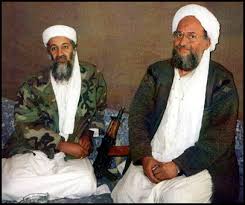
Is there an Al Qaeda - NATO connection?


The al Qaeda connection?


NWFP was hit by another terrorist attack on Tuesday afternoon when a suicide bomber blew up his car in Charsadda bazaar. More than 30 people were killed and nearly 100 others injured, including several women and children. It was the third suicide bombing since Saturday in the battle-ridden province. Suicide attacks have become a routine occurrence during the past few weeks all over Pakistan, especially in NWFP. A spate of terror attacks in recent days is obviously a backlash against the military operation in South Waziristan against the militants. According to a Tehrik-e-Taliban Pakistan (TTP) spokesman, the militants have retreated from various areas in South Waziristan as part of their war strategy and its fighters will launch a guerrilla war once the Pakistani military enters deep into all areas of South Waziristan. If the Taliban have actually managed to retreat from South Waziristan, they have either gone to North Waziristan or crossed the border into Afghanistan. When the Pakistan army was deployed for the first time since independence in FATA in 2004, the US and Pakistan agreed upon a hammer and anvil strategy whereby the US-led NATO forces were playing the role of the hammer in Afghanistan while the Pakistani forces played the role of the anvil in our tribal areas. The roles have reversed now. Successive military operations against the local Taliban have crippled their organisation, which is why they could now be crossing the border to safeguard their interests. The alarming factor is that the ‘anvil’ is nowhere to be seen as the NATO forces have vacated more than half a dozen key security checkposts on the Afghan side of the Pak-Afghan border opposite South Waziristan. In these trying times when Pakistan is in the midst of a civil war, the international community needs to come forward and help it. Instead, the NATO forces are leaving the door open for the TTP to cross over to the Afghan side without any repercussions. This would obviously undermine the military operation.

The Afghan Taliban, on the other hand, have strongly denied any association with the TTP’s campaign, strategy or tactics. Afghan Taliban commander Abdul Mannan condemned suicide bombing and termed it un-Islamic and wrong to target innocent people in blasts. He said the Afghan Taliban leaders have not crossed the border and are not hiding in Pakistan, but are targeting coalition and NATO forces from Afghan soil. With these remarks coming from the Afghan Taliban, it seems as if there is some other force helping the local Taliban and from the pattern of suicide bombings, it could well be the al Qaeda network. It is quite apparent that the TTP is getting massive funding from some source and proper training to carry out successive terror attacks all over Pakistan. The al Qaeda leadership has on a number of occasions declared war against the state of Pakistan, which makes it all the more probable that this global terror network could be supporting the TTP in its fight against the state of Pakistan.

The military is trying to eliminate the militants from the tribal region but it seems as if the country does not have enough funds for the purpose. This can be gauged from Interior Minister Rehman Malik’s statement that the government is now using development funds for the capacity building of law-enforcement agencies in a bid to improve security. If al Qaeda is actually helping the local Taliban, it is not only alarming for our country but for the whole world. Fighting the militants on this scale requires heavy-duty finances; it is time the international community, especially the US, rises to the occasion and helps Pakistan in this common cause. Peace and stability in this region, once achieved, will translate into peace all over the world. Source

Read more...

Saturday, 7 November 2009

Waziristan operation: "Name the names"; and the "mullah military alliance"

Two great articles on the situation in Waziristan. The first article by Farhat Taj requests the educated people of Waziristan to give a strong rebuttal to disinformed writers in the west and in Pakistan. The second article (in Urdu) by Abdul Haye Kakar of BBC Urdu which reveals that a dangerous link between Taliban and Pakistan Army may still be in operation in that region.


Waziristan: name the names

Saturday, November 07, 2009 (The News)
Farhat Taj

The points that Ayaz Wazir (Oct 30) raised in response to my article (Oct 26) endorsed some of the arguments that I have been making in these pages -- i.e., the previous military operations in Waziristan were not targeted and the leadership of the Taliban terrorists was tacitly given safe passages to escape. The operations ended with suspicious "peace deals" with the terrorists in complete disregard to the people of Waziristan, who wished complete elimination of the Taliban. All this has been stage-managed in pursuit of foreign-policy goals in Afghanistan.

I have a comment on Ayaz Wazir's article, and an explanation. The comment is about the questions he raised. Who was responsible for the collapse of the three institutions around which the tribal system revolved? Was it done by the tribesmen themselves? Was it done by a foreign power or non-state actors within the country? Who elevated Nek Mohammad overnight to heights of popularity by entering into a deal with him? Who was threatening Waziristan's Yargulkhail tribe of dire consequences? It certainly was not the tribesmen to be blamed for the collapse of the system.

The time to pose these questions is gone. I would request the educated people of Waziristan to name those who engineered creation of the Taliban and imposed them on Waziristan. Privately, the people of Waziristan (and Pakhtuns in general) hold state elements responsible for that. Publicly, they do not speak out.

Coming to the explanation regarding my comparison between the educated people of Swat and Waziristan, the latter may not be as integrated in the state structure of Pakistan as Swat, but most educated people of Waziristan are just as integrated in the state and society of Pakistan as those of Swat. It is unlikely that lack of integration of Waziristan might have prevented them from doing what the educated people of Swat did: use of modern technological tools and interaction with the media to highlight the brutal Taliban occupation of Swat.

When the crisis started in Swat, many Swatis created blogs and constantly informed the world about Taliban atrocities in their area. Many composed poetry and songs about the human sufferings there, and put them on YouTube. Countless Swatis were in constant contact with media people and op-ed writers, including myself. They sent us information which they wished to be presented in the media. They were complete strangers. I often cross-checked their information with my sources in Swat and mostly, their information was correct. This is something that I have not seen coming from the educated people of Waziristan.

The Swatis made a world impact in a shorter time than Waziristanis: many people around the world came to know that the people of Swat were suffering Taliban atrocities. Many Swatis worked with fake names and identities, since there was no need to show bravado, given the security situation.

Because the educated people of Waziristan are silent, people around the world and in Pakistan have provided their own answers to questions like those raised by Ayaz Wazir. The answers are not only baseless but also ridiculous. Bizarre ideas have been attributed to the people of Waziristan by writers in western countries, who, in the words of a cynical Pakhtun, are engaged in "Google scholarship" to understand Waziristan. This means they Google Waziristan and write a whole book or research papers on the area. They hardly care to crosscheck their Google knowledge with the ground realities of Waziristan, an area not accessible for independent scholarly and journalistic investigation due to the security situation. The "Google scholars" hardly pay any attention to research ethics when attributing notions to people and culture of Waziristan. They could never assign such bizarre ideas to people in western countries with the same ease with which they do in the case of the people of Waziristan, because in the west research ethics applies to researchers. Who cares about research ethics when it comes to the people and culture of Waziristan.

The other group of people who spread lies about Waziristan are armchair analysts, and pro-establishment and right-wing journalists and writers in Pakistan. The lies and the Google-scholarly notions are: the tribes of Waziristan back the Taliban, actually the tribes are the Taliban, the tribes have given refuge to Al Qaeda terrorists under the tribal code of Pakhtunwali, Talibanisation in Waziristan is a reaction to US drone attacks in the area, the Taliban are Pakhtun nationalists, Talibanisation is an indigenous movement for social justice, the people of Waziristan are attacking Pakistan because the state is seen as siding with the US, the people of Waziristan are fiercely autonomous and abhor integration in a modern state structure, etc. Most books, research and news reports about Waziristan perpetuate such hilarious and baseless nations about the people and culture there.

Both Google scholars in the western countries and pro-establishment right-wingers of Pakistan have misinformed and misled the public about Waziristan in Pakistan and abroad. They both promote their careers by writing such literature and attending conferences about Waziristan and thus make money out of the sufferings of the people of this tortured land. Whose responsibility is it challenge this all? I have not seen educated people of Waziristan questioning this situation with facts of history and the current realities of the area.

The educated people of Waziristan should give a strong rebuttal to such writers in the west and in Pakistan. I wish to remind them that freedom is never given for free. One has to fight for it. They too have to fight for the freedom of their native land from not just the Taliban but also from the Google scholars and Pakistani right-wingers.


The writer is a research fellow at the Centre for Interdisciplinary Gender Research, University of Oslo, and a member of Aryana Institute for Regional Research and Advocacy. Email: bergen34@ yahoo.com

The Mullah-Military Alliance at Work in Waziristan?

فوجی آپریشن یا فوجی مشقیں؟

طالبان اپنے زیر کنٹرول علاقوں سے ایک ایک کر کے پسپائی اختیار کر رہے ہیں

پانچ سال تک’ نو گو ایریا‘ رہنے کے بعد طالبان کے زیر کنٹرول جنوبی وزیرستان نے بالاخر اپنی یہ حیثیت گنوادی اور محض تین ہفتوں میں پاکستانی فوج نے قدرے آسانی کے ساتھ طالبان سے نوے فیصد سے زیادہ علاقہ واپس لے لیا۔

یہ سمجھا جاتا رہا تھا کہ جنوبی وزیرستان کی فوجی کاروائی اب تک ہونے والی کاروائیوں میں ہر لحاظ سے مشکل ترین ہوگی لیکن کارروائی کے آغاز کے ساتھ ہی طالبان کی ’طاقت‘ جھاگ کی طرح بیٹھتی ہوئی نظر آئی۔

اب تک ہونے والے آپریشن کے دوران مزاحمت نہ ہونے کے برابر ہے اور سکیورٹی فورسز بلا کسی رکاوٹ کے طالبان کے گڑھ سمجھے جانے والے علاقوں کی طرف کچھ اسی رفتار سے آگے بڑھ رہی ہیں جس رفتار سے کوئی انسان فطری طور پر آگے بڑھ سکتا ہے۔ بعض اوقات تو یوں لگتا ہے کہ جنوبی وزیرستان میں فوجی کاروائی نہیں بلکہ فوجی مشقیں جاری ہیں۔ایسا کیوں؟

اس کیوں کے کئی جوابات ہوسکتے ہیں۔پہلی بات تو یہ ہے کہ جنوبی وزیرستان میں فوجی کارروائی کا اعلان اس سال مئی میں ہوا تھا اور آپریشن شروع سترہ اکتوبر کو ہوا یعنی طالبان اور غیر ملکی جنگجوؤں کو تقریباً پانچ ماہ کا وقت دے دیا گیا کہ وہ یا تو بھر پور مزاحمت کے لیے تیار ہو جائیں یا پھر اپنا بوریا بستر گول کر کے کہیں اور منتقل ہوجائیں۔

طالبان نے پسپائی سے تین فائدے حاصل کیے۔ ایک تو انہوں نے اپنا اسلحہ محفوظ کر دیا دوسری اپنی افرادی قوت میں کمی نہیں آنے دی اور تیسرا یہ کہ ان کی قیادت بڑے آرام سے’کہیں اور‘ منتقل ہوگئی۔

ہوا ایسا ہی۔ اس بار تو یہ بات طے تھی حکومت کارروائی کو اپنی منطقی انجام تک پہنچائے گی لہذا شدت پسندوں کے لیے مزاحمت کی حکمت عملی خودکشی کے مترادف معلوم ہورہی تھی۔ لہذا انہوں نے علاقے خالی کرنے کی حکمت عملی کو ترجیح دی جس کے فوائد ان کی نظر میں کم جبکہ نقصانات زیادہ تھے۔ ماضی میں جنوبی وزیرستان میں جب بھی کوئی کارروائی ہوئی ہے اس وقت جنگجوؤں کے پاس’ مرو یا مارو‘ کے علاوہ کوئی اور راستہ نہیں تھا لیکن اس بار صورتحال بہت مختلف تھی۔

وزیرستان کے محسود جنگجوؤں نےگزشتہ دو سالوں میں اپنے علاقوں سے نکل کر دیگر قبائلی علاقوں میں اپنی جڑیں اتنی مضبوط کر لی ہیں کہ مصیبت کے وقت انہیں کوئی اکھاڑ کر اتنی آسانی سے زمین پر پٹخ نہیں سکتا۔ خیبر، باجوڑ، مہمند، کرم اور اورکزئی ایجنسی میں محسود طالبان نے مقامی طالبان کے ساتھ مل کر اپنی قوت میں اضافہ کیا ہے اور فیصلوں کا اختیار بھی اپنے پاس رکھا۔ فوجی کارروائی سے قبل ان پانچ مہینوں میں وزیرستان کے طالبان نے اپنے زیر کنٹرول دیگر علاقوں کی طرف اپنے اہل خانہ کو منتقل کردیا جبکہ خود جنوبی وزیرستان میں ہی رہ گئے تاکہ وقت آنے پر وہاں سے نکل سکیں۔

آپریشن کے دوران اب تک کی کارروائی کو دیکھ کر ان شکوک و شبہات کو تقویت ملتی دکھائی دیتی ہے کہ کارروائی سے قبل ہی فریقین کے درمیان ایک خفیہ مفاہمت ہوچکی تھی تاکہ فریقین ’لوز لوز‘ کی پوزیشن میں نہ رہیں اور جہاں حکومت کو طالبان کے زیر کنٹرول اپنی زمین واپس مل جائے وہیں طالبان کی افرادی قوت، تنظیمی ساخت اور اسلحہ اپنی جگہ محفوظ رہے۔

تین ہفتوں کی فوجی کارروائی میں طالبان اپنے زیر کنٹرول علاقوں سے ایک ایک کر کے پسپائی اختیار کر رہے ہیں۔ بعض مقامات پر انہوں نے علامتی مزاحمت کا مظاہرہ بھی کیا جس میں انہیں جانی نقصان بھی پہنچا مگر اتنا بھی نہیں جتنا حکومت کی طرف سے دعوی کیا جا رہا ہے۔

طالبان نے پسپائی سے تین فائدے حاصل کیے۔ ایک تو انہوں نے اپنا اسلحہ محفوظ کر دیا دوسری اپنی افرادی قوت میں کمی نہیں آنے دی اور تیسرا یہ کہ ان کی قیادت بڑے آرام سے’کہیں اور‘ منتقل ہوگئی۔ طالبان کے کمزور نہ ہونے کی ایک دلیل یہ بھی ہے کہ جنوبی وزیرستان کے نوے فیصد سے زیادہ علاقوں پر کنٹرول حاصل کرنے کے بعد بھی ملک کے دیگر بڑے شہروں پشاور، راولپنڈی اور اسلام آباد میں خودکش حملوں، بم دھماکوں اور ٹارگٹ کلنگ کا سلسلہ نہیں رکا۔

آپریشن کے دوران اب تک کی کارروائی کو دیکھ کر ان شکوک و شبہات کو تقویت ملتی دکھائی دیتی ہے کہ کارروائی سے قبل ہی فریقین کے درمیان ایک خفیہ مفاہمت ہوچکی تھی تاکہ فریقین ’لوز لوز‘ کی پوزیشن میں نہ رہیں اور جہاں حکومت کو طالبان کے زیر کنٹرول اپنی زمین واپس مل جائے وہیں طالبان کی افرادی قوت، تنظیمی ساخت اور اسلحہ اپنی جگہ محفوظ رہے


Taliban leadership survives Waziristan operation

* First phase of Waziristan operation complete
* Taliban dislodged from major strongholds, but fears of terrorists’ re-grouping persist

By Sajjad Malik

ISLAMABAD: The first phase of Operation Rah-e-Nijat in South Waziristan Agency is almost complete with the major towns cleared of the Taliban, defence sources said on Saturday, but feared that the top Taliban leadership might have survived the offensive by slipping into neighbouring regions.

The operation ended the Taliban rule in South Waziristan, where the group ran a parallel government and used the territory to launch attacks on the security forces and civilians across the country.

“Not only have their major bastions been captured but also their ammunition depots, training centres, command and control systems and hideouts have also been destroyed in the operation,” the sources said.

But the Taliban’s defeat in South Waziristan might not ensure peace in the area, as the officials believe the terrorists have only retreated to their hideouts in neighbouring tribal agencies, where they could easily regroup to launch terror more attacks across the country.

The sources also ruled out an immediate operation in North Waziristan, saying the government had an agreement with the militants in the north, which was still intact.

The sources also warned that the Taliban might return after the winter to launch guerrilla warfare and terrorise the people, as the Taliban leadership had apparently survived the onslaught by moving out of the area.

The sources said the military offensive was not a permanent solution, as the army could only ensure ground clearance, not peace.

“For peace, the government should invest in developing the Tribal Areas,” they said.

They said the government would have to take the local people into confidence and reach an “understanding” with the Taliban to ensure long-term peace. (Daily Times)


Read more...

Wednesday, 4 November 2009

A story of a boy who lost his entire family in the Peshawar bombing

Peshawar blast victim relives horror

Adnan Hussain
Adnan says all he can think about is "that terrible day"

Adnan Hussain, aged 14, lost all of his immediate family in the market place explosion in Peshawar earlier this week - the biggest bombing in the recent string of militant attacks in Pakistan.

Adnan says his relatives had gathered for his cousin's wedding in the city - but nine of them were killed in Wednesday's blast when they went shopping ahead of the festivities.

Here he relives the horror of that day in an interview with the BBC's Aleem Maqbool.


We had all been at my grandmother's house. My mum told me to go and fetch my dad from my uncle's place so we could all go to buy bangles and clothes and other stuff for the wedding.


I went to get my dad but decided not to go shopping and stayed with my uncle.

An hour later, we heard the blast.

At that time, I really didn't think my family was hurt, but my grandmother told me to go to see what had happened and to look for them.

When I realised it had happened in the market, I worried. I saw all the broken glass and the security men wouldn't let me go in. I could see they were pulling out bodies and I was scared.

The site of the explosion
More than 100 people were killed in the explosion

I ran to the hospital and waited.

One after the other four bodies came in. I really can't describe how it felt.

I lost my mother, father, two aunts, my four sisters and my brother. Sonia was 12, Irum was eight, Sehrish was six, Fariah was five and my younger brother Salman was three years old.

They still haven't found five of the bodies.

What did my family do? Why would anyone do this to them? I don't understand.

And where was the security? They always tell us there's a red alert and security is high but there was nothing.

I still have my grandmother, and my uncle told me not to worry and that he will take care of my schooling.

But all I can think about is that terrible day and I want to cry.


BBC News
...


’بہنوں، بھائی اور والد کی لاشیں نہیں ملیں‘

عدنان، پشاور

جب تک ان کے والد اور بنہوں کے حوالے سے کوئی حتمی بات سامنے نہیں آتی انھیں سکون نہیں ملے گا:عدنان

پاکستان کے صوبہ سرحد کے دارالحکومت پشاور کے پیپل منڈی بازار میں ہونے والے ہولناک بم دھماکے میں ایک ہی خاندان کے نو افراد کی ہلاکت کے بعد اب اس کنبےمیں صرف ایک لڑکا عدنان حسین رہ گئے ہیں۔

پشاور میں دھماکے کے نتیجے میں عدنان کے والدین، چار بہنیں، ایک بھائی اور دو خالہ ہلاک ہوئے ہیں۔عدنان روزانہ اس امید سے ہسپتال جاتے ہیں کہ شاید ان کے لاپتہ تین بہنیں، ایک بھائی اور والد میں سے کسی کی لاش ملے تاکہ انھیں کچھ ذہنی سکون مل سکے لیکن ابھی تک ان میں سے کسی کی میت نہیں مل سکی ہے۔

چودہ سالہ عدنان حسین اس حادثے کے بعد اکیلے رہ گئے ہیں۔ وہ آج کل اندرون شہر کے علاقے چڑیگان میں اپنے چچا کے ساتھ رہ رہے ہیں۔ وہ نویں جماعت کے طالب علم ہیں۔ عدنان اور ان کے خاندان کا تعلق بنیادی طور پر پشاور سے ہے تاہم وہ گزشتہ کچھ عرصے سے راولپنڈی میں مقیم تھے۔ عدنان کا تعلق ایک غریب خاندان سے ہے۔ ان کے والد راولپنڈی میں فروٹ چاٹ فروخت کرتے تھے۔

عدنان کا کہنا ہے کہ ان کے کزن کی شادی تھی جس کے لیے سارا خاندان خصوصی طور پر راولپنڈی سے پشاور آیا ہوا تھا۔ انہوں نے کہا کہ ان کے امی ابو اور بہنیں بازار میں شادی کے لیے خریداری کر رہے تھے کہ اس دوران وہاں تباہ کن دھماکہ ہوا جس میں خاندان کے نو افراد ہلاک ہوئے۔ ہلاک ہونے والوں میں ان کی والدہ، والد، چار بہنیں، ایک چھوٹا بھائی اور دو خالہ شامل ہیں۔

عدنان کا کہنا ہے کہ ان کے کزن کی شادی تھی جس کےلیے ان کا سارا خاندان خصوصی طور پر راولپنڈی سے پشاور آیا ہوا تھا۔ انہوں نے کہا کہ ان کے امی، ابو اور بہنیں بازار میں شادی کے لیے خریداری کر رہے تھے کہ اس دوران وہاں تباہ کن دھماکہ ہوا جس میں خاندان کے نو افراد ہلاک ہوئے۔ ہلاک ہونے والوں میں ان کی والدہ، والد، چار بہنیں، ایک چھوٹا بھائی اور دو خالہ شامل ہیں۔

انہوں نے کہا کہ ان کا بھی امی ابو کے ساتھ بازار جانے کا پروگرام تھا لیکن ابو نے انھیں منع کیا کہ وہ گھر میں رہیں۔ ’جب دھماکہ ہوا تو اس وقت تک مجھے معلوم نہیں تھا کہ میری تمام بہنیں بھی بازار گئی ہوئی ہیں بلکہ میں تو یہ سمجھ رہا تھا کہ صرف ابو، امی اور خالہ بازار میں ہیں باقی سب لوگ گھر پر موجود ہیں لیکن یہ تو بعد میں چچا نے بتایا کہ بہنیں بھی بازار میں تھیں۔‘

انہوں نے کہا کہ ’ابھی تک صرف چار لاشیں مل سکی ہیں جنھیں دفن کردیا گیا ہے لیکن میرے ابو اور بہنیں جن میں ارم، سحرش، فری اور تین سالہ بھائی سلمان حسین شامل ہیں وہ بدستور لاپتہ ہیں۔‘

عدنان حسین

میرے ابو اور بہنیں جن میں ارم، سحرش، فری اور تین سالہ بھائی سلمان حسین بدستور لاپتہ ہیں

انہوں نے کہا کہ وہ روزانہ اس امید سے ہسپتال جاتے ہیں کہ کہی نہ کہی سے تو لاشوں کے بارے میں معلوم ہوسکے گا لیکن تاحال کچھ معلوم نہیں ہوسکا ہے۔

عدنان کے بقول ’ہم نے جائے وقوعہ سے ملنے والی انسانی اعضاء بھی دیکھے ہیں جو ہسپتالوں میں تابوتوں میں رکھے گئے ہیں لیکن ان میں بھی میرے ابو اور بہنوں کے اعضاء کی شناخت نہیں ہوسکی ہے۔‘

انہوں نے کہا کہ ’دو تین دن پہلے ایک لاوارث لاش ہسپتال لائی گئی تھی جو جسم سے بالکل میرے ابو جیسے لگ رہی تھی لیکن چچا نے لاش دیکھی تو کہنے لگے کہ یہ تمہارے ابو نہیں کیونکہ میں انھیں ہاتھ پاؤں سے شناخت کر سکتا ہوں۔‘

عدنان کہتا ہے کہ جب تک ان کے والد اور بہنوں کے حوالے سے کوئی حتمی بات سامنے نہیں آتی انھیں سکون نہیں ملے گا کیونکہ ایک امید بندھی ہوئی ہے ۔

فائل فوٹو، پشاور کار بم دھماکا

پشاور میں گزشتہ بدھ کو ہونے والے کار بم دھماکے میں خواتین اور بچوں سمیت ایک سو اٹھارہ افراد ہلاک ہوئے

انہوں نے کہا جب سے یہ واقعہ پیش آیا ہے تو بہت اکیلے رہ گئے ہیں کیونکہ ان کا کوئی بہن بھائی زندہ نہیں رہے۔ تنہائی میں ماں اور چھوٹی بہن بہت یاد آتی ہیں۔عدنان بات کرتے وقت انتہائی افسردہ نظر آ رہے تھے۔ ان کے ساتھ وہاں ان کے دو چچا بھی موجود تھے جو انھیں مسلسل تسلی دے رہے تھے۔

عدنان کا کہنا ہے کہ اس واقعہ کو ہوئے ایک ہفتہ پورا ہونے کو ہے لیکن ابھی تک ان کے پاس کوئی حکومتی نمائندہ نہیں آیا اور نہ ہی انہیں کسی نے معاوضہ دینے کا کہا ہے۔

انہوں نے کہا کہ لوگ کہہ رہے ہیں کہ حکومت ہلاک شدگان کے لواحقین کو رقم دے گی اور انہیں گھر تعمیر کر کے دے گی لیکن ابھی تک سرکاری طور پر کسی نے رابط نہیں کیا ہے


Read more...

Monday, 2 November 2009

Taliban / Sipah-e-Sahaba attack a bank outside Army GHQ in Rawalpindi. At least 20 killed.


This site has moved to http://criticalppp.com, click this link if you are not redirected
Read more...

Thursday, 29 October 2009

Death toll from Peshawar blast rises to 104

Extremism, whatever the historical reasons that are bent around trying to understand it and place it in our national and cultural context, now envelops all of us in a deadly and debilitating cloud. There will be the usual cries that 'those who did this are not Muslims'…but of course they were. This was not some plot hatched and executed by mad Hindus or Sikhs, this is a plot that will have been hatched within a few miles of where the blast occurred, by men who believe that their piety and vision of a Muslim future world, wherein their own paradigm will rule supreme, is best achieved by shredding the bodies of their fellow Muslims. There are groups of extremists in every province, not all coordinated by any means nor sharing the same agenda, which are steadily eroding the national morale. The government is standing fast and firm in Waziristan, but the blowback is there for us all to see every day. The forces of law and order, especially the police, are nowadays stretched beyond reasonable limits, and we should refrain from laying the blame at their door seconds after every blast or atrocity. Simply, the police are a finite resource – in every country – and those that we have here in Pakistan are poorly paid, badly equipped and often indifferently led. (We will leave aside issues relating to corruption for today.) Given that the police forces of every town and city across the land are just beginning to get to grips with the demands of securing the nations schools, their scant resources cannot be spread much thinner to provide security to every bazaar and shopping mall nationwide. There will be other blasts in the future, as there have been today and in the past. Some terrorists we will intercept, but it only needs one to get through. The blitz they inflict on us may be awful but we must show our resolve, our unwillingness to be cowed, and say 'No, you shall not pass, neither shall we give you relief….now get you hence, Beast, because this is our land, not yours. (The News, Editorial, 29 Oct 2009)

Death toll from Peshawar blast rises to 104
By Ali Hazrat Bacha
Thursday, 29 Oct, 2009 (Dawn)
Volunteers rush an injured child to a hospital after an explosion in Peshawar.—AP

PESHAWAR: At least 104 people, mostly women and children, were killed and over 150 injured when a huge car bomb ripped through a crowded market here on Wednesday.

The blast triggered a huge fire which engulfed a number of buildings near the Meena Bazaar. A plume of dust and smoke billowed from narrow lanes of the market situated in the old part of the city.

A senior intelligence official blamed terrorists based in Darra Adamkhel for the attack. ‘We intercepted a call last week in which militants were talking about a ‘heart-rending’ attack in Peshawar,’ he said.

A representative of the shopkeepers’ association said threats had been received in recent days with militants demanding that women be forbidden from going to the market.

The blast took place in two narrow lanes between Meena Bazaar and Kochi Bazaar frequented by women.

A cotton warehouse in the market caught fire which spread to several buildings on the Cheri Koban road. A number of shops along the narrow road, vehicles and carts were gutted.

Most of the bodies were charred beyond recognition and till late night only 25 of them had been identified.

Hospital sources said the death toll could rise because scores of badly burnt and injured people were in a critical condition.

‘It was a car bomb blast and over 150 kilograms of explosives were used,’ in-charge of the bomb disposal unit AIG Malik Shafqar Mahmud said.

He said that an initial investigation suggested that explosives had been detonated by remote control. The blast caused massive losses because it had taken place in a narrow and busy market, he added.

‘About 70 of the dead are women and children. Scores of the injured are in a critical condition,’ said Dr Sahib Gul, the in-charge of Trauma Centre at the Lady Reading Hospital, Peshawar.

‘The blast was so huge that it jolted the entire area and within seconds plumes of smoke and dust started emitting out of a building near Al-Falah Mosque,’ Karim Khan, a shopkeeper, said.

Ezat Khan, another shopkeeper, said that parking of vehicles outside shops was not allowed, but it could not be ascertained how the driver of the explosives-laden car had managed to park it there.

Fire-engines, ambulances and other rescue vehicles faced difficulty in reaching the scene because of congestion and narrow lanes. People were seen taking the bodies and the injured to hospitals in cars, rickshaws and even on motorcycles.

A fire-fighter said that many children and women trapped in the debris of several buildings were crying for help, but rescue workers could not reach them because of huge flames.

A group of men trapped under the roof of a nearby mosque were rescued.

Rescue work was in progress till late night and workers were finding it difficult to remove the debris.

It was feared that some people were still trapped in the rubble because rescue personnel had heard them wailing and crying.

All shops in the area were closed after the blast and people started searching for their relatives.

A crowd of people inside the trauma room and emergency hall of the Lady Reading Hospital made it difficult for medical staff to perform their duty.

Distressed people, including women, were seen searching for relatives in the hospital, but recognising them was difficult because most of the bodies were mutilated. Stench of blood and human flesh hung in the air in the hospital.


Read more...

Monday, 26 October 2009

Imperatives of the Waziristan operation


Monday, October 26, 2009
Farhat Taj

This is primarily in response to Roedad Khan’s piece of Oct 21 titled “Forgotten lessons of history.” Mr Khan has misrepresented the history and current realities of Waziristan. True, there was a resistance movement in Waziristan against the British army in the past but surely the Pakistan army right now is not a colonial army trying to occupy Waziristan.

The relationship between Pakistan and the Waziristan tribes is different from what it was with the British: the tribes now accept the reality that the region is an integral part of Pakistan. In fact, that it has been their constant complaint for the past several decades that they wanted greater integration into the mainstream so as to benefit from increased socio-economic development. I would go as far to suggest that it is only the mostly-Islamabad-based armchair analysts who are questioning the ongoing military operation in Waziristan because, by and large, the people of the region understand that there is a real danger to them and to the country from the Taliban and Al Qaeda. What they also say is that till now the state had not been serious in standing up to the extremists which have gained a solid foothold in the region and in that regard the operation is seen to bring some element of hope.

As far as the displacement of the people of the two agencies is concerned, that began well before the current military operation. While no definitive statistics are available to indicate any definitive conclusion on the issue, there is enough anecdotal evidence to strongly suggest that many of the financially better-off people of the region had already migrated from their homes some time back. Most of the people who are moving now – or who have moved in the recent past – are those who did not have the means to have migrated earlier. Many of those who left in the past did so because of the barbarism of the Taliban and their allies in Al Qaeda and the inability of the state to protect their lives and properties. Those who are moving now, in the wake of the ongoing military operation, lived a life of pure survival where they did not oppose – for obvious reasons – the extremists who had gained control over the region.

Some armchair intellectuals and analysts propagate the view that the militants and extremists are a kind of a tribal resistance to the Pakistan army, which they see as now fighting America’s war. Nothing can be farther from the truth. For the record, the Taliban and Al Qaeda have never claimed to represent tribal society or stand up for Pakhtun nationalism. Their aim to further a global ideology which in their view should transcend all geographical borders and ethnicities – and that explains why those inclined towards this kind of worldview have come to Waziristan for training from all over the world.

No wonder one finds, apart from the indigenous Pakhtuns of course, Arabs, Uzbeks, Tajiks, Africans, Punjabis and even people from European countries in Waziristan. And this is not because the people of Waziristan love them but because the state of Pakistan had till now surrendered its writ in the area. The militants have waged a war against the two most important pillars of tribal society: the jirga or tribal council and the lashkar, or a tribal volunteer army. Hundreds of tribal elders have been target-killed and tribal society has ceased to function in Waziristan.

Now, moving on to another point raised by Roedad Khan, in his article, which was to compare the Faqir of Ipi with the Taliban leadership based in Waziristan. This is akin to an insult to the Faqir because, unlike the Taliban commanders, he was fighting for the land and for the people of Waziristan – and he was fighting a colonial power. He did not make grand claims in terms of spreading a religious ideology globally and he never killed or targeted any local people. He never banned the tribal jirga – rather, his struggle was endorsed by the jirgas. Also, he never banned music, dance or any other local custom. Furthermore, he and his men never attacked women and children and did not do anything to places of worship.

Resistance to colonial rule is just one aspect of the history of Waziristan. The other aspect is that there was a working relationship with the British masters for much of the time, and that should not be difficult to understand. Society in the region is like any other and so it responds differently to different circumstances. Many sub-tribes of Waziristan entered into smooth working relationship with the British after the they established colonial rule over the area through the office of political agent.

What is somewhat surprising about the occupation of Waziristan by militants and extremists is perhaps the silence of the educated people of the area. The educated from the Wazir, Mehsud, Dawar and Bhittani tribes are all well-integrated into the state structure and hold high-ranking positions both in civil and military bureaucracy of Pakistan, but one hasn’t come across too many of them speaking up for their land. This is remarkably dissimilar to what happened in the case of Swat where the arrival of the Taliban and their eventual control of the valley resulted in a national outpouring of protest and resentment from many Swatis.

To a greater extent, Swat is now free of Taliban control. The educated people of Swat, both in Pakistan and abroad, share a credit for that. Every educated Swati did whatever he or she could to inform the world about the Taliban atrocities in their hometown. I wonder why the educated people of Waziristan have been silent for years. What good is their education for? By keeping silent they are behaving like enemies of Waziristan rather than brave sons and daughters of the land. It is true that the educated families of Waziristan have also suffered due to the target killing in the area. But that does not mean they resign themselves to the adverse circumstances. They must now stand up and make alliances with like minded people all over Pakistan to stop the military from engaging in any more dubious peace deals with the terrorists and make sure that the operation Rah-e-Nijat is taken to its logical end—the complete elimination of the terrorists.

There are Pakistani and foreign terrorists in Waziristan running an Islamist Emirate there. The Pakistanis are mostly Pakhtun and Punjabis. The army must treat them as dangerous criminals. The foreigners are stateless Uzbeks, Arabs, Africans, Afghans, Chechens, Tajiks and even Muslim immigrants from Europe. If deported, they would mostly likely be killed in many of their countries of origin. Waziristan is the only place in the world where they could freely rule. They are not going to surrender their rule easily. For them it is do or die. They will give a very tough fight to the army. But the army must keep fighting them, no matter what, because the alternative is disaster.

The writer is a research fellow at the Centre for Interdisciplinary Gender Research, University of Oslo, and a member of Aryana Institute for Regional Research and Advocacy. Email: bergen34@yahoo.com (The News)

....

Support for the troops
By Huma Yusuf
Monday, 26 Oct, 2009
Troops patrol in Mingora.— Photo from AFP/File

RECENTLY, I was standing in the immigration line atAtlanta’s international airport along with dozens of arrivals to the US from South Asia, Africa and the Middle East. Nearby, Americans were also lining up to re-enter their country.

While we waited, a flight carrying International Security Assistance Force (based in Afghanistan) troops set down. With no need to clear immigration, the troops, in army fatigues and carrying backpacks, walked through the arrivals hall in sporadic batches.

As each group passed the line of foreigners, they were met by deathly silence, piercing stares, rolling eyes or deep sighs. As they reached the Americans, though, there was an explosion of cheers, applause and hooting.

Throughout my recent trip to the US, I was reminded of that country’s unwavering backing of its armed forces. Walk into Starbucks, and you’ll be asked if you want to donate instant coffee to the troops this morning. Get on a bus, and the man across from you will be sporting an ‘I support the troops in Afghanistan’ button.

Pick up a women’s magazine, and the ‘guy of the month’ will be a serving officer. And this in a country where, according to a recent Gallup/USA Today poll, 45 per cent of the population does not favour a troop surge in Afghanistan.

Here, in Pakistan, a similar outpouring of support for our army is made impossible by that institution’s longstanding entanglement with civilian politics. Writing on these pages, Shandana Khan Mohmand rightfully asked, ‘why, after all these years, are we not able to differentiate between the army’s rightful role as defenders of Pakistanis, and its wrongful role as a political force?’ In this moment, however, it’s essential that Pakistanis learn to see the difference.

In the wake of the GHQ attack, troop morale must have been compromised. In Waziristan, the jawans are ill-equipped, dealing with stiff resistance from Uzbek and TTP fighters, and toiling under the knowledge that their 3:1 ratio against the area’s militants is probably not enough to decisively win this battle. They have been described as American mercenaries and are being held responsible for the mass displacement of thousands of people. Their deaths — like those of the militants they’re battling — are becoming statistics.

It also doesn’t help that recent setbacks in Swat — after what was described as a victory over the Taliban — have clarified that there’s no such thing as a conclusive victory when it comes to counterterrorism operations. And days into the Rah-i-Nijat push, the thought of a new frontline emerging in Punjab has to be an exhausting proposition.

Under these circumstances, the army, in its role as the defender of Pakistanis, should be backed by nationwide support. Before the Waziristan operation was launched, the political leadership expressed its support of the army. Talking heads on television acknowledge that we are relying on the army to ‘save’ us. And last week, traders in Rawalpindi brandished banners supporting the army. But don’t the foot soldiers deserve more?

Ironically, Pakistan’s failure to stand by its troops in a time of war is a direct consequence of the army’s omnipresence as a political force. Any support the public has recently expressed for the army has been in its political capacity; this, in turn, has negated the public’s backing of the army in its current role as the nation’s defender.

Consider the ongoing brouhaha surrounding the Kerry-Lugar act. Though widely read as a symptom of endemic anti-Americanism, opposition to the act was also a demonstration of regard for the army as a political institution that need not be checked by the civilian government.

Instead of bolstering public and official support for the army during Rah-i-Nijat, campaigns against the act have heightened tensions between the government and army, and forced civil society to dwell on the army’s many undemocratic indiscretions at a time when we should be grateful for their sacrifices in the battlefield.

Similarly, Interior Minister Rehman Malik’s recent comment about terror attacks being orchestrated by India toes the army’s political line, but does the troops on the ground a disservice. Knee-jerk, anti-India rhetoric is the hallmark of Pakistan’s military-dominated foreign policy. But it also muddies the waters with regard to the Waziristan offensive.

If the public is to believe that India is responsible for this country’s predicament, then the ongoing operation seems misguided — an example of kowtowing to American demands while real trouble brews on the eastern border.

Headlining India also confuses the public perception of the army’s real intentions inWaziristan. After all, some might wonder, if India is the real threat, why should the army fully eradicate the strategic assets it has been cultivating all these years.

The fallout of such politicking is less support — in both figurative and real terms — for our troops at the frontlines. For example, Maulvi Sher Mohammad, the founder of an anti-Taliban Mehsud militia, recently refused to fight alongside the army in Waziristan, claiming that he did not fully trust the military’s motives.

As attacks become more audacious, Pakistanis need to stand by the troops confronting the militants head on. One of the first ways to do this is by not raising objections to the newUS defence bill, which will provide $2.3bn in the coming fiscal year. The bill requires that this money be monitored, but that’s not always a bad thing.

At the moment, the US is holding back important equipment, such as helicopters and satellite phone jamming equipment, needed to fight militants because of the Pakistan Army’s past financial lapses and history of turning a blind eye to Taliban attacks against UStroops (a consequence of its political stance).

If confident that the army is committed to countering terrorism, the US will share equipment and intelligence with Pakistan. Such resources will help the army better defend this country, and reposition Pakistan as a partner — not a client state — in the war against terror.

huma.yusuf@gmail.com (Dawn)


Read more...

Sunday, 25 October 2009

Taliban's psywar in Pakistan

Capital suggestion
The psywar


Sunday, October 25, 2009
Dr Farrukh Saleem

On Oct 23, a suicide bomber attacked the aeronautical complex in Kamra. On Oct 22, gunmen shot-dead an army brigadier. On Oct 20, two suicide attackers bombed the International Islamic University, Islamabad. On Oct 16, a suicide bomber rocked the offices of the Special Investigation Unit (SIU) in Peshawar Cantonment. On Oct 15, a multi-man assault team attacked the Federal Investigation Agency (FIA) building, the Manawan Police Training School and the Elite Police Academy, all in Lahore.

On Oct 5, a suicide bomber dressed in military fatigue blew himself inside the United Nations World Food Programme in Islamabad. On Oct 9, a suicide bomber attacked Khyber Bazaar in Peshawar. On Oct 10, at least nine militants in army uniforms stormed the nerve-centre of Pakistan's robust military machine, GHQ. On Oct 12, a suicide bomber attacked a military convoy in Shangla.

Kamran Bokhari, my friend and colleague, and Regional Director, Middle East & South Asia for Stratfor, a Texas-based private intelligence outfit, asserts that this is classic 'psychological warfare' or psywar. According to Kamran, "The militants lack the capacity to take on the military might of the Pakistan army and so they resort to psywar."

Over the past two weeks there have been a dozen major incidents of terrorism-related violence. To be certain, militants are no match for the 7th Infantry Division, Golden Arrow, Pakistan army's "oldest and most battle-hardened division", marching southwards from Razmak. Militants cannot take on the 9th Infantry Division -- closing in on Makeen -- in a conventional face-off.

From a purely strategic standpoint, all of these incidents put together mean next to nothing to the Pakistan army as none of this has been able to damage the core physical fighting capacity of the military. To be certain, these are all militant-designed tactical manoeuvres in a long drawn-out clash of nerves.

What message do the militants want to convey? One, that they are alive and kicking. Two, that South Waziristan is not the only troubled spot in Pakistan; Islamabad, Peshawar, Rawalpindi and Lahore are not beyond their reach either. Three, that Pakistan is in a state of civil war. Four, that the whole of Pakistan is unsafe to live. Five, they want Pakistan isolated from the rest of the world.

What do the militants really want? A Pakistan that lacks 'order and predictability'. They want an absolute "absence of government -- a state of lawlessness". The militants want to create an environment where normal state of governance cannot continue. Kamran is convinced that there is a "method to their madness" and that the militants want to "overwhelm the state of Pakistan" and bring her down to her knees through psychological warfare -- economically, socially and politically.

Psychological terrorist warfare can be defined as the "planned use of violence having the primary purpose of influencing the opinions, emotions, attitudes and behaviour" in order to mould the state from taking action against terrorists. What that means is that terrorists cannot face the state of Pakistan in a symmetrical conflict and thus the use of terrorist violence to "influence the opinions, emotions, attitudes and behaviour" of Pakistanis in order to establish terrorist diktat over the state and society of Pakistan; a 'harsh, unilaterally imposed' diktat over the whole of Pakistan.

To be sure, the militants are serious. Between 2003 and 2009, fatalities in terrorist violence stand at 22,110 of which 7,004 were civilians, 2,637 were security force personnel. What should the state and society do? Society should not fall into the terrorist trap and the state must beef up its intelligence. Remember, it's not symmetric, it's war of intelligence. Society should not let incidents of terrorist violence influence its opinions, emotions, attitudes and behaviour in favour of the terrorists.

The writer is the executive director of the Centre for Research and Security Studies (CRSS). Email: farrukh15@hotmail.com (The News)
...

Defending Taliban: EDITORIAL: South Punjab and Taliban

In a TV discussion, ex-Jama’at-e Islami chief Qazi Hussain Ahmad asserted that the terrorists who were killing innocent Pakistanis were not only not Muslims but that the killing was being done by three enemy states: the United States, India and Israel. In another TV discussion, Punjab Law Minister Rana Sanaullah made the case that South Punjab was not the home of terrorism and that the territory of South Punjab was being exaggeratedly expanded by critics to include cities like Jhang.

Qazi Hussain Ahmad rounded off his scenario of a three-state attack on Pakistan by saying that the US wanted to destroy Pakistan’s nuclear programme because it did not want an Islamic state to possess the atom bomb and join the club of nuclear powers. The discussion did not pinpoint the identity of those who killed innocent Pakistanis, so we will not know what he thought of the Tehreek-e-Taliban Pakistan (TTP), especially when it routinely announces ownership of the lethal suicide attacks being carried out in the country.

The JI line on the TTP is that they are own people determined to fight the Americans and that the government should talk to them instead of despatching troops into their territory. One can say that it has tactfully placed itself at the head of all the elements in Pakistan who embrace anti-Americanism and reject “conditional” American aid to Pakistan in these days of economic crisis, manifested each day by protesting state employees who have not received their salaries for months.

But one must note the reluctance on the part of JI leaders like Qazi Hussain Ahmad to define the Taliban as terrorists after alleging that those who kill are not Pakistanis but those paid to do the dirty work by the US-Indian-Israel combine. But in Indian-administered Kashmir, the Jama’at chief Mr Ali Gilani is prepared to concede that “the Taliban are defaming Islam by killing innocent people and destabilising Pakistan”.

His repartee to TTP chief Hakimullah’s claim that he was committed to spreading Islam was: “The Taliban are portraying Islam in a poor light and are defaming it. I advise them to give up violence and bring Islamic revolution in the country by adopting peaceful means”. The opinion in Pakistan too has swung around after the TTP’s misdeeds in the Malakand-Swat region. The Pakistan Army has undertaken its operations against the terrorists only after gauging the mood of the people. There was simply no other alternative.

The ANP government in the NWFP, which replaced the MMA government of which the JI was a part, thinks differently. It sees the survival of the country only in confronting and defeating the terrorists. Despite its anti-American credentials, it doesn’t think that those killing the innocent citizens are agents of the US-India-Israel combine. Additionally, it wants the Punjab government to assist in lessening the intensity of TTP violence by reining in its own Punjabi Taliban.

The Punjab government is however not convinced that the Punjabi Taliban are embedded in South Punjab alone: according to Rana Sanaullah, they are no more, no less than such elements found in all the regions of the country. It develops that the “official” delineation of what is South Punjab is different from the experts who write on terrorism in the province. Administratively, for instance, Jhang doesn’t fall in South Punjab, but culturally and linguistically it does.

If you count Jhang in South Punjab then terrorism actually owes its birth there, with time spawning breakaway outfits that spread from South Punjab in all directions. Scholars who study the phenomenon include the following cities in the 13 districts of South Punjab: Bahawalnagar, Bahawalpur, Bhakker, Dera Ghazi Khan, Jhang, Khanewal, Layyah, Lodhran, Multan, Muzaffargarh, Rahimyar Khan, Rajanpur, and Vehari. The Seraiki Movement in South Punjab actually includes many additional districts of Upper Punjab too.

It is also denied that DG Khan has an abnormal concentration of militant madrassas. Editor of The Nation, Ms Shireen Mazari, who hails from DG Khan wrote recently: “In DG Khan, taking both its tehsils, there are 185 registered madrassas, of which 90 are Deobandi (with a total of 324 teachers), 84 are Barelvi (with a total of 212 teachers), six are Ahl-e-Hadith (107 teachers) and five are Fiqh-e-Jafaria (10 teachers)”. The unregistered madrassas are not in the count.

Punjab has done well to upgrade its police department. South Punjab is a challenge that it must tackle with a first-rate police cadre and a highly developed intelligence network. Let us not force the army to tackle what the province can take care of within its own jurisdiction. On the other hand, the JI must clear its mind about terrorism and not obfuscate the issue through populist politics. (Daily Times)


Read more...