Editor's Choice

--------------------------------------------------------------------------------------------------------------------------
Featured Post
--------------------------------------------------------------------------------------------------------------------------

"Let us build Pakistan" has moved.
30 November 2009

All archives and posts have been transferred to the new location, which is: http://criticalppp.com

We encourage you to visit our new site. Please don't leave your comments here because this site is obsolete. You may also like to update your RSS feeds or Google Friend Connect (Follow the Blog) to the new location. Thank you.


--------------------------------------------------------------------------------------------------------------------------
Showing posts with label Farhat Taj. Show all posts

Saturday, 7 November 2009

Waziristan operation: "Name the names"; and the "mullah military alliance"

Two great articles on the situation in Waziristan. The first article by Farhat Taj requests the educated people of Waziristan to give a strong rebuttal to disinformed writers in the west and in Pakistan. The second article (in Urdu) by Abdul Haye Kakar of BBC Urdu which reveals that a dangerous link between Taliban and Pakistan Army may still be in operation in that region.


Waziristan: name the names

Saturday, November 07, 2009 (The News)
Farhat Taj

The points that Ayaz Wazir (Oct 30) raised in response to my article (Oct 26) endorsed some of the arguments that I have been making in these pages -- i.e., the previous military operations in Waziristan were not targeted and the leadership of the Taliban terrorists was tacitly given safe passages to escape. The operations ended with suspicious "peace deals" with the terrorists in complete disregard to the people of Waziristan, who wished complete elimination of the Taliban. All this has been stage-managed in pursuit of foreign-policy goals in Afghanistan.

I have a comment on Ayaz Wazir's article, and an explanation. The comment is about the questions he raised. Who was responsible for the collapse of the three institutions around which the tribal system revolved? Was it done by the tribesmen themselves? Was it done by a foreign power or non-state actors within the country? Who elevated Nek Mohammad overnight to heights of popularity by entering into a deal with him? Who was threatening Waziristan's Yargulkhail tribe of dire consequences? It certainly was not the tribesmen to be blamed for the collapse of the system.

The time to pose these questions is gone. I would request the educated people of Waziristan to name those who engineered creation of the Taliban and imposed them on Waziristan. Privately, the people of Waziristan (and Pakhtuns in general) hold state elements responsible for that. Publicly, they do not speak out.

Coming to the explanation regarding my comparison between the educated people of Swat and Waziristan, the latter may not be as integrated in the state structure of Pakistan as Swat, but most educated people of Waziristan are just as integrated in the state and society of Pakistan as those of Swat. It is unlikely that lack of integration of Waziristan might have prevented them from doing what the educated people of Swat did: use of modern technological tools and interaction with the media to highlight the brutal Taliban occupation of Swat.

When the crisis started in Swat, many Swatis created blogs and constantly informed the world about Taliban atrocities in their area. Many composed poetry and songs about the human sufferings there, and put them on YouTube. Countless Swatis were in constant contact with media people and op-ed writers, including myself. They sent us information which they wished to be presented in the media. They were complete strangers. I often cross-checked their information with my sources in Swat and mostly, their information was correct. This is something that I have not seen coming from the educated people of Waziristan.

The Swatis made a world impact in a shorter time than Waziristanis: many people around the world came to know that the people of Swat were suffering Taliban atrocities. Many Swatis worked with fake names and identities, since there was no need to show bravado, given the security situation.

Because the educated people of Waziristan are silent, people around the world and in Pakistan have provided their own answers to questions like those raised by Ayaz Wazir. The answers are not only baseless but also ridiculous. Bizarre ideas have been attributed to the people of Waziristan by writers in western countries, who, in the words of a cynical Pakhtun, are engaged in "Google scholarship" to understand Waziristan. This means they Google Waziristan and write a whole book or research papers on the area. They hardly care to crosscheck their Google knowledge with the ground realities of Waziristan, an area not accessible for independent scholarly and journalistic investigation due to the security situation. The "Google scholars" hardly pay any attention to research ethics when attributing notions to people and culture of Waziristan. They could never assign such bizarre ideas to people in western countries with the same ease with which they do in the case of the people of Waziristan, because in the west research ethics applies to researchers. Who cares about research ethics when it comes to the people and culture of Waziristan.

The other group of people who spread lies about Waziristan are armchair analysts, and pro-establishment and right-wing journalists and writers in Pakistan. The lies and the Google-scholarly notions are: the tribes of Waziristan back the Taliban, actually the tribes are the Taliban, the tribes have given refuge to Al Qaeda terrorists under the tribal code of Pakhtunwali, Talibanisation in Waziristan is a reaction to US drone attacks in the area, the Taliban are Pakhtun nationalists, Talibanisation is an indigenous movement for social justice, the people of Waziristan are attacking Pakistan because the state is seen as siding with the US, the people of Waziristan are fiercely autonomous and abhor integration in a modern state structure, etc. Most books, research and news reports about Waziristan perpetuate such hilarious and baseless nations about the people and culture there.

Both Google scholars in the western countries and pro-establishment right-wingers of Pakistan have misinformed and misled the public about Waziristan in Pakistan and abroad. They both promote their careers by writing such literature and attending conferences about Waziristan and thus make money out of the sufferings of the people of this tortured land. Whose responsibility is it challenge this all? I have not seen educated people of Waziristan questioning this situation with facts of history and the current realities of the area.

The educated people of Waziristan should give a strong rebuttal to such writers in the west and in Pakistan. I wish to remind them that freedom is never given for free. One has to fight for it. They too have to fight for the freedom of their native land from not just the Taliban but also from the Google scholars and Pakistani right-wingers.


The writer is a research fellow at the Centre for Interdisciplinary Gender Research, University of Oslo, and a member of Aryana Institute for Regional Research and Advocacy. Email: bergen34@ yahoo.com

The Mullah-Military Alliance at Work in Waziristan?

فوجی آپریشن یا فوجی مشقیں؟

طالبان اپنے زیر کنٹرول علاقوں سے ایک ایک کر کے پسپائی اختیار کر رہے ہیں

پانچ سال تک’ نو گو ایریا‘ رہنے کے بعد طالبان کے زیر کنٹرول جنوبی وزیرستان نے بالاخر اپنی یہ حیثیت گنوادی اور محض تین ہفتوں میں پاکستانی فوج نے قدرے آسانی کے ساتھ طالبان سے نوے فیصد سے زیادہ علاقہ واپس لے لیا۔

یہ سمجھا جاتا رہا تھا کہ جنوبی وزیرستان کی فوجی کاروائی اب تک ہونے والی کاروائیوں میں ہر لحاظ سے مشکل ترین ہوگی لیکن کارروائی کے آغاز کے ساتھ ہی طالبان کی ’طاقت‘ جھاگ کی طرح بیٹھتی ہوئی نظر آئی۔

اب تک ہونے والے آپریشن کے دوران مزاحمت نہ ہونے کے برابر ہے اور سکیورٹی فورسز بلا کسی رکاوٹ کے طالبان کے گڑھ سمجھے جانے والے علاقوں کی طرف کچھ اسی رفتار سے آگے بڑھ رہی ہیں جس رفتار سے کوئی انسان فطری طور پر آگے بڑھ سکتا ہے۔ بعض اوقات تو یوں لگتا ہے کہ جنوبی وزیرستان میں فوجی کاروائی نہیں بلکہ فوجی مشقیں جاری ہیں۔ایسا کیوں؟

اس کیوں کے کئی جوابات ہوسکتے ہیں۔پہلی بات تو یہ ہے کہ جنوبی وزیرستان میں فوجی کارروائی کا اعلان اس سال مئی میں ہوا تھا اور آپریشن شروع سترہ اکتوبر کو ہوا یعنی طالبان اور غیر ملکی جنگجوؤں کو تقریباً پانچ ماہ کا وقت دے دیا گیا کہ وہ یا تو بھر پور مزاحمت کے لیے تیار ہو جائیں یا پھر اپنا بوریا بستر گول کر کے کہیں اور منتقل ہوجائیں۔

طالبان نے پسپائی سے تین فائدے حاصل کیے۔ ایک تو انہوں نے اپنا اسلحہ محفوظ کر دیا دوسری اپنی افرادی قوت میں کمی نہیں آنے دی اور تیسرا یہ کہ ان کی قیادت بڑے آرام سے’کہیں اور‘ منتقل ہوگئی۔

ہوا ایسا ہی۔ اس بار تو یہ بات طے تھی حکومت کارروائی کو اپنی منطقی انجام تک پہنچائے گی لہذا شدت پسندوں کے لیے مزاحمت کی حکمت عملی خودکشی کے مترادف معلوم ہورہی تھی۔ لہذا انہوں نے علاقے خالی کرنے کی حکمت عملی کو ترجیح دی جس کے فوائد ان کی نظر میں کم جبکہ نقصانات زیادہ تھے۔ ماضی میں جنوبی وزیرستان میں جب بھی کوئی کارروائی ہوئی ہے اس وقت جنگجوؤں کے پاس’ مرو یا مارو‘ کے علاوہ کوئی اور راستہ نہیں تھا لیکن اس بار صورتحال بہت مختلف تھی۔

وزیرستان کے محسود جنگجوؤں نےگزشتہ دو سالوں میں اپنے علاقوں سے نکل کر دیگر قبائلی علاقوں میں اپنی جڑیں اتنی مضبوط کر لی ہیں کہ مصیبت کے وقت انہیں کوئی اکھاڑ کر اتنی آسانی سے زمین پر پٹخ نہیں سکتا۔ خیبر، باجوڑ، مہمند، کرم اور اورکزئی ایجنسی میں محسود طالبان نے مقامی طالبان کے ساتھ مل کر اپنی قوت میں اضافہ کیا ہے اور فیصلوں کا اختیار بھی اپنے پاس رکھا۔ فوجی کارروائی سے قبل ان پانچ مہینوں میں وزیرستان کے طالبان نے اپنے زیر کنٹرول دیگر علاقوں کی طرف اپنے اہل خانہ کو منتقل کردیا جبکہ خود جنوبی وزیرستان میں ہی رہ گئے تاکہ وقت آنے پر وہاں سے نکل سکیں۔

آپریشن کے دوران اب تک کی کارروائی کو دیکھ کر ان شکوک و شبہات کو تقویت ملتی دکھائی دیتی ہے کہ کارروائی سے قبل ہی فریقین کے درمیان ایک خفیہ مفاہمت ہوچکی تھی تاکہ فریقین ’لوز لوز‘ کی پوزیشن میں نہ رہیں اور جہاں حکومت کو طالبان کے زیر کنٹرول اپنی زمین واپس مل جائے وہیں طالبان کی افرادی قوت، تنظیمی ساخت اور اسلحہ اپنی جگہ محفوظ رہے۔

تین ہفتوں کی فوجی کارروائی میں طالبان اپنے زیر کنٹرول علاقوں سے ایک ایک کر کے پسپائی اختیار کر رہے ہیں۔ بعض مقامات پر انہوں نے علامتی مزاحمت کا مظاہرہ بھی کیا جس میں انہیں جانی نقصان بھی پہنچا مگر اتنا بھی نہیں جتنا حکومت کی طرف سے دعوی کیا جا رہا ہے۔

طالبان نے پسپائی سے تین فائدے حاصل کیے۔ ایک تو انہوں نے اپنا اسلحہ محفوظ کر دیا دوسری اپنی افرادی قوت میں کمی نہیں آنے دی اور تیسرا یہ کہ ان کی قیادت بڑے آرام سے’کہیں اور‘ منتقل ہوگئی۔ طالبان کے کمزور نہ ہونے کی ایک دلیل یہ بھی ہے کہ جنوبی وزیرستان کے نوے فیصد سے زیادہ علاقوں پر کنٹرول حاصل کرنے کے بعد بھی ملک کے دیگر بڑے شہروں پشاور، راولپنڈی اور اسلام آباد میں خودکش حملوں، بم دھماکوں اور ٹارگٹ کلنگ کا سلسلہ نہیں رکا۔

آپریشن کے دوران اب تک کی کارروائی کو دیکھ کر ان شکوک و شبہات کو تقویت ملتی دکھائی دیتی ہے کہ کارروائی سے قبل ہی فریقین کے درمیان ایک خفیہ مفاہمت ہوچکی تھی تاکہ فریقین ’لوز لوز‘ کی پوزیشن میں نہ رہیں اور جہاں حکومت کو طالبان کے زیر کنٹرول اپنی زمین واپس مل جائے وہیں طالبان کی افرادی قوت، تنظیمی ساخت اور اسلحہ اپنی جگہ محفوظ رہے


Taliban leadership survives Waziristan operation

* First phase of Waziristan operation complete
* Taliban dislodged from major strongholds, but fears of terrorists’ re-grouping persist

By Sajjad Malik

ISLAMABAD: The first phase of Operation Rah-e-Nijat in South Waziristan Agency is almost complete with the major towns cleared of the Taliban, defence sources said on Saturday, but feared that the top Taliban leadership might have survived the offensive by slipping into neighbouring regions.

The operation ended the Taliban rule in South Waziristan, where the group ran a parallel government and used the territory to launch attacks on the security forces and civilians across the country.

“Not only have their major bastions been captured but also their ammunition depots, training centres, command and control systems and hideouts have also been destroyed in the operation,” the sources said.

But the Taliban’s defeat in South Waziristan might not ensure peace in the area, as the officials believe the terrorists have only retreated to their hideouts in neighbouring tribal agencies, where they could easily regroup to launch terror more attacks across the country.

The sources also ruled out an immediate operation in North Waziristan, saying the government had an agreement with the militants in the north, which was still intact.

The sources also warned that the Taliban might return after the winter to launch guerrilla warfare and terrorise the people, as the Taliban leadership had apparently survived the onslaught by moving out of the area.

The sources said the military offensive was not a permanent solution, as the army could only ensure ground clearance, not peace.

“For peace, the government should invest in developing the Tribal Areas,” they said.

They said the government would have to take the local people into confidence and reach an “understanding” with the Taliban to ensure long-term peace. (Daily Times)


Read more...

Monday, 26 October 2009

Imperatives of the Waziristan operation


Monday, October 26, 2009
Farhat Taj

This is primarily in response to Roedad Khan’s piece of Oct 21 titled “Forgotten lessons of history.” Mr Khan has misrepresented the history and current realities of Waziristan. True, there was a resistance movement in Waziristan against the British army in the past but surely the Pakistan army right now is not a colonial army trying to occupy Waziristan.

The relationship between Pakistan and the Waziristan tribes is different from what it was with the British: the tribes now accept the reality that the region is an integral part of Pakistan. In fact, that it has been their constant complaint for the past several decades that they wanted greater integration into the mainstream so as to benefit from increased socio-economic development. I would go as far to suggest that it is only the mostly-Islamabad-based armchair analysts who are questioning the ongoing military operation in Waziristan because, by and large, the people of the region understand that there is a real danger to them and to the country from the Taliban and Al Qaeda. What they also say is that till now the state had not been serious in standing up to the extremists which have gained a solid foothold in the region and in that regard the operation is seen to bring some element of hope.

As far as the displacement of the people of the two agencies is concerned, that began well before the current military operation. While no definitive statistics are available to indicate any definitive conclusion on the issue, there is enough anecdotal evidence to strongly suggest that many of the financially better-off people of the region had already migrated from their homes some time back. Most of the people who are moving now – or who have moved in the recent past – are those who did not have the means to have migrated earlier. Many of those who left in the past did so because of the barbarism of the Taliban and their allies in Al Qaeda and the inability of the state to protect their lives and properties. Those who are moving now, in the wake of the ongoing military operation, lived a life of pure survival where they did not oppose – for obvious reasons – the extremists who had gained control over the region.

Some armchair intellectuals and analysts propagate the view that the militants and extremists are a kind of a tribal resistance to the Pakistan army, which they see as now fighting America’s war. Nothing can be farther from the truth. For the record, the Taliban and Al Qaeda have never claimed to represent tribal society or stand up for Pakhtun nationalism. Their aim to further a global ideology which in their view should transcend all geographical borders and ethnicities – and that explains why those inclined towards this kind of worldview have come to Waziristan for training from all over the world.

No wonder one finds, apart from the indigenous Pakhtuns of course, Arabs, Uzbeks, Tajiks, Africans, Punjabis and even people from European countries in Waziristan. And this is not because the people of Waziristan love them but because the state of Pakistan had till now surrendered its writ in the area. The militants have waged a war against the two most important pillars of tribal society: the jirga or tribal council and the lashkar, or a tribal volunteer army. Hundreds of tribal elders have been target-killed and tribal society has ceased to function in Waziristan.

Now, moving on to another point raised by Roedad Khan, in his article, which was to compare the Faqir of Ipi with the Taliban leadership based in Waziristan. This is akin to an insult to the Faqir because, unlike the Taliban commanders, he was fighting for the land and for the people of Waziristan – and he was fighting a colonial power. He did not make grand claims in terms of spreading a religious ideology globally and he never killed or targeted any local people. He never banned the tribal jirga – rather, his struggle was endorsed by the jirgas. Also, he never banned music, dance or any other local custom. Furthermore, he and his men never attacked women and children and did not do anything to places of worship.

Resistance to colonial rule is just one aspect of the history of Waziristan. The other aspect is that there was a working relationship with the British masters for much of the time, and that should not be difficult to understand. Society in the region is like any other and so it responds differently to different circumstances. Many sub-tribes of Waziristan entered into smooth working relationship with the British after the they established colonial rule over the area through the office of political agent.

What is somewhat surprising about the occupation of Waziristan by militants and extremists is perhaps the silence of the educated people of the area. The educated from the Wazir, Mehsud, Dawar and Bhittani tribes are all well-integrated into the state structure and hold high-ranking positions both in civil and military bureaucracy of Pakistan, but one hasn’t come across too many of them speaking up for their land. This is remarkably dissimilar to what happened in the case of Swat where the arrival of the Taliban and their eventual control of the valley resulted in a national outpouring of protest and resentment from many Swatis.

To a greater extent, Swat is now free of Taliban control. The educated people of Swat, both in Pakistan and abroad, share a credit for that. Every educated Swati did whatever he or she could to inform the world about the Taliban atrocities in their hometown. I wonder why the educated people of Waziristan have been silent for years. What good is their education for? By keeping silent they are behaving like enemies of Waziristan rather than brave sons and daughters of the land. It is true that the educated families of Waziristan have also suffered due to the target killing in the area. But that does not mean they resign themselves to the adverse circumstances. They must now stand up and make alliances with like minded people all over Pakistan to stop the military from engaging in any more dubious peace deals with the terrorists and make sure that the operation Rah-e-Nijat is taken to its logical end—the complete elimination of the terrorists.

There are Pakistani and foreign terrorists in Waziristan running an Islamist Emirate there. The Pakistanis are mostly Pakhtun and Punjabis. The army must treat them as dangerous criminals. The foreigners are stateless Uzbeks, Arabs, Africans, Afghans, Chechens, Tajiks and even Muslim immigrants from Europe. If deported, they would mostly likely be killed in many of their countries of origin. Waziristan is the only place in the world where they could freely rule. They are not going to surrender their rule easily. For them it is do or die. They will give a very tough fight to the army. But the army must keep fighting them, no matter what, because the alternative is disaster.

The writer is a research fellow at the Centre for Interdisciplinary Gender Research, University of Oslo, and a member of Aryana Institute for Regional Research and Advocacy. Email: bergen34@yahoo.com (The News)

....

Support for the troops
By Huma Yusuf
Monday, 26 Oct, 2009
Troops patrol in Mingora.— Photo from AFP/File

RECENTLY, I was standing in the immigration line atAtlanta’s international airport along with dozens of arrivals to the US from South Asia, Africa and the Middle East. Nearby, Americans were also lining up to re-enter their country.

While we waited, a flight carrying International Security Assistance Force (based in Afghanistan) troops set down. With no need to clear immigration, the troops, in army fatigues and carrying backpacks, walked through the arrivals hall in sporadic batches.

As each group passed the line of foreigners, they were met by deathly silence, piercing stares, rolling eyes or deep sighs. As they reached the Americans, though, there was an explosion of cheers, applause and hooting.

Throughout my recent trip to the US, I was reminded of that country’s unwavering backing of its armed forces. Walk into Starbucks, and you’ll be asked if you want to donate instant coffee to the troops this morning. Get on a bus, and the man across from you will be sporting an ‘I support the troops in Afghanistan’ button.

Pick up a women’s magazine, and the ‘guy of the month’ will be a serving officer. And this in a country where, according to a recent Gallup/USA Today poll, 45 per cent of the population does not favour a troop surge in Afghanistan.

Here, in Pakistan, a similar outpouring of support for our army is made impossible by that institution’s longstanding entanglement with civilian politics. Writing on these pages, Shandana Khan Mohmand rightfully asked, ‘why, after all these years, are we not able to differentiate between the army’s rightful role as defenders of Pakistanis, and its wrongful role as a political force?’ In this moment, however, it’s essential that Pakistanis learn to see the difference.

In the wake of the GHQ attack, troop morale must have been compromised. In Waziristan, the jawans are ill-equipped, dealing with stiff resistance from Uzbek and TTP fighters, and toiling under the knowledge that their 3:1 ratio against the area’s militants is probably not enough to decisively win this battle. They have been described as American mercenaries and are being held responsible for the mass displacement of thousands of people. Their deaths — like those of the militants they’re battling — are becoming statistics.

It also doesn’t help that recent setbacks in Swat — after what was described as a victory over the Taliban — have clarified that there’s no such thing as a conclusive victory when it comes to counterterrorism operations. And days into the Rah-i-Nijat push, the thought of a new frontline emerging in Punjab has to be an exhausting proposition.

Under these circumstances, the army, in its role as the defender of Pakistanis, should be backed by nationwide support. Before the Waziristan operation was launched, the political leadership expressed its support of the army. Talking heads on television acknowledge that we are relying on the army to ‘save’ us. And last week, traders in Rawalpindi brandished banners supporting the army. But don’t the foot soldiers deserve more?

Ironically, Pakistan’s failure to stand by its troops in a time of war is a direct consequence of the army’s omnipresence as a political force. Any support the public has recently expressed for the army has been in its political capacity; this, in turn, has negated the public’s backing of the army in its current role as the nation’s defender.

Consider the ongoing brouhaha surrounding the Kerry-Lugar act. Though widely read as a symptom of endemic anti-Americanism, opposition to the act was also a demonstration of regard for the army as a political institution that need not be checked by the civilian government.

Instead of bolstering public and official support for the army during Rah-i-Nijat, campaigns against the act have heightened tensions between the government and army, and forced civil society to dwell on the army’s many undemocratic indiscretions at a time when we should be grateful for their sacrifices in the battlefield.

Similarly, Interior Minister Rehman Malik’s recent comment about terror attacks being orchestrated by India toes the army’s political line, but does the troops on the ground a disservice. Knee-jerk, anti-India rhetoric is the hallmark of Pakistan’s military-dominated foreign policy. But it also muddies the waters with regard to the Waziristan offensive.

If the public is to believe that India is responsible for this country’s predicament, then the ongoing operation seems misguided — an example of kowtowing to American demands while real trouble brews on the eastern border.

Headlining India also confuses the public perception of the army’s real intentions inWaziristan. After all, some might wonder, if India is the real threat, why should the army fully eradicate the strategic assets it has been cultivating all these years.

The fallout of such politicking is less support — in both figurative and real terms — for our troops at the frontlines. For example, Maulvi Sher Mohammad, the founder of an anti-Taliban Mehsud militia, recently refused to fight alongside the army in Waziristan, claiming that he did not fully trust the military’s motives.

As attacks become more audacious, Pakistanis need to stand by the troops confronting the militants head on. One of the first ways to do this is by not raising objections to the newUS defence bill, which will provide $2.3bn in the coming fiscal year. The bill requires that this money be monitored, but that’s not always a bad thing.

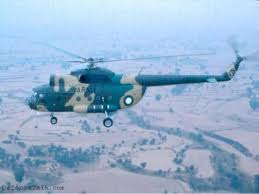
At the moment, the US is holding back important equipment, such as helicopters and satellite phone jamming equipment, needed to fight militants because of the Pakistan Army’s past financial lapses and history of turning a blind eye to Taliban attacks against UStroops (a consequence of its political stance).

If confident that the army is committed to countering terrorism, the US will share equipment and intelligence with Pakistan. Such resources will help the army better defend this country, and reposition Pakistan as a partner — not a client state — in the war against terror.

huma.yusuf@gmail.com (Dawn)


Read more...

Saturday, 26 September 2009

SOS: Who will save the anti-Taliban Salarzai tribes from the wrath of the ISI and the Taliban?

The Mullah-Military Alliance seems to be very much alive and thriving in Pakistan.

The Taliban and Salarzais
Sunday, September 27, 2009 (The News)
Farhat Taj

I was in Pakistan in August and had the opportunity to meet the leaders of the anti-Taliban lashkar (volunteer army) of Bajaur’s Salarzai tribe. I am honoured that upon my request they travelled from Bajaur to meet me in Nowshehra and shared with me information about their anti-Taliban struggle. I am not mentioning their names for reasons of their security.

The area of the Salarzai tribe is on the border with Afghanistan. The tribe have collectively decided that there won’t be any Taliban on their soil. The Taliban have been driven out of the Salarzai area. The Salarzai lashkar, mostly made up of labourers and peasants, has successfully kept the Salazai area free of the Taliban.

Tens of Salarzail lashkar leaders have been target-killed. The Salarzai leaders informed me they hold the ISI responsible for the targeted killings. “The Taliban are just a façade. The real force is the ISI punishing us for our anti-Taliban struggle,” said one of the leaders.

The leaders said that Mamond Taliban headquarters used to be in Damadola, which is a few kilometres from the FC fort in Bajaur. The Mamond Taliban used to bomb Salarzai villages. The Salarzai tribal elders requested the Political Agent, the authorities of the FC and the Pakistani army to stop the Mamond Taliban. None of these offered any help. Finally the Salarzai lashkar took positions on the mountains and for two hours heavily bombarded the surrounding villages of the Mamond Taliban. At that point the political agent and a colonel of the army asked the Salarzai lashkar to stop the bombing. They gave the same old logic: who will fight the NATO forces from across the Afghan border if you eliminate the Taliban?

Following such encounters with the state authorities, the Salarzais decided to fire at any forces entering their area: be it the Taliban, Al Qaida, the army or the US or NATO. The Salarzais have taken up positions all over the area and are always on guard. The tribesmen take turns to defend those positions. Unlike the bombed out schools in the Taliban-controlled areas, all schools in the Salarzai region are functioning. The tribesmen are performing security duties in both girls’ and boys’ schools in the area.

The leaders informed me that there is a set pattern of target-killing of anti-Taliban Salarzai leader. Before each targeted killing all telephone links with the far-flung Salarzai area are cut off. The targeted killing takes place in 24 to 48 hours later. The telephone links are restored a couple of days after the assassinated leader has been buried. A day or so later a news item of a few lines appears in the newspapers about the killing. “No one in Pakistan seems to be bothered about the state-sponsored targeted killing of anti-Taliban Salarzai leaders. Our area is too far from the rest of Pakistan and our agony means nothing to fellow-Pakistanis. The Pakistani media never ever tries to probe into the targeted killings,” said one of the Salarzai leaders.

All telephone lines to the Salarzia area were dead the day I was meeting with the leaders. They said they were deeply worried whose turn it might be to be targeted for killing. Two days later the telephone links were restored. The same day they informed me on telephone that Malik Munasib Khan, the spokesman of the Salarzai lashkar, had been killed. They held the ISI responsible for his killing.

The Salarzai leaders also informed me that last year the army deliberately fired at those villages in Bajaur that were known to be staunchly anti-Taliban. They said one of their colleagues called Maj Gen Alam Khattak to ask him to stop the bombing of his village. “Major General Sahib! I will start a vendetta with you if you did not halt the bombing of my village immediately. I will make sure to kill you and your family at the first available opportunity,” they quoted one of their colleagues as saying. The major general asked him to meet Col Sajjad who was bombing the anti-Taliban villages from his base in Timergara. That colleague saw a big Bajaur map affixed on the wall in the office of Col Sajjad. The map had several encircled villages. Col Sajjad informed him that the map had been handed over to him by his commanders with the order to bomb all the encircled villages. “Our colleague’s blood boiled with anger: none of the villages had Taliban in them,” said the Salarzai leaders. The villages included Butmali, Danqul, Attkay, Matasha, Baro, Raghjan and Nazkai.

On the other hand, those Salarzai villages that had Taliban were not marked on the map or bombed by the army. Such villages are Pashat, Banda, Malasyed, Darra and Gundai. Now the Salarzai lashkar has cleared these villages from Taliban control, without any state support.

The leaders also made the accusation that the Salarzais are discriminated against by the state in allocation of developmental funds due to their hostility to the Taliban. The FATA Rural Development Project (FRDP) is working in Bajaur Agency but entire Salarzai area of the agency has been deliberately excluded by from the project. “A wilful under-development has been imposed on us as punishment for our anti-Taliban stance. The Salazai area would be included in FRDP if we allowed the Taliban to take control of our area. Without this, we Salarzais can beg as much as we can for development, but the state will never budge,” said the Salarzai tribal leaders.

The reason I write this piece is not to defame the institution of the Pakistani army, which I hold in high esteem. I just wish to request the President of Pakistan, the Chief of Army Staff and the DG of the ISI to pay attention to the complaints of the Salarzais and resolve their problems to the satisfaction of the tribe. The Salarzai leaders categorically told me they are loyal Pakistanis, but they are not ready to let the peace of their area be destroyed for the power games of the intelligence agencies. All they want from the state is peaceful and development.

I would request fellow-Pakistanis all over the country to support the Salarzais. I wonder why the civil society of Pakistan is so silent over the heroic anti-Taliban struggle of the Salarzais. Salarzais are the natural allies of all those who are against the Taliban and civil society should forcefully support them. I would request the Pakistani media to keep a close watch on the Salarzai area to discourage targeted killings there.

The Taliban are anti-civilisation. The Salarzais are the embodiment of civilisation because they are so oppose to the Taliban. I would request all civilised people in the world to morally support the Salarzais in the name of human civilisation.

The writer is a research fellow at the Centre for Interdisciplinary Gender Research, University of Oslo, and a member of Aryana Institute for Regional Research and Advocacy.

Email: bergen34@yahoo.com

.....

Tailpiece: The Quetta Shura: Pakistan's ISI continues to harbour and support the Taliban. The New York Times Report.

Quetta shura top issue in US talks with Pakistan

* American officials blame shura for recent violence in Afghanistan
* Say they believe Taliban still get support from parts of ISI

Daily Times Monitor


LAHORE: The so-called Quetta shura issue is now at the top of the US’ agenda in its meetings with Pakistani officials, the New York Times reported on Thursday.

Citing senior American officials, the paper said Taliban leaders were using sanctuaries in Pakistan to stoke a widening campaign in Afghanistan. The expansion comes as the US government struggles to settle on a new military strategy for Kabul.

American military and intelligence officials told the paper the Quetta shura was directly responsible for the recent wave of violence in northern and western Afghanistan.

The assessment echoes a recent report by Gen Stanley McChrystal portraying the Taliban as an increasingly sophisticated shadow government that sees itself on the cusp of victory.

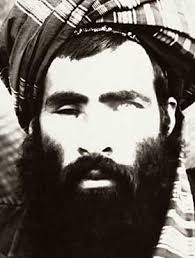
The report said Mullah Omar has appointed shadow governors in most provinces, levies taxes, establishes courts there and conducts a formal review of the military campaign every winter.

Support: American officials said they believed the Taliban leadership still gets support from parts of the Inter-Services Intelligence as some of its officials see Mullah Omar as a valuable asset.

The paper pointed out that the more the US government wrestles publicly with how substantial and lasting a military commitment to make to Afghanistan, the more the ISI is likely to retain and strengthen its bonds with the Taliban as Pakistan hedges its bets.

American officials have long complained that Taliban leaders operating from Quetta provide money, military supplies and strategic planning guidance to the Taliban in the south of Afghanistan, where most of the American forces were deployed. Recently, however, the Taliban have surprised American commanders by stepping up attacks against allied troops elsewhere in the country.

A senior Pakistani official said the US had asked Pakistan to round up 10 Taliban leaders in Quetta. Of those, six had been killed or captured by Pakistan, two are believed to be in Afghanistan and two have presented no threat.

In his message on Eid, Mullah Omar taunted his American adversaries for ignoring the lessons of past military failures in Afghanistan, and claimed that the Taliban had emerged as a nationalist movement that “is approaching the edge of victory”.

“The Quetta shura – you can’t knock on their clubhouse door,” a Western diplomat said. “It’s much more of an amorphous group that as best we can tell moves around. They go to Karachi, they go to Quetta, they go across the border.” (Daily Times)


Read more...

Saturday, 16 May 2009

Asadullah Ghalib and Farhat Taj: In support of the jawans and officers of Pakistan Armed Forces fighting the Taliban terrorists...


Swat – a report from the frontline

Saturday, May 16, 2009
Farhat Taj

Recently an AIRRA (Aryana Institute for Regional Research and Advocacy – an Islamabad-based research organisation) investigation team went to some parts of Swat that had been under army attacks. The team observed whether the attacks were targeted at the Taliban and their installations. It observed two villages -- Ladikas and Watkai in Mingora -- and Khwazakhela, a tehsil in Swat. The team with its access to the people of the area could manage to take Besham route from Islamabad to reach Mingora via Khwazakhela. Though continuous curfew and alternate threats from the military posts and the Taliban posts badly hampered the journey of the team but somehow some of the members could manage to reach Mingora via Khwazakhela and Charbagh with the exodus of the people from different parts of Swat valley. The team was able to access and interview several dozens of those families who were still stuck up in the valley.

The team observed that the security forces have successfully destroyed the installations of the Taliban and have disrupted their chain of command in that area. They have killed many Taliban there with very little collateral damage, albeit with the destruction of civilian infrastructure. The best example is the Taliban headquarter in Khwazakhela. The headquarters was located on a mountain. It housed the Taliban operational command led by commander Yamin, the intelligence department led by commander Rashid and the department of logistics and supplies. The aerial bombardment of the Pakistan army reduced all that to rubble. The entire side of the mountain housing the headquarters has been exploded and razed.

The Taliban terrorists had established the headquarters with great efforts. They had cleansed a huge portion of the forest on the mountain to make free space for the building. They recruited the youth on a large scale, strengthened their command and control structure, established their hierarchical structure, planted mines on the main roads, dug bunkers and occupied the strategic passes in only two and a half months. And they did all this after the peace deal agreed with the NWFP government in February of this year.

The team interacted with the people in the area. Most of those killed were confirmed Taliban. There had been almost no serious collateral damage. Nearby buildings collapsed due to the force of explosions. Some people got injuries when hit by the collapsing debris.

Moreover, the army has cordoned off several narrow alleys of Mingora to prevent the Taliban from escaping. The military has cordoned off Swat from the northeast (the Shangla side), the southeast (the Buner side) and the southwest (the Dir side). In Mingora city itself, the Taliban are reported to be lying dead in the streets and local people confirm that some of them are well-known Taliban leaders.

There are still stranded people in Swat. The people are facing enormous difficulties due to power failure and water reservoirs in their homes which have dried up. Food commodities have become scarce and fuel stations have more or less stopped functioning. Soldiers of the Pakistan army and the FC are sharing their limited food rations with the stranded people. This goodwill gesture has earned respect of the stranded people for the security forces.

It is suggested to the army to issue the photos or video clips of the killed Taliban to the media and of the destroyed Taliban installations. Local people and the IDPs often know the Taliban and location of their installations. They would confirm that the dead were indeed the Taliban and the installations shown as destroyed indeed belonged to the Taliban. This is important because it will ensure transparency and reassure people of the success being achieved in the war.

It is highly commendable that the security forces are conducting targeted operations that have considerably damaged the Taliban in Swat. I would once again request the army high command to destroy the Taliban networks, installations, headquarters everywhere in Pakistan, including FATA and south Punjab. Taliban leaders in each and every city or town of Pakistan have to be neutralised. There is a strong connection between the Taliban in Waziristan, Orakzai, Swat, South Punjab, Khost and Kunar in terms of supply of manpower, weapons and chain of command. This connection is the Al Qaeda-linked Jalaluddin Haqqani and his terror secretariat in North Waziristan. This connection has to be broken, which means that Haqqani's 'secretariat' must be destroyed. Other than the military front, the war against militancy also needs to be fought on the ideological battleground -- Talibanisation needs to be denied ideological space in the country's security and state apparatus and this can be done by targeting elements in state structures and institutions deemed as being sympathetic to the militants.

The army must carry the war against the Taliban to its logical end. The army owes it to the Pakhtun and by extension to Pakistan, because the Pakhtun are citizens of the country and hence deserve the same protection by the state as accorded to those in the other provinces. The Pakhtun have always taken pride in giving their best sons to the army. It is now the turn of the army to reciprocate in such a manner that truly honours the Pakhtun martyrs of the army. This means complete elimination of the Taliban so that the Pakhtun live their lives free of the jihadi fear and intimidation. If done successfully, this will bind the Pakhtun even more closely with the state and the army. In that context, the army must convert this war into an opportunity that will substantially contribute towards making Pakistan a successfully functioning multi-ethnic state.

While the army is rising itself to the occasion, the performance of the politicians is dismal. The soldiers are giving their blood to save us from the Taliban. They are sharing their limited food ration with the stranded people. The army has given a share of their salary to support the relief work for the IDPs. Where are political leaders? What is President Zardari doing abroad? He should be visiting the IDPs rather than foreign lands. What is Asfandyar Wali doing in London? Why is Afrasiab Khattak in Dubai? The IDPs constantly complain that the ministers, MPAs and MNAs only come when the media is there and leave soon afterwards, without tending to their (the IDPs) problems.

All MNAs and MPAs, especially those elected by the people of Swat, Dir and Buner, should stay with the IDPs of their respective constituencies as long as possible because these are after all the people who voted them into public office.


The writer is a research fellow at the Centre for Interdisciplinary Gender Research, University of Oslo, and a member of Aryana Institute for Regional Research and Advocacy. Email: bergen34@yahoo.com (The News)
Read more...

Saturday, 9 May 2009

Farhat Taj: The army finally gets it right


It was retaliation par excellence. A convoy of the Pakistan army was ambushed by Taliban terrorists in the Kanjo area in Swat. The convoy had intended to go to Mangora to reinforce the army units there. Several soldiers died on the spot. The army responded with robust force and attacked the Taliban holding strategic positions on the heights containing Mangora emerald mines. From those heights the Taliban used to attack the Mangora circuit house, where the army was stationed. All the militants on the heights were killed and the state property, the emerald mines, was regained. Moreover, the army conducted successful attacks on other strongholds of the Taliban in Rahimabad and Takhtaband, and killed them there. "I am so pleased to see the forceful attacks. It is like avenging a slap in the face with a kick in the face," said a resident of Swat from Mangora. He also informed me that all the people in Swat were very happy with this retaliatory response of the army. "This is what we expect from the state army and this is how the army must deal with the Taliban beasts," he said further

Moreover, hundreds of Taliban terrorists have besieged the police station in Matta, a stronghold of the Taliban, for three days now. All roads leading to the police station have been mined by the militants so that the security forces could not reach the police station. Policemen and FC soldiers are within the police station. Entire Pakistan should be proud of them. They are resisting the militants, despite the fact that they are short of food, water and fuel. "The resistance of the besieged policemen and soldiers is very reassuring. Our prayers are with them. We love them. May God be with them," people of Swat who I contacted told me.

A wonderful achievement of the besieged policemen and FC soldiers is that they have killed Ibn-e-Aqel, the Taliban leader who was leading the siege of the police station. He was one of the cruelest Taliban leaders. He had mercilessly beheaded civilians, soldiers and policemen in Swat. He was the man who excavated the body of Pir Samiulla, the man who had led an armed resistance against the Taliban. Ibn-e-Aqel was the brother of Ibn-e-Amin, the top Taliban commander in Ber Swat area. Both the brothers have been strong opponents of Afzal Kahn Lala, a leader who stood up to the Taliban in his native village in Swat.

People of Swat say enough is enough. They have suffered enough atrocities. All those in Swat that I am in contact with told me they want the Pakistan army to eliminate the Taliban once and for all. For that purpose, they told me, they were ready to suffer as IDPs for some time. But the army operation must be swift, targeted and must kill the Taliban.

Indeed most Pakhtuns want the Pakistan army to annihilate the Taliban. The army would do itself a good if it crushed the Taliban. The Pakistan army has always had a high reputation in the eyes of the people of NWFP and FATA. This reputation is battered now. The army is seen as unable to eliminate the Taliban, or as ready to kill Pakhtun civilians but tacitly supporting the Taliban. Once Afzal Khan Lala, a veteran ANP politician, told me that he had clearly told Chief of Army Staff General Kayani that people in Swat believed that the army and the Taliban were one and the same. The same is the perception of people all over NWFP and FATA. Retaliations against the Taliban, like those in Swat in the last couple or so days, would improve the reputation of the army among the Pakhtuns.

But retaliations and reactions against the Taliban here and there in bits and pieces are just not enough. The army needs to deal with them all over Pakistan. The Taliban must be eliminated. They must be crushed for good. There are no moderate or good Taliban. There are no Taliban that can be engaged in dialogue. They all are mad beasts.

Look at the track record of the Taliban. They occupy a place. Unleash a reign of terror on the civilians there. Then they give it up and run away for life when faced with huge might. They did that in Kabul when the US bombed them and they will do so in Swat, Buner and Dir, where the army is conducting an operation against them. They will abandon the area and run away to FATA. They will wait in FATA for an appropriate time to reoccupy parts in NWFP.

The army need to be in a proactive mode. It must chase the Taliban in the tribal area and kill them in operations that are offensive not defensive. It must destroy the Taliban and Al Qaeda installations and training camps in FATA. The army must restore the sovereignty of Pakistan and retake the areas in FATA and NWFP that have long been occupied by the Taliban. The Pakistan army must free the Pakhtun citizens of Pakistan, who are forced to live under one of the most brutal occupations of our time.

Pakhtuns are loyal citizens of Pakistan. But they feel abandoned by the state to the Taliban. The Taliban, whether Pakhtun or non-Pakhtun, are the enemies of Pakhtun. The army must show that it stands with the Pakhtuns by eliminating the Taliban. The Taliban understand the language of violence only. The army must aggressively communicate with them in that language.

Moreover, there are Taliban and Al Qaeda hideouts and installations in other parts of Pakistan, especially in Balochistan and southern Punjab. They too have to be taken care of. The state must take control of all jehadi madrassas and must use force, if necessary. (The News, 9 May 2009)


The writer is a research fellow at the Centre for Interdisciplinary Gender Research, University of Oslo, and a member of Aryana Institute for Regional Research and Advocacy. Email: bergen34@yahoo.com

.....

Pakistan goes to war in Swat


Prime Minister Yousaf Raza Gilani has declared war in Swat and he has all the important stakeholders on board. The peace deal — directly with Sufi Muhammad and indirectly with the Taliban — was sincerely followed by the government in the teeth of many dire predictions of conceding advantage to the Taliban under the guise of sharia embodied in the Nizam-e Adl. But even as Sufi Muhammad parleyed, his son-in-law and warlord Fazlullah violated the pledge of the “stand still” agreement, killed people, destroyed girls’ schools, maltreated women and generally intimidated a population that had returned from their earlier exodus by reposing trust in him.

The army chief, General Ashfaq Kayani, says the army will fight till “decisive ascendancy” has been achieved in Swat. The army knows that it is backed by the entire nation. Earlier, when the parliament was briefed by the army on the expanding phenomenon of the Taliban, the reaction from the opposition was that it was “not Pakistan’s war” — and the general tenor of the joint resolution that emerged from it was for withdrawing troops and negotiating with the Taliban. When the NWFP government offered the Nizam-e Adl to Sufi Muhammad, the parliament endorsed its signature into law.

President Asif Zardari’s policy of getting the Nizam-e Adl clearly endorsed by parliament has turned out to be the right policy. The Taliban have offended all the parties that took part in this unanimous vote. The PMLN, which spent most part of 2008 garnering additional political support by positing military operations against the Taliban as “Pakistan fighting America’s war against its own people”, now has grounds for declaring that it “supports the government unconditionally in the greater national interest”. This support is crucial to the conduct of war in Swat. Together, the PPP and the PMLN have almost the entire voting population of Pakistan behind the war.

There is no doubt that there will be a period of attrition in this war. The Taliban of Swat are linked to the Taliban in adjoining territories and they have been preparing for this face-off because they never had any intention of abiding by the peace pledges of Nizam-e Adl. Foreign warriors and fighters external to Swat have always taken part in terrorism there, killing innocent people and spreading fear and intimidation among the common folk. According to ex-secretary FATA Brigadier Mehmood Shah, Uzbek warlord Tahir Yuldashev was only recently injured while engaging with the Pakistani security forces in the Swat region and was removed to South Waziristan for recovery.

Parliament remains the forum where the conduct of the war against the Taliban should continue to be discussed. An APC comprising elected and non-elected entities is not desirable because it will simply increase the complexities of the national consensus on the war. Many groupings may actually not like to be forced into expressing an opinion for or against the military operation. Some like the Jama’at-e Islami and Tehreek-e Insaf have articulated their opposition to it because they still think, wrongly, that it is not Pakistan’s war and that our army has gone out “to kill its own people”. The ANP, which increasingly speaks for the Pashtun majority in Pakistan located partly in Karachi, has decided to back the operation. This backing is in some ways more crucial than the support of all the nay-sayers in the unelected opposition.

A religious reaction against the Taliban has emerged in the rest of Pakistan. It is a good development provided it is not allowed to assume the shape of an anti-Taliban jihadi militia with unpredictable consequences for civil society in the future. The mosques in Punjab are sounding objections to the conduct of the Taliban and their local supporters, but this trend will die down unless the government also takes action against the old jihadis who have now joined the Al Qaeda-Taliban combine. Despite cases going on against them in connection with the Mumbai attacks, they are free to hold local agitprop public meetings and some have been reported as grabbing Barelvi mosques in South Punjab.

The army can do the job provided the civilian governments in the provinces take steps to prevent “revenge attacks” by the Taliban in their territories. Punjab is under a competent leadership which has already pledged to beef up the police to suppress the provincial reflex of dismissing terrorism as a “federal” problem. (Daily Times)

Read more...

Monday, 13 April 2009

Farhat Taj: Life in Swat after the peace deal


On Feb 16 a peace agreement was signed between Sufi Mohammad, leader of the Tehrik-e-Nifaz-e-Shariat-e-Mohammadi (TNSM) and the government of the NWFP with complete blessing of the PPP-led federal government.

Sufi Mohammad reached Swat with a promise to convince his son-in-law, Maulana Fazlullah, and his fighters to surrender weapons for the sake of peace.

Two months after the peace deal, how is life in Swat? What is happening to people? Is the peace deal working?

‘The peace deal is not working and will fall sooner than later,’ veteran ANP politician Afzal Khan Lala tells me. He is the only politician who is still standing up to the barbaric Taliban in Swat despite several death threats and the demands of his old age — the rest of the ANP leadership has fled the area.During a telephone conversation, he elaborated: 'The peace deal has been made by non-Swatis. People of Swat have not been taken into confidence on the deal. Also, I was never consulted by the ANP government in making of the peace deal.’

Day-to-day happenings in Swat clearly indicate that the apprehensions of Afzal Khan Lala are not misplaced and the peace deal has been strengthening the writ of the Taliban over Swat's 5,337-square-kilometre area. The Taliban have made the 1.7 million people of Swat hostage, and the people continue to suffer. The government in Swat seems helpless and paralysed. I will elaborate it with some examples.

Fazlullah, the leader of Swat Taliban, led the prayer at his home village, Mamdirai on Friday, April 3. He was warmly received by his followers, as well as military officials and officials of the district administration. Those who prayed behind him were key military and civil officers—including Brigadier Tahir Mubeen, Syed Javed Hussain, the commissioner of Malakand region, Khushhal Khan, the DCO of Swat, Danishwar Khan, Swat's DPO and the man in charge of Operation Rah-e-Haq. After the prayers Fazlullah gave an emotional and threatening speech which was heard with zeal and respect by all, including the military and civil officials, like obedient subjects. How funny is it that key state functionaries are praying behind the terrorist who killed soldiers of the Pakistani army, NWFP police officers and civilians of the Valley.

During the telephone conversation with this writer Afzal Khan Lala said: ‘There cannot be two swords in one sheathe. There cannot be two kings of one land. In Swat one king is Fazlullah and the other the government.’ The conduct of the state functionaries in Swat showed who the real king of Swat is. The people of Swat owe an explanation from the Pakistani army and the government of the NWFP. Would the army care to explain why its commander in Swat was offering namaz behind the terrorists who killed soldiers of the army and policemen? Would the ANP government care to explain why its senior-level government servants pray behind a terrorist who killed civilians in the very constituency that elected the ANP to power? It is also pertinent to mention that police in Swat have registered at least 60 cases related to suicide bombings, kidnappings, attacks on civilians, police and armed forces and damage to public and private property against Fazlullah.


Taliban have created their own income-generation sources in Swat. They have taken over the possession of the famous Mingora emerald mines. Mingora city is the district headquarters and a busy commercial centre of the valley. The Shamozai emeraled mine, some 25 kilometres from Mingora and now the Gujaro Killay emerald mine in the adjacent district of Shangla are also under the control of the Swat Taliban. Mining is in progress in these mines and precious stones are auctioned in the premises of the Mingora mine every Sunday, where the dealers from all over Pakistan come for shopping. Federal and provincial governments have kept silent over this looting and plunder of State properties.

The Taliban are in league with the timber mafia. They are mercilessly cutting the forests of Malamjaba, Fatehpur, Miandam and Lalko. They also cut the fruit orchards of the landlord opponent to them. The fruit orchards in Barabandi, on the main road and near to army check post, have been cut down in broad daylight. Barabandi is some six kilometres from Mingora.

The Taliban have plundered the Training Institute for Hotel Management (Paitahm), a joint venture of Pakistan and Austria, and the Malam Jaba tourist resort. The Taliban have carried away its furniture, Computers and electric appliances, even its doors, windows and ventilators. They have established a warehouse in Barabandai where all these things are auctioned. The Taliban call it mal-e-ghanimat (war booty). This is another of the income-generation sources of the Taliban.

The Taliban militancy is spreading towards the lower part of Malakand. The Taliban have banned women from markets and bazaars in Batkhela and Thana towns in Malaknd. Thana's Mina Bazaar, a famous market popular with women, has been razed to the ground.

There are several new training camps in Swat where the Taliban train teenage boys for militancy. The boys belong to the schools that have been destroyed by the Taliban. Lack of occupation and the jihadi preaching of the Taliban turn Swat's young men to jihad. Their schools are destroyed.

The Taliban have banned TV and music and playing of cricket. The young men have no activity and the Taliban constantly invite them to jihad. Hundreds of boys have joined the training camps, most of them without the permission of their parents. According to the Taliban's version of jihad, parents' permission is not needed at all. The helpless parents have nobody to ask for help in order to stop their children from joining the Taliban. The Taliban threatens parents who stop their children from joining the so-called jihad.

Some months down the road Pakistani right-wingers and so-called liberal leftists obsessed with anti-Americanism will say that the Taliban are popular in Swat and the proof is that their ranks have grown. But today no one is paying attention to the plight of the helpless parents who earnestly wish to stop their children joining the ranks of the Taliban but have no one in the entire Pakistan to help them.

The Swat Taliban sent 350 fighters to strengthen the Dir Taliban. People in Dir have made a local people's army against the Taliban. To combat the local people's army the Dir Taliban sent an SOS call to the Swat Taliban, who sent armed Taliban to Dir to slaughter the people of Dir.

More than a hundred Taliban crossed from Swat into the adjacent district of Bunair on April 5. Arms clashes have been reported between the militants and the armed lashkar. The army has vacated many check posts on the demand of the militants in Swat. The Taliban are not allowing the army to enter the areas that they were occupying.

Commenting on this situation Afzal Khan Lala said: ‘The army will meet tough resistance and will suffer a great deal when retaking the area because the Taliban have strengthened their positions in Swat.’
The writer is a research fellow at the Centre for Interdisciplinary Gender Research, University of Oslo, and a member of Aryana Institute for Regional Research and Advocacy.

Read more...

Saturday, 4 April 2009

Farhat Taj: Target: terror secretariat in Miranshah

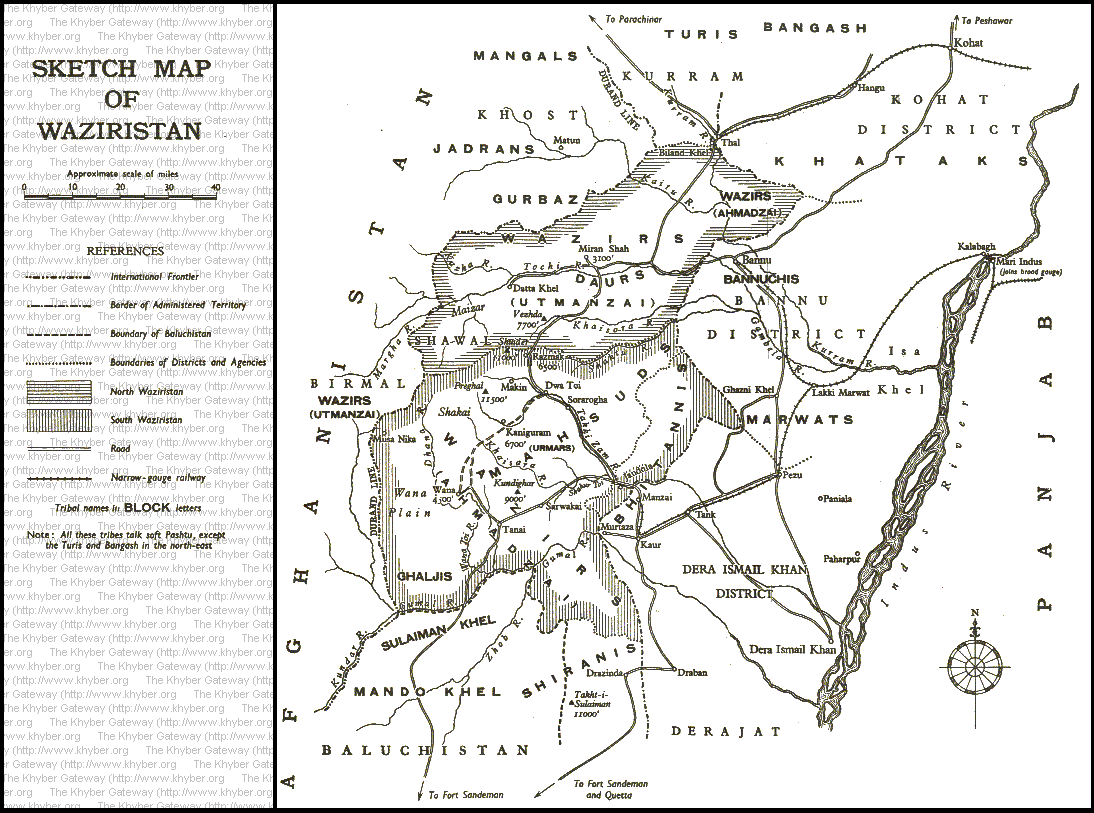
http://www.longwarjournal.org/maps/Pakistan-waziristan-sketch-map.gif


The Taliban are a diverse mix of different groups, each led by its own leader, which support each other in militancy. Still, it is not uncommon to see two Taliban groups at cross-purposes with each other, and fighting. At that point, something happens and the groups give up hostilities and once again become "brothers in faith and comrades. Most certainly, somewhere there is an infrastructure in place that makes this happen, such as a particular terror "secretariat" in Waziristan.

Some people in FATA who have had the opportunity to see the terror secretariat from inside shared with me what they observed. According to them,

The secretariat consists of three complexes owned by Jalaluddin Haqqani and run by his son Sirajuddin Haqqani. The first complex is located right in front of the Frontier Constabulary, FC Fort in main Miranshah bazaar in North Waziristan. Apparently there is a computer institute in this complex but the complex also contains compounds which are well-guarded and no-go area. The second complex is located in Sirai Darpakhel just behind Miranshah Bazaar. This complex consists of seven compounds and is believed to be the headquarters of the Taliban, who move back and forth between Pakistan and Afghanistan. The complex is believed to be commanded by diehard Taliban Bakhta Jan Afghani. The third complex, at a distance of not more than a kilometre from the Pakistan army camp in North Waziristan, is situated in Dandi Darpakhel on the road to Afghanistan.

The secretariat is a huge and spacious structure spread over an area of a 100 kanals. There is a madressah in the complex in Sirai Darpakhel. All the three complexes have large open grounds, big guest houses and no-go areas. Taliban and Al-Qaida terrorists active in various parts of Pakistan and Afghanistan are believed to stay in the guesthouses. The no-go areas are believed to contain a large quantity of weapons and ammunition. Also, the large grounds are quite possibly used for training terrorists. Jalaluddin Haqqani's extended family resides in the Dandi Darpakhel complex.

The people who went to the compound said that they talked to many students and teachers at the madrasa and observed them. It may well be that the teachers were teaching more than basic education to the students and that they were being trained to become suicide bombers. Qari Hussain, who is believed universally to be a master trainer of suicide bombers, is also resident in the area. There were many Pakhtuns, especially Mehsud and Wazir, as well as Punjabis, Arabs and Tajiks, Uzbeks, Afghans and Africans.

Jalaluddin Haqqani, an Afghan, is a former Mujaheedin leader. Due to his old age he has left the management of the complex to his son Sirajuddin. The senior Haqqani is widely respected among the Taliban and he uses his position to make peace among warring Taliban groups. When two Taliban groups anywhere in Pakistan or Afghanistan get at each other's throats and kill each other, Jalaluddin asks his son to invite the two to one of his guest houses in the terror secretariat. He ultimately convinces them to stop fighting each other, by giving money to some and weapons to others. Jalaluddin is also a key link between the Taliban of Swat and Baitullah Mehsud. Some time back he managed to make peace between Maulvi Nazir, who leads a strong group of Taliban in North Waziristan, and Baituallah Mehsud. The dispute was over the presence of Uzbeks in the area. Maullvi Nazir wanted them kicked out of Waziristan because they were not interested in fighting in Afghanistan.

In case of any action against the complex, the government will have to consider its close proximity to the FC fort in the area. It is quite possible that in case of an attack on the terror secretariat, the terrorists would try and take control of the fort and kidnap the FC soldiers deployed there. Also, the complex is not far from the main Miranshah bazaar, so any error in the operation may bring about significant collateral damage. The terrorists use women and children as human shields.

An attack on these terrorists needs to be considered, because of the major impact it could have on the coordination and networking of Taliban groups in FATA. (The News, 4 April 2009)


The writer is a research fellow at the Centre for Interdisciplinary Gender Research, University of Oslo, and a member of Aryana Institute for Regional Research and Advocacy. Email: bergen34@yahoo.com
Read more...

Tuesday, 24 March 2009

From Jamea Hafsa to Rahman Baba: Farhat Taj

Attack on Pakhtun culture

Tuesday, March 24, 2009
Farhat Taj

In February this year someone circulated an email on one of the email lists I am a member of and was talking about the possibility of any attacks by extremists on shrines in NWFP, especially that of Khushhal Khan Khattak. The email said that we should all ask the provincial government to provide protection and predicted and reasoned that the attack was likely because the Taliban were bent on destroying all symbols and icons of the Pakhtun culture. Khushhal Khan is symbolic of Pakhtun nationalism. His poetry is nationalist in tone and he is a symbol of Pakhtun identity.

As recent events have shown, the concern expressed in the email was neither alarmist nor misplaced because a couple of weeks later, on March 5, the Taliban bombed the shrine of Rehman Baba. Like Khushhal Khan Khattak, Rahman Baba is also widely respected among the Pakhtun. People across the Pakhtun area know his poetry despite a high level illiteracy. Foreign scholars have commented that the reception of the poetry and teachings of Rahman Baba transcends differences and tribal schisms found in Pakhtun society and that he is widely read, listened to and respected.

Unlike the Pakhtun nationalism that Khushhal Khan embodies, the message of Rahman Baba is universal love and tolerance – the very antithesis of the message of the Taliban and Al Qaeda.

And now a story I would like to narrate. In Nov 2006 I went to Jamia Hafsa. Many of the girls that I met there were from FATA and various parts of NWFP. We engaged is a discussion on Islam and Pkahtunwali. Some of the girls referred to some verses of Rehman Baba to prove that their extremist and violent understanding of Islam is the same as the mystic poet’s. For me this understanding of Rehman Baba was no less than a cultural shock that my own fellow Pakhtun gave me.

On my way back home I was thinking Rehman Baba has been hijacked by the extremists among us. Nothing can be more unjust to the poet and his message. Between then and now the extremist have raised their public levels of intolerance. Now they cannot tolerate Rehman Baba. They bombed his shrine. I heard some pro-Taliban people in Pakistan justifying the bomb attack on the shrine. They say that his shrine had become refugee of ‘undesirable’ social elements, like drug abusers. What a strange argument! Is the only method to deal with the drug abusers is to bomb the shrine? Will that get the society rid of drug abusers and other ‘undesirable’ social elements?

Attack on Rehman Baba’s shrine is part of the agenda to annihilate the Pakhtun culture. The agenda includes destruction of schools in the area, attacks on music shops and singers, violent expressions of misogyny through attacks and restrictions on women, assaults on Buddha statues in Swat and so on. The aim is to write off the cultural memory of the Pakhtun and force them to become foot soldiers for global jihad. The Taliban and Al Qaida have occupied FATA. Swat has been surrendered to them by the provincial and federal government. But They will not stop there.

The attack on the shrine of Rehman Baba should be seen as an attack on cultures on both sides of the River Indus. One of the similarities in the cultures on both sides of Indus is the message of the sufi poets. The message of peace and love is also the message of Shah Latif, Lal Shahbaz Qalandar, Bulleh Shah and Waris Shah. It is now the responsibility of the wider society to conveys to the Taliban that their alien ways of life are not acceptable. (The News)

The writer is a research fellow at the Centre for Interdisciplinary Gender Research, University of Oslo, and a member of Aryana Institute for Regional Research and Advocacy. Email: bergen34@yahoo.com
Read more...

Thursday, 5 March 2009

Farhat Taj: A survey of Drone Attacks in Pakistan. What do the people of FATA think?


This site has moved to http://criticalppp.com/archives/26239, click this link if you are not redirected
Read more...

Tuesday, 24 February 2009

Farrhat Taj responds to Shireen Mazari: FATA: some more fantasies

FATA: some more fantasies
Tuesday, February 24, 2009
Farhat Taj

This is in response to articles by Shireen Mazari on these pages on Feb 4 and 11. She has written that the Iranians are upset over the presence of Jundullah in Baluchistan. This outfit has been involved in terrorist activities in Iran and its presence in Pakistan is clearly damaging the country's relations with Iran. I completely agree. The government of Pakistan must make sure that no terrorist activity on Iranian soil is facilitated by or originates in our side.

But, often, Ms Mazari and most other analysts do not mention an equally if not more serious factor that has been creating bitterness in the relationship between the two countries for years: the targeting of Shias in Pakistan and the failure of the state to protect them. They are citizens as well and it is the intitutional responsibility of the state to protect the lives and properties of its Shia citizens. If the state fulfills its responsibility, a strong reason poisoning the relationship of Pakistan with Iran will be removed.

In NWFP and FATA the killers of Shias (and of course of Sunnis) are Taliban, especially those linked with the Punjab based sectarian outfits. Why have successive governments of Pakistan failed to protect its Shia citizens? There are two perceptions among Pakhtuns. One is that sectarian outfits (both Taliban and non-Taliban) are linked with powerful Wahabi elements in Saudi Arabia whom the government of Pakistan does not want to displease – by coming down hard on the outfits. To this, is added the perception among some that the military establishment does not want to eliminate these outfits either because they may be of use in jihad in Afghanistan and India. These Pakhtun are angry at governments in Pakistan for allowing both Iran and Saudi Arabia to fight their proxy ideological war on Pakistani soil.

Many Pakhtun argue there has never been any Shai- Sunni problem among them and what we saw were tribal rivalries which were given a sectarian color in the heat of the moment. They argue that they can manage their tribal or sectarian problems within the tribal code of Pakhtunwali, if both Saudis and Iranians leave them alone or the government of Pakistan fulfills its constitutional obligation and counters the deadly ideological interventions of the two countries in Pakistan.

Shireen Mazari says that existence of Al-Qaeda safe havens in FATA is just as much a 'reality' as were the weapons of mass destruction in Iraq that warranted the US invasion of the country. The fact of the matter is that Al Qaeda does not have pockets, so to speak, of safe havens in FATA but rather the whole of FATA's territory is a sanctuary for Al Qaeda and Taliban. FATA is now occupied territory – nothing less – and the occupiers (Arabs, Tajiks, Uzbeks, Punjabis and Pakhtuns) are hell bent upon writing off the Pakhtun culture of the area.

I recently interviewed a singer from Waziristan for my documentary film on the area. With tears in his eyes he told, it is his culture that is under harshest assault by the Al Qaeda and Taliban militants. His brother has been killed by the Taliban, because his brother, he said, was a brave man and challenged the high handedness of Al Qaeda and Taliban militants in his village. The singer has received many death threats for singing Pashto music. He lives as an internally displaced person in another place in Pakistan. He told me he will never give up singing. This, he said, is his 'cultural Jihad' with which he will continue to defy the Al Qaeda occupation of his homeland.

Ms Mazari has urged the prime minister and the president to go to Swat and FATA to see the fate of their people they have left unsecure against attacks by the US. What attacks? If she means drone attacks, there has never been any drone attack on Swat, although people of Swat have been praying for the US drones to attack the headquarters of the Swat Taliban. Moreover, I have already explained in my article of Feb 17 how the people of FATA see the drone attacks – not quite what is depicted in the mainstream media. I would urge Ms Mazari and other analysts as well to go to FATA to see the reality there.

As for her argument that the current approach of the government towards FATA is military-centric and that there should be a political framework, one is in agreement. However, there is a caveat to this, and that is that the political framework must be formed in consultations with the tribes, not Taliban or Al Qaeda. Also, it should be remembered that no political framework can function without a territory. The state has lost territory in FATA. Where shall the political framework be implemented when there is no territory in state control for the purpose? First the territory has to be retaken to be followed by a political framework to be implemented. Unfortunately the territory has to be retaken by force. Al Qaeda and Taliban are not going to give up the territory they have conquered or was willfully surrended to them. (The News)


The writer is a research fellow at the Centre for Interdisciplinary Gender Research, University of Oslo, and a member of Aryana Institute for Regional Research and Advocacy. Email: bergen 34@yahoo.com

Also read:

Shireen Mazari: Jinnah, democracy, shariah and our lies...

"Lady Taliban" Dr. Shireen Mazari, the latest addition into Imran Khan's pro-Taliban arsenal....

A specimen of Pakistani intellect - Khurshid Nadeem analyses a recent column by Shireen Mazari

Is Imran Khan the new choice of agencies (ISI) in Pakistan?


Read more...