Editor's Choice

--------------------------------------------------------------------------------------------------------------------------
Featured Post
--------------------------------------------------------------------------------------------------------------------------

"Let us build Pakistan" has moved.
30 November 2009

All archives and posts have been transferred to the new location, which is: http://criticalppp.com

We encourage you to visit our new site. Please don't leave your comments here because this site is obsolete. You may also like to update your RSS feeds or Google Friend Connect (Follow the Blog) to the new location. Thank you.


--------------------------------------------------------------------------------------------------------------------------
Showing posts with label CIA. Show all posts

Wednesday, 1 July 2009

Are Pakistani Taliban and jihadis agents of CIA, RAW etc?


Read more...

Tuesday, 23 June 2009

Iran demonstrations: Imperialist pathway to democracy?


Eyewitness Iran: What is the true character of the demonstrations


By: Mazda Majidi

Imperialists do not embrace true revolutionary movements

The eyes of the world have focused on Iran since the June 12 presidential election. The turnout was exceptionally high, with 42 million people, 85 percent of the electorate, going to the polls. Incumbent president Mahmoud Ahmadinejad was declared the winner with 63 percent of the vote. Ahmadinejad's chief rival, Mir Hossein Mousavi, declared himself the winner and called the announced results fraudulent. Iran has since been the scene of large daily protests.


A landslide victory by Ahmadinejad was not improbable. An op-ed piece by Ken Ballen and Patrick Doherty published in the June 15 Washington Post states that the election results conform to their pre-election polling.

"Our nationwide public opinion survey of Iranians three weeks before the vote showed Ahmadinejad leading by a more than 2 to 1 margin—greater than his actual apparent margin of victory in Friday's election," Ballen and Doherty asserted.

The survey of 1,001 respondents, conducted by phone between May 11 and May 20, had a margin of error of 3.1 percentage points. The study was funded by the Rockefeller Brothers Fund. Neither the Fund nor the Washington Post could be accused of having a pro-Ahmadinejad bias.

Of course, we are not in a position to know if fraud took place and to what extent. Nor can one be sure whether one or both sides engaged in some level of voter fraud. Voter fraud is rather widespread in the United States and both the Democratic and Republican parties have engaged in it. If the allegations of the opposition in Iran were true, this would have had to be voter fraud on a huge and massive scale. Interestingly, the opposition only seeks an annulment of the election rather than a recount of the disputed votes.

Bourgeois elections

In bourgeois elections, the citizenry is offered a choice between candidates that are acceptable to ruling class interests. In Iran's elections, as in those of other countries, the candidates running for president were all acceptable options to the regime. All four had a long history of holding key posts. Ahmadinejad was the incumbent president; Mousavi was the prime minister of Iran in the first decade of the revolution; Mahdi Karroubi was a two-term head of Majliss (Iran's Parliament); and Mohsen Reza'i was a long-serving commander of the Revolutionary Guard Corps.

The array of the class forces lined up behind the candidates is far more important than the electoral details. Mousavi's social base is primarily among the upper and middle class elements, professionals, people with a higher education and students. Ahmadinejad's social base, on the other hand, is primarily among the lower sectors of the middle class, the urban poor and most people of all classes in the provinces and rural areas. A cursory glance at the photos of the demonstrators on both sides confirms this class composition.

The class character of the conflict is more obvious when we look at the key issues in the elections. Mousavi and the other candidates have accused Ahmadinejad of economic mismanagement and inflationary policiesbuying votes by giving "handouts" to poor and large state-funded projects in the provinces. These "handouts," ongoing during Ahmadinejad’s four-year tenure, consisted of substantial increases in state employees' salaries and pensions, cash benefits to the needy and other forms of benefits including expanding healthcare. In a May 15 speech Mousavi attacked these programs, saying: "Distribution of money and opportunities as alms is hardly an instrument of growth and development." (Irantracker.org, May 13)

Ahmadinejad's "adventurous" foreign policy has been another key election issue. His foreign policy has consisted of an uncompromising stance against the United States on the nuclear energy issue, outspoken opposition to the racist state of Israel, steadfast support for liberation movements in Palestine and Lebanon and expanding friendly relations with revolutionary and progressive governments around the globe, including those of Cuba, Venezuela and Bolivia.

As noted in the June 21 Associated Press article titled "Israeli president [Peres] applauds Iran street protesters," the Israeli ruling establishment is openly hoping for the victory of what they call "the revolution" in Iran. The June 22 Jerusalem Post features an article on how the pro-U.S. regimes in the Arab world echo Peres sentiments, which begins: “Many Arab governments, including the Palestinian Authority, are quietly hoping that the latest crisis in Iran will mark the beginning of the end of the radical regime of the ayatollahs and President Mahmoud Ahmadinejad.”

Ahmadinejad is certainly no representative of the working class. The only true working-class orientation is a socialist orientation; moving in the direction of eliminating private ownership of the means of production by the capitalist class. But within the confines of capitalist relations, Ahmadinejad's political line represents more income and benefits for the poor.

Anti-government protests embraced by imperialism

The post-election events have made the stakes much higher than a simple presidential election and a choice between candidates. Between June 13 and June 19, hundreds of thousands, some reports say millions, have demonstrated in Tehran demanding the annulment of the June 12 elections. There were other smaller demonstrations during the week in other major cities. While people of all classes with various grievances have joined the demonstrations, the central political thrust of the protests has a righward trajectory, in regard to both domestic and international issues. The dominant composition of the protests has been middle class and the privileged sectors of society.

Imperialist media sources, to which many Iranians, particularly the more privileged sectors, have access through satellite TV, played a key organizing role. BBC Farsi and Voice of America, continuously broadcasting into Iran, did their part in announcing the time and place of planned demonstrations. They also provided live coverage by interviewing people who used their cell phones to call and transmit images.

The Islamic Republic has attempted to jam these broadcasts with some success. Still, demonstrators rely on many other sources, including counter-revolutionary monarchist channels based in Los Angeles that do their best to broadcast information, and misinformation, to increase the size and intensity of the demonstrations.

During some of the street protests, buses were burned, buildings were vandalized and destroyed, large fires were made in the streets and rocks were thrown at the police. The millions of dollars of U.S. funding for "promoting democracy" in Iran were put to use. Among the demonstrators were agents and provocateurs whose specific purpose was to wreak havoc and cause maximum destruction. Iranian TV channels aired interviews with captured agents of the MKO, the imperialist supported terrorist organization, who acknowledged having been instructed to set gas stations on fire and destroy buildings. During the first week, repression of the demonstrations was limited, as evident from the number of demonstrators and the relatively low instances of state violence.

On June 19, Ayatollah Khamenei, the central leader, made an important speech at the Friday prayers, attended by hundreds of thousands of supporters. Khamenei announced that the specific complaints of the three losing candidates would be fully reviewed and the ballots of the disputed boxes would be recounted. This was followed by a June 20 announcement that, as a confidence building measure, a randomly selected 10 percent of the ballots would be recounted and the results announced. Khamenei also warned that unpermitted demonstrations that had been allowed in the week following the elections would now be dealt with legally and forcefully.

On the next day, anti-government protesters attempted to demonstrate in central Tehran. Western sources put the number of people at 3,000. But this time, the police in riot gear met would-be demonstrators with force, using water cannons, tear gas and batons. This turned into a violent confrontation. Iranian TV showed police being beaten by demonstrators. Western media sources showed footage of the police attacking the demonstrators. The street clashes caused at least 10 deaths, bringing the total number of people killed since the elections to 17.

On the day of this writing, June 21, there were no reports of significant protests in Tehran or elsewhere.

With typical arrogance, imperialist powers have directly intervened in the internal affairs of Iran, a sovereign country. President Obama has called "on the Iranian government to stop all violent and unjust actions against its own people." On June 19, the U.S. House voted 405-1 to condemn the crackdown on protest rallies. The Senate passed a similar resolution. The House resolution openly backs anti-government demonstrators, supporting "all Iranian citizens who embrace the values of freedom, human rights, civil liberties and rule of law."

Some imperialist leaders, including French President Sarkozy, have openly called the Iranian elections fraudulent, with no evidence to back their claim. George W. Bush stole the 2000 presidential elections after being fraudulently declared the winner in the state of Florida by five appointed-for-life millionaires who sit on the U.S. Supreme Court. Gore won the popular balloting by more than a half-million votes. But the great "Democracies" did not intervene. The U.S. elections were considered an internal matter.

Diplomatic norms of behavior like refraining from commenting on and interfering with other countries' internal matters do not apply to the relationship between imperialist and oppressed countries, particularly ones that take an independent course. Imperialists see it as their prerogative to preach democracy and human rights even while brutally occupying other countries against the will of the occupied people. Ironically, but not coincidentally, two of those coutries—Iraq and Afghanistan—share long borders with Iran.

Some liberal and progressive forces in the United States, as well as some that claim to be leftists, have echoed the U.S. Congress and the whole imperialist establishment, expressing full support for the demonstrators. Some have even declared the demonstrations as the start of a new revolution in Iran.

Not a new revolutionary movement

There are no examples in history when a true revolutionary movement has been embraced and supported by all the imperialist governments in the world. There have been occasions when an imperialist government temporarily forges an arrangement with a communist or national liberation movement or even a socialist government that is fighting the same "enemy." There are examples of this in both the first and second World Wars. When the entire imperialist world lines up to support a protest movement that seeks to topple a government that has already been targeted for "regime change," one can be sure that they know that this so-called revolution is in fact a movement to the right.

Imperialism is about subjugating the people around the globe to steal their resources. Why would all the imperialists defend a revolutionary movement? Are there any examples in history when a revolutionary movement has been led by privileged layers of society against the poor and working people? The point of a revolution is to eliminate inequitable social relations. How could the privileged classes in any society lead a "revolutionary" movement that seeks to reduce and cutback the benefits and services of poor and working people? That is Mousavi’s program! And that program has an appeal to the privileged classes who have been in the streets.

Street demonstrations do not constitute revolutionary movements. In today's imperialist-dominated world, the character of true revolutionary movements in oppressed countries is either socialist or nationalist, depending on whether the working class or the national bourgeoisie leads them. In either case, the revolutionary movement aspires to free the country of imperialist dominance, protect the country's resources and win independence.

Counter-revolutionary movements move in the opposite direction, aspiring to move the country towards an imperialist-friendly regime that implements neoliberal economic policies and restores or increases the privileges of the propertied classes.

Mousavi, the main losing candidate in Iran's elections, is no imperialist pawn. The demonstrations since the elections have not really been about Mousavi, as openly acknowledged by many demonstrators and their supporters. The demonstrations have become the rallying point for elements in Iranian society, mostly from the privileged classes, against the Islamic Republic regime and in favor of a pro-west, capitalist regime. If the demonstrations manage to destabilize and ultimately topple the Islamic Republic, the result will definitely not be a pro-worker, independent regime.

The political character of the anti-regime movement, no matter how many people have demonstrated, is not a left opposition to the Islamic Republic regime; it is a right opposition. U.S. and British imperialism hope that a victory of this movement would result in the counter-revolutionary overthrow of the anti-colonial 1979 revolution. That is why all the imperialist countries are unanimous in their support for the demonstrators, some stated overtly and some in more subtle ways. The character of the movement against the regime is similar to those of the U.S.-orchestrated color revolutions in Georgia and Ukraine, and the counter-revolutionary student protests against the progressive Chavez regime in Venezuela.

The task of revolutionaries and progressives in the United States is to condemn imperialist intervention in Iran and support the right of self determination for the Iranian people. U.S. Hands Off Iran!


.....

ایران: سماجی طبقوں کی جنگ؟

کیا ’ثروت مند‘ طبقہ صدر احمدی نژاد سے خوش نہیں ہے؟

ایران کے شہروں میں بارہ جون کے انتخابات کے نتائج کے خلاف ہونے والے مظاہروں میں عوامی شرکت اگرچہ اس بات کا تو ثبوت ہے کہ وہاں تبدیلی کے خواہاں لوگوں کی ایک بڑی تعداد موجود ہے، تاہم اگر چند بنیادی حقائق کو متواتر ذہن میں نہ رکھا جائے تو نشریاتی اداروں میں گردش کرنے والی خبریں بلا شبہ گمراہ کن ثابت ہو سکتی ہیں۔

انتخابی نتائج کو’تقلب‘ یعنی دھاندلی کہنے والے لوگ شہروں کے امیر یا متوسط طبقے سے تعلق رکھتے ہیں۔تہران میں یہ طبقے شہر کے شمال اور مرکزی علاقوں میں رہتے ہیں جبکہ جنوبی تہران میں کم آمدنی یا لوئر مڈل کلاس کی آبادیاں ملیں گی۔ تقریباً یہی تقسیم چھوٹے شہروں اور قصبوں میں دکھائی دیتی ہے۔

شاید اسلامی انقلاب کے تیس برس ایرانی معاشرے سے وہ طبقاتی اثرات مکمل طور پر ختم نہیں کرسکے جو ایران کے بادشاہی نظام نے کئی صدیوں میں مرتب کیے تھے۔ اس کے نتیجے میں لیڈری صرف ایلیٹسٹ لوگوں کےلیے مخصوص سمجھی جاتی رہی ہے۔

تاریخی طور پر دیکھا جائے تو ایران کے امیر طبقے جنھیں مقامی اصطلاح میں’ ثروت مند‘ کہا جاتا ہے، دنیا بھر کے دوسرے معاشروں کی طرح صرف اپنی سہولت کے بارے میں فکر مند ہوتے ہیں۔ اگر آپ نے محسن حامد کا ناول ’دا ری لکٹنٹ فنڈامینٹلِسٹ‘ پڑھا ہو تو اس میں جس پاکستانی ائیر کنڈیشنڈ کلاس کا ذکر کیا گیا ہے وہی تہران کے شمالی علاقوں کا طبقہ ہے۔

ایران میں بادشاہت کے زمانے سے لے کر اور اب بھی، یعنی اسلامی انقلاب کے بعد کے دور میں، ان کی غرض صرف یہ رہتی ہے کہ ان کے کاروبار اور نفع کے رستے میں کوئی رکاوٹ حائل نہ ہو۔ انقلاب کے دوران اور بعد میں جب اس طبقے نے دیکھا کہ ہوا کے ساتھ ہونے میں فائدہ ہے تو ان لوگوں نے اسلامی شعار اپنا لیے، مثلاً حجاب اوڑھ لیا یا داڑھی رکھ لی۔

سابق صدر ہاشمی رفسنجانی پر صدر احمدی نژاد نے انتحابی مہم کے دوران کئی الزامات لگائے تھے

اس طرح سے یہ طبقہ اسلامی انقلاب کے تیس برسوں میں ایرانی سیاست میں کسی نہ کسی طرح فعال رہا ہے۔ دوسرے ملکوں میں، خاص کر مغربی معاشروں میں، یہ سرمایہ دار طبقہ، عام طور پر عملی سیاست سے دور رہتا ہے۔ یہ طبقہ اپنے مفادات کے تحفظ کے لیے بیک وقت بظاہر متضاد سیاسی گروہوں کواستعمال کرتا رہتا ہے۔ لیکن ایرانی معاشرے میں اس قسم کے طبقے کے افراد کا عملی سیاست میں شرکت کرتے رہنا ذرا منفرد ہے۔

شاید اس کی وجہ یہ ہو کہ اسلامی انقلاب کے تیس برس ایرانی معاشرے سے وہ طبقاتی اثرات مکمل طور پر ختم نہیں کرسکے جو ایران کے بادشاہی نظام نے کئی صدیوں میں مرتب کیے تھے۔ اس کے نتیجے میں لیڈری صرف ایلیٹسٹ لوگوں کےلیے مخصوص سمجھی جاتی رہی ہے۔ ایسے کئی تاریخی شواہد موجود ہیں کہ ایران کی کمیونسٹ پارٹی کی قیادت سے لے کر دیگر سیاسی جماعتوں کی قیادتیں اسی طبقے نے پیدا کی ہیں۔

ہاشمی رفسنجانی کے آٹھ برسوں کے دور صدارت جتنی بھی اقتصادی ترقی ہوئی اس کا فائدہ سرمایہ داروں کے چند مخصوص گروہوں کو پہنچا۔

انیس سو اناسی کے اسلامی انقلاب کے بعد ایران کے پسماندہ طبقوں کو پہلی مرتبہ قائدانہ کردار ادا کرنے کا موقع ملا مگر شروع شروع میں اسلامی انقلاب کے اندر بھی اس کے خلاف ثروت مند طبقے نے مزاحمت کی۔ مثلاً جب ابوالحسن بنی صدر ایران کے پہلے صدر منتخب ہوئے تو انھوں نے اس وقت کے ایک غریب خاندان سے تعلق رکھنے والے سکول ٹیچر، محمد علی رجائی، کو اپنی حکومت کے وزیر اعظم کے طور پر قبول کرنے سے انکار کردیا تھا۔

اس طرح انقلاب کے بعد بھی روایتی سرمایہ دار اور ان کے پروردہ طبقے کی فضیلت برقرار رہی۔ دوسرے لفظوں میں ایرانی معاشرہ اپنے اندر موجود برہمن طبقے کی برہمنیت ختم نہ کرسکا۔ لیکن بعد کے حالات کی پیش رفت نے آہستہ آہستہ اس طبقے کو کمزور کرنا شروع کردیا خاص کر جب ایرانی حکومت نے غریب طبقوں کی ترقی کے لیے بڑی بڑی رقمیں مختص کرنا شروع کردیں۔

جب احمدی نژاد صدر بنے تو انھوں نے تیل کی برآمد سے حاصل ہونے والی دولت کو عوام میں برابری سے تقسیم کرنے کا نعرہ دیا اور صدر بننے کے بعد اس پر عمل درآمد شروع کردیا

جب اسلامی جمہوریہ ایران کے پہلے صدر ملک سے بھاگ گئے تو محمد علی رجائی صدر منتخب ہوئے۔ مگر انتخاب کے دو ہنتوں کے بعد ہی وہ اپنے وزیراعظم، جواد باہنر، کے ہمراہ اگست انیس سو اکیاسی میں ایک بم دھماکے میں قتل کردیے گئے۔ اس طرح امام خمینی کی زندگی میں ہی پسماندہ طبقے کے لوگوں کو اعلیٰ قیادت حاصل کرنے کا جو موقع ملا تھا وہ اس دھماکے کے ساتھ ہی پھر سے خواب بن گیا۔

رجائی کے بعد آنے والے تین صدور جنھوں نے مجموعی طور پر چوبیس برس تک حکومت کی ان سب کا تعلق براہ راست یا بالواسطہ ایران کے روایتی اعلیٰ طبقہ سے تھا۔ تا وقتیکہ ایرانی عوام نے اگست دو ہزار پانچ میں متومل طبقے کے ایک اہم ترین رکن، ہاشمی رفسنجانی، پر ترجیح دیتے ہوئے ایک غریب کاریگر کے بیٹے محمود احمدی نژاد کو اپنا چھٹا صدر منتخب کرلیا۔

جب ابوالحسن بنی صدر ایران کے پہلے صدر منتخب ہوئے تو انھوں نے اس وقت کے ایک غریب خاندان سے تعلق رکھنے والے سکول ٹیچر، محمد علی رجائی، کو اپنی حکومت کے وزیر اعظم کے طور پر قبول کرنے سے انکار کردیا تھا۔

تاہم اس دوران ایرانی معاشرے کے سرمایہ داروں اور ان کے پروردہ طبقوں کے مفادات کی حفاظت ایلیٹسٹ صدور کے ہونے کی وجہ سے خود بخود ہوتی رہی۔ اور اس طرح یہ طبقے اگرچہ خود تو سیاست میں صف اول کا کردار ادا کرتے نظر نہ آئے مگر انھیں ہر صدارتی اور پارلیمانی انتخابات کے موقع پر اپنے ڈالے ہوئے ووٹوں کی بدولت اپنے مفادات کی حفاظت ہوتی نظر آتی رہی۔

خاص کر ہاشمی رفسنجانی کے آٹھ برسوں کے دور صدارت جتنی بھی اقتصادی ترقی ہوئی اس کا فائدہ سرمایہ داروں کے چند مخصوص گروہوں کو پہنچا۔ اس طرح ایران کی دولت چند لوگوں میں مرتکز ہوتی رہی۔ ان چند گروہوں میں کچھ علما بھی ہیں جن کی نمائندگی رفسنجانی کرتے ہیں۔

اپنی دو مدتی صدارت کے اختتمام پر جب وہ انتخاب نہ لڑ سکے تو ہاشمی رفسنجانی نے اپنی ہی طرح کہ ایک امیر عالم، ناطق نوری کو صدارتی امیدوار کے طور پر میدان میں اتارا۔ مگر عوام نے ناطق نوری کے برعکس اس وقت کے ایک صاف ستھرے اور قدرے غیر معروف امیدوار، سید محمد خاتمی کو منتخب کیا۔

خاتمی تھے تو صاف صدر مگر ان کا تعلق بھی روایتی طور پر اعلیٰ طبقے سے ہے۔ ان کے دور میں سیاسی اصلاحات کے لیے پیش رفت تو ہوئی مگر اقتصادی طور پر عدم مساوات کو دور کرنے کے لیے کوئی قابل ذکر کام نہ ہوا۔ امیر طبقے امیر ہوتے رہے اور غریبوں کیلئیے نسبتاً حالات تنگ ہی رہے۔

تاہم جب احمدی نژاد صدر بنے تو انھوں نے تیل کی برآمد سے حاصل ہونے والی دولت کو عوام میں برابری سے تقسیم کرنے کا نعرہ دیا اور صدر بننے کے بعد اس پر عمل درآمد شروع کردیا۔ ایران کے پسماندہ طبقہ سے تعلق رکھنے والے اس صدر نے اپنے طبقے کی مقبول اقدار جنھیں ایران کے مذہبی لوگ اسلامی اقدار کہتے ہیں، انھیں پورے تہران کے معاشرہ پر لاگو کرنے کی کوشش کی۔

اس طرح انقلاب کے بعد پھر سے تہران کے سرمایہ دار اور اس کے پروردہ طبقے نے اپنے آپ کو سیاسی طاقت سے محروم سمجھنا شروع کردیا۔ ایسا لگنے لگا ہے کہ ان کے لیے صدر خواہ کوئی بھی ہو مگر ایک پسماندہ طبقے کا فرد صدر نہیں ہونا چاہیے۔ مثال کے طور پر بارہ جون سے قبل انتخابی مہم کے دوران احمدی نژاد کے خلاف جو نعرے لگے ان میں ایک مقبول نعرہ یہ تھا ’یک ہفتہ، دو ہفتہ، محمود حمام نہ رفتہ‘ یعنی ایک ہفتہ یا دو ہفتہ سے محمود حمام نہیں گیا ہے۔

احمدی نژاد کی سابق صدر رفسنجانی اور سپریم لیڈر آیت اللہ خامنہ ای کے ساتھ ایک تصویر

اس طرح کے اور بھی کئی نعرے لگائے گئے جو محمود احمدی نژاد کے پسماندہ طبقے سے تعلق کی طرف اشارہ کرتے ہوئے ان سے تہران کے ثروت مند طبقے کی بیزاری کا اظہار کرتے تھے۔ میر حسین موسوی جو اپنی ذات میں ایک شریف شخص ہیں، بہرحال روایتی طور پر شمالی تہران کے ثروت مند طبقے کے رکن ہیں۔ موسوی کے حامیوں میں تمام کی تمام بڑی شخصیات ثروت مند طبقے سے ہی تعلق رکھتی ہیں۔

ان لوگوں کی امید بندھی کہ بارہ جون کے انتخابات میں موسوی کی فتح سے وہ اپنی کھوئی ہوئی سیاسی قوت دوبارہ سے حاصل کرلیں گے۔ مگر ایسا نہ ہوا۔ اب جب کہ قدرے پسماندہ طبقات اور دیہاتی ایران نے محمود احمدی نژاد کو دوبارہ چار برسوں کے لیے صدر منتخب کرلیا ہے تو اس ایلیٹسٹ سیاسی قیادت کے لیے یہ کسی طور بھی قابل قبول نہیں ہے۔

اس طبقے کی سیاسی محرومی صرف احمدی نژاد کے صدر منتخب ہونے کی وجہ سے ہی نہیں ہے بلکہ ایران کے پارلیمانی انتخابی نظام کا ایک خاص انداز بھی ہے۔ ایران میں پارلیمانی انتخاب جغرافیائی حلقوں کی صورت میں نہیں ہوتے ہیں بلکہ یہ متناسب نمائندگی کے نظام کے تحت ہوتے ہیں۔ اس کی وجہ سے تہران کے متمول علاقے کے لوگ اس بڑے شہر کے تقریباً بیس اراکین پارلیمان میں سے کسی ایک کو بھی اپنے مفادات کا نمائندہ محسوں نہیں کرتے ہیں۔

صدارتی انتخاب میں ہی اب تک وہ کسی نہ کسی کو اپنے طبقے کا نمائندہ سمجھتے رہے ہیں۔ لیکن احمدی نژاد کے بعد سے وہ اپنے آپ کو ایران کے سیاسی نظام میں سے خارج سمجھتے ہیں۔ اور جب یہ طبقہ اپنی پوری طاقت کے باوجود ایک باہر کے شخص کو شکست نہ دے سکا تو یہ اپنے ہی بنائے گئے اصول و ضوابط کو توڑ کر حکمرانی اپنے طبقے میں لانے کے لیے کچھ بھی کر گزرنے کو تیار ہے۔

http://www.bbc.co.uk/urdu/world/2009/06/090617_iran_social_saqlain_uk.shtml


....

Some Relevant Comments:

http://www.independent.co.uk


Keep up the pressure
floppsiefrog wrote:
Wednesday, 24 June 2009 at 12:46 am (UTC)

Macho Miliband, another gobby creepy opportunist like Netanyahu, must be in his prime milking the Iran election fiasco to score points against an inconvenient regime of stuffed shirts who, besides other innumerable sins, are at a loss to know how to meet the aspirations of the country's young elite. Whatever stunts his expelled diplomats were pulling to attract attention, they certainly weren't keeping a low profile innocently pushing bits of paper around the office. Never mind. With any luck Iran's social order will implode, the economy will collapse and the country will need Western humanitarian assistance. A new multi-billion dollar American embassy in Tehran and giant military bases in the provinces should do the trick.


Radical decision, lateral or unilateral
mackname wrote:
Wednesday, 24 June 2009 at 02:59 am (UTC)

Sanction does not work

What is happening in Iran is GENOCIDE.

Look what Iranian regime does to its people and ask yourself what it is going to do to those that it is not happy with.

We need to consider a similar action that we took in 1995 against Serbs in old Yugoslavia.

Let us remember what happened in Iran after the events of regime change in 1979 that led to establishment of current dictatorial regime with a primarily objection of destroying West (us).

Desperate people do not need our sympathy alone, they need our might.

We did not stop helping occupied Europe in the Second World War.
Nazi Germany was killing millions, bombing us with its V1 and V2 rockets, testing its A10 rockets to hit America and, about to make its nuclear bomb.

No dear, it is not a joke.
It is what is going to happen if we do nothing!


Re: Radical decision, lateral or unilateral
ancientoneuk wrote:
Wednesday, 24 June 2009 at 12:15 pm (UTC)

A post shining with half ignorances....

Comparing the Iranians to the Nazi's does not wash I am afraid, Iran has not crossed its border in might in many many years nor is it bombing nations or annexing its neighbours.

As for needing our "might", Iraq is tiny compared to Iraq and it couldn't with "all its might" bring the country under control, America is getting its ass kicked in Afghanistan daily, Iran is a country that has refurbished and renewed its military hardware fresh with cutting edge material from Russia, Iran has the SunBurn Missile in good numbers, a missile that can obliterate a aircraft carrier, it can drive the US navy out of the gulf if it so chose, close the straits if it so chose, bring the world to a grinding halt if it so chose.

On land, Iran also possesses other little gifts ready to be given freely, the reason Israel or the US never did bomb the nuclear facilities is because they can't without massive losses, as the Iranians have state of the art Russian air defences now, defences that can take out the B-52 and stealth bombers.

And remember Chavez... If Iran was violated by the US or its allies, Chavez will turn off ALL oil exports to the west, so think about it, Iran stops all oil export except to its allies of Russia and China, so the EU suddenly faces a huge crisis, Chavez finishes that off by turning his exports off except to Russia and China and America is dependent to a quarter of its CRITICAL needs on Chavez's oil, the closure of the straits too would see this planet save Russia and China suddenly without oil, America would be cutting its own throat.


The failed Green Revolution
ancientoneuk wrote:
Wednesday, 24 June 2009 at 12:04 pm (UTC)

Anyone with half a brain can see this is a promulgated CIA/Mossadi ploy that is failing...

America's goal here is to remove democracy and reinstall the monarchy, this is born out by recent statements by the Shah's son, think about it... America wishes to end ALL democratic process in Iran in order for a paid dictatorial puppet to run the nation for American interests only.

If you check the pictures from spurious rallies in the US, the people are all waving the flag of the Persian crown, not the standard Iranian flag, flags being handed out by unknown people straight from the boxes. Link this with the upsurge in "I'm ready to rule Iran" messages from the Crown Prince himself, it just stinks.

A poor attempt by the CIA but it has failed, the plan was to use Mousavi who is their man, to incite the people, then when Mousavi drew the Iranian government's ire, to switch support to the son of the Shah.

This has media collusion stamped all over it as well, the election exit polls much of which done by foreign media e.g. BBC have never been published, showing that the current President did enjoy hugely populist support, nor is the media linking Mousavi's extreme terrorist past in his attacks against the Americans and the curious situation why the Americans are suddenly supporting a man that has done much harm to them in the past makes him sound like another Osama Bin Laden...


Israe/US/UK vs Iran
johnjackson wrote:
Wednesday, 24 June 2009 at 12:22 pm (UTC)

$400 million allocated by US for covert actions against Iran; UK allows Jundallah terrorists responsible for blowing up mosques full of worshippers in Iran a safe haven in Britain; Israel continues to push US/UK to attack Iran. And it's all Iranian paranoia is it?.


Re: Israe/US/UK vs Iran
09843ut09843 wrote:
Wednesday, 24 June 2009 at 01:05 pm (UTC)

Another point worth noting. The article states that the BBC's coverage was not "less than scrupulously accurate". This statement is untrue:

http://www.stinkyjournalism.org/editordetail.php?id=365

Re: Israe/US/UK vs Iran
jerusalem1 wrote:
Wednesday, 24 June 2009 at 01:21 pm (UTC)

It's mullahs' nightmare - they may lose their grip on power and oil money. Poor souls! They won't be able to fund Hamas, Hizbullah, and blow up Jewish community centres around the world. Maybe then Iran will invest more money into its own infrastucture rather than wasting millions on islamic caliphate.

You crazy lefties - Iranians want decent life, and not dance to the tune of mullahs, and it's all of course CIA plot! Blaming CIA, Israel is more important for you that standing up for people's freedom.


Re: Israe/US/UK vs Iran
ancientoneuk wrote:
Wednesday, 24 June 2009 at 01:22 pm (UTC)

Do you remember when Bush said a few years ago "As I speak British and US special forces are in Iran right now taking the fight back to them..."? That was a week where 400 Iranian soldiers were blown up in a border town and the Americans were certainly in the frame on that one.

This was around the time the British soldiers dressed up as Arab's were caught with that bomb laden car and huge arsenal of weapons were caught and the British response was very out of character too, blowing open the prison to retrieve the soldiers, you wonder what they might have said if interrogated...

Then there was the odd incident of the British forces killed on a boat, lots of sympathy because the sergeant was a nice looking girl, regardless of the fact she was MI6 and the soldiers with her were experts in covert surveillance, intrusion and demolitions, I always suspected they "pulled" the plug before they were about to be captured by Iran.

Although the funniest was the "munitions" ploy, ancient 105mm artillery shells and 80mm mortar shells written on in English and claimed to be Iranian but someone forgot to mention Iranian munitions have Farsi on them and the stenciling bore a marked similarity to British shell stenciling...

And when the Iranian navy captured those sailors... strange how quickly rumours here in the UK of US manipulating GPS transmissions was buried, that it was very very likely and this accepted now by the MoD that those sailors were well within Iranian waters, sounded to me at the time those people were sent in there as a lure and a trap but the Iranians didn't play ball and treated them ever so nicely hehe

lkdamo wrote:
Wednesday, 24 June 2009 at 02:20 pm (UTC)

It's funny how the Iranians can get the bbc for free, yet I have to pay for it.
Read more...

Friday, 3 April 2009

Wana: Taliban militants blow up radio station in Waziristan. A sign of increasing nervousness?

It seems that our friends in Waziristan, the ISI and their agent Baitullah Mehsud, are showing signs of nervousness because of the increasing USA/NATO pressure on the Taliban hideouts in Pakistan.


Pakistan militants blow up radio station in NW region
www.chinaview.cn 2009-04-03 21:08:34

Special Report: Pakistani Situation

ISLAMABAD, April 3 (Xinhua) -- Pakistan militants blew up a building of state-run radio station in the country's tribal region on Friday, said officials.

The militants blew up the radio station building in Wana, main town of South Waziristan tribal agency bordering Afghanistan, News Network International (NNI) news agency quoted officials as saying.

The militants also blew up the check post of security forces near the radio station building.

No casualties were reported as the building was empty at the time of the blast.

...

The Pakistani Taliban have blown up a state-run radio station in the northwestern tribal belt and taken away all its equipment.

Taliban fighters stormed the radio station in Wana, the main town in South Waziristan Agency, early this morning. They broke its doors and took away all the equipment before blowing up the building with explosives, officials said.

The Taliban also blew up a check post of the security forces that was recently built near the radio station. No one was injured as the radio station and the check post were empty at the time of the attack.

Radio transmission in the area was suspended after the attack, local residents said.

Local residents said this was the third attack on the radio station in Wana. The facility was first attacked in 2004 shortly after transmission was launched from the station. The station was attacked again in 2006, suspending transmission for a few weeks.

The radio station was transmitting six-and-half hours of programming in the local Pashto language. This included sports and news about regional developments.

The station had stopped beaming news and music programmes two years ago after receiving threats from the Taliban.

http://news.xinhuanet.com/english/2009-04/03/content_11128255.htm

وانا: ریڈیو سٹیشن پر حملہ، لوٹ مار

وانا میں تیسری مرتبہ ایف ایم سٹشن کو نشانہ بنایا گیا ہے

پاکستان کے قبائلی علاقے جنوبی وزیرستان میں نامعلوم افراد نے جمعہ کی شب صدر مقام وانا میں سرکاری ریڈیو سٹیشن پر حملہ کر کے سٹیشن کے تمام آلات قبضے میں لے لیے اور عمارت کو بارود سے اڑا دیا۔

دوسری طرف مقامی لوگوں کا کہنا ہے کہ وانا ریڈیو سٹیشن پر حملے کے بعد جمعہ کو عام شہریوں نے سکاؤٹس قلعہ کے سامنے سرکاری املاک میں لوٹ مار شروع کی۔

ایک شہری نے بی بی سی کو بتایا کہ وانا بازار کے مغربی حصے میں واقع پریس کلب، ریڈیو پاکستان، نو تعمیر شدہ رہائشی کوارٹر، جنگلات کے دفتر اور سول ہسپتال کے کوارٹر میں عام شہریوں نے لوٹ مار شروع کر دی اور وانا بازار سے سینکڑوں کی تعداد میں لوگ لوٹ مار کے لیے وہاں پہنچ گئے۔

انہوں نے کہا کہ کوئی اینٹیں اٹھارہا تھا، کوئی لوہے کے سامان کو گاڑیوں میں ڈال رہا تھا۔حتیٰ کہ جو بھی سامان ان کے ہاتھوں میں لگا وہ لے جا رہے تھے۔ان کا کہنا تھا کہ اس علاقے میں بجلی کے تار؛ ٹرانسفرمر اور کھمبوں کو بھی اُکھاڑ دیا گیا اور گاڑیوں میں ڈال کر لے گئے۔

کوئی اینٹیں اٹھارہا تھا، کوئی لوہے کے سامان کو گاڑیوں میں ڈال رہا تھا۔حتیٰ کہ جو بھی سامان ان کے ہاتھ لگ رہا تھا وہ لے جا رہے تھے۔ اس علاقے میں بجلی کے تار؛ ٹرانسفرمر اور کھمبوں کو بھی اُکھاڑ دیا گیا اور گاڑیوں میں ڈال کر لے گئے

ایک شہری

حکام کے مطابق متاثرہ علاقے میں ٹینک اور سینکڑوں کی تعداد میں سکیورٹی فورسز کے اہلکار کے پہنچ گئے ہیں اور لوٹ مار کرنے والے لوگ واپس چلے گئے ہیں۔وانا بازار غیر اعلانیہ طوربند ہوگیا ہے۔ لوگ گھروں میں محصور ہو کر رہ گئے ہیں۔

مقامی لوگوں کا کہنا ہے کہ سکیورٹی فورسز نے گاڑی میں لاؤڈ سپیکر لگایا ہے وہ بار بار یہ اعلان کرہے ہیں کہ جنگ کا کوئی خطرہ نہیں ہے، لوگ گھروں کے اندر رہیں، کوئی بھی باہر آنے کی کوشش نہ کرے۔

وانا بازار کے ایک ہسپتال میں موجود ایک شخص نے بی بی سی کو بتایا کہ بازار مکمل طورپر بند ہوگیا ہے سکاؤٹس فورس کے سینکڑوں اہلکاروں نے اونچی اونچی عمارتوں پر پوزیشنیں سنبھال لی ہیں۔ان کا کہنا تھا کہ کسی کو باہر جانے کی اجازت نہیں ہے اور وانا بازار سے ملنے والے تمام راستوں کو بھی بند کیا ہے۔

اس سے پہلے حملہ آوروں نے ریڈیو سٹشن پر حملے کے بعد قریب ہی نو تعمیر شدہ لیویز کی چیک پوسٹ کو بھی دھماکے سے تباہ کر دیا۔

یہ وانا ریڈیو سٹیشن پر اپنی نوعیت کا تیسرا حملہ ہے۔ اس سے قبل سن دو ہزار چار میں اس ریڈیو سٹیش کے قائم ہونے کے چند ہی روز بعد نامعلوم مسلح افراد نے اسی طرح بم نصب کرکے اس کی نشریات بند کر دی تھیں۔

دوسری مرتبہ بیس مارچ سن دو ہزار چھ میں بھی نامعلوم افراد نے سٹیشن کے انٹینا کو بم سے اڑا دیا تھا جس کی وجہ سے کئی ہفتوں تک اس کی نشریات معطل رہی تھیں۔

وانا میں مقامی انتظامیہ کا کہنا کہ گزشتہ رات دو بجے کے قریب نامعلوم مسلح افراد نے وانا سرکاری ریڈیو سٹیشن کو اپنے گھیرے میں لے لیا اور عمارت کے دروازوں کو توڑ کر سٹیشن کے تمام آلات کو گاڑیوں میں ڈال کر اپنے ساتھ لے گئے۔

انتظامیہ کے ایک اہلکار نے بی بی سی کو بتایا کہ عمارت کو الات سے خالی کرنے بعد نامعلوم افراد نے عمارت میں بارود سے دھماکے کیے جس سے عمارت کے دو کمرے مکمل طور پر تباہ ہوگئے۔

وانا ریڈیو سٹیشن کی تباہ شدہ عمارت کا ملبہ

انہوں نے کہا کہ ریڈیو سٹیشن کے قریب ہی لیویز کی ایک چوکی کو بھی دھماکے سے مکمل طور پر تباہ کردیا گیا۔ اہلکار کا کہنا تھا کہ لیویز کی چوکی کچھ عرصہ پہلے ہی مکمل ہوئی تھی جس میں ابھی تک لیویز اہلکاروں کو تعینات نہیں کیا گیا تھا۔ دھماکے کے وقت چوکی خالی پڑی تھی۔

انہوں نے کہا کہ ریڈیو سٹیشن کی عمارت میں خاصہ دار فورس کے اہلکار موجود تھے لیکن ان کو نامعلوم افراد نے کچھ نہیں کہا اور ان کو دھماکے سے پہلے عمارت سے نکال دیا۔

ریڈیو پاکستان وانا سٹیشن سے روزانہ ساڑھے چھ گھنٹے کی نشریات ہوتی ہیں جو تمام کی تمام مقامی وزیرستانی لہجے والی پشتو میں ہوتی تھیں۔

اس کے ذریعے اسلامی پروگراموں کے علاوہ سپورٹس اور علاقے میں حکومت کے ترقیاتی کاموں کے حوالے سے پروگرام نشر ہوتے تھے۔ دو سال پہلے خبریں اور موسیقی بھی سنائی جاتی تھی۔ لیکن مقامی طالبان کی طرف سے دھمکی ملنے کے بعد خبریں اور موسیقی کے پروگراموں کو بند کرنا پڑا تھا۔

اس ریڈیو سٹیشن کے قیام سے پہلے تک جنوبی وزیرستان میں نا تو سرکاری ریڈیو اور نہ ہی ٹی وی با آسانی سنا اور دیکھا جا سکتا تھا۔البتہ افغان سرحد کے قریب جنوبی وزیرستان سے صرف تین کلومیٹر کے فاصلے پر افغانستان کے صوبہ پکتیکا کے علاقے شکین میں امریکہ نے ایک ایف ایم ریڈیو سٹیشن قائم کیا ہے جو پورے وانا کے علاقے میں صاف سنائی دیتا ہے۔ جس سے سارا دن علاقائی زبان میں لوگوں کے فرمائشی گانے نشر کیئے جاتے ہیں۔ اور زیادہ تر خطوط بھی وانا ہی سے آتے ہیں۔ وانا سرکاری ریڈیو کی نسبت وانا کے لوگ شکین ریڈیو زیادہ سنتے ہیں
http://www.bbc.co.uk/urdu/pakistan/2009/04/090403_wana_fm_destroyed_fz.shtml

Read more...

Sunday, 29 March 2009

Can Mehsud be captured now? Rahimullah Yusufzai

By Rahimullah Yusufzai

Baitullah Mehsud, a larger-than-life figure from the tribal region of South Waziristan, continues to draw attention on the world stage. Recently, Time magazine named him in its annual list of the 100 most influential persons in the world. And a few days ago, the US announced a reward of $5 million for information leading to his arrest or conviction.

In a way, the reward is an indictment against Pakistan for its inability to bring to justice a wanted Pakistani. Now that a precedent has been set, it is possible that more Pakistanis will be placed on the most-wanted lists internationally and monetary rewards announced for their arrests.

Ironically, the government of Pakistan hasn't offered any such reward for Mehsud's arrest, even though he and his outlawed organization, Tehrik-e-Taliban Pakistan (TTP), is routinely blamed by authorities for most of the suicide bombings and other terrorist attacks in the country. He has been charged in some police cases but has yet to be tried in a court of law or convicted.

It is possible that the US government took Pakistani authorities into confidence before announcing the cash reward for Mehsud's capture. In fact, government functionaries in Pakistan have been privately complaining and using certain media outlets to highlight the issue of lack of cooperation from the US in targeting and eliminating people like Mehsud. They have pointed out that US drones failed to attack Mehsud and his hideouts even when intelligence information about his possible location was shared with American military commanders. One such occasion was a largely-attended press conference that Mehsud addressed in a government school in a part of South Waziristan inhabited by his Mehsud tribe and was widely reported in the media. By announcing a reward for Mehsud's capture under its Rewards for Justice programme and including his name in its most-wanted list of Al-Qaeda facilitators, the US appears keen to address Pakistan's concerns and at the same time further enlist its cooperation in achieving American objectives in its "war on terror."

After being discarded by the UK, the term "war on terror" has now been abandoned by the US due to the belated realisation that it was misleading and was provoking large sections of the world's Muslim population who believed it was a war against Islam. However, mere change of wording is unlikely to have the desired effect. Instead, the Western powers would have to change their policy of using unbridled force against those with a different worldview and pursue dialogue while resolving contentious issues. Also, there is need for change in the unconditional American and Western support for Israel and the neglect of Palestinian suffering, their backing for snon-representative rulers in Islamic countries and their urge to replace unfriendly governments in Muslim nations with those behaving as puppets.

It is interesting to note that on the day the reward for Mehsud's capture was announced, the US State Department also made public two cash awards for those who could help in the arrest and conviction of an Afghan, Sirajuddin Haqqani, and a Libyan, Abu Yahya al-Libi. The fact that the US added a Pakistani, an Afghan and a Libyan to its list of most wanted people showed the trans-national character of the enemies of America. Also, all three are young, Mehsud being the oldest at about 35; Haqqani and al-Libi are under-30. This explains the transition taking place in Islamic militant organisations like Al-Qaeda and Taliban with younger people taking centre-stage in place of the older generation of militants. More importantly, the new generation of militants seems to be more radical and better organised. This also shows that killing or capturing older militants such as Osama bin Laden, Dr Ayman al-Zawahiri and Mulla Mohammad Omar is unlikely to greatly damage their organisations as younger and equally determined Al-Qaeda and Taliban members are ready to take over the moment the pioneers of these groups are eliminated or apprehended.

The $5 million reward for Mehsud's capture places him just below Mulla Omar in terms of his importance to the Taliban movement in Afghanistan and Pakistan. The reward for the latter's arrest is $10 million and that for bin Laden and Zawahiri $25 million each. Mehsud he has time and again declared that his leader is Mulla Omar, who is Afghan.

The US charge-sheet against Mehsud is rather weak. The State Department statement announcing the reward for his capture noted that Mehsud is "regarded" as a key Al-Qaeda facilitator in South Waziristan and that Pakistani authorities "believe" that the suicide attack against Marriott Hotel in Islamabad was staged by militants loyal to him. The statement also says that "press reports also have linked Mehsud to the assassination of former Pakistani Prime Minister Benazir Bhutto and the deaths of other innocent civilians." Further, the US government pointed out in the statement that Mehsud had stated his intention to attack the United States. He was accused of conducting cross-border attacks against US forces in Afghanistan and posing a clear threat to American citizens and interests in the region. It is doubtful if all this would be enough to persuade independent judges to convict Mehsud in a court of law.

The reward for Haqqani's capture is an acknowledgement of the Afghan Taliban commander's hitherto underestimated power and influence. Earlier, the reward for his arrest was $200,000. It shows the US has finally recognised the threat the so-called "Haqqani Network" poses to the American, NATO and Afghan forces in Afghanistan. His father, Maulvi Jalaluddin Haqqani, was one of the most powerful Afghan Mujahideen and Taliban commanders in the 1980s and 1990s. The younger Haqqani, reverentially referred to as Khalifa by his followers, has built a bigger reputation by spearheading a relentless resistance campaign against the NATO and Afghan forces in southern Afghanistan and Kabul and inflicting heavy losses on them. Most attacks, including the daring suicide bombings taking place in Kabul, are reportedly organised by Haqqani's fighters.

The State Department statement doesn't provide much grounds to seek his conviction in a court. It refers to an interview that he gave to an American news organisation in which he admitted planning the Jan 14, 2008, attack against the Serena Hotel in Kabul that killed six people, including American citizen Thor David Hesla. He is accused of coordinating and participating in cross-border attacks against US and coalition forces in Afghanistan from his hideout in Pakistan's tribal areas and of maintaining close ties to al-Qaeda.

The same holds true for al-Libi, who is referred to by the State Department as an Islamic scholar and a prominent member of Al-Qaeda. The reward for his capture is $1 million. The statement recalls that al-Libi was captured in 2002 and imprisoned at the US airbase at Bagram in Afghanistan. It doesn't say that al-Libi and three other Arab fighters escaped from the heavily-guarded prison in Bagram in what was undoubtedly an unprecedented security lapse. The four Al-Qaeda fighters led by Abu Nasir al-Qahtani issued a videotape after their escape and described in detail their miraculous getaway from the maximum-security jail.

The Rewards for Justice programme hasn't been very successful in netting the wanted men in the Afghanistan-Pakistan region. The cash awards are huge but not tempting enough to lure those who may have information that will lead to the capture of bin Laden, al-Zawahiri, Mulla Omar and the 20 or so Asl-Qaeda and Taliban figures on the most wanted US list. Ramzi Yousaf and Aimal Kansi were apprehended in Pakistan with the help of informers who were tempted by the cash reward offered by the US. Certain other low-key, unimportant and, in a number of cases, innocent people were also captured, and according to General Pervez Musharraf's book, delivered to the US in return for monetary prizes starting from $5,000. Most beneficiaries of the cash rewards were apparently personnel of Pakistan's security and law-enforcement agencies.

In Mehsud's case, there would be greater chances of netting him compared with figures like bin Laden, al-Zawahiri, Mulla Omar and Haqqani through the offer of cash reward. Unlike the others on the wanted list, his location and hideouts are known and confined to a limited area in South Waziristan and, occasionally, in North Waziristan. Besides, he has earned the enmity of both Pakistani security establishment and rival groups of militants. The suicide attack by one of his suicide bombers against the rival militant group led by Haji Turkestan in Jandola, the gateway to South Waziristan, on March 26 shows the intensity of his battle with militants and tribes that are standing up to him, reportedly at the behest of the government. However, the public announcement of the $5 million reward for Mehsud's capture would alert him and make him even more careful about his movements. The lure of money is surely a powerful incentive and one comes across bounty hunters who come to our part of the world in the hope of finding bin Laden and his associates. But it seems the people who know the hideouts of these wanted militants are so committed to their cause that no amount of money could tempt them to give away the location of the wanted al-Qaeda and Taliban figures. (The News, March 28, 2009)

The writer is resident editor of The News in Peshawar. Email: rahimyusufzai @yahoo.com

بیت اللہ محسود سے بدلہ لیں گے

اس گروپ کی قیادت زین الدین محسود کر رہے ہیں

پاکستان کے قبائلی علاقے جنوبی وزیرستان میں ایک مسلح گروپ نے دھمکی دی ہے کہ وہ بیت اللہ محسود سے جنڈولہ میں گزشتہ دنوں ہوئے خودکش حملے کا بدلہ ضرور لیں گے تاہم عام قبائلیوں کو کچھ نہیں کہا جائے گا۔

کسی نامعلوم مقام سے ٹیلیفون پر بات کرتے ہوئے اپنے آپ کو عبداللہ محسود گروپ کا ترجمان قرار دینے والے شخص طوفان محسود نے الزام عائد کیا کہ بیت اللہ محسود گروپ کے مساجد پر حملوں اور قرآن کو مبینہ طور پر نظر آتش کرنے کے ان کے پاس ثبوت موجود ہیں۔

اس گروپ کی قیادت زین الدین محسود کر رہے ہیں اور یہ کچھ عرصہ قبل قائم کی گئی تھی۔ اس میں ترکستان بیٹنی نامی شخص بھی شامل ہے جس کو ہلاک کرنے کی بیت اللہ گروپ کئی مرتبہ کوشش کر چکا ہے۔

بیت اللہ محسود کی کالعدم تحریک طالبان پاکستان نے جنڈولہ حملے کی ذمہ داری قبول کی تھی۔

Source: http://www.bbc.co.uk/urdu/pakistan/2009/03/090328_baitullah_revenge_ra.shtml
Read more...

Saturday, 28 March 2009

If Obama wants to defeat the Taliban and Al Qaeda, he will need to 'handle' the following resource persons of the ISI in Pakistan.

http://www.topnews.in/files/Ashfaq-Kayani7.jpghttps://blogger.googleusercontent.com/img/b/R29vZ2xl/AVvXsEgTHIcshpL5WODFmQpMhnADzeMdOASq3wNtM_Pp8ohFYRUuj0A_BDaZuITMNYsj_HPUd8LBX9vzP5Ee68t9z8QIQOgyMxX_IO_a2JWSZRchKABR8DWUkRx7iydfa1WXLF0g42wElJLVS1s/s320/AhmedShujaPasha.jpg

https://blogger.googleusercontent.com/img/b/R29vZ2xl/AVvXsEgneyXfrfMsGyh1dPJm0nhx-2Lkb7izj0yMdM-Q3lmPDX3qx-oNwV8eC3t3WJx687xvzz0IIAEarnuf6Sq3RmTwuFTnBiICBwYRZ7BAY0BdRlfMHN1j0Rb59j11ZR2kK3-FtHUrBYGwlCWH/s320/baitullah.jpghttp://www.topnews.in/files/Maulana-Fazlullah3.jpg

http://www.geo.tv/2-17-2009/eng/2-17-2009_35316_l.gifhttp://www.globalsecurity.org/security/profiles/images/jalaluddin_haqqani_1.jpg

http://rhapsodyinbooks.files.wordpress.com/2008/12/_42218800_saeedbody_rtrs.jpghttp://imagecloset.com/14/e47da4b876d6cbcd0fe5a5d344330e04/l_i.JPG

http://schema-root.org/region/asia/south_asia/pakistan/government/army/generals/hameed_gul/hamid_gul.jpghttp://www.jang.com.pk/thenews/jun2008-weekly/nos-15-06-2008/images/dia2g2.jpghttp://www.defencejournal.com/sept99/images/aslam.jpg

http://www.jamaaturdu.org/imagegallery/pictures/Munawar-Hassan-Big400.jpghttp://pakistantimes.net/2005/04/20/sami_ul_haq.jpg

http://cache.daylife.com/imageserve/00D50nX3xUcuq/340x.jpghttp://cache.daylife.com/imageserve/062T3bSfNG9Qk/358x283.jpg

http://pakistankakhudahafiz.files.wordpress.com/2008/11/drshahidmasood.jpghttp://pakistanherald.com/ImgAdmin/ANSAR%20ABBASI%20(EDITOR%20INVESTIGATION%20THE%20NEWS).JPGhttp://www.the-leaders.org/library/images/library_img_15.jpg

http://panther2.video.blip.tv/Pkpolitics-KalTak16May2008926-804.jpghttp://www.pakistanherald.com/ImgAdmin/Irfan%20Siddiqui.JPG

http://www.roedadkhan.com/images/rk3.gifhttp://www.pakistan.gov.pk/ministries/health-ministry/images/orya.jpg

US warns Pakistan on Taleban link

Pakistan's Inter-Services Agency (ISI) has been widely accused of refusing to sever its links with Islamist groups that date back to the Cold War and the US-backed fight against Soviet forces in Afghanistan.

President Obama says: "Pakistan must demonstrate its commitment to rooting out Al-Qaeda and the violent extremists within its borders."

Imtiaz Gul, head of the Centre for Research and Security Studies, told AFP that Obama has made it clear US forces are going to chase the Al-Qaeda leadership "wherever it is."

"The US wants a result-oriented operation. Success in the war on terror is only possible if all the domestic problems which Pakistan is facing nowadays are resolved," warned retired lieutenant general Naseer Ahmad.

The top US military officer, Admiral Mike Mullen, said Friday there were "indications" that elements of Pakistan's intelligence service are lending support to Al-Qaeda and Taliban militants.

Pakistan spies under heat in new US strategy

WASHINGTON (AFP) — The United States has vowed to put the heat on Pakistan's spies in its new regional strategy, with top officials openly accusing elements in powerful intelligence agency of abetting Al-Qaeda.

President Barack Obama on Friday unveiled a plan to root out extremism in Afghanistan and Pakistan by boosting troops and drastically increasing civilian personnel and aid to the region.

Richard Holbrooke, the US special envoy to the region, said he would visit Pakistan again next week to follow up on the plan. Of all issues, investigating the nuclear-armed nation's spy network "is the most important," he said.

"The issue's very disturbing," Holbrooke told public television's "Newshour with Jim Lehrer," when asked if Pakistan's Inter-Services Intelligence (ISI) was assisting Al-Qaeda and Taliban extremists.

"We cannot succeed if the two intelligence agencies are at each others' throat or don't trust each other and if the kind of collusion you referred to is factual," Holbrooke said.

General David Petraeus, the commander of US forces in Afghanistan and Iraq, did not dispute that ISI elements have tipped off extremists to let them escape US-led forces.

"There are some cases that are indisputable in which that appears to have taken place," Petraeus told the same program.

During the Cold War, the ISI worked with the CIA to arm Islamist groups that fought Soviet forces in Afghanistan. The ISI later backed the Taliban, which imposed an medieval brand of austere Islamic rule on the war-torn country.

Pakistan switched from top Taliban backer to frontline US ally after the September 11, 2001 attacks. But the ISI has long faced allegations of insubordination to Pakistan's government, now led by US-friendly civilian President Asif Ali Zardari.

The New York Times reported Thursday that US officials had found evidence that ISI operatives offered money, military supplies and even strategic planning to Taliban commanders.

Links between the Taliban and ISI "are very strong and some unquestionably remain to this day," Petraeus told public television. "It is much more difficult to say at what level."

Such open criticism of the ISI will be music to the ears of India, which accuses Pakistani intelligence of plotting attacks in divided Kashmir and involvement in last year's bloodbath in Mumbai that killed 165 people.

Admiral Mike Mullen, the top US military officer, told CNN there were "certainly indications" of ISI involvement with Al-Qaeda and the Taliban.

He voiced hope that the new US "regional approach" would try to reduce tensions over Kashmir, allowing Pakistan to re-deploy troops away from arch-enemy India and to Afghan border areas.

Obama branded Al-Qaeda a "cancer that risks killing Pakistan from within," calling the extremists responsible for thousands of deaths and waves of destruction against Pakistanis.

He offered a major boost in aid and training to Pakistan but also issued a veiled warning.

"Pakistan must demonstrate its commitment to rooting out Al-Qaeda and the violent extremists within its borders," Obama said.

"And we will insist that action be taken -- one way or another -- when we have intelligence about high-level terrorist targets," Obama said.

Obama has continued George W. Bush's policy of unmanned drone attacks inside Pakistan, which are said to have killed high-level extremists but also civilians -- inflaming Pakistani public opinion.

Pakistan has urged the United States to let it carry out the drone attacks, but US officials have feared that elements within the ISI would warn the extremists.

Holbrooke acknowledged frustrations, calling the fight to bring stability to Pakistani border areas "the most daunting challenge" of the new regional plan because Pakistan had imposed a "red line."

"The red line is unambiguous and stated publicly by the Pakistani government -- no foreign troops on our soil," Holbrooke told reporters.

"You can have a great government in Kabul -- a government that fulfills every criteria of democratic governance -- and if the current situation in western Pakistan continues, the instability in Afghanistan continues," Holbrooke said.

"We all know that."

Copyright © 2009 AFP. All rights reserved

http://www.google.com/hostednews/afp/article/ALeqM5huAamvHl0zuzifEJ-fhWeGNHfxNA

Pakistani intelligence backing Al-Qaeda, Taliban

WASHINGTON (AFP) — There are "indications" that elements of Pakistan's intelligence service lend support to Al-Qaeda and Taliban militants, the top US military officer said on Friday.

"There are certainly indications that's the case," Admiral Mike Mullen told CNN when asked if elements of Pakistan's spy agency were backing the Al-Qaeda network and its Taliban allies.

"Fundamentally that's one of the things that has to change."

Pakistan's Directorate for Inter-Services Intelligence (ISI) has been widely accused of refusing to sever its links with Islamist groups that date back to the Cold War and the US-backed fight against Soviet forces in Afghanistan.

After the September 11 attacks, Washington demanded that Islamabad ensure the ISI cut its ties with the Taliban and Al-Qaeda, but there have been persistent reports that some members of the spy service remain in league with the extremist networks.

India has directly accused the powerful military intelligence agency of involvement in last year's Mumbai attacks that killed 165 people.

Pakistani officials have denied the government has links to the Mumbai attackers or to Al-Qaeda and its allies.

Mullen's comments came as President Barack Obama unveiled a new strategy for the war in Afghanistan, in which he called for Islamabad to crack down on insurgents operating within Pakistan's borders.

The admiral earlier told reporters that Pakistan's role posed a major challenge to the war in Afghanistan, although he acknowledged that Islamabad had made some progress in fighting insurgents on its border with Afghanistan.

"They've moved dramatically over the last seven, eight months with their Frontier Corps who's had a big impact," Mullen said, referring to Pakistan's troops on the western border.

"It's dramatically improved" compared to two years ago, he added. "They've done pretty well, they've done a lot."

Larger numbers of Pakistan regular army troops were also now operating in the border area in recent months, he said.

Mullen expressed hope for more progress but said there was a "trust deficit" between Pakistan and the United States that he and other government officials were working to overcome.

A crucial part of the new strategy for Afghanistan was a "regional approach" that would try to reduce tension on Pakistan's eastern border with India over the disputed territory of Kashmir to free up Pakistani troops to counter militants on the western border, Mullen said.

"One of the reasons the regional approach is so important is to de-tension the Kashmir border so that the Pakistani military is not completely tied up on that border, and they are able to train, equip and fight on the western border in the counter-insurgency effort," he said.

Pakistan sees itself as fighting a "two-front" war, in Kashmir and against Islamist insurgents in the northwest, he added.

Asked about what leverage the United States had over Pakistan, Mullen suggested that aid Washington was offering might be linked to progress in fighting insurgents.

"There are linkages between support, aid, whatever the case might be, that I think we need to evaluate in terms of that assistance," he said.

http://www.google.com/hostednews/afp/article/ALeqM5jhO2_r-PUVoNPChd4EFxia7s90Yg
Read more...

Thursday, 5 March 2009

Farhat Taj: A survey of Drone Attacks in Pakistan. What do the people of FATA think?


This site has moved to http://criticalppp.com/archives/26239, click this link if you are not redirected
Read more...

Washington Times report: Americans realise Baituallh Mehsud is real threat

Mehsud brought it on himself

http://makesplash.com/wp-content/uploads/2009/02/baitullah_mehsud.jpg

* Washington Times report says Americans realise TTP chief is real threat

Daily Times Monitor


LAHORE: The US military, which avoided hitting Baitullah Mehsud’s forces in 2007 and 2008 when the Taliban leader waged a campaign of suicide bombings inside Pakistan has started sending unmanned aircraft to target them to pre-empt a Taliban spring offensive in Afghanistan.

This, according to a Washington Times analysis, is a potentially significant development because territory controlled directly by Mehsud does not touch the Afghan border. Mehsud’s Tehrik-e-Taliban Pakistan has recently formed an alliance with two other warlords and through them now has an inlet to Afghanistan.

It quoted Sarfaraz Khan, a professor at the University of Peshawar, as saying: “In order to stop unifying Taliban groups from launching massive attacks against NATO and in particular newly arriving US troops in Afghanistan, such attacks have become indispensable on Americans’ part.”

This Sunday, two missile suspected to have come from US drones killed up to 12 people and injured scores in a Mehsud stronghold in South Waziristan.

Other attacks on Mehsud followers have been reported in Kurram and Khyber Agencies. Asked last week whether Mehsud posed a threat to US and NATO forces in Afghanistan, CIA director Leon Panetta said:

“Obviously ... we have identified those militants and terrorists that constitute a threat not only to US forces and to Americans and people in Afghanistan, but also those that constitute threats to the Pakistanis, and we are working with the Pakistanis to identify those who represent common threats to both of us in our efforts.”

Panetta added: “What is important is that we do everything possible to disrupt their leadership and to make sure that they are not able to come together in a way that makes them effective in terms of going after Americans.”

Both Pakistani and US officials have accused Mehsud of leading the December 2007 assassination of former prime minister Benazir Bhutto. Mehsud denied involvement, and some PPP leaders later said they doubted he was responsible.

The apparent immunity of Mehsud and his forces from US drone attacks had prompted a spate of rumours that he was somehow involved with the Americans.

Syed Alam Mehsud, vice president of the Pakhtunkhwa Milli Awami Party in the North West Frontier Province, said the missile strikes will have a profound impact.

“It seems the Americans have come to realise that after the unification of major Taliban groups and Baitullah being its head, the TTP chief is the real threat,” he said.

He added, “I think Baitullah’s turn has come. The reason is the anticipated spring offensive of Taliban to start in April and the arrival of thousands of additional [US troops] in Afghanistan’s south.”

http://dailytimes.com.pk/default.asp?page=2009\03\05\story_5-3-2009_pg7_11

Link to the Washington Times article:

http://www.washingtontimes.com/news/2009/feb/24/pakistani-taliban-unite-against-us/


Read more...

Wednesday, 25 February 2009

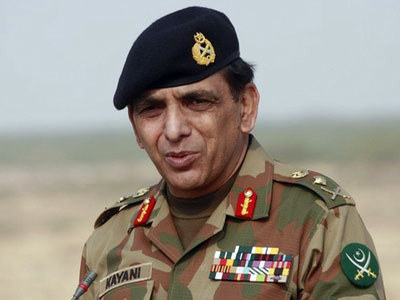
Kayani gets bashing by the US agencies, and the Taliban offer ceasefire. Coincidence?

Kayani visits NDUW; calls on heads of US agencies

WASHINGTON: Chief of Army Staff (COAS) General Ashfaq Parvez Kayani called on Mr Robert Gates, Secretary of Defence, Admiral Michael Mullen and General George Casey.

According to ISPR, General Kayani discussed matters of mutual interest with particular reference to security situation in the region. Chief of Army Staff also called on Lieutenant General Mapples, Director Defence Intelligence Agency.

During the day COAS also visited Pentagon and held a detailed meeting with Admiral Michael Mullen, CJCS in which they continued their discussions on regional strategic matters. Official bilateral round table talks were also held between the COAS and General George Casey, US Army Chief.

As a mark and in recognition of “his superb leadership qualities and for making Pakistan Army a robust and capable fighting force and also keeping with the finest traditions of military service, being great credit upon himself, the Pakistan Army and Pakistan”, General Ashfaq Parvez Kayani was awarded the Legion of Merit (Degree of Commander).

Earlier on arrival at Fort Mayer, an impressive welcome ceremony was held in which a smartly turned out contingent of US Army presented Guard of Honour. COAS also laid wreath at Arlington National Cemetery. (The News)

....

Taliban declare 4-day ceasefire in Bajaur
Tehreek-e-Taliban Pakistan (TTP) leader Maulvi Faqir Muhammad had declared a unilateral ceasefire in Bajaur late on Monday. He said in a radio broadcast his men had vacated Inayat Killay, a Taliban stronghold outside Bajaur’s main town of Khar. staff report/agencies

Fazlullah declares indefinite ceasefire

* Asks his men to stop displaying weapons, end attacks on military vehicles
* Warns against fresh troop deployment, orders NGOs out
* Security forces block Taliban chief’s radio channel during speech


MINGORA: Swat Taliban declared an indefinite ceasefire in the valley on Tuesday, and freed four policemen and three Frontier Constabulary troops.

The decision was made in a meeting of the Taliban shura (council) on Tuesday, Taliban spokesman Muslim Khan said.

Taliban chief Mullah Fazlullah announced the decision in a speech that was cut short when the security forces blocked the transmission of his FM radio channel.

He asked his men to stop displaying weapons, end their armed patrols and not to attack security convoys or abduct government officials, according to copies of the speech sent to the media.

He urged the government to restore all officials removed during the unrest in Swat.

A private TV channel said the security forces had imported equipment to jam the radio transmission and used it for the first time on Tuesday.

Fazlullah ordered his commanders to disband their checkpoints, which he said created “unnecessary problems” for residents.

Taliban had set up checkpoints in several areas of Swat where they checked all travellers. One security official expressed hope that the illegal checkpoints would be removed following the speech.

The Taliban chief also stopped all non-government organisations from operating in the valley until sharia law’s implementation.

“All NGOs should leave Swat because they are creating problems for peace,” Fazlullah said in the speech. But he added that emergency medical crews were exempt from the order.

It is not clear how many charities operate in the valley.

Fazlullah called on soldiers deployed in Swat to remain at their bases, vowing to retaliate against any troop increases. (Daily Times)

....

جنگجو ’قومی مفاد‘ میں جنگ بندی پر تیار

سوات
سوات میں امن معاہدے کے بعد کافی سکون نظر آ رہا ہے
پاکستان میں فضاء آج کل یکایک بدلی بدلی دکھائی دینے لگی ہے۔ ایک طویل عرصے سے پاکستانی سکیورٹی فورسز کے خلاف برسرے پیکار سوات اور باجوڑ کے شدت پسندوں کو اچانک ایسا کیا ہوا کہ وہ ایک ایک کر کے جنگ بندی پر تیار ہونے لگے ہیں جبکہ وزیرستان میں جنگجو سردار اپنے اختلافات بھلا کر اکھٹا ہوئے ہیں۔

یقیناً کبھی نرم اور کبھی گرم فوجی آپریشنوں سے شدت پسندوں دباؤ میں ضرور تھے لیکن کئی تجزیہ نگاروں کو اس بدلے بدلے موسم کا شک امریکہ میں آج کل جاری منصوبہ بندی پر ہے۔ ایک جانب اگر امریکہ پاکستان اور افغانستان کے اعلی حکام کی میزبانی کے فرائض انجام دے رہا ہے، ان کی مدد سے اس خطے کے لیئے اپنی پالیسی کا ازسرنو جائزہ لے رہا ہے تو دوسری جانب مزید سترہ ہزار تازہ دم فوجی روانگی کی تیاری بھی کر رہے ہیں۔

دوسری جانب امریکہ نے پاکستان کے اندر جاسوس طیاروں سے حملے بند کرنے کی بجائے اس میں شدت لانے کا عندیہ دیا ہے۔ سینیئر صحافی اور تجزیہ نگار سلیم صافی کہتے ہیں کہ طالبان سمجھتے ہیں کہ مستقبل قریب میں ان کے لیے ناصرف کام بڑھ رہا ہے بلکہ خطرات بھی بڑھ رہے ہیں تو شاید یہ اس کے لیے تیاری ہو رہی ہے۔

اس کے علاوہ وہ کہتے ہیں کہ اس صورتحال کے کئی اور عناصر بھی ہیں۔ ایک یہ کہ پاکستانی اسٹیبلشمنٹ اور خفیہ اداروں پر بھی عالمی دباؤ بڑھ گیا ہے کہ وہ شدت پسندوں کی مدد بند کر دے تو دوسری جانب اسے سوات میں عملی طور پر شکست ہوئی ہے

http://www.bbc.co.uk/urdu/pakistan/story/2009/02/090224_situationer_haroon_as.shtml


.....

US will not quit region, says Holbrooke
By Anwar Iqbal

Wednesday, 25 Feb, 2009 (Dawn)

WASHINGTON, Feb 24: Richard Holbrooke, the US special envoy for Pakistan and Afghanistan, has said that the United States will not quit the region and will stay as long as it takes to eradicate terrorism from there.

“Americans never quit,” said Mr Holbrooke in an interview to PBS television. “We’ve surmounted other things. We’ll survive, whatever happens. I believe in our strength.”

A transcript made available to the media on Tuesday quoted Mr Holbrooke as saying that a US intelligence chief could also discuss with the ISI chief the question of an alleged relationship between his agency and the militants.

“The degree of that continuing relationship is one of the things that need to be discussed openly and candidly between two friends, America and Pakistan,” he said.

“The US gives a lot of assistance to Pakistan. And most people, me included, feel that Pakistan does not do enough to stop the people who from bases in Pakistan cross into Afghanistan and attack American and allied forces.”

Ambassador Holbrooke described President Zardari as “critically important” for the US and said that Washington would help him expand his authority.

“The question of his degree of authority over elements of the government is a legitimate one, which he himself has talked about openly. And this government, American government -- wants to support civilian democratic rule in Pakistan,” he added.Mr Holbrooke said US President Barack Obama was forced to send additional 17,000 to Afghanistan now, and not after the review, because the situation on ground in both Afghanistan and Pakistan was serious.

“Some people said you should have waited for the end of the strategic review to send the troops. That option was not available given the situation that President Obama inherited on day one of his presidency,” he said.

Ambassador Holbrooke said the new US strategy would involve all of Afghanistan’s neighbours including Pakistan, China, India, Russia, Iran and even Saudi Arabia and Turkey, which were farther afield.

“Afghanistan would last longer than Iraq, that it would be more difficult … this is something else. This is a really difficult problem, because it involves so many different countries,” he added.

“And Afghanistan and Pakistan are completely interrelated in this regard. There is no way that the international effort in Afghanistan can succeed unless Pakistan can get its western tribal areas under control.”

Mr Holbrooke said even if Afghanistan had the best government in the world; it could not succeed in bringing normalcy to the country if Pakistan’s tribal areas remained out of control.

Mr Holbrooke said that while the US wanted to make sure that Afghanistan did not become a safe haven for terrorists who could deliver another 9/1; that’s not a final objective.

“It is an interim necessity as we work towards a basic strategic outcome, which covers an objective which involves Pakistan as well,” he added.

“Because if you deny Afghanistan to Al Qaeda, which American troops can do, but Al Qaeda remains in Pakistan, you remain at risk.”

The US officials indicated that drone attacks to destroy militants sanctuaries would continue.

Some relevant comments:

fanaticmulla said:

well i think Taliban do not do anything unless green signal is given by ISI, now ISI gave green signal to Mulla Commander Omer haji (to block the NATO transit) and he executed the task with success….

todays latest development that Mulla Faqeeru announced a cease fire and also siad that they will not go to Afghanistan for fighting…at the moment it seems that ISI has some sort of control over Talibans and as long as it stops mess and killings, its useful……


savage said:

@fanaticmulla

Your analysis could be 100% correct, look at the following news, looks like circus masters have finally decided to put this beast back in the cage.


Read more...