

Read more...

| Post-Baitullah TTP |
 |
|
|
| Wednesday, September 09, 2009 (The News) Saleem Safi It would be too optimistic to believe that the killing of Baitullah Mehsud has smashed the TTP network. It is a fact that the TTP has been weakened in the past few weeks and months, however, there are some factors which need to be considered. The major blow to the TTP was caused by the frequent drone attacks which have left many important officials of Al-Qaeda and TTP dead have restricted the mobility of the surviving Al-Qaeda and TTP officials. The drone attacks have also badly affected the communication network of the TTP. Another major blow to the TTP is that the US and Afghan intelligence agencies have gained major successes in penetrating the TTP among the local tribes. The Swat and Bajaur operations conducted by the Army also proved fatal to the TTP. Meanwhile, the US and Afghan forces are gearing up to wage a final battle to eliminate Al-Qaeda and the Taliban. This makes the Pakistani tribal areas as the most significant refuge for the Taliban. Sensing this possibility, the US has put pressure on Pakistan to flush out militants from its tribal belt. The US is monitoring all the offensives launched by the Pakistani forces against the Taliban. The frequent visits of US special envoy Richard Holbrook to Pakistan and his reduced focus on Afghanistan are also reflective of this strategy. Even if we repudiate the notion of the presence of US Marines on Pakistani soil, we could easily assess the increasing direct contacts of US officials with Pakistani media persons, civil society organisations, politicians, which are mainly meant to collect information and assess the situation on the ground in Pakistan. The death of Baitullah, the top strategist of the TTP, has also hit the TTP from so many aspects. It was a reality that he had become a focal point between Al-Qaeda, the Afghan Taliban, the TTP and all banned militant and jihadi organisations exploiting his qualities. Since taking over the TTP, Baitullah had established himself as a serious and farsighted leader due to which he was feared as a dangerous person locally and internationally. This was a distinction, and any other TTP leader will take years to gain such influence among TTP followers. The death of Baitullah is a huge loss to the TTP keeping in view these factors. However, it would be imprudent to think that his death will abolish thye TTP completely as despite all his capabilities, he was neither a founder nor an architect of the TTP or Talibanisation. History reveals that there are either founders of some movement or there are some circumstantial leaders. Prior to Baitullah, the militants were led by Naik Mohammed and later Abdullah Mehsud succeeded him after his demise. Whether it was Naik Mohammed, Abdullah or Baitullah – all were shaped up by the Afghan Taliban and Al-Qaeda. So even if Baitullah is no more, whoever is nominated by the Afghan Taliban will gradually get the stature of Baitullah sooner or later. The militancy in the Pakistani tribal belt is produced by bickering between international forces operating in Afghanistan and Pakistan, especially the Pakhtoon belt on both sides of the border. Talibanisation cannot be abolished from the region until these international powers stop their dirty game in the region. Regardless of who is dead or alive, if these powers seriously agrees on elimination of insurgents, the militants would be no more visible in the entire area. However, if these states kept playing for implementing their respective agendas, no matter who is alive or dead, the insurgents will rule the region and the Death Game. The writer works at Geo TV. |
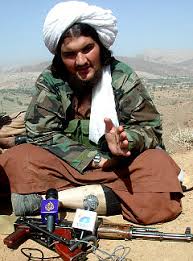
DERA ISMAIL KHAN, Pakistan — Two commanders of the Pakistani Taliban say the militants' top leader, Baitullah Mehsud, is dead. They say he died from wounds from a U.S. missile strike.
The statements by two of Mehsud's top deputies are the first time the militants have acknowledged his death, first reported shortly after the Aug. 5 missile strike near the Afghan border.
Hakimullah Mehsud and Waliur Rehman called The Associated Press on Tuesday evening to make the announcement. They said Baitullah Mehsud was wounded in the missile attack but only died Sunday.

کالعدم تحریک طالبان پاکستان نے تنظیم کے سربراہ بیت اللہ محسود کے جو ایک ڈرون حملے میں شدید زخمی ہو گئے تھے ہلاک ہونے کی تصدیق کر دی ہے۔
کالعدم تحریک طالبان کے نئے امیر حکیم اللہ محسود نے کسی نامعلوم مقام سے بی بی سی سے فون پر بات کرتے ہوئے بیت اللہ محسود کی ہلاکت کی تصدیق کرتے ہوئے کہا کہ ان کی موت دو دن پہلے ہی واقع ہوئی ہے۔
حکیم اللہ محسود نے کہا کہ بیت اللہ محسود ڈرون حملے میں شدید زخمی ہو گئے تھے اور مسلسل بے ہوشی کی حالت میں تھے تاہم دو دن قبل وہ بے ہوشی کی حالت ہی میں چل بسے۔
حکیم اللہ محسود کے علاوہ طالبان کمانڈر ولی الرحمان نے بھی بی بی سی سے فون پر بات کی اور طالبان کے درمیان اختلافات کی خبروں کی تردید کی۔ انہوں نے کہا کہ ان کے درمیان کسی قسم کے اختلافات موجود نہیں ہیں۔
ولی الرحمان کو وزیرستان کے محسود علاقے میں طالبان کا کمانڈر مقرر کر دیا گیا

’فوج کو خبر ہونے تک طالبان گھر کا محاصرہ کر چکے تھے‘
پاکستان کے قبائلی علاقوں اور صوبہ سرحد میں پچھلے کئی سالوں سے جاری تشدد کی لہر نے نہ صرف لوگوں کے ذہنوں میں ملک کی ’سلامتی‘ کے بارے میں خدشات پیدا کیے ہیں بلکہ اس کی کھوکھ سے جنم لینے والے المیے متاثرہ افراد کی زندگیوں کے ساتھ ہمیشہ کے لیے نتھی ہو چکے ہیں۔ طالبان اور سکیورٹی فورسز کے مابین جاری لڑائی سے جنم لینے والے انسانی المیوں کے مختلف پہلووں کو صحافت کے تنگ دامن میں یا تو سرے سے جگہ ہی نہیں مل سکی اور اگر ملی بھی تو اس طرح نہیں جس طرح سے یہ واقعات رونما ہوئے اور یوں حقیقی کہانیاں صحافتی مقابلے کی دوڑ کے ملبے میں کہیں دفن ہوگئیں۔
پشاور میں بی بی سی کے نامہ نگار عبدالحئی کاکڑ جنگ زدہ افراد یا خاندانوں پر بیتی ہوئی انہی کہانیوں کی کھوج میں ہیں جنہیں بی بی سی اردو ڈاٹ کام ایک سیریز کی صورت میں شائع کر رہی ہے۔ اس سلسلے کی دوسری کہانی۔
’’یہ چھبیس اکتوبر دو ہزار آٹھ کی صبح کا واقعہ ہے۔ گوالیرئی گاؤں کی مسجد میں ستر کے قریب مقامی قبائلی رہنما طالبان کے نمائندے ملا شمشیر کے ساتھ بات چیت کرنے کے لیے اکھٹے ہوئے تھے۔ مذاکرات کے دوران یہ طے پایا کہ طالبان آئندہ گاؤں میں داخل نہیں ہونگے البتہ انہیں سڑک پر سے گزرنے کی اجازت ہوگی اور مشران نے طالبان کی یہ شرط مان لی کہ وہ فوج سے ملاقات کرکے انہیں گاؤں میں آنے سے منع کریں گے۔ قرآن مجید کو گواہ بنا کر درمیان میں رکھا گیا اور ملا شمشیر نے آخری دعا کردی۔
دو دن بعد انہوں نے ہم میں سے دو مشران کوگولیاں ماردیں اور انہیں باہر بجلی کے کھمبوں پر لٹکادیا۔ بعد میں انہوں نے تین یرغمالی مشران کو اس شرط پر چھوڑ دیا کہ وہ گاؤں کے لوگوں کو طالبان سے راضی نامہ کرنے پر قائل کریں۔ مشران نے گاؤں جا کر لوگوں کے سامنے دامن پھیلا پھیلا کر انہیں طالبان سے صلح کرنے پر راضی کرا لیا۔
اکرام اللہ
دعا کے بعد ملا شمشیر باہر نکل گئے اور مشران فوجی حکام سے مذاکرات کا طریقہ کار طے کرنے میں مصروف ہوگئے کہ چند منٹوں کے بعد ملا شمشیر مسجد میں دوبارہ داخل ہوئے اور کہا کہ ’امیر صاحب آگئے ہیں وہ تم لوگوں سے کچھ کہنا چاہ رہا ہے‘۔ تھوڑی دیر بعد ابنِ یامین، خوگ، غزنوی نامی طالبان کمانڈر اپنے تیس کے قریب ساتھیوں کے ہمرا جوتوں کے ساتھ ہی مسجد میں داخل ہوگئے۔
ان کے پاس کلاشنکوفیں، جی تھری بندوقیں تھیں اور انہوں نے اپنے جسموں کے ساتھ گرینیڈ اور دیگردھماکہ خیز مواد باندھ رکھا تھا۔ ابن یامین نے داخل ہوتے ہی اپنے ایک رشتہ دار ایوب سپین دادا پر کلاشنکوف کا برسٹ چلا دیا۔اس کے ساتھ ہی طالبان نے جرگے پر اندھا دھند فائرنگ شروع کر دی۔ گولیوں کے شور میں کسی کی بھی آواز سنائی نہیں دے رہے تھی۔ جب فائرنگ میں کمی آئی تو میں نے دیکھا کوئی کراہ رہا ہے، کوئی مردہ حالت میں، کوئی مسجد کے ستون کے پیچھے چھپا اور بعض لوگ کسی کونے میں گھٹڑیوں کی صورت میں بیھٹے ہوئے ہیں۔اس موقع پر پانچ افراد ہلاک اور سات زخمی ہوگئے۔طالبان نے باقی لوگوں پر بندوقیں تان کر انہیں یر غمال بنایا۔
انہوں نے سپین دادا کے چھوٹے بھائی بہر مند خان کو قتل کرنے کے بعد پاؤں سے پکڑ کر باہر مسجد کی صحن میں پھینک دیا اور ان کے دوسرے بھائی بر کمال کو ابنِ یامین نے زندہ پکڑ کر ان سے کہا کہ ’وہ تم ہی تھے جس نے مجھے دھمکی دی تھی کہ میں تمھاری آنکھیں نکال دونگا‘۔ یہ کہنے کے بعد اس نے بر کمال کی آنکھوں پر کلاشنکوف کی نال رکھی اور دو برسٹ مار دیے۔
اس کے بعد طالبان نے اندر آکر ایوب سپین داد اور ایک اور قبائلی رہنما کی لاش اٹھائی اور ان کے ہاتھ پاؤں کاٹ کر انہیں باہر ایک درخت پر لٹکادیا۔ابھی ہم ساٹھ سے زائد لوگ اندر ہی یرغمال تھے کہ باہر سے شدید فائرنگ کی آوازیں آنے لگیں۔ ہمیں ڈر لگا کہ کہیں گاؤں والوں نے ہماری مدد کے لیے طالبان پر حملہ نہ کردیاہو۔ ہمیں خوف تھا کہیں طالبان ہم سب کو مار نہ دیں۔
گاؤں میں جو دس سے زائد لوگ طالبان کو مطلوب تھے ان پر ایک ایک لاکھ روپے یا ایک کلاشنکوف دینے کا جرمانہ عائد کیا گیا جو انہوں نے بعد میں ادا بھی کر دیا۔
اکرام اللہ
یہ سلسلہ دس سے ایک بجے تک جاری رہا۔ اس کے بعد طالبان ساٹھ سے زائد یر غمالی مشران کو اپنے ہمراہ لے گئے اور ہمیں گاؤں سے تقریباً دو کلومیٹر دور اغل نامی پہاڑی علاقے کی طرف لے گئے۔ وہاں پر ہمیں ایک سکول میں رکھا گیا۔ وہ ہر وقت ہمیں مارتے تھے۔ خوفزدہ کرنے کے لیے ہمارے سامنے چھریاں تیز کرتے اور آ کر کہتے آج اس کو اور کل فلاں کو ذبح کرنے کی باری ہے۔
دو دن بعد انہوں نے ہم میں سے دو مشران کوگولیاں ماردیں اور انہیں باہر بجلی کے کھمبوں پر لٹکادیا۔ بعد میں انہوں نے تین یرغمالی مشران کو اس شرط پر چھوڑ دیا کہ وہ گاؤں کے لوگوں کو طالبان سے راضی نامہ کرنے پر قائل کریں۔ مشران نے گاؤں جا کر لوگوں کے سامنے دامن پھیلا پھیلا کر انہیں طالبان سے صلح کرنے پر راضی کرا لیا۔
اس کے بعد ہمیں چھوڑ دیا گیا۔ گاؤں میں جو دس سے زائد لوگ طالبان کو مطلوب تھے ان پر ایک ایک لاکھ روپے یا ایک کلاشنکوف دینے کا جرمانہ عائد کیا گیا جو انہوں نے بعد میں ادا بھی کر دیا۔ جب ہم واپس آئے توگاؤں والوں نے بتایا کہ پہلے دن جب وہ جاں بحق ہونے والے افراد کو دفنانے میں مصروف تھے کہ فوجی ہیلی کاپٹروں نے آکر فائرنگ کی جس میں تین افراد زخمی ہوگئے۔ جو لوگ باقی میتوں کو غسل دینے میں مصروف تھے وہ بھی بھاگ گئے۔
ہمارے گاؤں کے قریب پیر سمیع اللہ کا گاؤں ہے۔ وہاں پر جب لوگوں کو پتہ چلا کہ گوالیرئی پر طالبان نے حملہ کردیا تو انہوں نے لشکر بنایا اور ہماری طرف روانہ ہوگئے لیکن جب انہوں نے گاؤں پر ہیلی کاپٹروں کو شیلنگ کرتے دیکھا تو وہ واپس لوٹ گئے۔
میں سمجھتا ہوں کہ اگر ہماری فوج اور خفیہ ادارے طالبان کی پشت پناہی نہ کرتے تو ہم سوات کے لوگ ان مٹھی بھر افراد کا صفایا کردیتے۔‘
Some relevant comments:
A view for the USA


’ہارون صاحب عمر خبرے کوم، مالا حکیم اللہ نمبر خو لگ راکئے۔ ستاسو ورسرا خبرا شوے دا خو زما رابطہ ورسرا نہ کیگی۔ (ہارون صاحب عمر بات کر رہا ہوں۔ مجھ حکیم اللہ کا نمبر تو دیں۔ آپ کی اس سے بات ہوی ہے لیکن میرا رابطہ نہیں ہو رہا۔)’
یہ ٹیلیفون کال مجھے موصول ہوئی کالعدم تحریک طالبان پاکستان کے مرکزی ترجمان مولوی عمر کی گرفتاری سے چند روز قبل جس میں وہ حکیم اللہ محسود کا نمبر مجھ سے مانگ رہے تھے۔
اس کال سے ناصرف فوجی کارروائی کے نتیجے میں شدت پسندوں کے رابطوں میں بظاہر کمی دکھائی دیتی ہے بلکہ ایک ترجمان کی مشکل بھی جو تنظیم کی قیادت سے دور بیٹھا ان کا موقف دنیا پر واضح کرنے کی ڈیوٹی باقاعدگی سے دے رہا تھا۔
افغانستان میں تو روسیوں کے خلاف مزاحمت کے وقت سے ترجمان کا عہدہ کافی پرانا ہے۔ لیکن پاکستانی طالبان نے ترجمان کے عہدے کو اس کی اہمیت مدنظر رکھتے ہوئے مستقل حیثیت سن دو ہزار چار میں دی تھی۔ اس سے قبل نیک محمد اور عبداللہ محسود جیسے شدت پسند خود اپنے ترجمان ہوا کرتے تھے۔
سن دو ہزار چار کے بعد طالبان نے مرکزی اور مقامی سطحوں پر ترجمانوں کا ایک باقاعدہ نیٹ ورک قائم کیا ہے۔ اس کی بڑی وجہ طالبان کا خوف ہے کہ کہیں نیک محمد کی طرح وقت بے وقت میڈیا سے گفتگو میں ان کے رہنماؤں کی زندگی کو خطرہ ہوسکتا ہے۔ لہذا قدرے کم اہم شخص کو ترجمان مقرر کر دیا جاتا ہے جو ضرورت پڑنے پر میڈیا سے رابطہ کرتا ہے۔
سب سے پہلے اس بابت شمالی وزیرستان نے پہل کرتے ہوئے عبداللہ فرہاد نامی ایک شخص کو وہاں کے مقامی طالبان کا ترجمان مقرر کیا تھا۔ اس کے بعد آج کل وہاں کی ترجمانی احمد اللہ احمدی کے حوالے ہے۔
لیکن تحریک طالبان پاکستان کے دسمبر دو ہزار سات میں قیام کے بعد مولوی عمر کو اس کا پہلا باضابطہ ترجمان مقرر کیا تھا۔ اس سے قبل بیت اللہ محسود کی ترجمانی کے فرائض حکیم اللہ محسود سرانجام دیتے رہے تھے۔
جہاں جہاں جنگ ہوئی وہاں وہاں طالبان کو مقامی سطح پر بھی ترجمان کی ضرورت پڑتی رہی۔ اس کی ایک مثال سوات میں طالبان کی جانب سے امریکہ پلٹ مسلم خان کو اپنا ترجمان مقرر کرنا ہے۔ اس کے علاوہ مقامی سطح پر ترجمان موجود ہیں لیکن میڈیا سے بات انتہائی اہم مواقعوں پر ہی کرتے ہیں۔ ان میں مہمند ایجنسی کے ترجمان شکیل ہیں جنہوں نے گزشتہ دنوں شبقدر میں ایک حملے کی ذمہ داری قبول کی۔
گزشتہ دنوں تحریک طالبان کی مرکزی قیادت کے بارے میں بار بار مختلف افواہوں کے سامنے آنے کے بعد تحریک نے اعظم طارق نامی شخص کو اس کا وزیرستان اور مرکزی قیادت کے لیے ترجمان مقرر کیا۔ تاہم ان کا کہنا تھا کہ ان کی تقرری سے مولوی عمر کو کوئی فرق نہیں پڑے گا اور وہ بدستور مرکزی ترجمان برقرار رہیں گے۔
ان ترجمانوں کے بارے میں اور کچھ واضح ہونا ہو ان کے بارے میں ایک بات کافی واضح ہے کہ ان کے نام کبھی بھی اصلی نہیں ہوتے۔ وہ اپنی ترجعع اور پسند ناپسند کے مطابق اپنے لیے نام چنتے ہیں۔ اب اعظم طارق جیسا نام قبائلی علاقوں میں قدرے غیرمعمولی ہے۔ کچھ لوگوں کو شک ہے کہ یہ دیگر شدت پسند تنظیموں جیسے کہ سپاہ صحابہ کے تحریک طالبان سے روابط ہیں جن کا ان ناموں سے اظہار ہوتا ہے۔
اب تک جو بھی ترجمان مقرر کیا گیا ہے اس کے لیے اہم ترین معیار شاید اس کا پشتو اور اردو میں ماہر ہونا ہی دکھائی دیتا ہے۔ اس کے علاوہ اس کی مشکل سوالات کا جواب گول کرنے کی صلاحیت بھی یقینا مدنظر رکھی جاتی ہے۔ ان ترجمانوں کا واحد ہتھیار ان کا موبائل فون ہی ثابت ہوا ہے۔ فوجی آپریشن ہوں یا ان کا دور وفاقی وزیر اطلاعات کا ملنا مشکل ہوگا لیکن ان کا نہیں۔ جب بھی ممکن ہوا فون کرکے یا تو خود رابطہ کیا یا پھر بات کر لی۔ اکثر یہ بھی صاف صاف صحافیوں سے کہا کہ ان کے موبائل میں پیسے نہیں لہذا انہیں فون کرلیں۔
اب تک طالبان ترجمان تو زیر عتاب ہیں اور ان کا اس قسم کے کسی تعلیمی ادارے میں داخلے کا امکان نہیں لیکن افغانستان میں طالبان ترجمان کے ساتھ کافی دلچسپ صورتحال رہی۔ کبھی تو ملا ضعیف کی طرح انہیں امریکیوں کے حوالے کر دیا گیا تو کبھی سید رحمت اللہ ہادی جیسے ایک عاد نے امریکی یونیورسٹی میں داخلہ بھی لیا۔
پاکستانی ترجمان شاید اتنے اہم نہیں لہذا انہیں امریکہ اپنے قبضے میں لینے کا آج تک طلبگار نظر نہیں آیا۔ ہاں امریکی اہلکار ان سے پاکستانی حراست میں شاید پوچھ گچھ ضرور کریں گے۔ یہی کچھ شاید مولوی عمر کے ساتھ بھی ہوگا۔ تاہم اعظم طارق کی ذمہ داریاں اب شاید مزید بڑھ جائیں تاہم ایک بات ماضی کے تجربے سے واضح ہے کہ وہ وفاقی وزیر اطلاعات سے زیادہ باآسانی صحافیوں کو دستیاب رہیں گے۔


Qari Saifullah arrested in Islamabad
ISLAMABAD: Police on Monday arrested a key Taliban commander from Bhara Kahu who is allegedly responsible for several terrorist activities in the city, a police official told Daily Times. The official said Qari Saifullah, who was found injured and is being treated at a hospital, was a member of the Tehreek-e-Taliban Pakistan. He said Saifullah was a close associate of Baitullah Mehsud and an accomplice of another high-profile terrorist, Fidaullah, who had been arrested by the police two months ago. Saifullah told the police he had been wounded in a drone strike in South Waziristan. Police have also arrested Saifullah’s brother Zahid in Secretariat police precincts, a private TV channel reported. fazal sher/ap/ daily times monitor



* Hakeemullah asks govt to prove Baitullah’s death
* US ‘pretty sure’ TTP chief dead
Staff Report (Daily Times)
TANK: The Tehreek-e-Taliban Pakistan (TTP) confirmed on Monday that the group’s chief, Baitullah Mehsud, had been killed in a US drone strike on Wednesday, and announced a 15-day mourning period, reported a private TV channel.
Newly-appointed TTP spokesman Azam Tariq told the channel the TTP would observe a ceasefire during mourning period. He said a successor to Baitullah had not been chosen yet.
But a close aide of the TTP chief demanded that the government prove Baitullah was dead.
“I challenge (Interior Minister) Rehman Malik to prove that Baitullah is dead,” Hakeemullah, who was reportedly killed in a shootout on Friday, told journalists over the telephone. Hakeemullah said, “I am alive ... I am here to prove that I am alive and so is Baitullah,” he said. “Baitullah is alive and healthy ... he will come before the media soon. There is no succession,” he said.
However, Hakeemullah’s statement that Baitullah is healthy contradicts a statement by another Taliban leader, Maulana Noor Syed, who claimed the TTP chief “is seriously ill”.
Meanwhile, the US is “pretty sure” that Baitullah has been killed, White House Deputy Press Secretary Bill Burton said on Monday. He said the development “shows that Pakistan has made progress in moving to root out extremists”.


Is the despised leader of the Deobandi-Wahhabi alliance in Pakistan, namely Taliban (or Sipah-e-Sahaba or Al-Qaeda), finally killed? Is the spiritual son of General Zia-ul-Haq killed?
Our condolences to the supporters of Taliban, namely Ijaz-ul-Haq, Imran Khan, Qazi Hussain Ahmed, Mullah Munawar Hassan, and Mullah Fazlur-Rehman.
Here is a report by BBC News:
There are growing indications that Pakistan's most wanted man, Taliban leader Baitullah Mehsud, has been killed by a US missile.
A Mehsud aide reportedly confirmed that he had died when a drone attacked the house where he was staying.
Pakistani Foreign Minister Shah Mahmood Quresh said the government was seeking "ground verification".
Taliban leaders have gathered in South Waziristan to choose a successor, local sources have told the BBC.
 | ANALYSIS  Orla Guerin, BBC News, Islamabad Mehsud's death would be seen in Pakistan as a huge step forward. He has been the country's most wanted man, blamed for a string of suicide attacks and also accused of being behind the assassination of the former Prime Minister, Benazir Bhutto. He has also been on America's wanted list, with a price of $5m on his head. He is seen there as an al-Qaeda facilitator. In the past month or so, both the Pakistanis and Americans have been working hard to tighten the net around him, with US drone strikes but also with air strikes by the Pakistani authorities. If reports of his death are confirmed, this will be seen here as the elimination of a key enemy of this country and of a man who has caused the killing of hundreds of civilians. |
Three names are under consideration says Abdul Hai Kakar, a BBC reporter based in Peshawar.
Hakimullah Mehsud, Maulana Azmatullah and Wali-ur-Rehman were all mentioned as possible successors.
People living close to the scene of the missile attack in South Waziristan told the BBC Baitullah Mehsud had been killed along with his wife early on Wednesday.
The remoteness of the location is contributing to the delay in establishing the facts, the BBC's Orla Guerin reports from Islamabad.
A US official said there was "reason to believe reports of his death may be true but it cannot be confirmed".
Previous reports of Baitullah Mehsud's death have proved to be unfounded.
South Waziristan is a stronghold of the Taliban chief, who has been blamed by Pakistan for a series of suicide bomb attacks in the country.
'Hit on the roof'
Kafayat Ullah, described as an aide to Baitullah Mehsud, told the Associated Press by telephone on Friday that his leader had been killed along with his second wife by a US missile. He gave no further details.
|   There is a sense of awe as this short, plump, bearded man greets us  Syed Shoaib Hasan BBC reporter on meeting Baitullah Meshud in 2008  |
The missile fired by the US drone hit the home of the Taliban chief's father-in-law, Malik Ikramuddin, in the Zangarha area, 15km (9 miles) north-east of Ladha, at around 0100 on Wednesday (1900 GMT Tuesday).
At the time of the attack, the Taliban leader was said to be on the roof, suffering from an illness for which he was taking medication, local people told our Peshawar reporter.
Some who had reportedly seen his body said that it had been half-destroyed by the blast.
Baitullah Mehsud was buried in the nearby village of Nardusai, the witnesses told our reporter.
Several of Baitullah Mehsud's relatives were also injured, local people told the BBC earlier.
Pakistan's foreign minister told reporters in Islamabad that "to be 100% sure [of the Taliban leader's death], we are going for ground verification".
One factor complicating verification of his death is the lack of photographs of the Taliban leader.
Pakistan's foreign minister: "We are going for ground verification"
When the BBC's Syed Shoaib Hasan went to interview him in South Waziristan in May 2008, he found himself sitting down before a short, plump, bearded man, reluctant to allow his picture to be taken.
Pakistan's interior minister, Rehman Malik, told the BBC that even if DNA could be recovered at the scene, the authorities did not have a sample from a male relative of the Taliban leader to compare it with.





The Pakistani ISI and military want the Taliban as clients, not the other way around. There are, reportedly, plenty of convinced Islamists in uniform, but Pakistan's national objectives are all about India (as they always have been) and suppressing terrorism within Pakistan itself. This is new. The Pakistani Taliban's violent subversion in Pakistan has compromised what had been a long sponsorship of radical Islamist groups by the Pakistani security services. With Musharraf having put Kashmir on the back burner and the Americans in Afghanistan, the more bloodthirsty Islamists have seen the seizure of more territory in Pakistan itself as their best option.
It's hard to tell how much that has been changed by the Pakistani army's offensive in Swat and American decimation of factional Islamist leadership. Having said that, what I'd expect the Pakistani security services to do in response to an American withdrawal from Afghanistan is the reverse of Lindholm's prediction; they'd negotiate with Taliban factions to desist from further adventures within Pakistan in exchange for support of their effort to regain power in Afghanistan, and to take their al Qaeda "guests" with them. In brief, they'd seek to export their terrorism problem.
A Taliban movement exercising de facto control over much of the Pashtun-majority areas of Afghanistan but purged of al Qaeda elements can't be said to threaten our security. Taliban hosting al Qaeda elements who never leave Afghanistan are no threat either. It's a Taliban receiving intelligence and logistical support from Pakistan's security services, controlling Afghan territory and hosting al Qaeda elements able to use it as a sanctuary, coming and going as they please that we cannot permit. A military coup in Pakistan wouldn't be required for such a situation to arise.