Editor's Choice

--------------------------------------------------------------------------------------------------------------------------
Featured Post
--------------------------------------------------------------------------------------------------------------------------

"Let us build Pakistan" has moved.
30 November 2009

All archives and posts have been transferred to the new location, which is: http://criticalppp.com

We encourage you to visit our new site. Please don't leave your comments here because this site is obsolete. You may also like to update your RSS feeds or Google Friend Connect (Follow the Blog) to the new location. Thank you.


--------------------------------------------------------------------------------------------------------------------------
Showing posts with label Sipah-e-Sahaba. Show all posts

Friday, 13 November 2009

Don't malign Taliban. It's foreign agents who are responsible for terrorism in the guise of Taliban.

The threat within

Ayesha Siddiqa
Friday, 13 Nov, 2009 (Dawn)

A few days ago I came across a letter to the editor in Dawn in which the writer had protested against the use of the word ‘Taliban’ to describe the brutal killers currently terrorising the nation.

In the writer’s view, such people should be termed ‘zaliman’. I thought I would advise the writer to watch more television and read newspapers to get rid of his anger against the Taliban.

Perhaps the writer would have benefited tremendously by watching a programme aired recently on a TV channel in which three distinguished maulanas — including Jamaat-i-Islami leader Fareed Paracha — argued that the Taliban were being needlessly maligned since there was no evidence available to prove that the attacks were being carried out by the Tehrik-i-Taliban Pakistan.


Furthermore, it was said that the TTP’s claiming responsibility for terrorist attacks inside Pakistan did not add up to much since anyone could make those calls just to malign the organisation of non-state militants.

The above interview came a couple of days after the army claimed to have found evidence of India’s involvement in the conflict in Waziristan. Islamabad should take the evidence to the International Court of Justice since it does not hope to get a fair hearing from anyone else in the world, certainly not the US. Since India and America are viewed as being ‘hand-in-glove’, Pakistan cannot afford to share the above information with Washington as New Delhi did in the case of the Mumbai attacks.

The evidence of India’s involvement should be sufficient to put the aforementioned letter writer’s mind at rest. Now we no longer need to search for internal sources of violence.

Since the responsibility of the conflict in the region is now the responsibility of the US followed by India, we need not even look at the fact that Pakistan witnessed about 45 terrorist attacks before 9/11 which many in this country view as the sole cause of strife and bloodshed in the entire region. We can no longer argue that 9/11 just expedited the process of bringing to the surface all those elements or networks that later caused violence in the region.

I would go further and apprise the writer of another crucial fact that technically, there are no home-grown terrorists in Pakistan since there has never been any conviction in a major case of terrorism. The significant names that are associated with extremist terrorist activities such as Haq Nawaz Jhangvi, Riaz Basra and Malik Ishaq of the Sipah-i-Sahaba Pakistan (SSP)/Lashkar-i-Jhangvi (LJ), Qari Saifullah Akhtar of Harkat-ul-Jihad-ul-Islami (HuJI) or Masood Azhar of Jaish-i-Mohammad (JM) and many others are foreign concoctions.

The country’s legal system is such that the onus of proving an individual or organisation’s responsibility in an act of terror lies on the state. So, if the police are unable to bring concrete evidence before the court it is difficult to convict those accused of terrorism by the law-enforcers. Moreover, the legal procedures take so long that the prosecution (being the state) is unable to hold on to witnesses. They either die, are killed or are too scared to give evidence against organisations and individuals with a particular reputation.

Technically, it is but fair to let people go if nothing can be proven against them. This was essentially the position which Pervez Musharraf took for not pursuing action against those who were swapped for the hostages of Indian Airlines flight IC 184 which was hijacked to Kandahar in 1999. Why arrest someone if even the enemy had failed to convict the people after keeping them in jail for so many years?

Hence, it is not surprising that there are hardly any convictions. In a couple of cases where this has happened, as in the case of American journalist Daniel Pearl’s murder, the death sentence has not been carried out.

We now know that Khaled Sheikh Mohammad of Al Qaeda and not Omar Saeed Sheikh committed the murder. Probably, it was in appreciation of Sheikh’s innocence that his jailers in Hyderabad allowed him access to several SIMs and mobile phones that he then used for very naughty activities, which we will not report here as acts of potential terrorism.

One might just wonder about the killings of Shias in the country, which have been going on since the mid-1980s when the SSP was reportedly established to fight the Tehrik-i-Nifaz-i-Fiqh-i-Jafria by the state. We hardly notice that last year there were systematic killings of Shias in Dera Ismail Khan and before that of Shia doctors in Karachi. The killing of Shias in Balochistan by the Taliban also goes unnoticed by the media and the authorities.

Surely one cannot discuss Balochistan at all where there is much more serious evidence of India’s involvement. The maulanas might argue again that sectarian violence in Balochistan is an Indian/American conspiracy.

The person who wrote the letter might decide to respond to this piece and might argue that the behaviour pattern of the Pakistani establishment and the bulk of the people remains the same. We accused the East Pakistanis of being Indian agents and said the civil war was caused by Hindu teachers in collusion with the Indian state. Any signs of India’s involvement very naturally mar our ability to look at other possibilities or threats.

In East Pakistan’s case, for instance, the internal crisis had nothing to do with the unfair treatment of the Bengalis by the West Pakistani civil and military establishment. The only truth about that era was that the Mukti Bahini was trained by Indian intelligence.

We in Pakistan are coming close to a point where we can comfortably forget that we have elements within that want to take over (perhaps not physically) the state in pursuance of their pan-Islamic agenda. The war being fought by Pakistan due to international pressure is what has caused all the violence.

I would like to refer to the golden words of Punjab’s Law Minister Rana Sanaullah in response to the allegation of south Punjab turning into a hub of extremism and terrorism.

The minister felt there was no training taking place in the region and if people were getting recruited to fight in Afghanistan or other places, how could the government stop this. After all, we live in a free country.

Under the circumstances, my only advice to the writer of the letter is that if he begins to feel unsafe vis-à-vis the presence of the ‘zaliman’ within, he/she should build additional bunkers outside the house.

The writer is an independent strategic and political analyst.
ayesha.ibd@gmail.com

Read more...

Thursday, 12 November 2009

Taliban / Sipah-e-Sahaba kill Iran consulate official in Peshawar


Group responsible:
The jihadi and sectarian alliance between Sipah-e-Sahaba and Taliban (who usually operate under various banners such as Jundollah, Lashkar-e-Jhangavi etc).

Motives:
To damage the inter-sectarian harmony in Pakistan
To terrorize the Shia Muslim minority in Pakistan
To terrorize Pakistani journalists and media persons

Director PR Iranian Consulate shot dead
PESHAWAR, Nov 12 (APP): Director Public Relations Iranian Consulate, Peshawar Abul Hassan Jaafri was shot dead by unknown assailants in Gulberg Colony, Peshawar cantonment Thursday morning. He was immediately rushed to the hospital where he succumbed to his injuries. It merits a mention here that late Jaafri had also served as reporter in Daily Frontier Post, The Statesman in early 90s and contributed scores of articles and features on various issues.

Pakistani Iranian consulate worker shot in Peshawar
12 Nov 2009 06:54:35 GMT
Source: Reuters

By Faris Ali

PESHAWAR, Pakistan, Nov 12 (Reuters) - A gunman shot dead a Pakistani working at Iran's consulate in the city of Peshawar on Thursday, police said, in an attack likely to compound strains in relations between the Muslim neighbours.

Police declined to speculate on a motive for the killing of consulate public relations officer Abul Hassan Jaffry, which came almost exactly a year after an Iranian diplomat was abducted in the same city. The diplomat is still missing.

"As he came out of the narrow street where his house is, an attacker on foot was waiting and opened fire and then ran away," Peshawar's police chief Liaqat Ali Khan told Reuters.

Hassan died on his way to the hospital.

"No one saw the attacker. We've just got shell casings from a pistol from the spot," he said.

Ties between mostly Sunni Muslim Pakistan and majority Shi'ite Muslim Iran were strained last month by a suicide bomb attack in southeastern Iran which killed 42 people.

A Sunni Muslim rebel group, Jundollah (God's Soldiers), claimed responsibility for the attack in which 15 Iranian Revolutionary Guards, including six senior commanders, were killed along with 27 other people.

Sunni Muslim militants like the Taliban and al-Qaida believe Shiites are infidels and often target the sect

Iran says the militants operate from the Pakistani side of the border and has demanded Pakistan hand over their leader, Abdolmalik Rigi.

Pakistan has condemned the bombing and vowed to help Iran track down those responsible, but says Rigi is in Afghanistan.

Iran's consul general in Peshawar, Abbas Ali Abdolahi, said Jaffry's killing was a plot by the common enemies of Iran and Pakistan.

"It aims to strain the relationship of the two countries," Abdolahi was quoted as saying by Iranian state broadcaster IRIB on its website.

Abdolahi said Jaffry was shot by two motorcycle riders.

On Nov. 13 last year, gunmen kidnapped an Iranian diplomat in Peshawar after killing one of his Pakistani guards.

Peshawar is the capital of North West Frontier Province, which borders Taliban strongholds in lawless lands along the Afghan border.


...

AFP - PESHAWAR, Pakistan — Gunmen shot dead a Pakistani spokesman for the Iranian consulate in the northwestern city of Peshawar on Thursday as he was on his way to work, police said.

Attackers targeted Abu Al-Hasan Jaffry, director of public relations and protocol at the consulate in Peshawar, as he left for the office in his car, senior police official Nisar Marwat told AFP.

He died on the way to hospital, Marwat said. The motive for the killing was not immediately clear.

This is not the first time that an official at Iran's consulate in Peshawar comes under attack. Last year, Iran's commercial attache, Heshmatollah Attarzadeh-Niyaki, was kidnapped on his way to the consulate.

Jaffry was shot on a main road soon after leaving his home in the Gulberg neighbourhood of Peshawar, a witness said.

"Suddenly the firing started and when I reached the main road, I saw Jaffry bleeding with wounds and the attackers, probably more than two, had fled," a man, who declined to give his name, told AFP.

"Jaffry had been hit in the head and chest and his left arm was badly injured," he added.

A post-mortem examination was in progress at Peshawar's Combined Military Hospital, a police official said. A government official in Peshawar confirmed the killing.
Relations between Iran and Pakistan are close, but tensions rose last month when Tehran blamed Pakistan-based militants for a suicide attack that killed 42 people, including 15 members of Iran's elite Revolutionary Guard.

Islamabad has strongly denied that the militant group Jundallah launched the October 18 attack from its territory.

Shiites, who are a majority in Iran, account for about 20 percent of Pakistan's mostly Sunni Muslim population of 167 million. More than 4,000 people have died in flashes of sectarian violence in Pakistan since the 1980s.

....

The founder and godfather of sectarianism and jihadism in Pakistan was the military dictator General Zia-ul-Haq.

Read more...

Sunday, 8 November 2009

Will the Talibanic journalists and politicians ever speak about it?


On the run


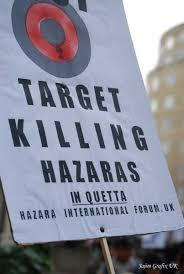
Target killing in Balochistan is rising, with more and more non-Baloch officials and Shia Hazaras seeking safe shelter elsewhere in the country

By Adnan Adil

Following the killing of three Baloch leaders -- Munir Baloch, Ghulam Mohammad and Sher Mohammad -- in Turbat last April, target killings in Balochistan have risen sharply. The main victims are: non-Baloch officials connected to the field of education and Shia-Hazaras of Quetta.

In October, all major incidents of target killings involved teachers or education officials. On Oct 31, 2009, Secretary Balochistan Board of Intermediate and Secondary Education was seriously injured when unknown armed men shot at him in Quetta's Satellite Town. He was on his way from his home to the office. He suffered multiple injuries on his head and other parts of the body. A day earlier, two employees of Cadet College Mastong, Amjad and Munawwer, Punjabi settlers in Balochistan, were shot dead. On Oct 25, the Provincial Education Minister Shafiq Ahmed Khan was shot dead in Quetta near his home. On Aug 7, another Provincial Minister Rustam Jamali was killed in Karachi. Last year, on Oct 19, the house of Province's Information Minister Younus Mullazai was attacked with a hand grenade. The minister was out of town thus escaped the murder attempt.

Earlier, according to reports, the principal of Quetta's Commerce College, the vice-principal of Balochistan Residential College in Khuzdar, the principal of Pilot High School in Mastung, the principal of Sariab Mills High School, a professor of Government Degree College and newly-appointed vice-chancellor of Balochistan University in Quetta, Safdar Kiyani, have been victims of target killing in the province.

Baloch Liberation Army (BLA) and other militant Baloch organisations have taken the responsibility of killing at least 238 citizens in Quetta including professors, teachers, surgeons and lawyers. The day the provincial minister, Shafiq Khan, was shot dead, Shehak Baloch, who identified himself as a member of Baloch Liberation United Front, (BLUF) telephoned a news wire agency in Quetta, claiming the responsibility of the murder. Shehak was reported to have told the news agency that Khan was killed to avenge the murder of three Baloch leaders in Turbat. He also said the slain minister was anti-Baloch.

Most professors in Balochistan University are from Punjab or Karachi, and have received letters threatening them to leave Balochistan. The letters reads: "We are from Balochistan Liberation Army. You should leave this province." Due to fear, 20 university's teachers have got themselves transferred to Sindh or Punjab; 120 university teachers have requested for the transfer out of Balochistan; 10 professors take classes with gun men guarding them. Most of the teachers have shifted their families to Punjab and other parts of the country.

In addition to a sizeable population of Hazara tribe in the Quetta city, there are a large numbers of settlers from Punjab, Sindh and Afghanistan who identify themselves with Balochistan. Many families migrated to and settled in Quetta post-1935 earthquake.

Dr Safdar Kiyani was the most senior professor in the Balochistan University and was shot dead the day he was appointed the VC. His two sons have migrated from Quetta. No Baloch political party or leader condemned his killing and none of them attended his funeral prayer. No Pushtoon or Punjabi teacher wants to conduct examinations in Baloch areas. The government has opened new campuses of the University in Turbat and Loralai so that the teachers can continue their work.

The business community is also feeling the heat of violence. Muhammad Nadeem Khan, a representative from the Chamber of Commerce and Industries, Quetta says, "the law and order situation is so bad in Quetta that businesses close early evening. "
Businessmen say all members of the business community pay extortion money (bhatta) to political groups. A large number of businessmen are migrating from the city for safety reasons.

The Hazara community maintains that it is being forced to leave Quetta -- by selling their businesses and property at throw-away prices. They say pamphlets that threaten them to leave and sell their houses are being distributed. Members of the Hazara community are abducted often and the ransom money varies between one to four million rupees.

Nearly 22,000 government employees have applied for the transfer out of the province. Due to fear, a large number of educational institutions are closed all over the province and only one boys' college is open in the Quetta city. Ratan Chand of the Teachers' Association says for the last couple of years two to three cases of abduction for ransom take place in Quetta every month.

Professor Nawaz Soomro, an office-bearer of the Teachers' Association, says two teachers -- one belonging of the Government Degreee College Saryab Road, Quetta and the other to Government Commerce College Road, Quetta -- were killed but their alleged murderers were not arrested. He said no public official condemned their death.

Hazara community representatives say not one government official has condoled the target killing of Hazara people and no compensation money is offered to victims' families. Dawood Agha, the Senior Vice-President of Balochistan Shia Party, has lost six members of his family including his younger brother in sectarian violence. He says, since 2003 more than 260 Hazaras have been murdered and more than 1000 have suffered injuries in the attacks.

The community leaders are highly suspect of the role of security agencies. Dawood Agha alleges that security agencies and the government are protecting the perpetrators of the crime. As an example, he cites, the escape of two convicted sectarian criminals -- Usman Saifullah Kurd and Shafeeq Rind -- from the well-guarded jail of Anti-Terrorist Force (ATF) in Quetta. They were associated with the anti-Shia organisation, Lashkar-i-Jhangvi. Shafeeq Rind was arrested five months later but Usman is still missing.

"Another accused terrorist, Daud Badini, is in jail but is said to be enjoying the facilities of a five-star hotel," says Agha.

A number of Shia lawyers have been shot dead, including the recent murder of Advocate Wilyata Hussain in Quetta.

The victims of target killings also include five and six year old children. Aghai Akbar Hussain Zahedi, a leader of the Shia Ulema Council, says: "Terrorists have become so daring that they openly swear in the courts that after being released from jail they will target more Shias. The accused are arrested in the morning and released in the afternoon."

Haji Abdul Qayyum, Chairman of Hazara Qaumi Jirga, say that the accused dare the judges to convict them.

A banned sectarian organisation, Sipah-i-Sahaba, is said to have become active with the new name of Jamaat Ahle Sunnat in Balochistan. In Aug 2009, a Shia religious leader, Allama Maqsood Ali Donki, was killed in a grenade attack by two assailants. The police killed two assailants on the spot. Next day, Jamaat Ahle Sunnat brought out a protest demonstration against the killing of the assailants.

The distrust of the government runs deep and its inaction makes its role suspicious. Two tribunals were set up on the killing incidents of 2004 and 2008, but their findings have not been made public to date. The conspiracy theories abound involving India, the US and local security agencies responsible for spreading violence. Many Shia leaders in Quetta allege that the sectarian outfit Lashkar-i-Jhangvi and its sister organisation, Jundullah, comprise of Sunni Baloch militants who are also active in Iran. In their conspiracy theory, Jundullah enjoys the patronage of local security agencies and the CIA, as it has been created to destabilise the neighbouring Iran.

On the other hand, the Pakistan government has officially blamed India for fomenting violence in Balochistan and funding militant Baloch organisations.
For ordinary citizens in Balochistan, affected with the spate of violence since the last six years, with little protection available from the state, survival seems to be the main worry. As a result, an exodus of non-Baloch from the province continues -- for more than 50,000 people have so far left their homes.

The writer was member of the fact-finding mission of Human Rights Commission of Pakistan that visited Balochistan between Oct 3 and 10, 2009.

http://www.jang.com.pk/thenews/nov2009-weekly/nos-08-11-2009/dia.htm#4

Read more...

Monday, 2 November 2009

Shia holocaust in Pakistan: Taliban raze entire village to the ground in Hangu


Why is the Pakistani media silent? Why are pro-Taliban fascists such as Hamid Mir, Shahid Masood, Javed Chaudhry and Ansar Abbasi silent? Where are Imran Khan, Munawar Hassan, Aslam Beg, Hamid Gul and the likes?

Is it something less important than the NRO or Kerry-Lugar Bill?

First they came for the communists, and I did not speak out—because I was not a communist;
Then they came for the socialists, and I did not speak out—because I was not a socialist;
Then they came for the trade unionists, and I did not speak out—because I was not a trade unionist;
Then they came for the Jews, and I did not speak out—because I was not a Jew;
Then they came for me—and there was no one left to speak out for me.


("First they came ..." is a popular poem attributed to Pastor Martin Niemöller (1892–1984) about the inactivity of German intellectuals following the Nazi rise to power and the purging of their chosen targets, group after group.)

Village razed to the ground in Hangu
By Abdul Sami Paracha
Monday, 02 Nov, 2009 (Dawn)

KOHAT, Nov 1: Militants razed a whole village to the ground in Shahu Khel area by conducting a series of blasts on the third consecutive night in Hangu district on Saturday.

The village had roughly 100 houses and families belonging to a rival sect had been migrating after the Taliban started target killings and kidnappings a few months ago.

The TTP is in complete control of Shahu Khel and its militants started blowing up houses after security forces and police started operations against them and eliminated some of their important training camps and hideouts. They had planted 40 bombs and blown up as many houses on Saturday night. Earlier, they had destroyed two schools, an Imambargah, two houses and a basic health unit on Friday night.


Blasts continued since Saturday night and by Sunday the entire village was razed to the ground. No casualties were reported from the area as the entire village was empty after the migration of the entire population to safer places.

Leaders of the Qaumi Wahdat Council have been urging the government to improve its writ in Shahu Khel so that the people displaced by the Taliban could return to their village.

Security forces have often used artillery fire to stop the Taliban from blowing up houses, but with little success.

It is the same area where a renowned cleric and office-bearer of JUI-F, Maulana Muhammad Amin, was killed in an air strike in his Jamia Yousufia seminary in June last year.

At least 13 people, including children, eight women and prominent religious leaders, were killed and several injured in shelling by helicopter gunships in Hangu.

Maulana Muhammad Amin, whose 12-year-old nephew was also killed in the air strike, was also the deputy chairman of Sunni Supreme Council. During shelling at another seminary in Shahu Khel, three women were killed when a house was hit by helicopter gunships.

Read more...

Tuesday, 27 October 2009

Then they came for me - the advance of the Taliban Nazis in Pakistan


Fly on the wall

Tuesday, October 27, 2009
Zafar Khalid Farooq

Martin Niemölle was a German pastor and theologian in 20th-century Germany. Arrested and imprisoned by the Nazis before the war, his most famous work was a poem he wrote criticising the inactivity and apathy of German intellectuals and society to the growing menace of Nazism. The poem reads as follows:

First they came for the communists, and I did not speak out -- because I was not a communist;

Then they came for the socialists, and I did not speak out -- because I was not a socialist;

Then they came for the trade unionists, and I did not speak out -- because I was not a trade unionist;

Then they came for the Jews, and I did not speak out -- because I was not a Jew;

Then they came for me -- and there was no one left to speak out for me.

For all the apologists and ostriches in the country – yes, I am talking to you, Nawaz Sharif and Imran Khan -- here's an updated, localised version of the poem.

First they came for the Indians, and I did not speak out -- because I was not an Indian;

Then they came for the Ahmadis and Shias, and I did not speak out -- because I was not an Ahmadi or a Shia;

Then they came for the cricketers, and I did not speak out -- because I was not a cricketer;

Then they came for the soldiers and police, and I did not speak out -- because I was not a soldier or policeman;

Then they came for me -- and there was no one left to speak out for me.

Really, after last week's attack on students at the International Islamic University in Islamabad we are now at that stage where they are coming for all of us. You would imagine this would, at the very least, unite the political and military establishment against the scourge of our country – an evil that threatens the very existence of Pakistan. Yet, our political and military masters remain divided and fractious as ever on the issue. Red herrings, hidden hands and obstinate denials abound from their forked tongues. We had the spectacle of Interior Minister Rehman Malik last week blaming the Indians for the terrorist atrocities. All Imran Khan can do is bang on about US drone attacks. And, as Fasi Zaka rightly pointed out last week on these very pages, Nawaz Sharif remains completely silent on the subject of extremism. How different from his earlier incarnation this year as the defender of the oppressed during the culmination of the lawyers' movement?

But you only get the leaders you deserve. We too must blame ourselves. For too long we have tolerated intolerance. Bigotry and religious cant have been allowed to bloom for fear of hurting people's sensibilities.

We are also a nation that loves to live in denial. Whether that is denying the incest that can occur in our families, or the child abuse that happens in our homes. We deny our relationships and true nature from our parents, wives and children. Our lives are built upon secrets and lies. Like an alcoholic or drug addict who refuses to accept we have a problem, our nation suffers from a collective chronic inability to accept and digest the truth. This is our problem. These are our terrorists. Until we can accept that we will continue to deny or believe Muslims or Pakistanis are involved. These are M-on-M killings – Muslim on Muslim. Let's admit that. And once we do, as the cliché goes, the truth shall set us free.

Yet, go to any drawing room soiree and the right-wing apologists bombard you with ignorant gossip. They'll cosy up to you and blame everyone but Pakistanis for the attacks. It's the Indians, they'll whisper. It's the Americans, the Jews, the Chinese and so and so forth. By apologising, or denying our responsibility in these attacks, these right-wing nationalists are harming the country they purport to love. The UN World Food programme and the WHO polio immunisation campaign have become 'legitimate' targets for these fanatics. Heaven forbid the poor of Pakistan are fed, or immunised before becoming cripples! But then I guess the children of Imran Khan and Nawaz Sharif are already well-fed and healthy.

Logically it just doesn't make sense either. There are very few things that can unify Sri Lanka and India, or Iran and the US, for that matter. Yet militants from this country have targeted all of them. Do any of these countries, especially our neighbours, want a nuclear unstable Pakistan? Why would it be in their interest? Did the Indians attack themselves in Mumbai last year? Was it the Indian army that trained Dr Usman, the leader of the attack on GHQ? No, it was the Pakistani army – where he was employed for several years.

Let's say it again -- these are our militants. This is our problem. Some of whom have been trained, funded and developed by the very security apparatus that is now fighting them. Let's pray that the policy of underwriting and supporting jihadi groups by the intelligence agencies has now been dropped forever. And the reason the problem has been allowed to metastasise and the cancer to spread has been the ongoing denial of our leaders. It was well-known that the Musharraf government was happy to go after Al Qaeda, but reluctant to target the Taliban. During his tenure the army still saw them as potentially useful pawns in a deadly, real-life, game of risk. The Taliban were created and kept on ice for our army's incessant need for 'strategic depth' into Afghanistan. This Cold War mentality must finish now. India is not our enemy. Our Cold War mentality and strategies are. It has been them that has created this Frankenstein monster that has come back to hurt us and kill 200 innocent people this past month.

I started this column with a quote concerning World War Two, so I will end with one from that period. At the height of the Nazi menace, Winston Churchill formed a National government in the UK. His cabinet was made up of politicians across the political spectrum – Labour, Liberals, as well as Conservatives. It was a united cabinet, fighting a united threat against Britain's very existence.

During Britain's darkest days (literally because of the blackouts), when bombs rained down nightly on the industrialised cities of the UK, Churchill with his cabinet united behind him, made a speech to the House of Commons to stiffen the spines of the British people. It ended thus:

"We shall defend our Island, whatever the cost may be, we shall fight on the beaches, we shall fight on the landing grounds, we shall fight in the fields and in the streets, we shall fight in the hills; we shall never surrender".

With suicide and car bombs in our cities, it's time our political and military leadership united, and displayed similar leadership against the militant threat. No equivocation. No justification -- just strength and determination. Is Nawaz Sharif, Imran Khan or Asif Zardari our Churchill? Seventy years on from Martin Niemölle, is there anyone to speak out for me?


Email: zkfarooq@gmail.com

Ideas can win the war
Shahid Javed Burki
Tuesday, 27 Oct, 2009

The war being fought in the hills of South Waziristan is not simply a military war; it is more a war of ideas. –Photo by AFP

Now that the military has begun its Rah-i-Nijat operation in South Waziristan, the question has begun to be asked whether it will succeed. We will not know the answer for several weeks, perhaps not even then.

The real victory will come only when the people not just in the tribal areas but in all parts of the country decide that they have been misled by a small of group of extremists.

The people must make clear that they don’t see their country and religion being under assault by the West, in particular the United States, and that it is their own people who are attacking them. In addition to the use of military power, what is required is the use of people’s power. The war being fought in the hills of South Waziristan is not simply a military war; it is more a war of ideas.

There has been much reflection in the American press in recent days about the meaning and ends of war. This was prompted by the on-going review of the options Washington has in the war in Afghanistan. There appears to be consensus among the commentators that no matter what the American president decides regarding the course of the conflict, it will, from now on, be ‘Obama’s war.’

One analyst, Gordon M. Goldstein, writing for The New York Times, drew a number of lessons for the current president based on the experiences of Presidents John Kennedy and Lyndon Johnson in conducting the American war in Vietnam. Kennedy chose the middle course, preferring to concentrate on building the capacity of the state to help the people who had turned to insurgency since they saw no other way to better their rapidly deteriorating economic and social situation. Johnson, on the other hand, was overawed by the military and opted for the military option.

What is the relevance of this debate in the United States for Pakistan’s policymakers as they conduct their operations in South Waziristan? There are several. Of these I would like to focus on the following three. First the civilians must provide credible leadership to this effort by the military. We know from our own history that the military cannot galvanise popular support when it goes into battle to protect the interests of the state.

There was great popular support for troops in the brief war with India in September 1965 but it could not be sustained when the politicians, led by the leadership that had come from the military, were not be able to credibly explain the purpose of the war and its aftermath.

Similarly, while the civil war in East Pakistan was provoked by the military, its aftermath had to be handled by the civilians. In the present context, we should recognise that a good start was made by convening a well-attended meeting of political leaders that authorised the use of force against the entrenched Taliban in South Waziristan.

Second, there has to be only one system of governance in one country. Pakistan allowed the Taliban to run a parallel government in the areas they control. The jihadists in the populous province of Punjab would like to do the same in the areas where they have influence. They will succeed only if the state abdicates its responsibility of providing basic services to the people. This should not happen if the institutions of the state are strong and the government has the resources to provide for the people. The cash-strapped government in Pakistan has to collect more resources to finance its operations and to use the money it spends effectively and efficiently. It is doing neither at this time.

Third, people have also to act. Let me quote at length from a recent article by the journalist Thomas L. Friedman who has written extensively on the developing world, especially on Muslim countries. ‘In places like Egypt, Syria, Saudi Arabia, Afghanistan or Pakistan you have violent religious extremist movements fighting with state security services. … And while the regimes in these countries are committed to crushing their extremists, they rarely take on their extremist ideas by offering progressive alternatives. And when these extremists aim elsewhere … these regimes are indifferent. That is why there is no true war of ideas inside these countries — just a war.’

This is a correct and insightful observation. ‘These states are not promoting an inclusive and tolerant interpretation of Islam that could be the foundation of people power,’ Friedman continues.

Pakistan, unlike the countries on Friedman’s list has had a ‘people power’ movement when the lawyers demonstrated that by acting with courage and resolution, they could bring about more than regime change. They could also force a strong executive to begin to show respect to the judiciary and its opinions. The same people power needs to be mobilised to rescue religion from the clutches of the extremists.

Those on the margins of Pakistani society have found leadership from the ranks of the people who, although basically illiterate and poorly informed, are able to compensate for their shortcomings by the extremely strong courage of their convictions. The lawyers managed to find leaders from their own ranks. The progressive elements within the Pakistani society must search for those who can lead them in a much-needed people’s movement in the war against extremism.

What is needed at this critical moment in the country’s history is a group of civilian leaders who can galvanise broad support for the difficult journey on which the armed forces have embarked. Also needed is an economic plan for building state institutions to deliver the appropriate services to the people in stress and also improve their access to basic needs. Finally the moderates in Pakistani society need to let it be known that they are not in agreement with the extremists in the way they interpret Islam, the way they see the functioning of the state and the way they would place Pakistan in the international community. (Dawn)


Read more...

Sunday, 25 October 2009

Lal Masjid is still training militants in the heart of Islamabad?


By Azaz Syed
Sunday, 25 Oct, 2009 (Dawn)
The capital police and law enforcement agencies are looking into GF involvement in different acts of terror, for example the killing of a brigadier i
ISLAMABAD, Oct 24: It seems that the Lal Masjid saga is not over yet as investigators probing the recent terrorist attacks in Islamabad suspect the involvement of Ghazi Force (GF), a small but lethal militant group named after Ghazi Abdul Rashid, the deputy imam of the Lal Masjid who died in the July 2007 crackdown, Dawn News learnt reliably here on Saturday.

The sources said that Niaz Raheem alias Bilal, the amir of GF, is said to be a prime suspect in terror activities in Islamabad and Rawalpindi.

The sources said that the name of Niaz Raheem first crept up in May 2009, when law enforcement agencies arrested Fidaullah, the founder of the GF, after getting some leads from Khairullah and Khurram Shahzad, who were arrested in the case of Frontier Constabulary and Special Branch suicide attacks in Islamabad early this year.

The sources said that though Fidaullah was the founder amir of the GF, it is Niaz Raheem who is leading the force.

They said that Muhammad Hanif of Kacha Malana, District Dera Ismail Khan, Muhammad Kamran of Gali Bagh Ibrahim Khel resident of Saeedabad Pujgi, GPO Road, Peshawar, Dildar Khan a resident of Reggy Shenu , district Kohat , Bashir Ahmed a resident of village Nari Baja Bughdada, Mardan, Arslan Irshad, a resident of Defense Sector Karachi Shargi-D, Farhan Saqib Abbasi of sector G-6/2 are said to be some active members of the GF.

The sources add that besides these important members of the GF, 43 others are at large and they all are wanted in different terror cases.

The sources said that Fidaullah had established his network in Guljo area of Hangu and he had also been accused of taking youngsters from Islamabad to turn them into suicide bombers. But the arrest of Fidaullah and a successful military operation in Swat forced the group to lie low for some time. However, the group has now re-emerged under the guidance of a new amir.

Sources said that the group also has its links with militants in Swat and FATA and there is a strong possibility that they have developed a nexus for executing terror attacks in Islamabad and Rawalpindi.

“All these terrorist networks, including the Ghazi Force, operating here in Pakistan somehow have links with the Tehreek-i- Taliban Pakistan (TTP),” said Amir Rana, a prominent expert on militancy.

The sources said that the capital police and law enforcement agencies were looking into GF involvement in other acts of terror, for example the killing of a brigadieur in Islamabad two days ago.
...
Long live Mullah-Military Alliance


Terrorist of the Lal Masjid (Punjabi Taliban) have roots in South Punjab


Sunday, 25 Oct, 2009 | 01:26 AM PST

AT a meeting chaired by Prime Minister Gilani on Friday, the security situation in the country was reviewed and it is believed that particular attention was paid to the emerging threat of militancy in south Punjab. The government believes that there is a ‘triangular syndicate’ of militancy at work in the country involving the TTP, Al Qaeda and proscribed organisations such as the Jaish-i-Mohammad and Lashkar-i-Taiba and that with the current military operation under way in South Waziristan, the allies of the TTP in south Punjab have ramped up their attacks in the country. So, to try and stem the violence in the cities in the near term, the government wants a crackdown in south Punjab against the proscribed organisations and for this the intelligence and other operational requirements were reviewed on Friday.

Does this mean the state is finally getting serious about shutting down the jihadi pipeline in south Punjab? That isn’t clear yet. What the federal government appears to want is a rapid crackdown while the military operation in South Waziristan is under way. But such crackdowns have not proved a real turning point in the fight against militancy in the past. Moreover, while there is a consensus that the problem in south Punjab needs to be tackled by civilian security and law-enforcement agencies, there are several problems. Intelligence resources are already stretched thin given the threat of violence across Pakistan. The political will of the Punjab government, which controls the main law-enforcement agencies in the province, to crush militancy is not known. Then there is the elephant in the room, the Pakistan Army. Privately, army officials concede that there is a problem of militancy in south Punjab, but in the same breath the officials also talk of ‘Indian designs’ to conflate Al Qaeda with the Lashkar-i-Taiba to try and bring more international pressure to bear on Pakistan. It is difficult to tell if the army is simply clinging to its prioritisation approach, whereby it first targets those groups attacking the state, or if there is institutional denial that the army’s old charges, the Kashmir-centric jihadis, have morphed into something far more dangerous.

South Punjab, which stretches downwards from Jhang to Bahawalpur and Rahimyar Khan, is a big area covering over a dozen districts. One of those districts, Dera Ghazi Khan, abuts Dera Ismail Khan in the NWFP which in turn abuts South Waziristan. For those talking down the threat and claiming south Punjab is no Swat or South Waziristan, a question: in the not-too-distant past, was it conceivable that the Malakand division could fall to the militants as quickly as it did? (Dawn Editorial)

Islamabad: terror epicentre?

Examining the spoor of terrorists closely, security agencies are increasingly worried about Islamabad being the epicentre of terrorism. Acting on the basis of this pointer, there was a dragnet taken across the numerous madrassas in the capital city, only to find that all was fine with them. It is not known if the mosques — where sermons laced with politics are routinely given — were also under observation. But an outfit named Ghazi Force is being mentioned, named after the deceased leader of Islamabad’s Lal Masjid.

The nation is aware that terrorism in the country touched its first peak after the military operation against Islamabad’s Lal Masjid in 2007. Even Al Qaeda in its message on Al Jazeera TV condemned the operation and swore vengeance. No sociological study has been carried out in Islamabad. The intelligence agencies lack the scientific know-how and the students in the various high-profile educational institutions are ideologically too indoctrinated to undertake a dispassionate project like that.

It would be wrong to designate certain cities or regions as “homes of terrorism”. After the GHQ attack, we have discovered that the masterminds had come from Faisalabad, a city not too often mentioned in connection with terrorism. It would not be surprising if in the coming days female suicide-bombers come on the scene and are discovered to have emerged from a mushroom growth of female madrassas in Rawalpindi. What is needed is sound intelligence.

If intelligence is not forthcoming then anti-terrorism campaigns will seem like wild goose chases, now suspecting one city now another. And Islamabad, traditionally “in focus” more than other cities, should be the most scrutinised place in Pakistan, down to secret recordings of Friday sermons in the city’s myriad mosques. (Daily Times)

....

Haroon-ur-Rasheed's analysis:
....

More terror threats

Monday, 26 Oct, 2009
THE words Lal Masjid evoke revulsion among many here, shocking evidence of the growth of militancy and the state’s complicity in nurturing that threat in recent decades. But Lal Masjid also evokes a fierce anger against the state among a small group of people who believe that a ‘house of God’ was attacked in Operation Silence in July 2007 and that many ‘innocent’ people were killed by the armed forces. Born of that rage is a small but deadly militant group known as the Ghazi Force, named after the dead Abdul Rashid Ghazi, the infamous deputy imam of the Lal Masjid, which is bent on seeking vengeance against the state. Led by one Fidaullah until his arrest in May, the group was blamed for a series of attacks against security targets in Islamabad and Rawalpindi.

The group fell off the terror radar after that, but, according to a report in this newspaper yesterday, is believed to be involved in the recent surge in violence in Islamabad and Rawalpindi under the tutelage of a new commander, Niaz Raheem. Not much is known about the Ghazi Force, but at least two things are worth bearing in mind. One, as a relatively new outfit, it has an incentive to ‘establish’ itself with a series of audacious and deadly attacks. Two, Lal Masjid’s sectarian, anti-Shia leanings are well known, which means that the Ghazi Force could easily forge an alliance with a range of groups operating inside Pakistan which share a similar outlook, groups that include Al Qaeda, Jaish-i-Mohammad and the Ilyas Kashmiri network.

What can the state do to fight groups such as the Ghazi Force, which may consist of no more than a few dozen highly trained and indoctrinated members bent on killing and maiming? Better intelligence, more surveillance and improved policing. That’s what got Fidaullah, the under-arrest leader of the Ghazi Force, in the first place — leads provided by other detained suspects that eventually led to his capture by law-enforcement personnel in Islamabad. But there is also a role for the ordinary citizen, too: stay alert, watch the goings-on in your neighbourhood, report any suspicious activity. By no means are we suggesting neighbour turn against neighbour or converting the country into one big web of spies, but these are extraordinary days and the state’s capacity to deal with the terrorism threat is still well below adequate. So the citizenry should help, responsibly, where it can. (Dawn)

Read more...

Friday, 16 October 2009

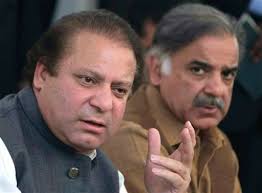
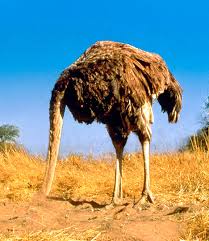
The Punjabi Taliban and the Ostrich of Punjab: Shahbaz Sharif

ریت میں سر چھپانا مسئلے کا حل نہیں

لاہور حملوں میں کئی ہلاک

لاہور اور اس کے گرد و نواح میں ہونے والی دہشتگردانہ کارروائیوں میں درجنوں ہلاک ہو چکے ہیں

لاہور میں چند ہی گھنٹوں کے دوران تین مختلف حملوں کا ہونا شدت پسندوں کی طاقت اور ان کی منظم انداز میں کی جانے والی کارروائیوں کی بھرپور صلاحیت رکھنے کا پتہ تو دیتا ہی ہے مگر صوبہ پنجاب پر روز بروز بڑھتی ہوئی دہشتگردانہ کارروائیوں پر مسلم لیگ( ن) کی صوبائی حکومت کے بظاہر ’انکاری‘ رویے سے مستقبل میں حالات کے خطرناک موڑ پر پہنچنے کے خطرے کی نشاندہی بھی کرتا ہے۔

جنوبی پنجاب میں شدت پسندوں کی نیٹ ورک پر ذرائع ابلاغ کے علاوہ خفیہ اداروں کی سرکاری رپورٹوں پر صوبائی حکومت کی پُر اسرار خاموشی کے ساتھ یہ خوف بھی جڑا ہوا ہے کہ کہیں مسلم لیگ( ن) پنجاب کی ایم ایم اے ثابت نہ ہوجائے۔

جو انکاری رویہ آج مسلم لیگ کی صوبائی حکومت کا ہے بالکل اسی طرح کا رویہ صوبہ سرحد پر دو ہزار دو سے دو ہزار سات تک حکومت کرنے والی مذہبی جماعتوں کے اتحاد متحد مجلس عمل کا بھی تھا جس کا نتیجہ یہ نکلا کہ آگے چل کر صوبہ سرحد شدت پسندی کی ایک دھکتی ہوئی بھٹی بن گیا۔

صوبہ پنجاب بالخصوص جنوبی علاقوں میں فرقہ ورانہ فسادات اور بھارت کے زیر انتظام کشمیر میں سرگرم شدت پسندوں کا ایک منظم نیٹ ورک موجود ہے اور طالبان ذرائع کے مطابق ان تنظیموں سے تعلق رکھنے والے چھ ہزار سے زائد نظریاتی اور جسمانی طور پر تربیت یافتہ جنگجو پنجابی طالبان کے نام سے جنوبی اور شمالی وزیرستان میں موجود ہیں۔

پولیس پر حملے

لاہور شہر میں پولیس اور خفیہ ایجنسیوں کے دفاتر پر حملوں میں اضافہ ہوا ہے

ان میں دو قسم کے جنگجوشامل ہیں: ایک وہ گروپ ہے جو سرحد پار افغانستان میں امریکی اور اتحادی افواج کے خلاف لڑنے کو زیادہ ترجیح دیتا ہے جبکہ دوسرا جو قدرے بڑا گروپ بھی ہے ان جنگجووں پر مشتمل ہے جو ملک کے اندر ایک خاص ایجنڈے کو پر تشدد انداز میں آگے بڑھانے میں دلچسپی رکھتے ہیں۔

سرکاری رپورٹوں اور اعلی اہلکاروں کے مطابق ایسا بھی نہیں ہے کہ صوبہ پنجاب کے وزیراعلی شہباز شریف پنجاب میں شدت سپندوں کے پھیلتے ہوئے نیٹ ورک سے انجان ہیں۔ ایک قابل اعتماد اعلیٰ سرکاری اہلکار نے بی بی سی کو بتایا کہ جب پہلی بار امریکی اخبار نیویارک ٹائمز میں جنوبی پنجاب میں شدت پسندوں کی موجودگی کی رپورٹ شائع ہوئی تھی تو اس وقت شہباز شریف نے قبائلی علاقوں کے لیے ایڈیشنل چیف سیکریٹری حبیب اللہ کو بریفنگ دینے کے لیے بلایا۔

حبیب اللہ سے کہا گیا کہ وزیراعلی کی کئی اور ملاقاتیں بھی ہیں لہذا وہ تھوڑی ہی دیر میں اپنی بریفنگ ختم کرد یں لیکن بقول اعلی اہلکار کے کہ جب ایڈیشنل چیف سیکریٹری نے بات شروع کی تو چیف جسٹس افتخار چودھری کی بحالی اور جنرل ریٹائرڈ مشرف کے مواخذے کو اپنی سیاست کا محور بنانے والے شہباز شریف چونکا دینے والی معلومات سن کر ششدر رہ گئے اور یوں یہ بریفنگ منٹوں سے گھنٹوں پر محیط ہوئی۔ اس ملاقات کے بعد ہی شہباز شریف کو شدت پسندی کی سنگینی کا انداز ہوا اور انہوں نے کچھ عرصے بعد ایڈیشنل چیف سکیریٹری فاٹاحبیب اللہ کو ایک بار پھر بریفنگ کے لیے بلایا۔

حیرت کی بات یہ بھی ہے کہ جس دن لاہور میں تین متواتر حملے ہوئے اسی روز مسلم لیگ( ن) کی مرکزی کمیٹی کے اجلاس کے بعد نواز شریف نے میڈیا کو جو بریفنگ دی اس میں انہوں نے اس حوالے سے کچھ نہیں کہا البتہ سوال اور جواب کے مرحلے میں اپوزیشن لیڈ ر چودھری نثار علی خان کو مجبوراً اس موضوع پر کچھ کہنا ہی پڑا۔

مسلم لیگ( ن) نے بظاہر پنجاب کی حکمران اور ملک کی بڑی اپوزیشن جماعت کے طور پر اپنی سیاسی ترجیحات کچھ اس طرح متعین کی ہیں جس میں بظاہر شدت پسندی پہلی ترجیح کے طور پر نظر نہیں آرہی ہے۔ مسلم لیگ ( ن) جنرل ریٹائرڈ مشرف کی باقیات پر پارلیمنٹ میں اور باہر واویلا بھی کرتی ہے اور اس حوالے سے لانگ مارچ تک کا انتہائی اقدام اٹھانے سے بھی گریز نہیں کرتی مگر اسی جنرل ریٹائرڈ مشرف کی باقیات میں شامل شدت پسندی کی عفریت سے ملک کی جان چھڑانے میں بظاہر نیم دلی دکھا رہی ہے۔

اگر پنجاب کی صوبائی حکومت اور مسلم لیگ ( ن) کا خیال یہ ہے کہ شتر مرغ کی طرح ریت میں سر چھپانے سے شدت پسندی ختم ہوجائے گی تو شدت پسندی کی دھکتی ہوئی آگ میں جلنے والے قبائلی علاقے اور صوبہ سرحد اس سوچ کا نفی میں جواب دیتے ہیں

......

’القاعدہ، سپاہِ صحابہ تعلق حملوں کی وجہ‘

لاہور میں حملہ

’شدت پسند جان بوجھ کر پنجاب میں سکیورٹی فورسز کے اداروں کو نشانہ بنا رہے ہیں‘

راولپنڈی میں فوج کے ہیڈکوارٹر کی طرح لاہور میں جمعرات کو ہونے والے بیک وقت تین حملے ظاہر کرتے ہیں کہ حملہ آور نہ صرف یہ کہ پرعزم اور اعلٰی تربیت یافتہ ہیں بلکہ وہ اہداف کے انتخاب سے لے کر اپنے عزائم کی تکمیل تک مکمل منصوبہ بندی کے ساتھ کارروائی کر رہے ہیں۔

جی ایچ کیو کی طرح لاہور میں پولیس کے دو تربیتی مراکز اور وفاقی تحقیقاتی ادارے پر حملے میں ملوث افراد ان انتہائی حد تک زیر حفاظت عمارتوں کے بیرونی حفاظتی حصار کو توڑ کر اندر داخل ہونے میں کامیاب رہے۔

ان میں سے دو عمارتیں مناواں پولیس ٹریننگ سینٹر اور ایف آئی اے کا دفتر پہلے بھی دہشت گردی کا نشانہ بن چکے ہیں جبکہ بیدیاں روڈ پر واقع ایلیٹ پولیس کے صدر دفتر پر حملے کے بارے میں پولیس اور انٹیلی جنس ذرائع کئی روز قبل ہی متنبہ کر چکے تھے کہ یہ ادارہ دہشتگردوں کی ہٹ لسٹ پر ہے۔

حملہ آوروں نے ان اہدف کے محل وقوع اور حفاظتی اقدامات کی کمزوریوں سے فائدہ اٹھانے کی کوشش کی ہے

چوہدری احمد نسیم

صوبہ پنجاب کے سابق پولیس سربراہ جہانگیر مرزا کا کہنا ہے کہ شدت پسند جان بوجھ کر پنجاب میں سکیورٹی فورسز کے اداروں کو نشانہ بنا رہے ہیں۔’ان لوگوں کا ہدف سکیورٹی اداروں میں بددلی اور خوف اور عوام میں بےچینی پیدا کرنا ہے اور میں سمجھتا ہوں کہ اس مقصد کے حصول کے لیے صوبہ پنجاب سے زیادہ مناسب ہدف کوئی نہیں ہو سکتا۔‘

سابق انسپکٹر جنرل نے کہا کہ وزیرستان اور دیگر قبائلی علاقوں میں زیرعتاب آنے کے بعد شدت پسند ملک کے سب سے بڑے صوبے میں موجود اپنے اثاثے استعمال کر رہے ہیں۔’صوبہ پنجاب میں ہونے والی ان کارروائیوں میں ہم نے دیکھا ہے کہ کالعدم سنی انتہا پسند تنظیم سپاہ صحابہ کے سابق ارکان ملوث ہیں۔ ہمیں انٹیلی جنس ذرائع اور گرفتار ملزمان سے تفتیش کے ذریعے کئی برس قبل معلوم ہو گیا تھا کہ سپاہ صحابہ کے مفرور لوگوں نے القاعدہ کے ساتھ مراسم بنا لیے تھے اور اب ان دو دہشت گرد گروپوں کے درمیان تعلقات کار ہی صوبہ پنجاب پر آفت بن کر ٹوٹ رہے ہیں۔‘

ہمیں انٹیلی جنس ذرائع اور گرفتار ملزمان سے تفتیش کے ذریعے کئی برس قبل معلوم ہو گیا تھا کہ سپاہ صحابہ کے مفرور لوگوں نے القاعدہ کے ساتھ مراسم بنا لیے تھے اور اب ان دو دہشت گرد گروپوں کے درمیان تعلقات کار ہی صوبہ پنجاب پر آفت بن کر ٹوٹ رہے ہیں‘۔

جہانگیر مرزا

جہانگیر مرزا نے کہا کہ صوبہ سرحد میں ان شدت پسندوں کے مراکز کے تباہ ہو جانے کے بعد پنجاب میں یہ اپنے پرانے ’سلیپر سیلز‘ کو دوبارہ فعال بنا رہے ہیں۔ ’لیکن ان سلیپر سیلز کے دوبارہ فعال ہونے کے بعد ان تک پہنچ کے دروازے بھی کھل گئے ہیں اور میرا خیال ہے کہ بہت جلد صوبہ پنجاب میں بھی ان لوگوں کے نیٹ ورک توڑ دیے جائیں گے۔‘

پنجاب پولیس کے ایک اور سابق سربراہ چودھری احمد نسیم نے، جو کہ صوبے میں دہشت گردی کے متعدد واقعات کی تحقیقات کر چکے ہیں، بی بی سی کو بتایا کہ یہ تینوں اہداف بہت سوچ سمجھ کی منتخب کیےگئے تھے اور لگتا یہی ہے کہ حملہ آور کئی روز تک ان اہداف کا پیشگی جائزہ لیتے رہے ہیں۔ ’جس طرح حملہ آوروں نے ان اہداف کے محل وقوع اور حفاظتی اقدامات کی کمزوریوں سے فائدہ اٹھانے کی کوشش کی ہے اس سے صاف پتہ چلتا ہے کہ حملہ آوروں کے پاس اپنے ہدف کے بارے میں بہت معلومات تھیں۔‘

ان مربوط اور منظم حملوں نے حکومت کے ان دعوؤں پر سوالیہ نشان ثبت کر دیا ہے کہ تحریک طالبان پاکستان کے سربراہ بیت اللہ محسود کی ہلاکت کے بعد شدت پسندوں کی کمر ٹوٹ چکی ہے اور وہ راہِ فرار پر مجبور ہیں

......

No operation in southern Punjab: Rana Sanaullah
Friday, October 16, 2009

LAHORE: Law Minister of Punjab Rana Sanaullah said government will not launch an operation in southern Punjab whereas several suspects have been arrested in different areas of Punjab in connection of Lahore attacks.

Talking to media on the visit of Elite Police Training Academy, Rana Sanaullah said arrests have been made throughout Punjab but exact number will be revealed later due to some reasons. He said there is no writ of any outlawed outfit in southern Punjab therefore; there is no need of launch of operation.

Rana Sanaullah said key evidences have been found about terrorists involved in Lahore attacks and sensitive agencies are working on these evidences. He said new security plan has been chalked out for Punjab including Lahore. He refused the reports about establishment of Taliban writ in any village, town and area in southern Punjab.

....
On different wavelengths
By Ayesha Siddiqa
Friday, 16 Oct, 2009
The destruction caused by the suicide truck bomber outside the Marriott hotel in Islamabad September 21, 2008. – Photo by Reuters
The recent attack on GHQ and yesterday’s attacks in Lahore and Kohat and the government’s response to these incidents reminded one of the days after the terrorist attack on Islamabad’s Marriott Hotel.

There were some in the government who referred to the incident as Pakistan’s 9/11. While that particular date in American history can be interpreted in several ways, its greatest significance lies in the fact that it brought the state and society in the US on the same page as far as fighting the war against terror was concerned. Did we manage to achieve this consensus on Sept 20 last year? Perhaps not.

But this is where the catch lies. The enemy is far more intelligent than what some of our television commentators would like us to believe. In the GHQ case, the terrorists not only understood the strategic value of attacking at the heart of the army’s power base, they also appeared to understand the chasm between the state and society and within the state at several levels. The attackers understand the civilian-military divide better than a lot of people who talk about a new era of civilian-military relations in the country and boast about the two sides being on the same page.

They probably understand that the civilian government might pretend to be powerful but that it depends on externally borrowed power and that in the case of friction between the two centres of power, it is the civilians who would back off. This was most obvious from the fact that instead of raising some critical questions after the attack on GHQ, all that the president and prime minister could do was congratulate Gen Ashfaq Kayani on the excellent handling of the crisis.

There is no doubt that the nation is saddened by the death of unarmed officers and soldiers, and supports any action to punish those who carried out the attack. But the entire event ought to be discussed threadbare without any mudslinging. Why was it that 10 men penetrated a highly guarded area and remained ensconced in GHQ for about 19 hours, especially when the army’s high command was in the premises?

There are two important issues here. First, the Pakistan Army, which is trained mainly in conventional warfare and fighting state forces, is not well trained in counter-insurgency operations. This explains why despite being armed with G3s and other types of infantry equipment the force guarding GHQ could not respond properly. Hence, this capacity must be beefed up at the earliest.

Second, the connection of the key planner Aqeel, alias Dr Usman, with the army medical stores is a reminder of the problem that could perhaps prevail in pockets inside the rest of the military. This pertains to the religio-political inclinations of individual civil and military officials and officers that directly or indirectly support the jihadis.

Aqeel’s is not a unique case. Earlier there was Major Haroon Ashiq alleged to be involved in the murder of Gen Faisal Alavi. He was linked with one of the Punjab-based militant outfits. His capture led the police and agencies to other retired officers who had split from the Lashkar-i-Taiba and were waging ‘jihad’ on their own. We must also not forget the air force officials and officers involved in the first attack on the former president Gen Pervez Musharraf. Reportedly, the agencies were forced to go deep within the PAF in search of people connected to different militant outfits or the tableeghi jamaat.

At this point, how sure are we that all older links between the jihadis and individuals

in the police or military have been snapped? Instead of eulogising the army, parliament should be carefully looking at and questioning the old linkages from the perspective of having a handle on the problem of ‘jihadism’ and what it means for the state.

ISPR director general Maj-Gen Athar Abbas stated that the attackers had planned to use the hostages to negotiate the release of about 100 terrorists. Reportedly, there are about 400 terrorists in different jails. Some of the more high-profile detainees are believed to include Malik Ishaq, head of the Lashkar-i-Jhangvi (LJ) and Qari Saifullah Akhtar, head of the Hizb-ul-Jihad Islami. The government must now look at its preparedness and the capacity to protect its high-value detainees.

Although the military and government now seem inclined to consider other reasons for the attack, such as the Tehrik-i-Taliban Pakistan trying to avenge Baitullah Mehsud’s death, the rescue of high-value terrorists seems to be the primary reason, which must not be ignored at any cost. It must not be forgotten that the attack on the Sri Lankan team in Lahore was also meant to take hostages who could then be exchanged for top jihadis. Sources even claim that the LJ’s Malik Ishaq was involved in the earlier case and had decided to use the attack to get himself freed after the elected Punjab government failed to deliver on a mutual agreement between LJ and the PML-N leadership.

What’s equally interesting is the fact that there is an effort by those in power to ignore or divert attention from areas which are as infested with extremist militants as Fata and the tribal areas. The sudden effort to get policemen from most districts of south Punjab to deny the existence of the jihadi problem in their areas is a reaction similar to when the government denied the Pakistani connections of the Mumbai attackers even before investigating the matter. The denial is strange since most of the attacks in Punjab or the federal capital are believed to be provoked or carried out by Punjabis or Punjab-based militant outfits.

Perhaps the fear is that this might divert international attention towards Punjab or make ordinary Pakistanis think about the reasons why jihadis have spread terror across Pakistan and not confined themselves to the tribal areas as the authorities would like us to believe. Interestingly, even the ISPR’s emphasis is that the attack might have involved Punjabis but that it was carried out at the behest of the Pakhtun Taliban.

It is indeed important to fight militants in Waziristan who are influenced by Al Qaeda, but why does it have to be at the cost of ignoring the Punjab-based outfits who are proving to be good hosts for the terrorist network? Sources believe that Al Qaeda has trickled into areas bordering Punjab. These outfits operate beyond the Pakhtun-inhabited tribal areas and their threat is evident from the sectarian killings in Dera Ismail Khan and other places.

There is a possibility that the civilian government might lose the initiative in an urge to appease the military and the latter might just lose the initiative to act against those that were part of the GHQ attack for unexplained strategic reasons. This raises the question of how much bloodshed would there be before strategic re-evaluation.

The writer is an independent strategic and political analyst.

ayesha.ibd@gmail.com (Dawn)

On trail of Punjabi Taliban
By Nasir Jamal
Saturday, 17 Oct, 2009
LAHORE, Oct 16: A day after the triple-strike in Lahore, officials, counter-crime experts and academics in the province grappled with the question of how to deal with the upsurge in violence and the discourse was dominated by analysis of who the Punjabi Taliban were and what background they came from.

The province’s security agencies admitted the presence of “individual” militants branded as Punjabi Taliban in southern Punjab as well as elsewhere. “The government and its security agencies are fully alive to the threat and are taking requisite action. But it would be wrong to say that militants have consolidated their position to a level where they can operate under the banner of Punjabi Taliban,” argued a senior Punjab police official who has worked with different intelligence agencies.

This was consistent with a provincial intelligence report prepared some time ago on activities of militant groups operating out of southern Punjab. Although the report dismissed what it termed the much-hyped theory that the Taliban have “set in” in the districts (of Bahawalpur, Multan and D.G. Khan divisions), it acknowledged the potential threat of Talibanisation in some areas if “timely action by law enforcement agencies, coupled with concrete development activity, was not taken”.

The report concluded: “Poverty-stricken, feudalistic, extremely religious and illiterate south Punjab could possibly provide shelter to the Taliban and other jihadi outfits. It has potential to become a nursery or a major centre of recruitment for sectarian organisations. Talibanisation appears to be in its infancy stage. Timely action by law enforcement agencies, coupled with concrete development activity, could avert this danger.”

In a talk with Dawn on Friday, a senior police official listed a number of arrests made in different parts of the province, including southern Punjab, and recovery of arms cache in the recent past and claimed that in doing so, police had averted a number of possible suicide raids and sectarian attacks.

He maintained that militant organisations like Lashkar-i-Jhangvi, Harkat-ul-Jihad-i-Islami and Jaish-i-Mohammad operating out of southern Punjab had a long history of linkages with the Taliban in Afghanistan and tribal areas of the NWFP who provide them sanctuary and support.“Nobody denies that the militants belonging to these organisations have strong links with the Tehrik-i-Taliban Pakistan and facilitate their operations in Punjab. But this is also true for the militants operating from many other parts of Punjab and the rest of the country,” he added.

Another senior police official surmised the term Punjabi Taliban was just a myth coined and being propagated to destabilise Punjab by the so-called friends and foes (read America and India) of Pakistan. “It’s a stable Punjab which is blocking their designs to harm Pakistan,” he said.

A senior police officer from Bahawalpur wondered: “If the so-called Punjabi Taliban from south Punjab are so big in number why none of the thousands of those arrested or killed during the recent military operation in Swat was found to be from this area.”

The Punjab police say that only one militant, Abid alias Hanzala, out of 11 who had blown themselves up or were killed in as many acts of terrorism during 2007 and 2008 was from a southern Punjab district, Rahimyar Khan.

The rest of them were Mehsuds from South Waziristan. Similarly, all the eight suspected suicide attackers who were either arrested or those who were able to escape arrest during 2007 and 2008 came from South and North Waziristan, Mansehra and DI Khan. Five of them belonged to the Mehsud tribe, according to police.

But there have surely been some signs of change this year. Analysts argue that the active involvement of militants operating out of southern districts of Punjab in a series of terror attacks during this year has brought the ‘Punjabi Taliban’ into sharp focus.

“Earlier, the Punjab-based sectarian and jihadi groups, which were either involved in Kashmir or in sectarian killings within the country, used to only facilitate militants coming from tribal areas of the NWFP by providing them logistical support for carrying out terrorist operations. Now they have become entwined with militants operating under the banner of Tehrik-i-Taliban Pakistan and changed their strategy.

“They are pursuing a different agenda, which is to challenge the state (of Pakistan) and pull it down, and are actively involved in the terrorist acts as indicated by their involvement in terror raids on Sri Lanka team and Manawan police training centre earlier this year (and multiple attacks on security installations this week),” Lahore-based defence and political analyst Dr Hasan Askari Rizvi said.

The official from Bahawalpur acknowledged that southern Punjab had proportionately produced greater number of militants because of the presence there of groups fighting in occupied Kashmir in the past. Also, he conceded, a number of top jihadi and sectarian leaders belonged to southern Punjab. But he insisted that there were no sanctuaries or training camps anywhere in the region.

On the basis of how much the official concede, shall we then say that the militants have an operational network in place in southern Punjab to build on?“That network is intact in spite of the arrests and killings of a number of militants in recent years. The area was never cleared and militant organisations and groups continue to recruit in southern districts of the province, which are also used as sanctuaries by militants after carrying out their operations elsewhere in the country,” an analyst said.

“How can you get rid of militancy without demolishing the ideological infrastructure that helps to create this mindset?” he wondered. But he acknowledged that it was a difficult task and required political consensus.

Amir Rana, an Islamabad-based analyst, said the term Punjabi Taliban was coined by Afghan Taliban groups to distinguish militants from Punjab and it became popular after the militant attack on the Danish embassy in Islamabad last year.

He said the Punjabi Taliban was not a homogenous group and also included Kashmiri and Urdu-speaking people. “You would also find some Burmese and Bengali immigrants living in Karachi in the ranks of the so-called Punjabi Taliban,” he elaborated.

Dr Hasan Rizvi said that linkages between the militants from Punjab and the Taliban in the NWFP had deepened (in recent years) as the militants shifted their training camps in the tribal areas to avoid action by the government.

He said religious extremism was not confined to southern Punjab alone. “You will find a similar situation in central Punjab as well. Religious extremism is very sharply visible in Gujranwala, Faisalabad, etc. But the problem with southern Punjab is that some of its areas are not under effective state control. There are areas in DG Khan where the government’s authority is weak, which helps the militants to find sanctuary there. Further, the close proximity of these areas to Balochistan and tribal areas of the NWFP also provides the militants an easy escape route.”

Dr Rizvi, however, dismissed calls for a military operation in the region. “It (operation) is not needed because these areas, in spite of weak government authority, are not out of the state’s control. The better option would be to gather credible intelligence on the activities of militants in these areas and then take action.” (Dawn)

Read more...