Editor's Choice

--------------------------------------------------------------------------------------------------------------------------
Featured Post
--------------------------------------------------------------------------------------------------------------------------

"Let us build Pakistan" has moved.
30 November 2009

All archives and posts have been transferred to the new location, which is: http://criticalppp.com

We encourage you to visit our new site. Please don't leave your comments here because this site is obsolete. You may also like to update your RSS feeds or Google Friend Connect (Follow the Blog) to the new location. Thank you.


--------------------------------------------------------------------------------------------------------------------------
Showing posts with label Shia. Show all posts

Monday, 2 November 2009

Shia holocaust in Pakistan: Taliban raze entire village to the ground in Hangu


Why is the Pakistani media silent? Why are pro-Taliban fascists such as Hamid Mir, Shahid Masood, Javed Chaudhry and Ansar Abbasi silent? Where are Imran Khan, Munawar Hassan, Aslam Beg, Hamid Gul and the likes?

Is it something less important than the NRO or Kerry-Lugar Bill?

First they came for the communists, and I did not speak out—because I was not a communist;
Then they came for the socialists, and I did not speak out—because I was not a socialist;
Then they came for the trade unionists, and I did not speak out—because I was not a trade unionist;
Then they came for the Jews, and I did not speak out—because I was not a Jew;
Then they came for me—and there was no one left to speak out for me.


("First they came ..." is a popular poem attributed to Pastor Martin Niemöller (1892–1984) about the inactivity of German intellectuals following the Nazi rise to power and the purging of their chosen targets, group after group.)

Village razed to the ground in Hangu
By Abdul Sami Paracha
Monday, 02 Nov, 2009 (Dawn)

KOHAT, Nov 1: Militants razed a whole village to the ground in Shahu Khel area by conducting a series of blasts on the third consecutive night in Hangu district on Saturday.

The village had roughly 100 houses and families belonging to a rival sect had been migrating after the Taliban started target killings and kidnappings a few months ago.

The TTP is in complete control of Shahu Khel and its militants started blowing up houses after security forces and police started operations against them and eliminated some of their important training camps and hideouts. They had planted 40 bombs and blown up as many houses on Saturday night. Earlier, they had destroyed two schools, an Imambargah, two houses and a basic health unit on Friday night.


Blasts continued since Saturday night and by Sunday the entire village was razed to the ground. No casualties were reported from the area as the entire village was empty after the migration of the entire population to safer places.

Leaders of the Qaumi Wahdat Council have been urging the government to improve its writ in Shahu Khel so that the people displaced by the Taliban could return to their village.

Security forces have often used artillery fire to stop the Taliban from blowing up houses, but with little success.

It is the same area where a renowned cleric and office-bearer of JUI-F, Maulana Muhammad Amin, was killed in an air strike in his Jamia Yousufia seminary in June last year.

At least 13 people, including children, eight women and prominent religious leaders, were killed and several injured in shelling by helicopter gunships in Hangu.

Maulana Muhammad Amin, whose 12-year-old nephew was also killed in the air strike, was also the deputy chairman of Sunni Supreme Council. During shelling at another seminary in Shahu Khel, three women were killed when a house was hit by helicopter gunships.

Read more...

Wednesday, 14 October 2009

Taliban kill anothe Shia leader in Quetta


JWP leader, driver killed in Quetta

QUETTA: Jamhoori Watan Party (JWP) senior vice-president Dr Aslam Mirza and his driver were shot dead by unidentified motorcyclists on Tuesday. Police are linking the killing to a series of attacks on Shia professionals in Balochistan. They said Mirza was visiting a poultry farm in Akhtarabad, and had just returned to his car when he was targeted with an AK-47 rifle. Mirza and his driver were shot in the head and died instantly. “We strongly condemn the killing of such a committed political worker,” said Shahzain Bugti, JWP provincial president. He said the JWP was the only Baloch nationalist party that accommodated the non-Baloch as well. “We will protest the killing of our party leader on every platform,” he said. malik siraj akbar


Read more...

Friday, 2 October 2009

SOS: Time to attack the Taliban / Sipah-e-Sahaba hideouts in Quetta.


Who will stop Shia killings in Quetta? Pakistan or the USA?


US demands urgent action in Quetta
By Baqir Sajjad Syed
Friday, 02 Oct, 2009
Mr Feierstein said the US believed that Al Qaeda chief Osama bin Laden was hiding in Pakistan’s tribal areas.— Photo from AP/File

ISLAMABAD: The United States stepped up pressure on Pakistan on Thursday, asking it to dismantle what a US embassy official described as Taliban’s command structure in Quetta, commonly known as the Quetta Shura, for the sake of securing peace inAfghanistan.

The diplomat did not rule out use of drones against what he called Quetta Shura.

‘In the first instance, we will like the government of Pakistan to move aggressively to prevent the use of Pakistan’s soil (by Taliban) in this way… we hope the GoP will take steps to arrest these individuals,’ US deputy chief of mission Gerald Feierstein told journalists.

He said action against the Quetta Shura was imperative for stabilising the situation inAfghanistan.

He insisted that Taliban leader Mullah Omar was in Quetta along with other senior leaders and operated freely. ‘They move around, sometimes they go to Afghanistan, sometime to elsewhere in Pakistan, but fundamentally they are in the area.’

When asked repeatedly if the US would launch drone attacks against Taliban targets in Quetta, he said predator issues were not discussed in public and that the focus was currently on getting cooperation from Islamabad for addressing the issue.

The statement is probably the harshest criticism of law-enforcement agencies to date by aUS diplomat. The issue was previously referred to by the Americans only as a passing remark, or was attributed to unnamed officials because of intelligence and diplomatic considerations.

Analysts believe that the US is gradually building up pressure. The International Security Assistance Force’s Commander in Afghanistan, Gen Stanley McChrystal, in his recent assessment report to President Barack Obama said that the Taliban leadership in Quettawas behind a surge in violence in Afghanistan where July and August were the deadliest months for US troops in the eight-year war. Earlier this week, US Ambassador Anne Patterson had said that the Quetta Shura was high on American agenda.

Mr Feierstein referred to Gen McChrystal’s assessment and said everybody understood that part of the problem was in Balochistan.

The Kerry-Lugar bill on aid passed by the Congress on Wednesday and now awaiting President Obama’s approval requires the US secretary of state to certify that Pakistan has dismantled terrorist bases in Quetta.

But no one in Pakistan expected the US to launch such a tirade against Pakistan.

Before his trip to the US, President Asif Ali Zardari had been cautioned in a policy document that an orchestrated campaign had been launched by the US to shift the focus away fromAfghanistan to Pakistan as the epicentre of terrorism.

Americans believe that the top Taliban leadership is present either in refugee camps or in the Afghan neighbourhoods of Quetta. US intelligence official believe that Mullah Omar collects funds and dispatches fresh fighters and weapons from his Quetta base.

Mr Feierstein rejected Pakistan’s position that the Quetta Shura was an outdated concept with most of its members having been killed or arrested. He said new people had replaced them and the ‘issue remains there.’

When asked if the government had accepted Washington’s demand for action against the Quetta Shura, he said: ‘It is a matter of ongoing discussion.’

The US diplomat appeared to be sympathetic towards the difficulties Pakistan could face in cracking down on Taliban’s alleged network in Quetta. ‘There is no confusion on our part that it is an easy or simple task.’

He said the American leadership was very clear that fixing the problem in Pakistan would not end the imbroglio in Afghanistan. However, he insisted that elements of the crisis could be addressed by Pakistan’s action against Taliban.

Responding to a question about allegations of Taliban sympathisers in Pakistan’s intelligence network, he said: ‘Are there individuals who have sympathies with the Taliban? That is fairly established that this has happened, certainly we have seen it.’

The issue is one of major western concerns and believed to be the cause of poor intelligence on the Quetta Shura.

However, the US official categorically stated that ISI as an institution did not support Taliban.

He revealed that some of those sympathisers had been arrested by Pakistani authorities.

Foreign Office spokesman Abdul Basit dismissed Mr Feierstein’s claim as baseless speculation and asked the US to come up with proof of Taliban’s presence in Quetta.

Defence analyst Brig (retd) Shaukat Qadir said the Americans were losing the war and were trying to find excuses. ‘Some time back I went to Quetta where both Baloch and Pakhtuns told me that Taliban did not exist in the city.’

Mr Feierstein also said the US believed that Al Qaeda chief Osama bin Laden was hiding inPakistan’s tribal areas.

He questioned President Zardari’s claim made last month that Osama was dead, saying he was very much alive.

However, he said that Al Qaeda chief’s operational capacity was severely restricted because of action against his group. He said he doubted if Osama was still in charge of Al Qaeda’s day to day affairs. (Dawn)

Mullah Omar in Quetta, Osama in FATA: US diplomat

* Quetta-based Taliban shura planning to launch attacks in Afghanistan * Some individuals in ISI supporting Taliban

ISLAMABAD: The top leadership of the Taliban, including Mullah Omar, is based in Quetta and Al Qaeda chief Osama Bin Laden is in hiding in FATA, Deputy Chief of the US Mission in Islamabad Gerald Feierstein said on Thursday.

Talking to reporters, Feierstein said the US “strongly believes” Osama was operating from Pakistan’s Tribal Areas near the Afghan border.

He told reporters that the Quetta-based Taliban shura was active and planning to launch attacks on the US and Afghan forces in Afghanistan.

The US diplomat also said US officials believed Quetta had become the control and command centre of the Taliban.

Feierstein skipped questions about potential US drone strikes in Quetta, but said Washington had conveyed its concerns to the government of Pakistan about the Quetta situation.

But Foreign Ministry spokesman Abdul Basit warned against any drone attacks in the region.

“Balochistan is not FATA, and so we are in touch with the US on this and we have conveyed our concerns. And we will continue to raise our concerns,” he said.

ISI: The US diplomat also said the top Afghan Taliban leaders moved freely across the Pak-Afghan border and attacked US and NATO forces at will.

Feierstein said the Inter-Services Intelligence (ISI) was not supporting the Taliban at the institutional level, however, he claimed, some individuals in the agency had been supporting the insurgents, but “such elements have been arrested in the past”.

He said Inter Risk security agency had been providing security to the US embassy and its personnel in Islamabad, adding that it was working in accordance with the law and regulations set by the Interior Ministry.

He rejected the presence of Blackwater officials in Pakistan, saying that the US embassy had an agreement with Inter Risk for providing security to its staff.

Feierstein said the US was building the capacity of Pakistani intelligence and law enforcement agencies, including the NWFP police, the Intelligence Bureau, the Federal Investigation Agency and the Frontier Corps in order to enhance their counterinsurgency abilities. app/daily times monitor


Read more...

Thursday, 1 October 2009

Gilgit: Shia killing by the Taliban / Sipah-e-Sahaba terrorists

SFP News:
September 30, 2009

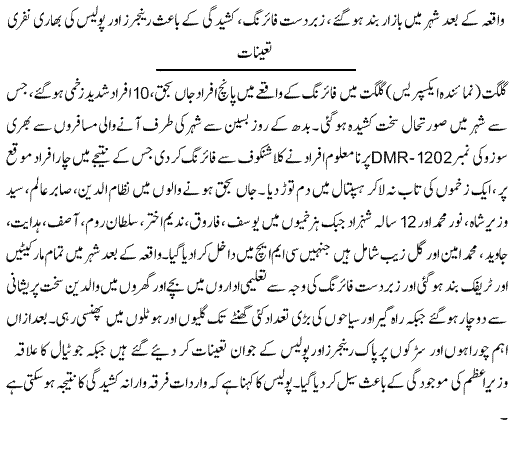
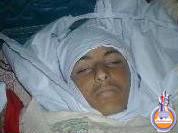
Four Shia Muslims were killed in Gilgit since bomb blast at Al Murtaza Book Center. On 26th Septermber a bomb was thwon on Shia book Center resulting four people injured. After such incident the situation became tense. The injured of bomb blast named Aqib Murtaza succumbed to death including four others in various acts of target killings by Sipah-e-Yazeed (wrongly known as Sipah-e-Sahaba).

The Northern Areas of Pakistan were renamed as Gilgit-Baltistan by the Government of Pakistan last month along with long-awaited reform package for the region potentially paving the way for effective governance and development of a very down-trodden area. Mercenaries of Wahhabai/Deobandi origin and disturbers of peace, however, wanted to destroy the goodwill created in these areas by the Federal Government's announcement and in the last week leading up to the visit of the Prime Minister to Gilgit-Baltistan.

These vicious acts of violence appear to be planned to provoke a backlash that will not be detrimental for the people of the region and are designed to severely affect the Federal Government's efforts to initiate the planned changes and economic development of the area.

Tensions in gilgit are created by Wahhabis and Deobandis from Chalas who come from Kohistan to fight Shia Gilgities

Chalasias are poor fanatic people; they find Shia Sunni conflict as an excuse for looting and killing reletively rich Gilgities


Some comments:

Muse:
A fascinating development - no sooner is it recognized that a permananent solution to the anomaly that was "Northern Areas" and we have a "welcome" - now if Bill Longley is correct about the "killing shi'ahs" thing, what does it say about the degree to which Wahabi/Salafi ideology has penetrated Pakistan? What does it say about the success the Al-Qaeeda Wahabi influenced Takfiri are having in creating sectarian wars in Pakistan and in doing so, destroy Jinnah's Pakistan?

The job ahead of cleaning Pakistan of this Wahabi/Salafi ideology is going to be a long one - When Muslims cannot live peacefully with each other, what chance they will live peacefully with non-Muslims??

But soon the defenders of the Wahabi/Salafi ideology will be around saying "why blame us" and it's not Wahabi/Salafi ideology, it's something else, I know, it's the US Hindu-Zionists, yeah, that's the ticket - sure it is - just like we used to hear "no Muslim could do this" but then it took hundreds of innocents killed in suicide attacks to understand that we must be honest with each other.

Seekers:
ituation in parachinar is more worst than any other part in country. but unfortunately govt. and media not admit this act is"terrorism" and keep deaf ear over the situation for last two years.

Govt. and media both think this is part of secretriasm and avoid to help the Shias like they are doing in Swat and Waziristan by recruiting and aurmoring the Lashkars.

last two weeks ago the sole route of parichinar for from Afghanistan was also closed by Afghan Govt.(parichnar road link within Pakistan is closed by Taliban for last one year).

They have unable to survive without food and medicines.Hundreds of children had been died due to unavailability of medicines.

One day Govt. and media would must admit the taliban of parichnar "terrorist" like they did label "lashkar jhangvi" and "sipah shaba" as terrorist now.

Muse: I am becoming convinced that Pakistani police and security agencies are creating by their ineptness, a serious, a very serious situation:

4 killed in firing on Gilgit passenger van

GILGIT: Four people were killed and 10 others injured when unidentified persons opened fire on a passenger van on Wednesday.

Gilgit-Baltistan Inspector General Police Kursheed Alam Khan said four people, including a 13-year-old boy, were killed when unidentified persons opened fire on a van travelling from Basin to Gilgit.

He said the boy was killed on the spot while three injured men died in the hospital, adding that two of the injured were in critical condition. app


Read more...

Wednesday, 30 September 2009

Is Parachinar a part of Pakistan?


The Taliban-linked Wahhabi groups in Parachinar, Hangu District and much of the Kurram tribal agency have mounted a series of violent attacks against the region's Shia Muslims.

Militants kill 7 Shias in Parachinar

Taliban-linked militants have killed at least seven Shia tribesmen near the Afghan border as they were heading to the Kurram agency in the northwestern Pakistan

18 Eylül 2009 Cuma 13:45

The victims were returning home from vacation in the United Arab Emirates when they were stopped near Afghanistan's Paktia province on the border with Pakistan, a Pakistani official told Prewww.haber27.com correspondent on condition of anonymity.

Militants looted and then shot dead the Shia Muslims from Tori tribe, who were bound for Kurram's Parachinar district via Afghanistan, he added.

The incident comes a day after Afghanistan shut down a key route to the populated Kurram tribal region, which has raised concerns of a 'dire humanitarian crisis' in the Taliban-dominated mountainous area.

The residents of the Parachinar, upper and lower Kurram agency used to travel for provincial capital Peshawar through Afghan province Paktia and Kandahar since November 2007, when pro-Taliban Wahhabi militants cut off the areas from the rest of the country, imposing a crippling blockade on the Shia communities in the region.

Pakistan's pro-Taliban insurgents retain control of the tribal zone on the Afghan-Pakistani border, where they are preparing to launch fresh attacks against the foreign forces fighting the Taliban insurgency in Afghanistan.

The militants have also engaged in a massacre of the Shia community in Parachinar, Hangu district and much of Kurram agency, killing dozens on an almost daily basis over the past few months.

Local sources say more than 2,000 Shia Muslims have been killed in the region since the extremists launched a bloody war against them in 2007.

Many within the Shia community accuse certain Arab countries of funding Wahhabi terrorist groups such as al-Qaeda and the pro-Taliban elements, and of even going as far as providing them with heavy weaponry.

http://www.haber27.com


Read more...

Sunday, 20 September 2009

Religion, Politics and Minorities in Pakistan


Religion and politics
Rubina Saigol

Monday, September 21, 2009
The writer is an independent researcher specialising in social development

In the past few months, there has been a noticeable increase in religiously-motivated violence against minority communities, especially in Punjab. The most recent case is that of 20-year-old Robert Fanish Masih, whose mysterious death in the Sialkot district jail, where he was interned after accusations of defiling the Holy Quran, raises serious suspicions of foul play and murder. According to a press release by the Joint Action Committee, this incident is reminiscent of an earlier one in which Muhammad Yousaf, also accused of committing blasphemy, was found dead in jail and the authorities declared it to be a case of suicide.

Cases of murderous attacks against Christians by frenzied mobs have risen at an alarming rate. In March, a Christian woman was killed in Gujranwala where a church was attacked. On June 30, a mob destroyed more than 50 Christian houses in Bahmaniwala in Kasur district and looted and plundered the village. And on July 30, seven people were brutally murdered in the Gojra carnage.

The typical pattern in many of these cases is an accusation (usually false) of the commission of blasphemy by a rival. This is normally followed by announcements from mosques loudspeakers inciting people who then congregate and turn upon their own neighbours and erstwhile friends. As pointed out by the Human Rights Commission of Pakistan, the local administration and police often collude with the perpetrators or, at best, stand by and do nothing, themselves fearful of the mob. The state becomes an onlooker instead of intervening to protect its powerless citizens against the heinous crimes committed in broad daylight.

As the large number of blasphemy cases in the past have demonstrated, the real motive for instigating the crowd often has nothing to do with blasphemy. Frequently, disputes over money, property or other pecuniary matters lead to false accusations of blasphemy. An accusation of blasphemy is invariably deployed as a weapon to browbeat others into submission. In the famous case of Salamat Masih, a 14-year-old accused of writing blasphemous words on a wall, the quarrel among children started over pigeon fights. Had human rights activists like Asma Jahangir not saved his life, our state was about to send an innocent person – a child – to the gallows. The horrific implications of law cannot be overstated.

What has enabled religion to be used as a weapon to incite raw passions against fellow citizens to murder them with impunity? The immediate cause is the pernicious and widely abused blasphemy law as enunciated in Chapter XV of the Pakistan Penal Code. Sections 295 to 298 of the chapter refer to offences related to religion. Section 295 provides that, “Whoever destroys, damages or defiles any place of worship, or any object held sacred by any class of persons with the intention of thereby insulting the religion of any class of persons is likely to consider such destruction, damage or defilement as an insult to their religion, shall be punished with imprisonment of either description for a term which may extend to two years or with fine or with both.” In 1927, the British government added 295-A which reads that “whoever with deliberate and malicious intention of outraging the religious feelings of any class of His Majesty’s subjects, by words, either spoken or written, or by visible representation, insults or attempts to insult the religion or the religious beliefs of that class, shall be punished with imprisonment of either description for a term which may extend to two years, or with fine, or with both.” In 1991, the imprisonment term was extended from two to 10 years.

In 1982, at the peak of General Zia’s period, 295-B was added to include the desecration of the Holy Quran and to enhance punishment. This section reads as follows: “Whoever wilfully defiles, damages or desecrates a copy of the Holy Quran or of an extract therefrom, or uses it in any derogatory manner or for any unlawful purpose shall be punishable with imprisonment for life.” The Majlis-e-Shoora designed by Zia further added 295-C, which reads: “Whoever by word, either spoken or written, or by visible representation, or by any imputation, innuendo or insinuation, directly or indirectly, defiles the sacred name of the Holy Prophet Muhammad (Peace Be Upon Him) shall be punished with death or imprisonment for life, and shall also be liable to fine.” In 1990, the Federal Shariat Court constituted by Zia hammered the last nail in the coffin of sanity and justice by declaring that Islam provides punishment for hadd which is mandatory, therefore the words “imprisonment for life” should be removed from Section 295-C. Now, the only punishment for blasphemy was death. Section 298 relates to the Ahmadiyya community and institutionalises systemic prejudice against their right to practice their faith.

Before the Federal Shariat Court provided for the mandatory death penalty, no case of blasphemy was registered under Section 295-B or 295-C. This judgment paved the way for murder and created the environment in which vigilantism was encouraged and promoted. Manzoor Masih lost his life in a wanton act of murder outside the Lahore High Court. One of the court’s judges, Justice Arif Bhatti, who overturned the conviction of Salamat and Rehmat Masih by a lower court, was murdered by the purveyors of a grotesquely distorted religion. Niamat Ahmar, a poet and teacher, was butchered in Faisalabad by activists of the Sipah-e-Sahab-e-Pakistan; Bantu Masih and Mukhtar Masih were killed in police custody by fundamentalists while the authorities looked on. In 2008, two Ahmadis were murdered when a television anchor declared their community wajib-ul-qatl (deserving to be killed).

How has the state enabled this travesty of justice, this steady descent into inhumanity? The blasphemy law is only a part of the story; the issue of religious inequality and discrimination is much deeper. The entire problem began with the Objectives Resolution of 1949 when the state began to move in the direction of a theocracy. Its passage, despite the objections of the non-Muslim members of the Constituent Assembly, became possible because Jinnah’s vision, as outlined on August 11, 1947, was overlooked. Subsequently, every Constitution of Pakistan (1956, 1962 and 1973) carried a section on Islamic provisions which mandated that all laws would be enacted in line with religion.

Religious discrimination and inequality are institutionalised within the state structure. Article 2 of the Constitution declares that Islam is the state religion and Article 2-A makes the Objectives Resolution a substantive part of the Constitution. Non-Muslim citizens cannot hold two of the highest offices of the land and Islamic provisions of the Constitution (Articles 227-230) are designed to ensure that all laws conform to the Holy Quran and Sunnah. Citizens belonging to other faiths are systemically excluded and relegated to a secondary position. The increasingly religious character of the Constitution, with General Zia’s Eighth Amendment protecting his draconian vision and measures, violates the principle of equal citizenship on which the entire edifice of democracy rests.

Every provision that reduces the citizenship status of groups of people contradicts Article 25 (1) of the fundamental rights chapter which pronounces that all citizens are equal before the law. Similarly, Article 8 (1) avers that any law, custom or usage that is inconsistent with the rights conferred by this chapter shall be null and void. It follows that all the provisions that create discrimination and inequality among citizens should be removed. As Pakistanis focus on the task of reformulating their basic law and re-imagining their state, it seems prudent to separate religion from politics, as their mixture debases both religion and politics – the former by associating it purely with the attainment of political power and militant activity, the latter by making some more equal than others. Merely repealing the blasphemy law is not sufficient; we need to transform the basic framework from which such laws flow.

Email: rubinasaigol@hotmail.com (The News)

Looking for justice —Syed Mansoor Hussain

The ultimate conundrum is that if a Christian is asked the question, do you believe that the Prophet of Islam (pbuh) was a Prophet and the Quran is the word of God, the believing Christians must say no, and if they say that, under the law are they not guilty of blasphemy and have committed a capital offence

Last week I had hinted that I might write about how Muslim Americans have become discriminated pariahs in the US after 9/11. But then something at home forced me to concentrate on what is happening to minorities in Pakistan. Indeed in comparison it almost made me feel better about how we as Muslims are being treated in the US.

The Gojra carnage that has mysteriously disappeared from public perception and our news channels and newspapers is just one thing. More recently, a young Christian boy arrested for blasphemy died in jail, the ‘authorities’ insisting that it was a suicide. Sure!

And then the story broke about the case of a ‘mentally retarded’ woman who has languished in custody for thirteen years after being accused of blasphemy but was never presented in court. This woman has been officially declared as somebody probably incapable of even understanding the meaning of blasphemy and yet remained incarcerated for all this time without judicial review.

“You are free; you are free to go to your temples, you are free to go to your mosques or to any other place of worship in this State of Pakistan.” That is what Jinnah said sixty-two years ago to the people of Pakistan but today the very same people who shout the loudest about Jinnah and his legacy are the ones that ignore his words.

Almost two decades ago when democracy had just returned to Pakistan after a rather egregious military dictatorship, Pakistani Americans had a series of seminars in New York City to discuss what needed to be done in Pakistan to strengthen democracy. Platitudes galore! However, one almost offhand remark about the state of minorities in Pakistan during one such ‘seminar’ remains stuck in my mind.

Somebody brought up the fact that the Pakistani flag has a white part representing minorities and therefore minorities are an important and protected part of our national heritage. But then an obviously ‘liberal’ cynic pointed out that after all Pakistanis needed some part of the flag to drive the pole through. Of course what he said sounds a lot more ‘descriptive’ in Punjabi.

As I sit here today thinking about how our minorities, especially the Christians are being treated in ‘modern’ Pakistan, that remark reverberates ever so much in my mind. However, historically the Pakistani establishment has never been kind to minorities.

The Ahmadiyya community was targeted during the agitation in 1953 and Zulfikar Ali Bhutto the secularist declared them non-Muslims twenty years later under religious pressure. Even the Shia have been, and still are, under threat. Fortunately for the Shia they are much too large a community and too integrated to be easily separated and targeted except in discrete areas of the country.

Perhaps some of my readers might even remember a time not too long ago when Shia doctors were being killed just because they were Shia. Interestingly, some of them were killed just because they had Shia-sounding names, so much so that Shia doctors and even some with Shia-sounding names began to leave Pakistan.

Of the minorities, most of the Sikhs left Pakistan at the time of partition as did most Hindus with a few staying behind, mostly in Sindh. During the first few decades of Pakistan, the Christian community was an important and fully integrated part of the national fabric. There was a thriving ‘Anglo’ community in Lahore that I remember well and many Christians held important positions as educators, civil servants and members of the armed forces.

But everything started to change after the “enlightened” days of Islamisation. Most, if not all, of those that could afford it among the Christians, the Ahmadis and even the Parsees left Pakistan for western countries. Sadly, of the Christians left behind the majority now belongs to the poorer classes and therefore is most vulnerable.

The recent spate of violence against the Christian community is not entirely about religious extremism and an excess of ‘Islamist’ zeal. I personally believe that after the Taliban and their supporters became isolated and unpopular due to attacks on other Muslims, they have changed tactics. Any radical organisation needs to keep its base involved and fired up and since attacks that killed other Muslims became undesirable, the Christian community has become an easy and obvious target.

Considering the political and bureaucratic indifference to these attacks, this strategy of attacking Christians seems to be paying off. It provides the Taliban types with enough ‘face time’ on TV and in newspapers and keeps their radical base involved and active. Unfortunately many in our bureaucracy, among the politicians as well as in our lower judiciary are either entirely intimidated by, or else agree with, the Islamist types and therefore do not pursue cases against them to bring them to justice.

The ‘apologists’ for the Taliban types keep repeating the mantra that Islam is a tolerant religion and as such the violence aimed at Christians or even against Muslims could not possibly be the work of real Muslims. Who then were the people that burned houses and residents in Gojra or recently blew up a hotel in Kohat? Are they not Muslims and are they not doing whatever they are doing in the name of Islam?

The ultimate conundrum is that if a Christian is asked the question, do you believe that the Prophet of Islam (pbuh) was a Prophet and the Quran is the word of God, the believing Christians must say no, and if they say that, under the law are they not guilty of blasphemy and have committed a capital offence?

And that is my question to the powers that be. What is more important when it comes to the survival of the federation, the price of sugar or the legally sanctioned killing of non-Muslims just because they believe in their faith as we do in ours?

Syed Mansoor Hussain has practised and taught medicine in the US. He can be reached at smhmbbs70@yahoo.com (Daily Times)


Read more...

Pakistan (establishment) willing to tolerate a level of anti-Shia violence if it does not bother the government.

Pakistani local residents gather at the wreckage of a market and vechiles after a suicide car bomb blast near the garrison city of Kohat on September 18, 2009
Foretold death in Kohat-Hangu

Sectarian violence has been brewing in the NWFP for a long time. Now it has delivered a savage blow to the security of the province. On the holy last Friday of Ramazan, a suicide vehicle destroyed an entire market on the Kohat-Hangu Road and killed 33 people. Needless to say, the shops were mostly Shia-owned and those who died were Shia too. The Lashkar-e-Jhangvi has added “al-Alami” to its name and owned the attack.

Pakistan lost the Federally Administered Tribal Areas (FATA) to the Taliban as a result of its “strategic depth” doctrine during the 1990s. The NWFP lost its normally administered areas like Kohat, Hangu and Dera Ismail Khan to the Taliban spill-over from FATA. The sharp edge of conflict in these areas was provided by the sectarian organisation brought into existence by the state in 1985 in Jhang in Punjab: Sipah-e-Sahaba.

Despite the fact that the area contained an important cantonment and an air base, it was handed over to the sectarian terrorists on a platter. The state was willing to tolerate a level of anti-Shia violence if it didn’t bother the government. Centuries of coexistence between the Sunni and Shia communities was thus sacrificed. Onwards from Kohat-Hangu, the tribal agency of Kurram is lost to Pakistan in consequence of this policy of offering the Shia as sacrificial lambs to the Taliban.

Both Kohat and Hangu have mixed Shia-Sunni populations. Several villages that dot the Kohat-Hangu road are alternately Shia and Sunni. If a tension of power maintained the order of peace between the two in the past, it has now been broken by “outsiders”. The Hangu valley is literally watched over by the Orakzai Agency where the Shia-Sunni violence became endemic after the Taliban became strong there. The killers come from Orakzai where warlords have arisen to fame because they kill the Shia as far as Parachinar in Kurram.

Pakistan’s pride over ousting the Soviet Union from Afghanistan has to be qualified in the light of the price that was paid for it. In the 1980s, Afghan refugee camps were established on the main road from Kohat to Darra Adam Khel, close to new Kohat Town. There are two Afghan refugee camps on Darra Adam Khel Road, one on Hangu Road, and one in Sheikhan village and another on Rawalpindi Road. New madrassas were allowed to be built near these camps. Deobandi madrassas gained the upper hand; the old Barelvi madrassas languished inside in the city. The new madrassas continue to be dominated by students from FATA and Afghanistan.

Sectarian personalities like one well known lawyer arose to fame from Kohat. Known as the scourge of the Shia, the man openly declared war against them and Iran while the state watched. He was known as the “Al Qaeda lawyer” because he defended the Arab warriors in trials against them in Pakistan. He was one of the many violent patrons of the Lal Masjid in Islamabad and continues to be a strongman in the Kohat-Hangu area, reportedly guiding the administration.

The Shia festival of Nauruz of 21 March has been forcibly stopped. The Al Quds Day on the last Friday of Ramazan ordained for the Shia by Imam Khomeini — and observed as well by the Sunnis of the world — should have brought the two communities together but the extremists have not let that happen. And one big Lashkar-e-Jhangvi leader is reportedly about to be let off from a court in Multan because he is too powerful to be kept in the death cell.

If the NWFP has lost its entire territory lying on the road to Kurram, the federal government has lost the territory of Kurram to the blood-thirsty Taliban led by warlords Hakimullah Mehsud, Qari Hussain and their lower-echelon commanders. The Shias of Parachinar returning to Kurram can no longer reach their home through Pakistan. They have to land in Afghanistan and then make their way home through high passes. The new practice is that the Taliban catch them on the border in Paktia and behead them.

The battle against the Taliban is clearly laid out; the battle against sectarian terror is less coherent. Populations have already retreated into ghettos in Quetta, Dera Ismail Khan, Dera Ghazi Khan and Bhakkar (Punjab), Gilgit, Kohat-Hangu, and Parachinar, and are waiting for the state of Pakistan to rise from its “writ-less” slumber to come to their rescue. When will that happen? (Daily Times)

Kohat attack
Dawn Editorial
Sunday, 20 Sep, 2009
Pakistani villagers load the body of a victim killed in a suicide bombing in Kohat, 65 kilometers (40 milies) from Peshawar, Pakistan on Friday, Sept. 18, 2009 into a vehicle. The suicide car bomb destroyed a two-story hotel and several shops. -Photo by AP

YET more carnage has visited Kohat district where a suicide bomber killed at least 40 people in a bazaar on Friday. The victims were mostly Shia. Meanwhile in Hangu district, which borders Orakzai and Kohat, the district nazim and head of an aman committee trying to broker peace between Sunnis and Shias was also killed on Friday. Together the attacks are another grim marker in the long-running feud between militant Sunnis and Shias in the area. But there is more. A hitherto unknown faction of the Lashkar-i-Jhangvi, Al Almi, has claimed responsibility for the bombing in Kohat and, perhaps unsurprisingly to knowledgeable observers, the call was placed from a public call office in North Waziristan. The caller apparently spoke fluent Urdu, adding weight to the argument that the Waziristan agencies have become a haven for militants from south Punjab. So what we appear to have are sectarian attacks being launched inside Pakistan from a base in the tribal belt by groups that are not indigenous to those areas.

Which raises the question, is the state’s strategy — or what is known of that strategy — against militancy in Waziristan on the right course? At the moment, it appears the state is making two demands of the Waziristan tribes: root out the foreigners and Al Qaeda types living in their midst and stop their fellow tribesmen from attacking targets, particularly sec- urity targets, inside Pak- istan. But it is increasingly clear that the south Punjab militant nexus is a growing presence in the Waziristan agencies and that they may be providing the manpower to execute attacks on behalf of other networks in addition to continuing their own ‘jihad’ against Shias inside Pakistan. So whatever the successes against the Al Qaeda and tribal networks, and there have been significant ones, a third emerging monster appears to be escaping the state’s attention for now. That must change.

The state’s patchy record against militancy has certainly improved over the last year, but there is a lingering suspicion that the state only acts when a crisis has peaked and its effects become unbearable. Baitullah Mehsud, Fazlullah, the foreigners and Al Qaeda elements in Fata — each has been attacked or weakened after they had grown in strength and could project their power outside their originally small bases. We cannot afford a repeat with the south Punjab militants setting up a base in the Waziristan agencies. They must be tackled directly as well as indirectly with the help of the local tribes. And they must be tackled now, before the country is sucked into the next vortex of violence. (Dawn)


Read more...

Saturday, 19 September 2009

Taliban cum sectarian terrorists kill the district mayor (Nazim) of Hangu in Etekaf


'Anti-sectarian violence' Pakistani official killed
Sat, 19 Sep 2009 10:11:06 GMT

The aftermath of the mosque explosion which killed Haji Khan Afzal and injured three others.
A bomb explosion at a mosque in northwest Pakistan has killed a popular official well-known for trying to curb sectarian violence in the country.

The bomb exploded on Friday night at the mosque in Wuch Bazaar near Hangu town before midnight, killing the district mayor head of the Hangu Peace Committee, Haji Khan Afzal and wounding three others, police official Gul Jamal said.

According to local media, a little known Sunni group called as Lashkar-e-Jhangvi al-Almi claimed responsibility for the blast. The outfit is apparently linked to Lashkar-e-Jhangvi, a banned Sunni extremist group with ties to al-Qaeda.

The Pakistani daily the Dawn described Haji Khan Afzal as “a popular leader [who] enjoyed immense respect in religious and political circles because of his role in negotiating and maintaining peace between Shia and Sunni sects.”

Recent incidents in northwest Pakistan come after a string of sectarian attacks on Shia Muslims in the recent months which undermined the already deteriorating security of the violence-torn country.

The Taliban-linked Wahhabi groups in Parachinar, Hangu District and much of the Kurram tribal agency have mounted a series of violent attacks against the region's Shia Muslims.

In the latest series of such incidents a suicide bomber blew up an explosives-laden car on Friday at a market in a Shia dominated town on the outskirts of Kohat town in the village of Usterzai in northwest Pakistan, killing at least 30 people and injuring 70 others.


Some local sources say more than 2,000 Shia community members have been killed in the region since 2007.


Hangu district nazim killed in bombing
By Our Correspondent
Saturday, 19 Sep, 2009
Haji Khan Afzal was killed and three other people were injured when a bomb exploded in a mosque in Wuch bazaar.—Reuters/File

KOHAT: District Nazim and head of the Hangu Peace Committee, Haji Khan Afzal, was killed and three other people were injured when a bomb exploded in a mosque in Wuch bazaar on Friday night.

Haji Afzal, who was in etekaf in the mosque, was standing near the gate when the bomb was detonated by remote control. He was injured seriously and taken to hospital where he succumbed to the injuries.

Hangu which has suffered severe sectarian clashes since 1998 was again in grip of fear and tension.

Haji Afzal was a popular leader and enjoyed immense respect in religious and political circles because of his role in negotiating and maintaining peace between Shia and Sunni sects.

He headed several peace jirgas and complained that the government was not making serious efforts to defuse sectarian tension in Orakzai and Kurram agencies and Hangu district.

He was among a few leaders who enjoyed widespread respect.

He played an important role in freeing government employees and other people kidnapped by the Tehrik-i-Taliban Pakistan during and after clashes with security forces in Doaba area last year.

Source

’ہنگو کے ناظم اعتکاف میں قتل‘

خیبر ایجنسی میں مسجد پر حملہ(فائل فوٹو)

صوبہ سرحد میں اس سے پہلے بھی مساجد پر حملے ہو چکے ہیں

صوبہ سرحد میں پولیس کا کہنا ہے کہ ایک حملے میں ضلع ہنگو کے ناظم حاجی خان افضل ہلاک اور ان کے تین رشتہ دار زخمی ہو گئے ہیں۔

دوسری طرف ضلع کوہاٹ میں تشدد کے دو مختلف واقعات میں ایک پولیس اہلکار سمیت چار افراد ہلاک اور تین پولیس والے زخمی ہوئے ہیں۔

ضلع ہنگو پولیس کے ترجمان فضل نعیم نے بی بی سی کو بتایا کہ حاجی خان افضل وچ بازار کے علاقے میں اپنے گھر کے قریب واقع مسجد میں اعتکاف میں بیٹھے ہوئے تھے۔ عشاء کی نماز کے بعد وہ وضو کرنے غسل خانے کے قریب پہنچے کہ اس دوران دھماکہ ہوا۔

پولیس کے مطابق دھماکے میں حاجی خان افضل موقع پر ہلاک جبکہ ان کے تین رشتہ دار زخمی ہوگئے جن کی حالت خطرے سے باہر بتائی جا رہی ہے۔

انہوں نے مزید کہا کہ ابھی تک ملزمان کا پتہ نہیں چلایا جاسکا ہے اور نہ ہی کسی پر شک ظاہر کیا گیا ہے۔ تاہم ان کے مطابق یہ قتل ملک میں جاری دہشت گردی کے وارداتوں کے سلسلے کی ایک کڑی ہے۔

اگر چہ ان کا اپنا تعلق سنی مسلک سے تھا مگر علاقے میں سرگرم سنی شدت پسند تنظیموں کا ان پر یہ الزام تھا کہ وہ شیعوں کے بہت قریب ہیں۔اس قسم کے الزامات کے تحت ماضی میں بھی کئی ایسی شخصیات کو قتل کیا جاچکا ہے جن میں چند ماہ قبل ہلاک ہونے والے نثار ایڈوکیٹ بھی شامل ہیں

حاجی خان افضل کا تعلق جمعیت علماء اسلام( ف) سے تھا اور انہوں نے دو مرتبہ صوبائی اسمبلی کے انتخابات بھی لڑے ہیں جس میں وہ کامیاب نہیں ہوسکے تھے۔ وہ تقریباً ڈیڑھ سال سے ضلع ہنگو کے ناظم تھے۔

انہوں نے پشاور کے مشہور تاریخی اسلامیہ کالج سے اس وقت گریجویشن کی تھی جن دنوں میں صوبہ سرحد کے دور دراز کے علاقوں کےبہت ہی کم لوگ اس کالج میں تعلیم حاصل کرنے کے لیے آتے تھے۔

وہ علاقے کے انتہائی متحرک سیاسی شخصیت تھے اور فرقہ ورانہ فسادات اور قبائلی جھگڑوں میں صلح کرنے والے جرگوں میں پیش پیش رہتے تھے۔

اگر چہ ان کا اپنا تعلق سنی مسلک سے تھا مگر علاقے میں سرگرم سنی شدت پسند تنظیموں کا ان پر یہ الزام تھا کہ وہ شیعوں کے بہت قریب ہیں۔اس قسم کے الزامات کے تحت ماضی میں بھی کئی ایسی شخصیات کو قتل کیا جاچکا ہے جن میں چند ماہ قبل ہلاک ہونے والے نثار ایڈوکیٹ بھی شامل ہیں


Read more...

Friday, 11 September 2009

Taliban kill shia children in Orakzai agency: Dawn Editorial


Orakzai outrage
Dawn Editorial
Thursday, 10 Sep, 2009

Were the children gunned down simply because they were going to school? The Taliban, who thrive on illiteracy and ignorance, have long sought to destroy the mainstream schooling system in the tribal areas and parts of the Frontier. —AP/File Photo

TUESDAY’S tragedy in Orakzai offered further proof, as if any were needed, of the inherent barbarity that defines the Taliban. They do not subscribe to the norms of civilised people and view Pakistani culture in its myriad forms with contempt and loathing.

Four boys, all of them reportedly under the age of 16, were on their way to school on Tuesday when they were shot dead by the Taliban. Six other children were wounded in the attack. What was their crime, how could the Taliban possibly view them as a threat? Were the children gunned down simply because they were going to school? The Taliban, who thrive on illiteracy and ignorance, have long sought to destroy the mainstream schooling system in the tribal areas and parts of the Frontier. Or did the killings have something to do with the fact that the victims were Shia Muslims? Everyone knows that members of the Taliban, as well as some other hard-line organisations in Pakistan, have been brainwashed into believing the lie that Shias are not true Muslims.

Then there is another theory doing the rounds. Such gruesome acts involving the targeting of civilians, it is said, may be replicated if the Taliban continue to be pounded in their hideouts and on the battlefield. Forced on to the back foot in the theatre of war, the militants could try to blur the focus of the state by creating new law and order situations. Terrorising the people of Pakistan, who are now thoroughly behind the military operation, may be another objective. The biggest fear though is that the Taliban could try to stoke sectarian unrest to open a new front and take the pressure off themselves.

These fears are not unfounded given that we live in an intolerant society, thanks to what transpired in the 1980s under the Zia-US-Saudi combine. Seeking ‘strategic depth’ in Afghanistan and Kashmir, the state promoted groups that could act as proxies in its own and the CIA’s foreign agendas. What was ignored in this misguided campaign was that the people who were being indoctrinated to hate Indians or Russians or communist Afghans were at the same time being taught by local clerics to detest fellow Pakistanis. Shias have been targeted in recent years all over the country, in Kurram Agency, Hangu, Dera Ismail Khan, Quetta and elsewhere. Christians have been killed and their homes burned down. Naturally there can be no reasoning with the extremists. What the state must instead ask, if not plead, is that the communities on the receiving end show patience in the face of barbarity and let the law take its course.


Read more...